
Contents
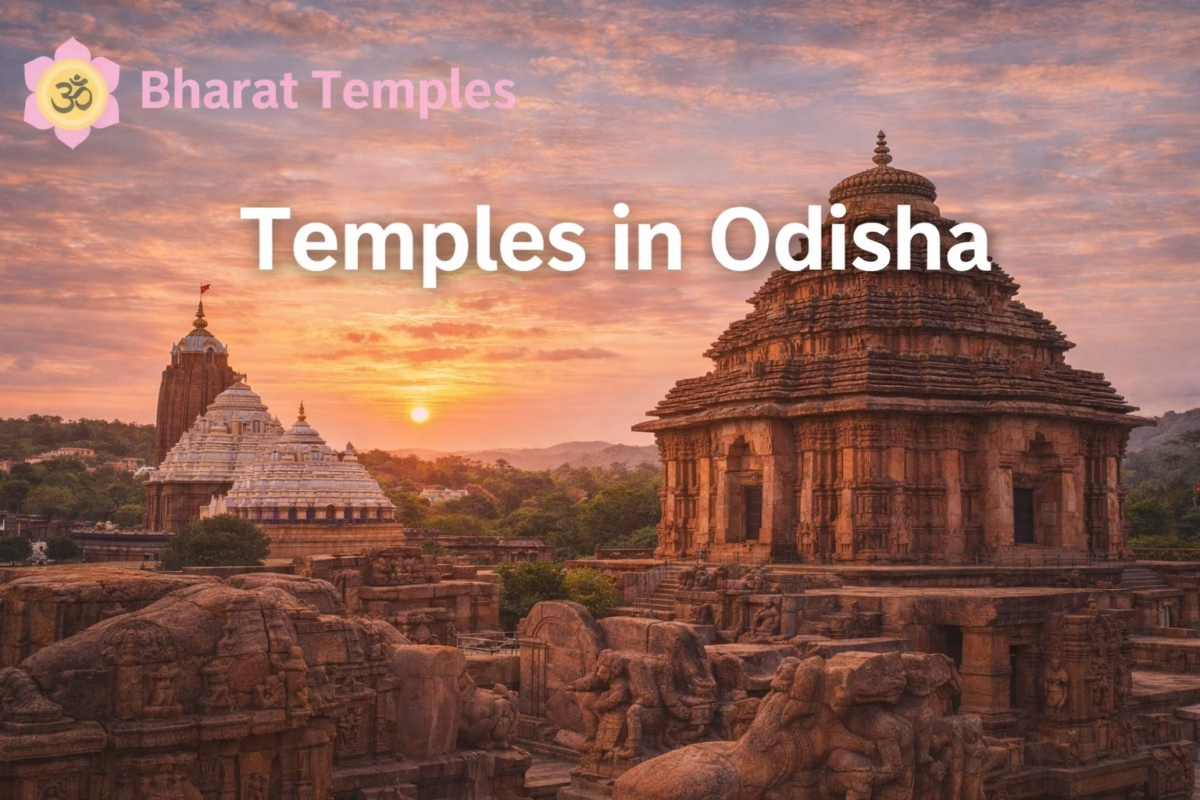
Odisha (formerly Kalinga) is a spiritual powerhouse where Vaishnava devotion, Shaiva traditions, and Shakta worship converge amid distinctive temple architecture. The state is globally revered for the Jagannath Temple in Puri, one of the Char Dham pilgrimage sites, and celebrated for its unique Rekha Deul spires, Khakhara Vimanas, and intricately sculpted Pidha Deul platforms. From the timeless rituals of Puri’s Rath Yatra to the soaring sanctuaries of Bhubaneswar and Konark’s Sun Temple (a UNESCO World Heritage marvel), temples in Odisha reflect a continuum of faith, artistry, and community life rooted in Sanatana Dharma.
Odisha’s spiritual tapestry embraces Gaudiya Vaishnavism centered on Lord Jagannath, powerful Shaiva shrines like the Bhubaneswar (Ekamra) Kshetra with Lingaraj and Mukteshwar, and Shakta sanctuaries such as Taratarini. Pilgrims value the living traditions—Mahaprasad at Puri, the Chandana Yatra, and Brahma Paribartan—as well as temple etiquette that honors local customs and architecture. Whether you seek darshan, heritage, or cultural immersion, Odisha offers one of India’s most diverse temple circuits with accessible travel routes and year-round festivals.
Top Temple Cities in Odisha
| City/Town | Key Temple(s) | Sacred Significance | Best For |
|---|---|---|---|
| Puri | Shri Jagannath Temple | One of Char Dham; seat of Lord Jagannath; origin of Rath Yatra and Mahaprasad | Rath Yatra, Chariot darshan, temple cuisine |
| Bhubaneswar | Lingaraj, Mukteshwar, Rajarani, Parasurameshwar | Ekamra Kshetra; Shaiva heritage; evolutionary temple forms from 7th–11th century CE | Architectural trail, evening aartis |
| Konark | Sun Temple (Black Pagoda) | UNESCO World Heritage; Surya worship; Nayagara architecture | Sunrise views, stone carving artistry |
| Baripada/Mayurbhanj | Haribaladeva Temple | Sautiya tradition; tribal–royal syncretic worship | Lesser-known heritage |
| Kendrapara | Baladevjew Temple | Bagalakshmi tradition; sibling deities of Jagannath | Quiet pilgrimage, rituals |
| Rayagada | Maa Majhighariani Temple | Shakta worship; fierce form of Devi | Navaratri, regional culture |
Major Temple Festivals in Odisha
- Rath Yatra (Puri) – Ashadha Shukla Dwitiya (June/July): World-famous chariot procession of Jagannath, Balabhadra, and Subhadra; unique Benches of deities, Gitagovinda chants, and Mahaprasad distribution.
- Chandana Yatra (Puri) – Vaishakha Shukla Ekadashi (April/May): Deities are anointed with sandalwood paste; cooling rituals in the Roof of the Jagannath Temple water tanks.
- Dola Purnima (Holi) – Phalguna Purnima (Feb/March): Swing festival of Jagannath and Radha–Krishna; gentle devotional play rather than boisterous colors in Odisha’s Vaishnava shrines.
- Parashurama Jayanti/Akshaya Tritiya – Vaisakha Shukla Tritiya (April/May): Important in Odisha temples; special Maha Abhisheka at Lingaraj and other Shaiva shrines.
Regional Traditions & Etiquette
- Dress Code: Traditional attire preferred—dhoti/veshti for men, sari/long skirts for women. Avoid shorts and sleeveless tops in sanctums. At Jagannath Puri and major Shaiva shrines, modest dress ensures smooth entry.
- Offerings & Prasadam: Mahaprasad at Puri is cooked in earthen pots over wood fire (Maha Prasada). Avoid leather items near sanctums. Some Shaiva shrines prefer Bilva leaves; in Vaishnava temples, Tulsi is central—offerings made with devotion are usually accepted if permitted by temple staff.
- Entry Rules: Certain inner sanctums may restrict entry to Hindus. Outside footwear management varies; use designated cloakrooms. Photography is typically prohibited inside sanctums—observe signage.
- Architectural Hallmarks: Odisha’s Rekha Deul (vertical spire) atop the Khakhara Vimana (rectangular sanctum) and Pidha Deul (mandapa platform) are distinct. Look for Tribhanga figures, Jali screens, and Rahu motifs in temple friezes.
How to Explore Temples in Odisha
- Puri–Konark–Bhubaneswar Circuit: Begin at Puri for Jagannath darshan, travel to Konark’s Sun Temple at sunrise, then explore Bhubaneswar’s Shaiva trail (Lingaraj, Mukteshwar, Rajarani, Kedargauri). This circuit covers Vaishnava, Saura (Sun), and Shaiva traditions in 2–3 days.
- Gateway Airports: Biju Patnaik International Airport (Bhubaneswar) is the primary hub; Veer Surendra Sai Airport (Jharsuguda) serves western Odisha. Puri has a major railway junction; Bhubaneswar is well connected on the Howrah–Chennai line.
- Best Seasons: October to March offers pleasant weather. Winter (Dec–Jan) is ideal for walking temple complexes. Avoid peak summer (April–May midday) and the southwest monsoon (June–September) for comfortable travel.
- Transport Tips: Odisha State Road Transport (OSRTC) buses connect temple towns. Private cabs and trains (e.g., Puri–Bhubaneswar MEMU) offer flexibility. In Puri, auto-rickshaws reach the temple zone; for Konark, hired cars are efficient. Many temples have dedicated Panda/Panda priests for guidance—honor their services appropriately.
FAQ
Bhubaneswar (the Ekamra Kshetra) hosts the densest concentration of ancient Shaiva shrines from the 7th–11th centuries, including Lingaraj, Mukteshwar, and Parasurameshwar.
Most major temples expect modest, traditional attire. Puri’s Jagannath Temple and prominent Shaiva shrines discourage shorts and sleeveless clothing; specific inner sanctums may restrict entry to Hindus regardless of attire.
Yes. A 5–7 day itinerary covering Puri, Konark, and Bhubaneswar allows darshan at key shrines and heritage sites. Add western Odisha (e.g., Baladevjew at Kendrapara) or southern Odisha (Maa Majhighariani at Rayagada) if time permits.
Policies vary by shrine. Some historic temples permit only Hindus inside sanctums; others allow all visitors in designated areas. Check local notices or ask temple authorities respectfully before entry.