Adi Narayana Perumal Temple, Pulicat: History, Timings & Complete Guide
Receive daily temple updates, divine darshan, and morning bhajans directly on WhatsApp.
Contents
- 1 Adi Narayana Perumal Temple, Pulicat: A Definitive Pilgrimage Guide
Adi Narayana Perumal Temple, Pulicat: A Definitive Pilgrimage Guide
As the Lead Heritage Architect and SEO Strategist for bharattemples.com, I present this comprehensive guide to the Adi Narayana Perumal Temple. This architectural marvel, often called the “Mini-Angkor Wat” of Tamil Nadu, stands as a testament to the Vijayanagara era and the enduring devotion to Lord Vishnu.
1. Introduction & Spiritual Essence
The Adi Narayana Perumal Temple is a sacred Panchakshari Vaishnava Kshetram located in the historic fishing village of Pulicat (Pazhaverkadu) in the Thiruvallur district. It is dedicated to Lord Vishnu, worshipped here as Adi Narayana Perumal (the Primeval Lord).
The Deity and Form
- Primary Deity: Adi Narayana Perumal (Vishnu).
- Posture: The Lord stands in a majestic Nindra Thirukkolam (standing posture).
- Attributes: He holds the Sankha (conch) and Chakra (discus) in his upper hands. His lower right hand is in Abhaya Hastha (gesture of protection), while the left rests on his thigh.
- Consorts: He is flanked by Sridevi (Bhu Devas) and Bhudevi (Earth Goddess) on either side.
Phalaśruti: The Spiritual Benefits
According to ancient Tamil traditions and local devotees, visiting this temple offers profound spiritual benefits:
- Cleansing Ancestral Karma: Performing Shraddha rituals here is believed to liberate ancestors from cycles of rebirth.
- Relief from Planetary Afflictions: Devotees suffering from Rahu-Ketu Dosha or Sani (Saturn) afflictions find peace here.
- Marital Harmony: Couples praying together are said to receive blessings for longevity and unity.
2. Historical Origins & Scriptural Legend
While the temple is a marvel of Vijayanagara architecture, its roots in Pulicat date back to the 16th century. This coastal region has seen the rise and fall of the Cholas, Pandyas, and Pallavas before coming under the Vijayanagara Empire.
The Builders and Inscriptions
According to a Telugu stone inscription found above the entrance of the Goddess shrine, the temple was constructed by Balavandakulu, a Telugu chieftain, during the reign of the Vijayanagara rulers. The village was then known as Anandarayan Pattinam.
Tradition holds that the temple was a bustling center of worship until the late 20th century. The last Samprokshanam (consecration) was performed in 1979. Until 1988, priests traveled from Ponneri to conduct regular Laksharchanas and Navaratri pujas.
The Legend of the Mini-Angkor Wat
Local folklore suggests that the temple’s unique laterite construction was chosen for its durability against the saline coastal air. The temple is famously associated with the Ramayana through its miniature carvings, believed to have been commissioned by a devotee who dreamt of Rama walking the Pulicat coast.
3. Architectural Marvels
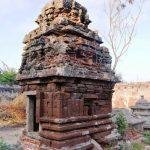
The Adi Narayana Perumal Temple is a masterpiece of Dravidian architecture, specifically the Vijayanagara style, utilizing laterite blocks—an anomaly in Tamil Nadu, where stone or brick is more common.
Construction Materials
- Laterite Blocks: The entire structure is built using locally sourced laterite, giving the temple a distinct reddish hue.
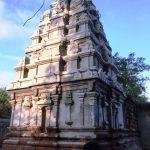
- Vimana: A mixture of limestone and bricks.
- Roofing: Stone slabs.
Artistic Highlights
- The Miniature Ramayana: The temple’s crowning glory is the continuous frieze of miniature Ramayana scenes carved into the roof cross-beams. These figures, not taller than 8 inches, are remarkably preserved and give the temple its “Mini-Angkor Wat” moniker.
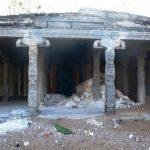
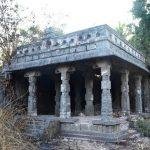
- Garuda Mandapam: A small mandapam at the entrance houses a Garuda statue facing the main shrine.
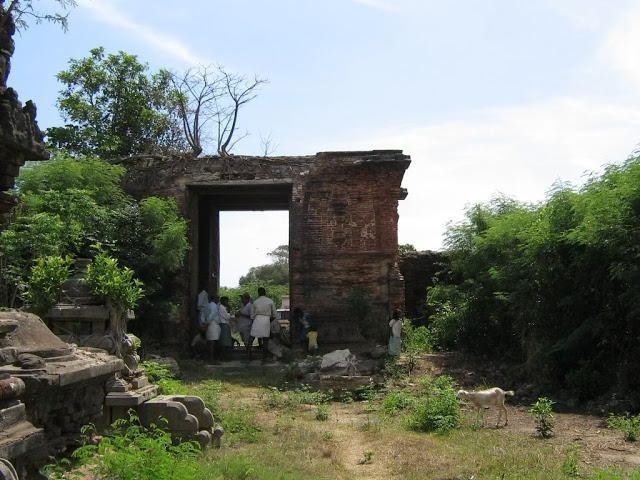
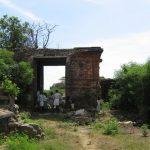
- Missing Gopuram: Unlike many Dravidian temples, the entrance lacks a towering Gopuram, resembling instead the fortified entrances of ancient citadels.
- Bali Peetham: A beautifully carved sacrificial altar with steps leading to the top from all four sides.
Heritage Note: The temple is currently in a state of dilapidation. While the main shrine remains intact, the Rama shrine to the right has collapsed. Visiting requires respect for the structure’s fragility.
4. Darshan & Ritual Logistics (2026 Schedule)
As of 2026, the temple is maintained by the local community and the Hindu Religious and Charitable Endowments (HR&CE) Department of Tamil Nadu. While the temple does not operate on the scale of mega-cities, specific timings are maintained for devotees.
Daily Timings
| Session | Timings |
|---|---|
| Morning Darshan | 07:00 AM – 12:00 PM |
| Mid-day Closure | 12:00 PM – 04:30 PM |
| Evening Darshan | 04:30 PM – 07:00 PM |
Key Sevas and Online Booking
Devotees can book specific Sevas (rituals) online via the Tamil Nadu HR&CE portal. Given the temple’s heritage status, bookings are subject to priest availability.
- Suprabhatam: 7:00 AM (Morning)
- Archana: Individual and family archanas are available.
- Abhishekam: Performed on auspicious days. Due to the delicate nature of the laterite structure, water-based Abhishekam is restricted to specific areas.
- Online Seva Booking Link (Official Tamil Nadu Tourism Portal).
2026 Festival Calendar
Mark your calendars for these major celebrations at Adi Narayana Perumal Temple:
- Brahmotsavam: April 20 – May 2, 2026 (Masi Magam period).
- Garuda Vahana Seva: April 26, 2026 (Evening).
- Navaratri: September 22 – October 1, 2026 (Special decoration for Andal and Thayar).
- Vaikunta Ekadashi: December 27, 2026 (Special temple opening).
5. Practical Visitor Guidance
Dress Code & Etiquette
As this is a active place of worship and a protected heritage site:
- Attire: Traditional wear is preferred (Dhoti/Saree). Men must remove shirts before entering the inner sanctum.
- Footwear: Remove shoes at the designated area near the entrance. Due to the lack of a complex, the walkway is exposed; carry socks if visiting during summer.
Photography & Safety
- Photography: Allowed in the outer complex and Mandapas. Strictly prohibited inside the Garbhagriha (Sanctum Sanctorum).
- Mobile Lockers: There are no automated lockers. Devotees are advised to travel light and keep valuables in their vehicles.
- Crowd Management: Pulicat is a quiet destination. However, during Brahmotsavam, crowds swell due to fishermen communities. Visit early morning (7 AM) to avoid the heat and crowds.
- Accessibility: The temple has sand and uneven paths. It is not wheelchair accessible due to the heritage flooring.
6. Pilgrimage Connectivity
How to Reach Adi Narayana Perumal Temple
The temple is located in the heart of Pulicat island.
- By Air: Chennai International Airport (MAA) is the nearest airport, located approximately 70 km away.
- By Rail: The nearest railway station is Ponneri Railway Station (approx. 20 km). For better connectivity, Chennai Central is the major hub.
- By Road:
- Take NH 16 (Old NH 5) towards Chennai – Gummidipoondi – Ponneri.
- From Ponneri, take the state highway leading to Pulicat (Pazhaverkadu).
- Distance from Chennai: 60 km (approx. 1.5 to 2 hours drive).
Nearby Sacred Sites (Pilgrimage Circuit)
Extend your spiritual journey to these nearby locations:
- Shri Varadaraja Perumal Temple (Pulicat): Located just a short distance away, this is where the Utsavar idols of Adi Narayana Perumal were moved for safety.
- Koviladi (Emerald) Island: Located near Pulicat, this island houses a 10th-century Chola period temple dedicated to Lord Vishnu (Pandava Thoodhar).
- Sri Subramanya Swamy Temple: Located in the nearby village (approx. 150 years old), dedicated to Lord Murugan.
7. Frequently Asked Questions (FAQ)
1. Is there a VIP Darshan entry at Adi Narayana Perumal Temple?
Currently, the temple does not have a formal VIP entry system due to its small scale. Darshan is generally open to all devotees. However, during festivals, priority is given to those who have booked specific Sevas.
2. Can I carry my luggage inside the temple?
It is recommended to leave large luggage in your vehicle. The temple lacks a cloakroom facility. Carry only essential items like water bottles and wallets.
3. Is the temple safe for solo female travelers?
Yes, the temple is generally safe and located in a public village area. However, as it is an isolated heritage site, it is advisable to visit during morning hours (7 AM – 12 PM) when other villagers are present.
4. Why is it called “Mini-Angkor Wat”?
The nickname comes from the temple’s unique laterite construction and the extensive bas-relief carvings of the Ramayana on the roof beams, which visually resemble the famous Angkor Wat temples of Cambodia, albeit on a smaller scale.
5. Are there restaurants near the temple?
Pulicat is a remote fishing village. There are no luxury restaurants, but local stalls offer fresh fish curry and rice (meals). It is advisable to carry water and snacks or eat at Ponneri (20 km away) for more options.
Image Gallery: To view the intricate carvings and the standing posture of Adi Narayana Perumal, refer to the photo gallery section on this page.
IMG_0087, Adi Narayana Perumal Temple, Pulicat, Thiruvallur
IMG_0086, Adi Narayana Perumal Temple, Pulicat, Thiruvallur
IMG_0061, Adi Narayana Perumal Temple, Pulicat, Thiruvallur
DSC_0333, Adi Narayana Perumal Temple, Pulicat, Thiruvallur
DSC_0334, Adi Narayana Perumal Temple, Pulicat, Thiruvallur
DSC_0335, Adi Narayana Perumal Temple, Pulicat, Thiruvallur
entrance, Adi Narayana Perumal Temple, Pulicat, Thiruvallur
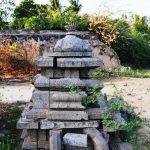
DSC_0332, Adi Narayana Perumal Temple, Pulicat, Thiruvallur

temple walls, Adi Narayana Perumal Temple, Pulicat, Thiruvallur
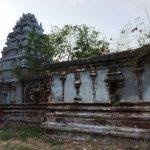
IMG_0062, Adi Narayana Perumal Temple, Pulicat, Thiruvallur
📖 Related: Mariamman Temple Palani: History, Darshan Timings & Guide