Agastheeswarar Vatuka Bairavar Temple Nabalur: History, Darshan Timings & Guide
Receive daily temple updates, divine darshan, and morning bhajans directly on WhatsApp.
Contents
- 1 Introduction & Spiritual Essence
- 2 Historical Origins & Scriptural Legend
- 3 Architectural Marvels
- 4 Darshan & Ritual Logistics (2026 Guide)
- 5 Practical Visitor Guidance
- 6 Pilgrimage Connectivity
- 7 Frequently Asked Questions (FAQ)
- 8 Photo Gallery
Introduction & Spiritual Essence
In the serene village of Nabalur, nestled in the Thiruvallur district of Tamil Nadu, stands a centuries-old sanctuary that resonates deeply with spiritual seekers. The Agastheeswarar Vatuka Bairavar Temple is a unique theological and architectural jewel, distinguishing itself as a rare shrine where the fierce yet benevolent form of Bhairava is worshipped alongside Lord Shiva. While the presiding deity is Agastheeswarar (a manifestation of Shiva) and the mother goddess is Kamakshi Amman, the temple is famously revered as the Vatuka Bairavar Temple due to the profound significance of its Bhairava shrine.
Phalaśruti: The Fruits of Devotion
Devotees flock to this temple seeking relief from malefic planetary influences, particularly those ruled by Saturn (Shani) and Rahu. The temple is renowned for the following spiritual benefits:
- Ancestral Karma Cleansing: Performing rituals here is believed to alleviate Pitru Dosha (ancestral curses), ensuring peace for departed souls.
- Protection from Evil: Worshipping Vatuka Bairavar, the guardian of the southern direction, offers protection against negative energies and black magic.
- Resolution of Legal Disputes: Devotees facing litigation or prolonged court cases visit here for swift justice.
- Marriage & Progeny: Unmarried individuals pray here for an early alliance, while childless couples seek blessings for progeny.
Historical Origins & Scriptural Legend
The temple belongs to the glorious Chola Period, dating back several centuries. Though the exact year of construction is not explicitly recorded in the single available source, the architectural motifs and inscriptional evidence firmly place it within the medieval Chola era. The structure has been preserved by local hereditary custodians and renovated occasionally to maintain its sanctity.
📖 Related: Vadaranyeswarar Temple Thiruvalangadu: History, Darshan Timings & Guide
The Sthala Purana
According to local tradition, the temple’s origin is linked to the great sage Agastya Maharishi. Legend holds that the sage was traveling through the region when a fierce storm broke out. Seeking shelter under a Vilva tree, he encountered a mysterious boy accompanied by a dog.
When the sage attempted to approach the boy, the divine entity vanished, only to reappear beneath the tree. To Sage Agastya’s astonishment, he discovered a Swayambhu (self-manifested) Shiva Lingam beneath that very spot. The boy was revealed to be Vatuka Bairava, a form of Lord Shiva himself, who had guided the sage to this holy site. It is also believed that the celebrated saint poet Manikkavacakar visited and worshipped at this temple.
Architectural Marvels
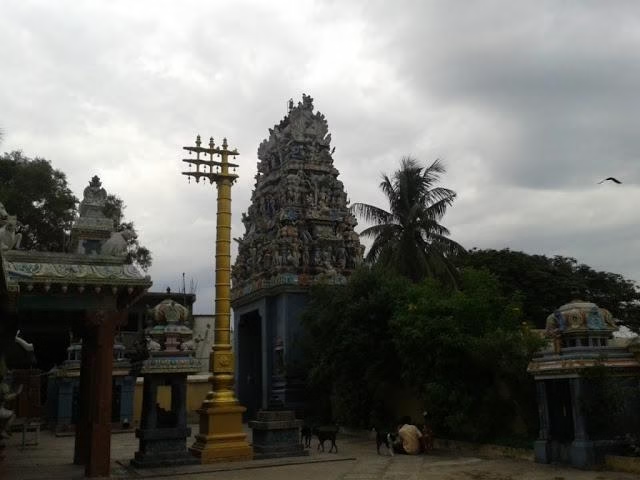
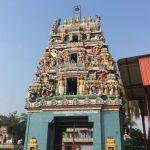
The temple showcases the quintessential Dravidian style of architecture, typical of Tamil Nadu temples from the Chola period. It is a structural marvel built largely of stone and brick, adhering to the Agama and Vastu Shastra principles.
Key Architectural Features
- The Sanctum (Garbhagriha): The inner sanctum houses the presiding deity, Agastheeswarar (Shiva Lingam), facing east.
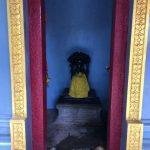
- Bhairava Shrine: A distinct feature of this temple is the separate shrine for Vatuka Bairavar, situated adjacent to the main sanctum. Unlike the fierce forms often seen elsewhere, this Bhairava is worshipped as a child deity (Bala Bhairava).
- Mandapas: The temple features pillared halls (Mandapas) adorned with intricate carvings of deities and mythical motifs, used for conducting rituals and festivals.
- The Temple Tank: A traditional Pushkarani (temple tank) is located nearby, essential for purification rituals before darshan.
While the temple is a significant local heritage site, it has not been designated as a UNESCO World Heritage site or an ASI-protected monument, retaining its distinct local sanctity.
Darshan & Ritual Logistics (2026 Guide)
To facilitate a smooth pilgrimage experience, the temple follows a structured daily schedule. Please note that timings may vary slightly during festivals.
| Session | Timing | Activities |
|---|---|---|
| Morning Darshan | 6:00 AM – 12:00 PM | Opening, Suprabhatam, Abhishekam, Archana |
| Midday Closure | 12:00 PM – 4:00 PM | Deity Rest & Temple Cleaning |
| Evening Darshan | 4:00 PM – 8:30 PM | Evening Aarti, Pradosham Rituals, Closing |
Key Sevas and Online Booking
Devotees can participate in specific rituals to enhance their spiritual experience. While traditional in-person bookings are available, many temples in the region are moving towards digital management.
- Abhishekam (Ritual Bathing): Performed for Lord Agastheeswarar and Vatuka Bairavar. Best done on Mondays and Pradosham days.
- Archana (Recitation of Names): Specific mantras for planetary relief (e.g., Shani Tarpa).
- Vatuka Bairavar Homam: A specialized fire ritual to remove obstacles.
📖 Related: Vaikunda Perumal Temple History and Darshan Timings: Vayalanallur Guide
Online Booking: As of 2026, devotees can check the official Tamil Nadu temple portal or the specific temple trust website (if available) for online seva booking. For this temple, direct contact via the provided numbers or visiting the temple office is often the primary method.
2026 Major Festival Dates
- Pradosham: Occurs every 13th day of the lunar cycle. In 2026, notable dates include January 13, February 11, March 12 (and every 13th day thereafter).
- Theipirai Ashtami: This is the most significant festival for Vatuka Bairavar. It occurs during the dark fortnight of the Tamil month.
Approximate 2026 Date: October 20, 2026 (Subject to lunar calendar confirmation). - Mahashivaratri: Celebrated on the 14th night of the dark half of Phalguna month.
Date: February 26, 2026. - Aadi Perukku: Celebrated near the temple tank for water prosperity.
Practical Visitor Guidance
Dress Code and Etiquette
Visitors are expected to maintain the sanctity of the temple. Men should wear Veshti (dhoti) or formal trousers/shirts; women should wear sarees, salwar kameez, or traditional attire. Avoid shorts, sleeveless tops, or tight-fitting clothes.
Photography and Electronics
Photography is generally prohibited inside the inner sanctum (Sanctum Sanctorum). Mobile phones are allowed but must be switched to silent mode. Some temples provide mobile lockers for security, though carrying minimal valuables is advised.
Crowd Management & Seasonal Advice
- Best Time to Visit: The Morning hours (6:00 AM – 8:00 AM) are the least crowded and most spiritually potent for meditation.
- Seasonal Tips:
- Summer (April – June): Tamil Nadu experiences high temperatures. Carry water bottles and wear head coverings.
- Monsoon (October – December): Carry an umbrella; the temple floor may be slippery.
- Accessibility: The temple has basic accessibility. However, as it is an ancient structure, there may be steps leading to the sanctum. Elderly visitors should proceed with caution.
📖 Related: Kailasha Nathar Temple Palani: History, Darshan Timings & Complete Guide
Pilgrimage Connectivity
How to Reach
The Agastheeswarar Temple is located in Nabalur Village, Thiruvallur District, Tamil Nadu.
- By Air: The nearest airport is Chennai International Airport (MAA), approximately 77 km away.
- By Rail: The nearest railway junction is Thiruthani (TNI), located about 11 km from the temple. From here, local taxis and autos are available.
- By Road:
- From Thiruthani Bus Stand: 13 km.
- From Thiruvallur: 29 km.
- Route: Take NH 40 or the Thiruthani – Nandalur road. The temple is located about 1 km from Lakshmapuram.
Nearby Sacred Sites (Pilgrimage Circuit)
- Thiruthani Murugan Temple: One of the Six Arupadaiveedu (abodes) of Lord Murugan, located just 13 km away. A must-visit for Muruga devotees.
- Sri Venkateswara Temple, Tirumala: Though further away (approx. 60 km via Chittoor), it is often combined with a visit to Thiruthani for a comprehensive spiritual tour.
- Kailasakurichi Siddhi Vinayagar Temple: A powerful Ganesha temple located en route to Thiruvallur.
Frequently Asked Questions (FAQ)
1. What is the significance of the “Vatuka” form of Bhairava?
In the context of this temple, Vatuka refers to a child form of Shiva. He is considered a fierce protector who removes fear and grants boons immediately. Worshipping him is believed to nullify the effects of past sins (Karma).
2. Is there a VIP or special darshan entry?
While the temple is not as commercialized as mega-pilgrimage centers, priority darshan is usually granted to senior citizens, differently-abled devotees, and those who have booked specific Sevas like Abhishekam. It is advisable to contact the temple office in advance.
3. Can we book accommodation near the temple?
The temple itself does not have attached guesthouses. However, basic lodges are available in Thiruthani (13 km away) and Thiruvallur (29 km away). For better amenities, devotees often stay in Tirupati or Chennai.
4. Are there specific days to avoid visiting?
Generally, the temple is open year-round. However, during deep Amavasya (New Moon) and eclipses, the temple timings might be adjusted. It is best to avoid late evenings on regular weekdays due to lack of transport.
5. What is offered as Prasadam?
Traditional Prasadam includes Panchamritam, Chitrannam (tamarind rice), and sweet pongal. During Theipirai Ashtami, special cooked rice (Sakkarai Pongal) is offered to Vatuka Bairavar.
Photo Gallery
645676476, Agastheeswarar Vatuka Bairavar Temple, Nabalur, Thiruvallur
2018-02-11 (5), Agastheeswarar Vatuka Bairavar Temple, Nabalur, Thiruvallur
2018-02-11 (4), Agastheeswarar Vatuka Bairavar Temple, Nabalur, Thiruvallur
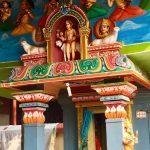
2018-02-11 (2), Agastheeswarar Vatuka Bairavar Temple, Nabalur, Thiruvallur
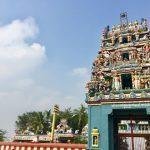
2018-02-11 (3), Agastheeswarar Vatuka Bairavar Temple, Nabalur, Thiruvallur
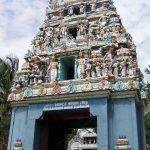
nabalur-agastheeswarar-temple, Agastheeswarar Vatuka Bairavar Temple, Nabalur, Thiruvallur
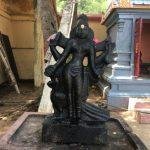
54645645764574, Agastheeswarar Vatuka Bairavar Temple, Nabalur, Thiruvallur
64564574745, Agastheeswarar Vatuka Bairavar Temple, Nabalur, Thiruvallur
87687876976, Agastheeswarar Vatuka Bairavar Temple, Nabalur, Thiruvallur
654576676, Agastheeswarar Vatuka Bairavar Temple, Nabalur, Thiruvallur
645746744, Agastheeswarar Vatuka Bairavar Temple, Nabalur, Thiruvallur
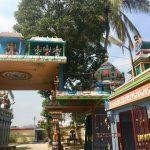
2018-02-11 (7), Agastheeswarar Vatuka Bairavar Temple, Nabalur, Thiruvallur
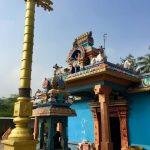
2018-02-11 (6), Agastheeswarar Vatuka Bairavar Temple, Nabalur, Thiruvallur
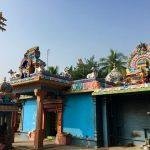
2018-02-11 (1), Agastheeswarar Vatuka Bairavar Temple, Nabalur, Thiruvallur
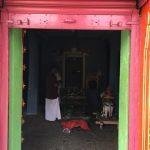
2016-10-22 (1), Agastheeswarar Vatuka Bairavar Temple, Nabalur, Thiruvallur
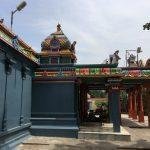
2016-10-22 (5) (1), Agastheeswarar Vatuka Bairavar Temple, Nabalur, Thiruvallur
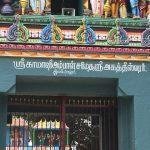
2016-10-22, Agastheeswarar Vatuka Bairavar Temple, Nabalur, Thiruvallur
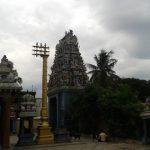
Nabalur Temple Front View 2, Agastheeswarar Vatuka Bairavar Temple, Nabalur, Thiruvallur