Aramvalartha Eswarar Temple History & Darshan Timings: Kanchipuram Pilgrimage Guide

Receive daily temple updates, divine darshan, and morning bhajans directly on WhatsApp.
Contents
- 1 Introduction & Spiritual Essence
- 2 Historical Origins & Scriptural Legend
- 3 Architectural Marvels
- 4 Darshan & Ritual Logistics (2026 Season)
- 5 Practical Visitor Guidance
- 6 Pilgrimage Connectivity
- 7 Frequently Asked Questions (FAQ)
- 8 Photo Gallery
- 9 Location Map
Introduction & Spiritual Essence
Nestled in the holy soil of Kanchipuram, the Aramvalartha Eswarar Temple stands as a profound testament to Dharma (justice) and righteousness. Dedicated to Lord Shiva, this ancient shrine is locally revered as the “Dharma Sthalam“—the place where the very concept of justice was established. The presiding deity, Aramvalartha Eswarar, is a Swayambhu (self-manifested) Lingam, while the goddess is known as Ennappavalli (Thirukamakshi).
Phalaśruti: Why Visit?
Devotees flock to this temple seeking relief from Pitru Dosha (ancestral afflictions) and obstacles in marriage alliances. It is specifically revered as a Parihara Sthalam (remedial shrine) for those facing delays in matrimony or legal disputes. Performing specific rituals here is believed to cleanse ancestral karma and invoke the blessings of Lord Shiva for a life governed by truth and righteousness.
Historical Origins & Scriptural Legend
Scriptural Legend:
According to temple records and local tradition, this site is deeply connected to the epic Ramayana. It is believed that Lord Rama, along with Sita and Lakshmana, worshipped Lord Shiva here to atone for the Brahmahatya (sin of killing Ravana, a Brahmin). Rama installed the Lingam to seek relief from this sin, hence the name Aramvalartha Eswarar—meaning “The Lord who revealed the path of Righteousness (Aram).”
📖 Related: Hari Muktheeswarar Temple History and Darshan Timings | Ariyamangai Guide
Historical Timeline:
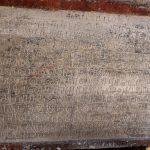
While the exact construction date is not recorded in government gazettes, temple inscriptions and architectural styles suggest the structure is over 1,000 years old, likely dating back to the Medieval Chola period (circa 10th–12th Century CE). The temple underwent significant renovations during the Vijayanagara Empire, evident in the preserved Mandapas and pillared corridors.
Architectural Marvels
The temple showcases the classic Dravidian architectural style, characterized by its towering Gopurams (gateway towers) and symmetrical layout. Despite its age, the temple retains the sanctity of a typical Paragaram (ancient structure).
Key Features:
- The Sanctum (Garbhagriha): The Swayambhu Lingam is positioned in a dark, intimate sanctum, emphasizing the internal nature of Dharma.
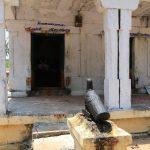
- Mandapas: The temple features a Maha Mandapa (great hall) with sculpted pillars depicting scenes from Shiva’s mythology and various avatars of Vishnu.
- Gopuram: While the main Rajagopuram is modest compared to the Kailasanathar temple, it follows the traditional Dravidian tier system.
- Unique Idol: The Somaskanda form of Lord Murugan (Skanda) is situated uniquely between the sanctum of Shiva and Ambal, a rare iconographic feature.
Note: While not a UNESCO site, the temple is protected under the oversight of the Hindu Religious and Charitable Endowments (HR&CE) Department of Tamil Nadu.
Darshan & Ritual Logistics (2026 Season)
Keeping with the strict Agamic traditions of Kanchipuram, the temple conducts daily Kaala Pooja without fail. Pradosha Pooja here is considered especially potent.
Daily Timings
| Session | Timings |
|---|---|
| Morning Darshan | 6:00 AM – 11:00 AM |
| Midday Closure | 11:00 AM – 4:30 PM |
| Evening Darshan | 4:30 PM – 8:00 PM |
| Special Pooja (Pradosham) | 7:00 PM (1.5 hrs before sunset) |
Online Seva Booking
For devotees unable to visit physically, the temple facilitates online seva. While specific URLs change, bookings are generally handled via the Tamil Nadu HR&CE portal or direct contact with the temple administration.
- Abhishekam: Performed on Mondays and Pradosham days.
- Archana: Available daily; specific request: “Aramvalartha Eswarar Archana” for justice-related petitions.
- Booking Mode: Contact the mobile numbers provided below or visit the official HR&CE website.
📖 Related: Agastheeshwarar Temple, Kolapakkam: History, Darshan Timings & Guide
2026 Festival Calendar (Major Events)
- Arudra Darshanam: January 6, 2026 (Celebrating Lord Nataraja).
- Maha Shivaratri: February 26, 2026 (Night-long vigil and special Abhishekam).
- Pradosham (Monthly): Bi-monthly events; Maadhya Pradosham is highly recommended.
- Kartikai Deepam: November 4, 2026.
Practical Visitor Guidance
- Dress Code: Traditional attire is mandatory. Men should wear Veshti (dhoti) or trousers with a shirt; women should wear saree, salwar kameez, or long skirts.
- Photography: Strictly prohibited inside the Garbhagriha (sanctum). Photography in the outer praharam is allowed without flash.
- Mobile & Lockers: There are no automated lockers; however, devotees can leave mobile devices with the security desk at the entrance.
- Accessibility: The temple is compact. Wheelchair access is limited due to the traditional step-up entrance. Assistance from priests is recommended.
- Crowd Management: Weekends and Mondays see increased footfall. Best hours to visit: Tuesday or Thursday mornings between 8:00 AM and 9:30 AM.
- Seasonal Advice: Carry a water bottle and wear light cottons during May (Tamil month of Vaikasi) due to the humid Kanchipuram weather.
Pilgrimage Connectivity
The temple is located in the Anaikattu locality of Kanchipuram town.
How to Reach
- By Air: The nearest airport is Chennai International Airport (MAA), approximately 75 km away.
- By Rail: Kanchipuram Railway Station is the closest major railhead (5 km). Alternatively, Chengalpattu Junction is 30 km away.
- By Road: From Chennai, take the NH-48 (Chennai-Bangalore Highway) towards Kanchipuram. From Kanchipuram town center, take the deviation towards Maduranthakam.
- Bus Connectivity: From Kanchipuram Bus Stand, ask for routes going towards Anaikattu. Specific bus numbers include 188D, 100D, and 100C from Chengalpet. From Maduranthakam, take Bus No. T10.
📖 Related: Periya Nayagi Amman Temple, Palani: History, Darshan Timings & Complete Guide
Nearby Sacred Sites
Extend your pilgrimage circuit with these nearby temples:
- Kailasanathar Temple (3 km): The oldest structural Shiva temple in Kanchipuram, built by the Pallavas.
- Ekambareswarar Temple (2 km): One of the Pancha Bhoota Stalam, representing the element of Earth.
- Vaitheeswaran Koil (Nearby Annex): Known for healing powers, often visited alongside Aramvalartha for holistic wellness.
Frequently Asked Questions (FAQ)
1. Is there a VIP darshan entry available?
The temple is a community-centric shrine. While there is no formal “VIP” ticketing system like in Tirupati, early morning (6:00 AM) darshan is relatively crowd-free. Special arrangements can be made for elderly devotees via the temple priest.
2. What is the significance of the name “Aramvalartha”?
The name translates to “The Lord who propagated Dharma.” It signifies Shiva’s role as the cosmic judge and the keeper of truth.
3. Can I perform an Abhishekam for my marriage issues?
Yes. The temple is known as a Parihara Sthalam for marriage-related obstacles. Performing Archana with saffron (Manjal) paste on Fridays is a specific ritual recommended here.
4. What are the contact numbers for the temple?
For current schedules and Pooja bookings, you may contact the temple administration at:
Mobile: +91 89402 81959 / +91 98439 01221
5. Is the temple open during festivals?
Yes, the temple remains open. During Maha Shivaratri (Feb 2026), timings are extended throughout the night. It is advisable to check local notices for specific slot timings.
Photo Gallery
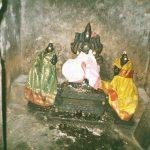
r003tuhy-020, Aramvalartha Eswarar Temple, Kanchipuram
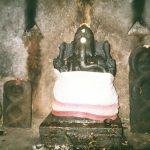
r003-018, Aramvalartha Eswarar Temple, Kanchipuram
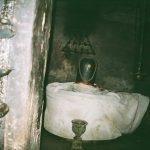
r003-016, Aramvalartha Eswarar Temple, Kanchipuram
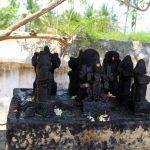
26556030085_3db12b73ad_k, Aramvalartha Eswarar Temple, Kanchipuram
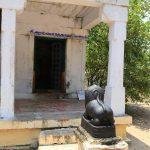
26556031225_ba20ea8ee1_h, Aramvalartha Eswarar Temple, Kanchipuram
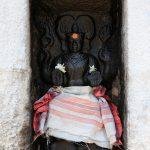
26556031695_52408dd02a_h, Aramvalartha Eswarar Temple, Kanchipuram
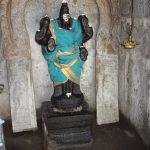
ANAIKKATTU, ARAMVALARTHA ESWAR (26)
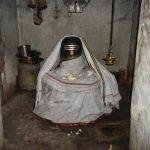
ANAIKKATTU, ARAMVALARTHA ESWAR (23)
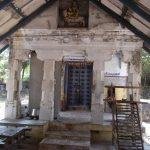
ANAIKKATTU, ARAMVALARTHA ESWAR (6), Aramvalartha Eswarar Temple, Kanchipuram
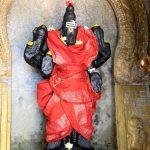
26556033675_99d110b1ab_h, Aramvalartha Eswarar Temple, Kanchipuram
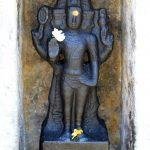
26530027456_3802837c50_k, Aramvalartha Eswarar Temple, Kanchipuram
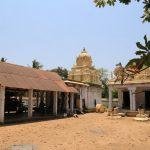
26530025806_da82f273a1_h, Aramvalartha Eswarar Temple, Kanchipuram
26530023336_7eb57b57c4_h, Aramvalartha Eswarar Temple, Kanchipuram
26489964551_ae14ad46a9_h, Aramvalartha Eswarar Temple, Kanchipuram
26489961591_c81fa5b8cb_h, Aramvalartha Eswarar Temple, Kanchipuram
26463692872_d647045653_h, Aramvalartha Eswarar Temple, Kanchipuram
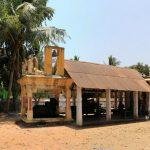
26463690842_86350f01e9_h, Aramvalartha Eswarar Temple, Kanchipuram
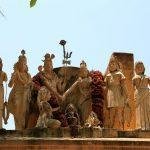
26283147950_ae2615301d_h, Aramvalartha Eswarar Temple, Kanchipuram
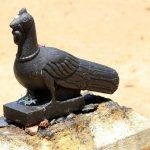
26283151790_4d4000dbd6_h, Aramvalartha Eswarar Temple, Kanchipuram
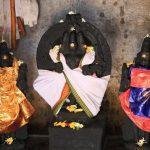
25951063084_2408e7b167_h, Aramvalartha Eswarar Temple, Kanchipuram
Location Map
📍 Address: Aramvalartha Eswarar Temple, Anaikattu, Kanchipuram District, Tamil Nadu.