Bhoor Bhuva Suva Linga Temple Varanasi: History, Darshan Timings & Guide
Receive daily temple updates, divine darshan, and morning bhajans directly on WhatsApp.
Contents
- 1 Definitive Pilgrimage Guide: Bhoor Bhuva Suva Linga Temple, Varanasi
Definitive Pilgrimage Guide: Bhoor Bhuva Suva Linga Temple, Varanasi
| Date built: | – |
|---|---|
| Deity: | Bhoor Bhuva Suva Linga |
| Architectural style: | Dravidian architecture |
| Major festivals | – |
| Locale: | Varanasi |
| District:: | Varanasi |
| Address: | – |
| Phone | – |
Introduction & Spiritual Essence
Hidden within the labyrinthine lanes of Bhoot Bhairav locality, the Bhoor Bhuva Suva Linga Temple stands as a testament to the spiritual geography of Varanasi (Kashi). This temple is not merely a structure; it is a repository of profound tantric energy and ancient lore. The primary deity here is a Swayambhu (self-manifested) Shiva Linga, a geological formation that has been worshipped for millennia without artificial carving.
Phalaśruti (Spiritual Benefits):
According to the Kashi Khand of the Skanda Purana, worshipping this specific Linga bestows immense spiritual merit. Devotees believe that the Bhoor Bhuva Suva Linga represents the cosmic elements of the Earth (Bhoor) and the Void (Suva). Pilgrims visit this shrine to:
- Cleansing Ancestral Karma: It is believed that offerings made here assist ancestors in attaining liberation (Moksha).
- Attainment of Happiness: As the name suggests, rigorous worship leads to extreme happiness in various parts of heaven.
- Protection: The temple is located near the Bhoot Bhairav (Ghost Lord), offering protection from negative energies.
Historical Origins & Scriptural Legend
The origins of the Bhoor Bhuva Suva Linga are deeply rooted in the Kashi Khand, Chapter 69, a revered scriptural text. The legend narrates a divine conversation between Lord Shiva and Goddess Uma Devi.
📖 Related: Eeshaneshwar Temple Varanasi: History, Darshan Timings & Guide
The Story of Gajasur and Rudra Vasam:
According to temple records and oral traditions, Lord Shiva wore the skin of Gajasur (a demon in the form of an elephant) after slaying him. The place where he donned this skin was named Rudra Vasam. Nandi, the bull mount, revered Lord Shiva in this form as Krithi Vaseshwar.
The Self-Manifested Linga:
Tradition holds that Nandi, the foremost devotee, brought idols and Shiva Lingas from various sacred places to install them in Kashi. One such Linga emerged spontaneously from the Gandamadan Mountains. This Linga, known as Bhoor Bhuva Suva, materialized in Kashi on its own accord, making it a powerful Shwayambhu idol rather than a sculpted one.
Architectural Marvels
While many temples in Varanasi follow the North Indian (Nagara) style, specific architectural records indicate that the Bhoor Bhuva Suva Linga Temple exhibits elements of Dravidian architecture. This suggests a historical intermingling of temple-building styles or a distinct influence from South Indian dynasties that patronized worship in Kashi.
- The Shikhara (Spire): The temple structure features a modest Shikhara that guides the devotee’s eye upward toward the divine, though the sanctum remains focused on the powerful Linga.
- The Sanctum (Garbhagriha): The Linga is housed in a dark, enclosed sanctum, a design choice that amplifies the sensory experience of the devotee, forcing the vision to focus solely on the illuminated Linga.
- Vastu Shastra: The placement of the temple in the Bhoot Bhairav locality aligns with the Kashi Vastu principles, where specific zones of the city are dedicated to the worship of specific deities to maintain cosmic balance.
Darshan & Ritual Logistics (2026 Guide)
Based on the standard timings for ancient shrines in Varanasi, the following schedule applies. Note that the temple follows traditional timings based on sunrise and sunset.
| Session | Timing | Notes |
|---|---|---|
| Morning Darshan | 05:00 AM – 12:00 PM | Best time for Mangala Aarti (Morning Aarti) rituals. |
| Mid-Day Closure | 12:00 PM – 4:00 PM | Sanctum is closed for deity rest and cleaning. |
| Evening Darshan | 4:00 PM – 9:00 PM | Includes Shayan Aarti (Sleeping Aarti). |
📖 Related: Chand Bhairav Temple Varanasi: History, Timings & Complete Guide
Key Sevas and Booking
While this is a historic shrine, modern logistics have been streamlined. However, note that as of 2026, most Sevas for smaller Kashi shrines are managed through the Kashi Vishwanath Temple Trust or local pujaris.
- Abhishekam: Ritual bathing of the Linga with Panchamrit. Note: Access for Abhishekam is restricted to certified Pujaris due to the sanctity of the Swayambhu Linga.
- Archana: Individual name recitation. Can be performed by visiting the temple office.
- Online Booking: While specific online portals for this exact shrine are limited, general Kashi Vishwanath Corridor passes include access to nearby shrines.
2026 Festival Dates (Key Occasions)
Devotees flock to the temple during Shivratri and monthly Pradoshams.
- Maha Shivaratri: February 26, 2026.
- Monthly Pradoshams: 1st Friday in May (Vaishakh) and 1st Monday in July (Shravan) are particularly crowded.
- Makar Sankranti: January 14, 2026 (Special Til Abhishekam).
Practical Visitor Guidance
Visiting the Bhoor Bhuva Suva Linga Temple requires preparation due to its location in the old city.
- Dress Code: Traditional attire is recommended. Men should wear dhoti or trousers; women should wear sarees or full-length skirts. Avoid western casual wear like shorts.
- Photography Rules: Photography is strictly prohibited inside the sanctum. Mobile phones are allowed but must be kept on silent.
- Crowd Management:
- Best Hours: Early morning (6:00 AM – 8:00 AM) or late evening (8:00 PM).
- Seasonal Advice: Varanasi summers (May/June) are scorching. Carry water and a head covering. The lanes are narrow; avoid visiting during heavy monsoons (August) due to waterlogging.
- Accessibility: The temple is located in a narrow lane. Vehicles cannot enter the final stretch. It involves a 10-15 minute walk through uneven lanes.
Pilgrimage Connectivity
How to Reach
Location: No. K.63/26, Bhoot Bhairav Locality, Varanasi (Reference: Book by Pt. Kedarnath Vyas).
- Nearest Airport: Lal Bahadur Shastri International Airport (LBS), Varanasi (approx. 25 km).
- Nearest Railway Station: Varanasi Junction (approx. 5 km) or Kashi Vishwanath Temple (Approx. 1 km).
- Route: From Kashi Vishwanath Temple, head towards the Lohatia/Bula Nala area. Auto-rickshaws can drop you at Kashi Devi Temple. From there, walking through the market leads to Jyeshta Gauri and Bhoot Bhairav.
📖 Related: Satishwar Temple Varanasi: History, Darshan Timings & Complete Guide
Nearby Sacred Sites
To complete your pilgrimage circuit, visit these nearby shrines within walking distance:
- Bhoot Bhairav Temple: Located immediately next to the Bhoor Bhuva Suva Linga. Worshipped as the guardian of the Southern direction.
- Jyeshta Gauri Temple: An ancient temple dedicated to the elder sister of Goddess Gauri, located in the same complex of lanes.
- Kashi Vishwanath Temple: The main Jyotirlinga, just 15 minutes walking distance away.
Photo Gallery
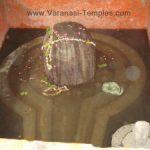
Bhoor-Bhuva-Suva-Ling2-300×225, Bhoor Bhuva Suva Linga Temple, Varanasi
How to Reach:
Bhoor Bhuva Suva Ling is located at No. K.63/26, Bhoot Bhairav locality. (Reference : Book by Pt. Kedarnath Vyas). This is a huge Ling. Devotees can reach this place by travelling upto Kashi Devi temple/Bula Nala/Lohatia by rickshaw and walk on foot upto Jyeshta Gauri/Bhoot Bhairav.
Contact Details
Official Address
Frequently Asked Questions (FAQ)
Is there a VIP Darshan entry available?
For this historic shrine, there is no formal VIP entry system like the main Vishwanath Corridor. However, visiting during non-peak hours (early morning) allows for a peaceful darshan without waiting in queues.
Can I perform Abhishekam myself?
Generally, only authorized Pujaris are permitted to touch the Swayambhu Linga inside the sanctum. Devotees can offer milk or water at the designated offering area outside the sanctum, which is later used for the ritual.
Is the temple open year-round?
Yes, the temple remains open throughout the year, barring minor closures during specific tithis or local festivals. The annual closure is rare for Kashi shrines.
What is the significance of ‘Bhoor Bhuva Suva’?
These are three Vedic mantras: ‘Bhuh’ (Earth), ‘Bhuva’ (Atmosphere), and ‘Suva’ (Heaven). Chanting these connects the devotee to the three planes of existence, facilitating spiritual elevation.
Are mobile lockers available?
There are no dedicated lockers at this specific shrine. It is advisable to carry minimal belongings. Cloakrooms are available near the Kashi Vishwanath Corridor entrance, from where you can walk to the temple.