Choleeswarar Temple, Arcot Kuppam: History, Darshan Timings & Guide
Receive daily temple updates, divine darshan, and morning bhajans directly on WhatsApp.
Contents
- 1 Introduction & Spiritual Essence
- 2 Historical Origins & Scriptural Legend
- 3 Architectural Marvels
- 4 Darshan & Ritual Logistics
- 5 Practical Visitor Guidance
- 6 Pilgrimage Connectivity
- 7 Photo Gallery
- 8 Frequently Asked Questions (FAQ)
Introduction & Spiritual Essence
Hidden within the spiritual landscape of Thiruvallur district lies the Choleeswarar Temple, a serene sanctuary in Arcot Kuppam. Dedicated to Lord Shiva, this temple stands as a testament to the profound devotion of the ancient Chola dynasty. The very air here vibrates with the echoes of centuries-old prayers, offering a respite from the chaos of the modern world.
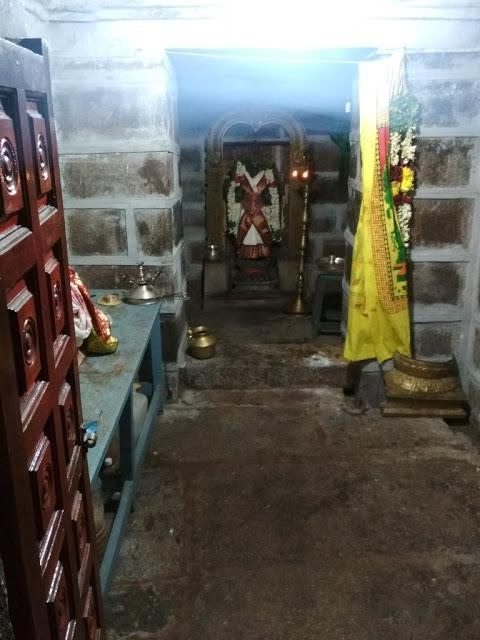
The Deity: The presiding deity, Choleeswarar, is a Swayambhu (self-manifested) Lingam facing east. Alongside him, the divine consort Kamakshi Amman (Mother Goddess) faces south, embodying compassion and grace.
Phalaśruti (Spiritual Benefits):
Tradition holds that sincere worship here washes away ancestral karma. Devotees flock to this shrine seeking relief from Pitru Dosha (ancestral afflictions) and to gain mental clarity. The temple’s unique energy is believed to balance planetary influences, making it a powerful center for spiritual purification.
Historical Origins & Scriptural Legend
Chola Heritage: According to temple records and local folklore, the Choleeswarar Temple was constructed during the zenith of the Chola Dynasty. While the exact date is not explicitly recorded on the current structure, architectural motifs suggest a timeline spanning between the 9th and 13th centuries. A legendary account tells of a Chola King who was afflicted by a severe curse; he constructed this temple to appease Lord Shiva, resulting in his liberation from sin.
📖 Related: Matri Mandir Shillong: History, Darshan Timings & Complete Guide
Scriptural References: While this specific shrine may not be highlighted in the major Puranas, it follows the Agama Shastras governing South Indian temple construction. The local Sthala Purana (oral legend) emphasizes the purity of the soil in Arcot Kuppam, believed to be sanctified by the footsteps of wandering sages.
Architectural Marvels
The Choleeswarar Temple is a classic example of Dravidian Architecture, characterized by its pyramid-like structures and intricate carvings.
- The Mandapas: The temple features a spacious Mandapa (hall) supported by sturdy pillars adorned with sculptures of deities, mythical creatures, and dancers.
- The Shikhara: The Vimana (tower above the sanctum sanctorum) follows the Dravidian style, distinct from the Nagara style of the north.
- Therapeutic Waters: The temple tank, located just outside the entrance arch, is considered sacred. Its water is believed to have medicinal properties.
- Sub-Shrines: The complex houses dedicated shrines for Navagrahas (nine planets), Yoga Dakshinamurthy, Bhairavar, Vinayagar (Ganesha), and Muruga.
While the temple is not a UNESCO site, it is a protected monument of local heritage, preserving the sculptural finesse of the Chola era.
Darshan & Ritual Logistics
Visitors can participate in various Sevas (ritual services) to deepen their connection with the divine. Booking for specific rituals is often facilitated through local priests or community centers.
Daily Timings
Note: Timings are subject to seasonal changes and festival schedules.
| Session | Timing |
|---|---|
| Morning | 6:00 AM – 12:00 PM |
| Evening | 4:00 PM – 8:00 PM |
Key Sevas & 2026 Festivals
Key rituals include Abhishekam (ritual bathing of the deity) and Archana (chanting of names). While specific dates may vary based on the Tamil calendar, the following major festivals are anticipated for 2026:
- Pradosham: Occurring twice a month (13th and 28th approx. in 2026).
- Maha Shivaratri: March 6, 2026.
- Ardra Darshan: June/July 2026 (Tamil month of Margazhi).
📖 Related: Subramanya Swamy Temple Marungoor: History, Timings & Kumbhabhishekam Guide
Practical Visitor Guidance
To ensure a smooth pilgrimage experience, please adhere to the following guidelines:
- Dress Code: Traditional attire is mandatory. Men should wear dhotis or pants with shirts; women should wear sarees or salwar kameez.
- Photography: Strictly prohibited inside the sanctum sanctorum. Photography in the outer praharam (corridor) is allowed respectfully.
- Crowd Management: Mornings are ideal for a peaceful Darshan. Weekends and festival days witness larger crowds.
- Seasonal Advice: Summers (April–June) are hot; carry water and an umbrella. Monsoon (November–January) brings cooler breezes but occasional rain.
Pilgrimage Connectivity
How to Reach:
Located in Arcot Kuppam, the temple is well-connected by road.
- Road: The temple is situated on the Thiruvallur – Thiruthani Road (State Highway 57). It is approximately 73 km from Chennai via NH716.
- Rail: The nearest railway station is Thiruthani Railway Station (approx. 14 km).
- Air: Chennai International Airport is roughly 72 km away.
Nearby Sacred Sites:
Extend your pilgrimage by visiting these nearby shrines:
- Thiruthani Murugan Temple: One of the Arupadaiveedu (six abodes) of Lord Murugan, located 15 km away.
- Thiruvallur Veeraraghava Swamy Temple: A major Vishnu temple dedicated to the healer of diseases.
- Kadambathur Brahmapureeswarar Temple: Known for its association with the planet Saturn (Shani).
Photo Gallery

2017-08-14 (4), Choleeswarar Temple, Arcot Kuppam, Thiruvallur
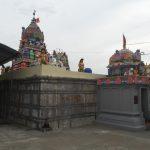
2017-08-14 (3), Choleeswarar Temple, Arcot Kuppam, Thiruvallur
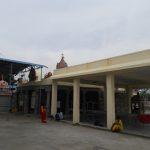
2017-08-14 (1), Choleeswarar Temple, Arcot Kuppam, Thiruvallur
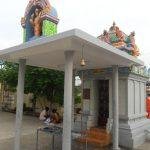
64564564576457, Choleeswarar Temple, Arcot Kuppam, Thiruvallur
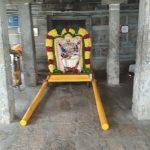
IMG_20170930_092535, Choleeswarar Temple, Arcot Kuppam, Thiruvallur
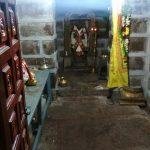
IMG_20170930_092754, Choleeswarar Temple, Arcot Kuppam, Thiruvallur
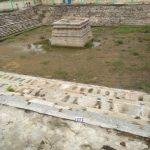
IMG_20170930_093232, Choleeswarar Temple, Arcot Kuppam, Thiruvallur
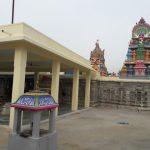
2017-08-14 (5), Choleeswarar Temple, Arcot Kuppam, Thiruvallur

Choleeswarar Temple, Arcot Kuppam, Thiruvallur
Frequently Asked Questions (FAQ)
Is there a VIP darshan entry at Choleeswarar Temple?
While the temple does not have a formal online VIP ticketing system common in major shrines, local priests can often facilitate a faster entry for large groups or special donations. It is recommended to contact the temple administration in advance.
What is the significance of the Navagraha shrine here?
The Navagraha shrine is particularly powerful here. Worshipping the nine planets is believed to mitigate astrological afflictions, specifically the adverse effects of Rahu and Ketu.
📖 Related: Veda Narayana Perumal Temple: History, Darshan Timings & Guide
Are there accommodation facilities near the temple?
Basic lodges are available in Thiruvallur town and Thiruthani. For better amenities and hotels, travelers usually stay in Chennai or Kanchipuram, which are within a 2-hour drive.
Can I perform rituals for deceased ancestors?
Yes, the temple is a popular spot for performing Tharpanam rituals. The serene atmosphere and the presence of Shiva make it suitable for honoring ancestors.
What is the best time of year to visit?
The ideal time is between November and February when the weather in Tamil Nadu is pleasant. However, Maha Shivaratri (March 2026) offers the most vibrant spiritual atmosphere.