Keesaragutta Temple History and Darshan Timings | Complete Guide
Receive daily temple updates, divine darshan, and morning bhajans directly on WhatsApp.
Contents
- 1 Introduction & Spiritual Essence
- 2 Historical Origins & Scriptural Legend
- 3 Architectural Marvels
- 4 Darshan & Ritual Logistics
- 5 Photo Gallery
- 6 Practical Visitor Guidance
- 7 Pilgrimage Connectivity
- 8 Frequently Asked Questions (FAQ)
- 8.1 1. Is there a VIP Darshan entry available?
- 8.2 2. Can we perform naming ceremonies or Mundan (hair shaving) here?
- 8.3 3. Is there accommodation available at Keesaragutta?
- 8.4 4. What are the special rituals on Mondays? Mondays are highly significant for Lord Shiva. The temple performs a special Abhishekam with milk, honey, and sugar. The evening arati on Mondays is elaborate and attracts a large number of devotees. 5. Is it safe to visit during the monsoon?
Authored by: Lead Heritage Architect, bharattemples.com
Introduction & Spiritual Essence
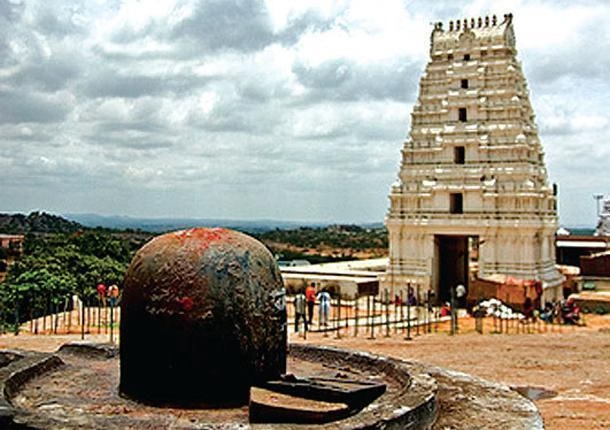
Nestled atop a serene hillock in the heart of Telangana, the Keesaragutta Temple (also known as Sri Ramalingeshwara Swamy Temple) stands as a timeless testament to devotion, celestial events, and Dravidian architectural grandeur. Dedicated primarily to Lord Shiva in his form as Ramalingeshwara, the temple complex also houses sanctums for Bhavani and Sivadurga.
Phalaśruti (Spiritual Benefits): Devotees flock here to offer prayers believing that the Swayambhu (self-manifested) lingam holds immense potency. It is widely believed that worshipping here cleanses ancestral karma and absolves sins accumulated through past deeds. The temple is particularly revered for fulfilling the desires of childless couples and bringing peace to troubled minds.
Historical Origins & Scriptural Legend
While the temple has undergone renovations over the centuries, its spiritual origin is rooted in the epic Ramayana. According to temple records and local folklore, the installation of the lingam is attributed to Lord Rama himself.
The Legend of Rama and Hanuman:
Tradition holds that Lord Rama installed the Siva Lingam here to atone for the sin of killing Ravana, a Brahmin (Brahmahatya). Rama chose this picturesque valley, surrounded by lush green hills, for the ritual. He tasked Lord Hanuman with fetching a Siva Lingam from Mount Kailash or Varanasi.
📖 Related: Golu Devta Temple Almora: History, Timings & Justice Darshan Guide
However, Hanuman, faced with delays in his journey, arrived after the auspicious Muhurta had passed. To ensure the ritual proceeded without delay, Lord Shiva appeared before Rama and presented a Swayambhu Lingam for immediate installation. This sacred lingam is now worshipped as Sri Ramalingeshwara Swamy.
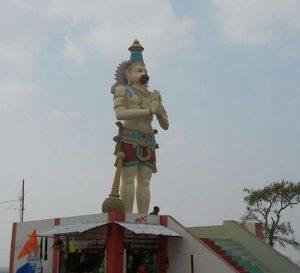
When Hanuman returned with 101 lingams to select one, he found that his had not been chosen. In disappointment, he threw the lingams across the hills; several are still scattered in the vicinity of the temple. To console Hanuman, Lord Rama ordained that Hanuman (the son of Kesari) would be the Moola Brahma (primary deity) for the first Prasadam of the day, and the hill was named Kesarigiri, which later evolved into Keesara.
Architectural Marvels
The temple is a masterpiece of Dravidian architecture. The structure is built using intricately carved sandstone, typical of the Vijayanagara era, though the origins trace back to mythological times. The main sanctum (Garbhagriha) houses the Swayambhu Lingam, which faces east.
- The Mandapas: The temple features spacious Mandapas (pillared halls) with sculpted columns depicting various forms of Shiva and scenes from the epics.
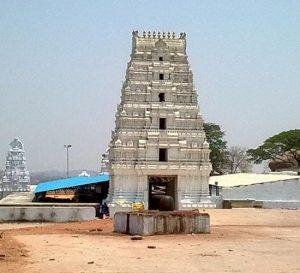
- Shikhara: The tower above the sanctum follows the Dravidian style, adorned with miniature niches and Kalashas.
- Surroundings: The temple is fortified by a compound wall, and a large Pushkarini (sacred tank) is located at the foot of the hillock, utilized for ritual purification before climbing the stairs to the main temple.
Darshan & Ritual Logistics
Devotees visiting Keesaragutta are expected to climb a flight of steps (approx. 500) leading to the hilltop temple. Alternatively, a ghat road is available for vehicles, particularly for senior citizens and those with limited mobility.
Daily Temple Timings (2026 Schedule)
Timings may vary slightly during festivals. Note that the temple remains closed on weekdays (typically Tuesday and Thursday) for cleaning and rituals in some local calendars, but generally operates daily.
| Session | Timing | Activity |
|---|---|---|
| Morning | 06:00 AM – 12:00 PM | Suprabhatam, Abhishekam, Darshan |
| Afternoon | 12:00 PM – 03:00 PM | Closed for Naivedyam |
| Evening | 04:00 PM – 08:00 PM | Evening Arati, Darshan |
📖 Related: Gokarna Mahabaleshwara Temple: History, Timings & Pilgrimage Guide
Key Sevas & Booking
Devotees can perform specific Sevas to invoke blessings. Online Seva Booking is generally facilitated via the Telangana Endowments Department portal.
- Rudrabhishekam: Performed on all days except Mondays and Fridays. Timings: 7:00 AM to 10:00 AM.
- Kumkumarchana: Performed for Goddess Bhavani. Daily.
- Sri Ramalingeshwara Maha Puja: Performed on full moon days (Pournami).
2026 Festival Highlights
- Maha Shivaratri (Feb 26, 2026): The grandest festival here. The temple remains open for 24 hours. Special alankarams and vast crowds are expected.
- Karthika Masam (Nov 2026): Deepotsavams (lamp lighting) are performed daily during this month.
- Sravana Masam: Special Abhishekams performed every Monday with milk and honey.
Photo Gallery
keesaragutta-temple-img6, Keesaragutta Temple, Medchal-Malkajgir, Telagana
keesaragutta-temple-img4, Keesaragutta Temple, Medchal-Malkajgir, Telagana
keesaragutta-temple-hyderabad-tourism-entryfee-timings-package-tour
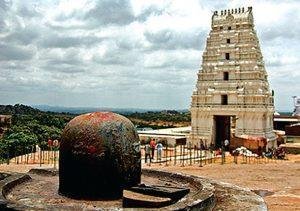
Keesaragutta-Temple, Keesaragutta Temple, Medchal-Malkajgir, Telagana
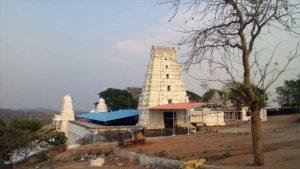
maxresdefault (75), Keesaragutta Temple, Medchal-Malkajgir, Telagana
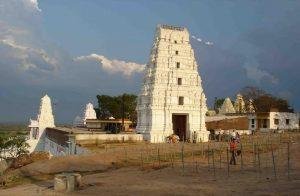
Keesaragutta Temple Hyderabad, Keesaragutta Temple, Medchal-Malkajgir, Telagana
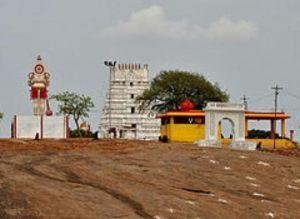
keesarguuta-temple-outside, Keesaragutta Temple, Medchal-Malkajgir, Telagana
Practical Visitor Guidance
Rules & Etiquette
- Dress Code: Traditional attire is mandatory. Men should wear Dhoti/Pants with a shirt; Women should wear Saree or Salwar Kameez.
- Footwear: Shoes and sandals must be removed at the designated counters at the base of the hill.
- Photography: Strictly prohibited inside the sanctum sanctorum. Photography is allowed in the outer courtyards.
- Luggage: Mobile phones and bags are allowed but must be carried carefully. There are locker facilities available at the foothill entrance.
Crowd Management
- Best Hours: Weekday mornings (Tuesday–Thursday) are least crowded. Avoid weekends (Saturday-Sunday) and festival days unless participating in specific events.
- Seasonal Advice: During summer (April–May), the steps get hot; carry a water bottle and wear socks. During Karthika Masam, expect crowds in the evenings.
- Accessibility: The ghat road is open for cars and bikes. However, the final approach to the temple requires walking. Wheelchairs are available upon request at the entrance office.
Pilgrimage Connectivity
The temple is located approximately 30 km from Hyderabad city center, making it an ideal day trip.
How to Reach
- By Road: From Hyderabad, take the NH 163 (Hyderabad – Dharmavaram Highway). The diversion towards Keesaragutta is well-marked near Shameerpet. TSRTC runs regular buses from ECIL X Roads and Koti.
- By Rail: The nearest railway station is Secunderabad Junction (approx. 25 km) or Ghatkesar (approx. 18 km).
- By Air: Rajiv Gandhi International Airport (HYD) is the nearest airport, roughly 45 km away.
📖 Related: Vedapureeswarar Temple History & Darshan Timings | Puducherry
Nearby Sacred Sites (Pilgrimage Circuit)
Expand your spiritual journey by visiting these nearby locations:
- Bhadrakali Temple, Medchal: A powerful deity shrine located about 12 km away.
- Alankrita Lake Resort (Patancheru): A serene spot for relaxation after temple visits (approx. 20 km).
- Koti Lingala: Another ancient Shiva temple on the banks of the Musi River, famous for its pristine environment.
Frequently Asked Questions (FAQ)
1. Is there a VIP Darshan entry available?
While there is no separate VIP ticket usually, devotees who book specific Sevas (like Rudrabhishekam) are allowed priority entry into the sanctum during the performance of the ritual. Senior citizens and differently-abled visitors are also allowed priority access through a separate queue.
2. Can we perform naming ceremonies or Mundan (hair shaving) here?
Yes, the temple has facilities for Mundan and naming ceremonies. It is advisable to contact the temple office 2-3 days in advance to arrange the necessary priests and materials.
3. Is there accommodation available at Keesaragutta?
The temple has limited guest houses (Choultry) at the foothill for pilgrims coming from far-off places. However, rooms are allocated based on availability. For guaranteed stays, Hyderabad hotels are recommended.
4. What are the special rituals on Mondays?
Mondays are highly significant for Lord Shiva. The temple performs a special Abhishekam with milk, honey, and sugar. The evening arati on Mondays is elaborate and attracts a large number of devotees.
5. Is it safe to visit during the monsoon?
Yes, the temple is safe. However, the steps can become slippery during heavy rains. The administration typically provides non-slip mats. Visiting by car via the ghat road is recommended during heavy downpours.
Official Address & Contact:
Sri Ramalingeshwara Swamy Temple,
Keesaragutta, Medchal-Malkajgiri District,
Telangana, India.
Note: While standard contact numbers exist, devotees are advised to call the official Telangana Endowments Department helpline for the most current updates on 2026 schedules.