Krishneswar Temple Varanasi: History, Timings & Complete Pilgrimage Guide
Receive daily temple updates, divine darshan, and morning bhajans directly on WhatsApp.
Contents
- 1 Definitive Pilgrimage Guide: Krishneswar Temple, Varanasi
Definitive Pilgrimage Guide: Krishneswar Temple, Varanasi
Welcome to the spiritual embrace of Krishneswar Temple, one of the hidden gems of the ancient city of Kashi. As the Lead Heritage Architect for BharatTemples.com, I invite you to explore this sacred shrine where the divine energy of Lord Shiva intertwines with the divine play of Lord Krishna. This guide is designed to help pilgrims navigate the spiritual and logistical nuances of visiting this ancient temple.
Introduction & Spiritual Essence
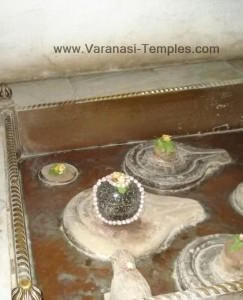
The Krishneswar Temple is dedicated to Lord Shiva in his form as Krishneswar. The primary deity here is a Swayambhu (self-manifested) Shiv Ling that faces the East. In the complex spiritual geography of Varanasi, this temple holds a unique place.
Phalaśruti: The Spiritual Benefits
According to the sacred texts of Kashi Khand, the spiritual rewards for worshipping Krishneswar are profound. The Phalaśruti (scriptural promise of merit) states that devotees who offer sincere prayers here will attain Vishnu Lok after death—the celestial abode of Lord Vishnu.
Why do devotees visit?
- To seek Moksha (liberation) through the combined grace of Shiva and Vishnu.
- To cleanse ancestral karma and ensure a peaceful afterlife for their lineage.
- To resolve obstacles related to career and spiritual growth.
📖 Related: Vamadeveshwar Temple: Kashi Khand Legend, Darshan Timings & Guide
Historical Origins & Scriptural Legend
The origins of Krishneswar Temple are deeply rooted in the mythological texts of the Kashi Khand of the Skanda Purana.
Scriptural Legend (Sthala Purana)
Tradition holds that this temple was established based on a narrative from Kashi Khand, Chapter 97. In this dialogue, Lord Shiva narrates to Goddess Parvati the locations of various deities, Shiva Lings, and sacred teerths (ponds) spread across the expanse of Kashi. He reveals the existence of the Krishneshwar Ling, a site where his benevolent energy resides.
According to temple records and local oral history, the temple sits in the vicinity of Vasishteshwar, reinforcing the ancient heritage of this specific gali (lane) in Varanasi.
Architectural Marvels
While the exact century of construction is not explicitly documented in modern records, the temple’s layout reflects the traditional Kashi Naagar architectural style adapted to the dense urban fabric of Varanasi.
Structure and Design
The temple is integrated into the outer wall of the larger Sankata Devi Temple complex. Key architectural elements include:
- Garbhagriha (Sanctum Sanctorum): The inner shrine houses the East-facing Shiv Ling.
- Shikhara (Tower): Likely a Nagara style spire, intricately carved with motifs common to Varanasi temples.
- Preservation: The temple stands as a testament to the resilience of Varanasi’s heritage, maintaining its sanctity amidst the bustling lanes of Chowk.
Darshan & Ritual Logistics
To ensure a smooth spiritual journey, we have compiled the daily schedule and key ritual information. Please note that timings may vary slightly during festivals.
Daily Darshan Timings (2026)
| Session | Opening Time | Closing Time |
|---|---|---|
| Morning | 05:00 AM | 12:00 PM |
| Evening | 04:00 PM | 09:00 PM |
Sevas and Offerings
Devotees can participate in several rituals to enhance their pilgrimage experience:
- Abhishekam: Ritual bathing of the Shiv Ling with water, milk, and honey.
- Archana: Recitation of names (Namasmaraṇa).
- Special Pujas: Performed during Pradosh Kaal (twilight).
Online Seva Booking
In 2026, the Kashi Vishwanath Corridor administration has streamlined offerings for smaller shrines. Pilgrims can book online seva via the official Kashi Vishwanath Temple Trust portal or via WhatsApp services provided by local pujaris. (Search: “Krishneswar Temple online seva booking”).
📖 Related: Swarg Dwareshwar Temple Varanasi: History, Darshan Timings & Complete Guide
Festival Dates 2026
Plan your visit around these auspicious dates:
- Maha Shivaratri: February 26, 2026
- Shravan Month: July 14 – August 12, 2026 (Peak pilgrimage season)
- Janmashtami: September 5, 2026 (Celebrating Lord Krishna, the namesake of the deity)
- Kartik Purnima: November 5, 2026
Practical Visitor Guidance
Varanasi is an ancient city, and visiting the inner lanes requires preparation.
Visitor Etiquette & Rules
- Dress Code: Traditional modest attire is recommended. Men should wear dhoti/kurta or trousers; women should wear saree/salwar kameez.
- Footwear: Shoes are strictly prohibited inside the sanctum. Designated shoe racks are available near the Sankata Devi entrance.
- Photography: Photography is prohibited inside the Garbhagriha. Photography is allowed in the outer mandapa, but flash is discouraged.
- Mobile Phones: Please keep phones on silent. Lockers are available near the main gate of the Sankata Devi complex.
- Accessibility: Due to the narrow lanes of Chowk, the temple is not wheelchair accessible. The approach involves walking on uneven cobblestones.
Crowd Management & Seasonal Advice
- Best Hours: The quietest time for Darshan is between 7:00 AM and 10:00 AM.
- Summer (May-June): Temperatures can exceed 40°C. Carry a water bottle, wear a hat, and use sunscreen. Early morning visits are crucial.
- Monsoon (July-September): The lanes can be slippery. Wear rubber-soled sandals with good grip.
Pilgrimage Connectivity
Reaching Krishneswar Temple requires navigating the historic lanes of Varanasi.
How to Reach
Location: No. Ck.7/159, Outer wall of Sankata Devi Temple, Chowk, Varanasi.
- By Air: Lal Bahadur Shastri International Airport (VNS) is approximately 25 km away. A taxi to Godaulia or Kashi Vishwanath Temple takes about 60-75 minutes.
- By Rail: Varanasi Junction (BSB) is the major railway station, roughly 6 km (30 mins) from the temple. Auto-rickshaws are easily available.
- By Road: The temple is connected via NH-19 and NH-35. You can drive up to the Sankata Ghat parking area.
📖 Related: Parvateshwar Temple, Varanasi: History, Timings & Complete Guide
The Approach Route
- By Rickshaw: Travel up to Chowk. From there, walk on foot through the main market towards the Sankata Devi Temple. The Krishneswar Temple is located on the outer wall of the Sankata complex.
- By Boat: Take a boat to Sankata Ghat. Climb the steps (Ghats) towards the city. The temple is a short walk inland.
Nearby Sacred Sites (Pilgrimage Circuit)
Make the most of your visit by exploring the surrounding deities mentioned in the local legends:
- Sankata Devi Temple: Dedicated to the Goddess of overcoming obstacles, located in the same complex.
- Harishchandreshwar Temple: An ancient Shiva Ling opposite Krishneswar, known for its connection to King Harishchandra.
- Kashi Vishwanath Temple: The primary Jyotirlinga, located approximately 1 km from Chowk (15-20 minute walk).
Frequently Asked Questions (FAQ)
1. Is there a VIP Darshan entry at Krishneswar Temple?
As Krishneswar is part of the smaller shrines in the Kashi Vishwanath Corridor, there is no separate VIP gate like the main temple. However, visiting early in the morning provides a swift and serene darshan.
2. What is the significance of the East-facing Shiv Ling?
In Vastu Shastra, an East-facing deity receives the first rays of the Sun (Surya), symbolizing vitality, enlightenment, and prosperity.
3. Can I offer milk Abhishekam myself?
Yes, you can bring milk. However, for a hassle-free ritual, it is recommended to purchase a small Abhishekam packet from the Pujari at the temple entrance, who will perform the ritual on your behalf.
4. What is the pin code or exact address?
The general area is Chowk, Varanasi. The local pin code is 221001. For navigation, search for “Sankata Devi Temple, Varanasi”.
5. Are there dining options nearby?
Yes, the area is famous for street food. Post darshan, you can visit the famous shops near Chowk for Kachori, Jalebi, and traditional Banarasi Thalis.