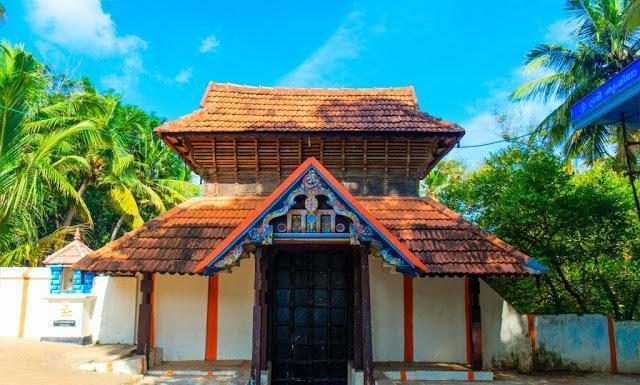
6t4564765875, Meenachal Krishna Swamy Temple, Padanthalumoodu, Kanyakumari

Meenachal Krishna Swamy Temple: A Definitive Pilgrimage Guide

Nestled in the serene landscapes of Padanthalumoodu, Kanyakumari district, the Meenachal Krishna Swamy Temple stands as a testament to the enduring spiritual heritage of Southern Tamil Nadu. Dedicated to Lord Krishna, an avatar of Vishnu, this temple invites devotees into a space of profound tranquility and divine grace. As we approach 2026, this guide serves as your comprehensive resource for planning a spiritually fulfilling visit, covering the temple’s history, architectural grandeur, and logistical details.

Introduction & Spiritual Essence

The primary deity of this sacred shrine is Meenachal Krishna Swamy, revered as Lord Vishnu in his enchanting Krishna form. In local tradition, the temple is also affectionately known as the Meenakshi Sundareswarar Temple, signifying the harmonious union of Vishnu (Krishna) and his consort, Goddess Meenakshi. The deity is enshrined in a standing posture (Nindra Thirukkolam), facing east, radiating benevolence to all devotees.

Phalaśruti: The Spiritual Benefits

Devotees flock to the Meenachal Krishna Swamy Temple seeking specific blessings known as Phalaśruti (spiritual benefits). According to local belief and temple traditions:

  • Removal of Doshas: Devotees believe that performing specific sevas here helps cleanse ancestral karma and eliminate afflictions caused by planetary imbalances, particularly those related to Rahu and Ketu.
  • Harmonious Relationships: Couples and families visit to seek blessings for unity and prosperity.
  • Divine Grace: Regular darshan is believed to invoke the protective grace of Lord Krishna, safeguarding devotees from misfortune.
See also  Kamakshi Amman Temple Mangadu: History, Darshan Timings & Six-Week Ritual

Historical Origins & Scriptural Legend

While the exact architectural date is a matter of historical study, the temple’s roots are deeply embedded in the Dravidian cultural fabric of the Kanyakumari region. The structure reflects the stylistic evolution typical of the Pandya and Nayak eras, which heavily influenced temple construction in Southern Tamil Nadu.

Sthala Purana & Local Legends

Tradition holds that the site of Padanthalumoodu was once a dense forest of Meenachil (specific flora associated with water bodies), where Lord Krishna appeared as a self-manifested (Swayambhu) deity. The name “Meenachal” is often linked to the Goddess Meenakshi, suggesting a local legend where Lord Krishna is worshipped as the consort of the Meenakshi Amman of Madurai, establishing a spiritual link between the two regions.

Architectural Marvels

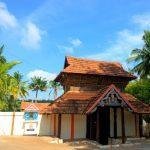
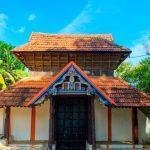
The Meenachal Krishna Swamy Temple is a fine example of Dravidian Architecture, characterized by its towering Gopurams (gateway towers) and intricate sculptural work.

Style and Vastu Shastra

Following the principles of Vastu Shastra, the temple is oriented with the sanctum sanctorum (Garbhagriha) aligned eastwards, allowing the first rays of the sun to illuminate the deity during morning rituals. The layout includes:

  • Shikhara/Vimana: The main tower over the sanctum displays the tiered, pyramid-like structure typical of Dravida style.
  • Mandapas: The pillared hall allows devotees to gather for prayers and rituals, featuring carved columns depicting scenes from Hindu epics.

Gallery

Darshan & Ritual Logistics (2026 Guide)

Planning your visit requires attention to the daily schedule and special festivals. Below are the standard timings; however, visitors are advised to confirm via the official contact number before travel, as schedules may change during festival seasons.

Daily Timings

SessionTimingActivity
Morning6:00 AM – 12:00 PMAbhishekam, Ushakalam Pooja
Afternoon12:00 PM – 4:00 PMTemple Closure (Raja Alankaram)
Evening4:00 PM – 8:00 PMDeeparadhana, Sayalakshmi Pooja

Key Sevas & Online Booking

Devotees can perform various Sevas to Lord Meenachal Krishna Swamy:

  • Abhishekam: Ritual bathing of the deity (usually performed in the morning).
  • Archana: Recitation of names (can be done individually or for families).
  • Special Vishti: Extended darshan duration.
See also  Dharmasastha Temple Kaithapuram: History, Timings & Darshan Guide

Online Booking: As of 2026, Tamil Nadu HR&CE (Hindu Religious and Charitable Endowments) Department typically manages online bookings for major temples. While Padanthalumoodu is a local temple, check the Tamil Nadu Tourism portal or the specific HR&CE portal for “Meenachal Krishna Swamy Temple” updates.

2026 Festival Calendar

Major festivals are celebrated with grandeur. Mark your calendar for:

  • Janmashtami (Birth of Lord Krishna): August 14-15, 2026. Special night-long vigil and offerings.
  • Vaikuntha Ekadashi: January 10, 2026. A significant day for Vishnu devotees, opening the “Vaikuntha Dwaram.”
  • Brahmotsavam: Typically held in April/May (dates depend on the Tamil calendar).
  • Deepavali: November 1, 2026. Special lighting and poojas.

Practical Visitor Guidance

To ensure a smooth visit, please adhere to the following guidelines:

Code of Conduct

  • Dress Code: Traditional attire is mandatory. Men should wear dhotis or pants with shirts; women should wear sarees, salwars, or churidars. Avoid shorts and sleeveless tops.
  • Photography: Photography is strictly prohibited inside the sanctum sanctorum. Restricted photography may be allowed in the outer precincts; please seek permission from temple authorities.
  • Mobile Phones: Electronic devices should be silenced. Lockers are generally available near the entrance for storing phones and bags, though it is advisable to carry minimal belongings.

Crowd Management & Accessibility

  • Best Time to Visit: Weekdays are quieter than weekends. Early mornings (6:00 AM – 8:00 AM) offer the most peaceful darshan.
  • Seasonal Advice: Kanyakumari has a tropical climate. In May, carry water bottles and a head covering. During the monsoon (October–November), carry an umbrella.
  • Accessibility: The temple complex is accessible by foot, but narrow pathways may pose challenges for wheelchair users. Contact the temple office for assistance.

Pilgrimage Connectivity

The temple is strategically located in the Kanyakumari district, making it accessible from major hubs in Tamil Nadu and Kerala.

How to Reach

  • By Air: The nearest airport is Trivandrum International Airport (TRV) in Kerala, approximately 40 km away (approx. 1 hour drive).
  • By Rail: The nearest major railway station is Kuzhithurai (approx. 4 km). Another nearby station is Nagercoil Junction (approx. 33 km).
  • By Road: The temple is located off the Kanyakumari – Trivandrum National Highway (NH 66). It is 2.5 km from Kaliyakkavilai and 7 km from Marthandam. Buses are frequently available from Kuzhithurai and Kaliyakkavilai.
See also  Aramvalartha Eswarar Temple History & Darshan Timings: Kanchipuram Pilgrimage Guide

Nearby Sacred Sites (Pilgrimage Circuit)

Enhance your spiritual journey by visiting these nearby temples:

  1. Sthanumalayan Temple, Suchindram: Located roughly 20 km away, this temple is unique as it represents the trinity of Shiva, Vishnu, and Brahma.
  2. Bhagavathy Amman Temple, Kanyakumari: The famous Shakti shrine at the southernmost tip of India (approx. 60 km).
  3. Ugrathara Temple, Kuzhithurai: A Lord Shiva temple located just a few kilometers from the Meenachal temple.

Frequently Asked Questions (FAQs)

1. Is there a VIP Darshan entry available?

While special tickets for quick darshan may be available during regular days, VIP entry is generally reserved for specific festival days or with prior written permission from the HR&CE office. It is advisable to check with the temple executive officer upon arrival.

2. What are the accommodation options nearby?

There are no guest houses directly attached to the temple. However, budget lodges and hotels are available in Kuzhithurai (4 km) and Marthandam (7 km). For luxury stays, Nagercoil (33 km) offers more options.

3. Is non-vegetarian food allowed near the temple?

No. As this is a Vaishnava temple, the premises and immediate surroundings are strictly vegetarian zones. Alcohol and smoking are prohibited.

4. Can I perform ceremonies like tonsuring (Mundan) or Annaprasanam?

Yes, the temple has facilities for basic rituals. However, for elaborate ceremonies like Annaprasanam or marriages, it is recommended to book the Mandapa in advance and consult the priest (Gurukkal) for specific timings.

5. What is the contact number for the temple?

For the most current information regarding Seva availability or road conditions, please contact the Temple Executive Officer via the Tamil Nadu HR&CE Department’s regional office in Kanyakumari or Padanthalumoodu Panchayat.

Recent Posts

Mere Satguru Ne Di Thi Davai Lyrics in Hindi & Meaning

Mere Satguru Ne Di Thi Davai: Invoking the Guru’s Liberating Wisdom This soul-stirring bhajan venerates the Satguru (True Spiritual Master) as the divine physician who dispenses the only remedy for life’s deepest sufferings. Composed by Sant Karmaveer Tufani, it…

Janm Diyo Thari Maa Dukh Dekhiyo Lyrics in Hindi & Meaning

जन्म दियो थारी माँ दुख देखियो (Maa’s Grief Upon Birthing You) This soul-stirring Chetavani Bhajan (admonitory hymn) is addressed to the Divine Mother (Maa) – a call for repentance when children forget their filial duties in the dark age…

Bhadi Sabha Mein Thane Manaun Lyrics in Hindi & Meaning

Bhadi Sabha Mein Thane Manaun: Invoking the Spear-Wielding Mother Mata Bhawani (श्री ज्वाला भवानी), the fiery manifestation of Shakti worshipped as the Protector of Dharma in Her Dhaulagarh sanctum. Origin & Spiritual Essence Composed in Rajasthani folk tradition by…

Maat Meri Chintapurni Lyrics in Hindi & Meaning

Maat Meri Chintapurni is a heartfelt devotional prayer dedicated to Maa Chintapurni, a form of the Divine Mother. She is revered as the remover of worries and the granter of wishes, especially venerated in the Himalayan region of Himachal…

थारी रे नदियां का ढावा पे खीची राजा Lyrics & Meaning

खीची राजा का अद्भुत युद्ध: एक शौर्य गाथा यह भजन एक पौराणिक या ऐतिहासिक शूरवीर राजा की वीरता का वर्णन करता है, जो प्रायः गुजराती लोक संस्कृति में लोककथाओं का हिस्सा है। इसकी रचना दुर्गेश कटारा ने की है…