Paas Pani Vinayak Temple Varanasi: History, Timings & Complete Guide
Receive daily temple updates, divine darshan, and morning bhajans directly on WhatsApp.
Contents
- 1 Introduction & Spiritual Essence
- 2 Historical Origins & Scriptural Legend
- 3 Architectural Marvels
- 4 Darshan & Ritual Logistics
- 5 Practical Visitor Guidance
- 6 Pilgrimage Connectivity
Introduction & Spiritual Essence
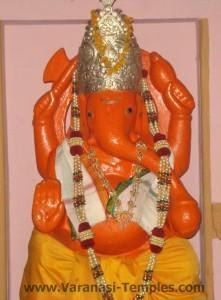
Deep within the spiritual embrace of Varanasi, amidst the vibrant lanes of the Cantonment area, stands the revered Paas Pani Vinayak Temple. Dedicated to Lord Ganesha, the remover of obstacles, this temple is a beacon of hope for devotees seeking smoothness in life’s journey. Known locally by devotees as a Swayambhu (self-manifested) abode of the divine, the temple houses the presiding deity, Paas Pani Vinayak. The name is etymologically rooted in the local dialect, suggesting a protective presence, perhaps related to the Paas (bond/fetter) or the sacred offering of water (Jal), symbolizing a Ganesha who grants liberation from the bonds of worldly suffering.
Phalaśruti: Why Do Devotees Visit?
The primary spiritual allure of Paas Pani Vinayak lies in its potent ability to clear paths. According to Sanatana Dharma traditions, worshipping Lord Ganesha before any auspicious venture ensures success.
- Removal of Obstacles: Devotees visit to seek blessings that remove hurdles from business, education, and personal life.
- Cleansing Ancestral Karma: Rituals performed here are believed to grant peace to ancestors, resolving lingering Pitra Dosh (ancestral debt).
- Smoothing Life’s Path: As the name suggests, worshipping here is said to “smoothen” turbulent phases of life, bringing stability and calm.
Historical Origins & Scriptural Legend
While specific architectural inscriptions regarding the exact century of construction are limited in public archives, the Paas Pani Vinayak Temple is woven into the historical fabric of Varanasi’s Cantonment region. This area developed significantly during the British colonial era, yet the spiritual roots likely extend much deeper, likely preceding the modern layout of Sadar Bazar.
📖 Related: Pasupateshwar Temple, Varanasi: History, Timings & Complete Guide
Local Legends and Sthala Purana
Tradition holds that the temple originated from a manifestation of Lord Ganesha intended to protect the local populace. Varanasi is known as the city of Shiva, and Ganesha, as the son of Shiva and Parvati, holds a special place here. The local oral history suggests that the deity “Paas Pani” represents a unique form of Ganesha linked to the protective waters of the Ganges, symbolizing the flow of grace.
According to temple records and local priests, including Shri Nanhe Choubey and Sujit Kumar Pandey, the site has been a place of continuous worship for generations, serving as a spiritual anchor for the residents of the Cantonment area and visitors alike.
Architectural Marvels
The architecture of Paas Pani Vinayak Temple exemplifies the simplicity and sanctity characteristic of traditional Hindu shrines in Northern India. While it may not possess the colossal scale of major historic temples, its spiritual geometry is significant.
Style and Vastu Elements
The temple follows a vernacular Nagara-influenced style, common in North India. The structure is designed to align with Vastu Shastra principles, ensuring that the energy flow from the sanctum sanctorum (Garbhagriha) radiates positivity. The placement of the deity faces east, allowing the morning sun to fall upon the idol during the first Aarti.
Notable Features
The sanctum houses the idol of Paas Pani Vinayak, adorned with traditional Sindoor (vermilion) and fresh flowers. The architecture focuses on the intimacy of Darshan (viewing the deity), with a compact Mandapa (hall) allowing devotees to gather closely for prayers. The exterior walls, though modest, are marked by the traditional symbols of Ganesha—the Modak (sweet offering) and the Mouse (his vehicle).
Darshan & Ritual Logistics
Unlike many other temples in Varanasi, the Paas Pani Vinayak Temple is known for its accessibility, remaining practically open throughout the day for devotees to perform Pooja by themselves.
Daily Timings
The temple does not strictly adhere to rigid closing hours, allowing for spontaneous prayer. However, the most auspicious times for Darshan are during the morning and evening twilight.
📖 Related: Mahabal Narsimha Temple Varanasi: History, Darshan Timings & Guide
| Time Slot | Activity |
|---|---|
| 05:00 AM – 11:00 AM | Morning Darshan & Shringar |
| 11:00 AM – 04:00 PM | Open for Self-Pooja (Quiet Hours) |
| 04:00 PM – 08:30 PM | Evening Aarti & Darshan |
Key Sevas (Rituals)
Devotees can perform various rituals directly. The temple priests, available on-site, assist with:
- Abhishekam: Ritual bathing of the deity (usually with water, milk, and honey).
- Archana: Recitation of Ganesha’s 108 names.
- Modak Offering: Offering 21 sweet dumplings (modaks), a favorite of Lord Ganesha.
2026 Festival Dates
The temple becomes a hub of energy during key festivals. Mark your calendars for 2026:
- Ganesh Chaturthi: September 5, 2026 (Shukla Paksha Chaturthi).
- Sankashti Chaturthi: Every month (e.g., February 17, July 28, 2026).
Note on Online Seva Booking: As a local shrine, centralized online booking may not be available. It is recommended to visit the temple directly or contact the priests listed in the contact details section for arranging specific Sevas in advance.
Practical Visitor Guidance
Visiting Varanasi requires preparation. Here is what you need to know to ensure a seamless spiritual experience at Paas Pani Vinayak.
Rules & Etiquette
- Dress Code: Traditional Indian attire is preferred. Men should wear dhotis or trousers, and women should wear sarees or modest dresses. Avoid shorts and sleeveless tops.
- Photography: Photography is generally permitted in the outer premises, but strictly prohibited inside the sanctum sanctorum. Please maintain reverence.
- Mobile & Lockers: The temple is a small shrine without dedicated locker facilities. It is advisable to keep phones on silent and carry minimal luggage.
- Accessibility: The temple is located in Sadar Bazar, which has a narrow approach. It is accessible by foot and rickshaw but may be difficult for wheelchairs due to uneven paving.
Crowd Management
- Best Hours: Weekday mornings (7 AM – 9 AM) offer the most peaceful Darshan.
- Seasonal Advice: Varanasi summers (May-June) are scorching. Carry a water bottle and a head covering. Winters (November-February) are pleasant and ideal for visiting.
Pilgrimage Connectivity
Paas Pani Vinayak is strategically located in the Cantonment area, making it well-connected yet distinct from the chaos of the old city.
📖 Related: Divodaseshwar Temple, Varanasi: History, Darshan Timings & Complete Guide
How to Reach
- Nearest Airport: Varanasi Lal Bahadur Shastri International Airport (VNS) is approximately 25 km away (30-45 mins by taxi).
- Nearest Railway Station: Varanasi Junction (BSB) is about 5-6 km away. Rickshaws are readily available.
- By Road: The temple is located on Cariappa Marg (via Sadar Bazar). From the main Cantonment area, take the road past Radisson Hotel and JHV Mall. Look for the signage for “Bheeshma Chandi Devi Temple”; Paas Pani Vinayak is on the right side of the road before taking that turn.
Nearby Sacred Sites
Enhance your pilgrimage by visiting these nearby spiritual centers:
- Bheeshma Chandi Devi Temple: Located very close to Paas Pani Vinayak, this temple is dedicated to the warrior-grandfather Bheeshma and Goddess Chandi.
- Sankat Mochan Hanuman Temple: A short drive away, this is one of India’s most famous Hanuman temples, founded by Tulsidas.
- Durga Temple (Durga Kund): A vibrant red temple dedicated to Goddess Durga, showcasing classic Nagara architecture.
Frequently Asked Questions (FAQ)
Is there a VIP darshan entry?
No, Paas Pani Vinayak is a community-focused temple. Darshan is open to all devotees equally. However, visiting during non-peak hours (early morning) serves as a VIP experience with minimal crowd.
What is the best way to find the temple?
Use the reference point of Sadar Bazar and Cariappa Marg. Look for the stone slab on the road indicating the temple. Auto-rickshaw drivers familiar with the Cantonment area will know the location.
Can I offer food (Prasad) to the deity?
Yes. Devotees typically offer Modaks, Ladoos, or fruits. It is recommended to bring unopened, fresh items. The temple priests will accept the offering and perform the necessary rituals.
Is there an entry fee?
No, there is no entry fee for general Darshan. Donations for the temple’s maintenance are accepted but not mandatory.
What are the contact details for the temple?
The temple is managed by local priests. While a direct contact number for the shrine is not universally listed, you can seek assistance from Shri Nanhe Choubey or Sujit Kumar Pandey at the temple premises in Sadar Bazar, Varanasi.