Punnainallur Mariamman Temple: History, Darshan Timings & Guide
Receive daily temple updates, divine darshan, and morning bhajans directly on WhatsApp.
Contents
- 1 Introduction & Spiritual Essence
- 2 Historical Origins & Scriptural Legend
- 3 Architectural Marvels
- 4 Darshan & Ritual Logistics
- 5 Practical Visitor Guidance
- 6 Pilgrimage Connectivity
- 7 Frequently Asked Questions (FAQ)
- 8 Photo Gallery
- 9 Official Address
Introduction & Spiritual Essence
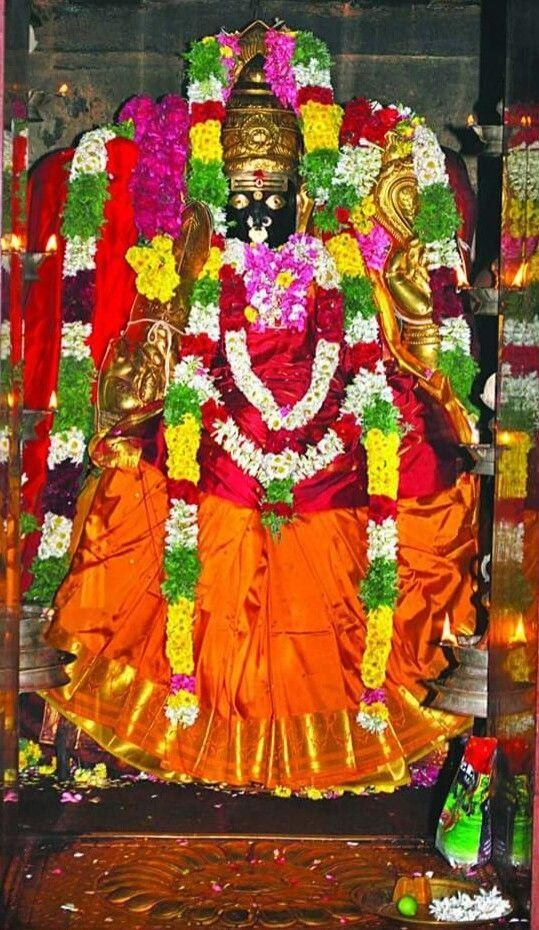
Amidst the cultural vibrancy of Thanjavur, the Punnainallur Mariamman Temple stands as a beacon of divine grace and healing. Dedicated to Marriamman, a fierce yet benevolent manifestation of the Goddess Parvati (specifically associated with rain, fertility, and curing diseases like smallpox), this temple is a premier center of Shakthi worship in Tamil Nadu. The temple is revered not only for its historical lineage but for the palpable spiritual energy that draws devotees from across the globe.
Phalaśruti (Spiritual Benefits): Devotees visit the Punnainallur Mariamman Temple primarily for relief from afflictions and the cleansing of ancestral karma. The Goddess here is believed to possess the power to cure chronic illnesses and ward off evil influences. It is widely held that offering sincere prayers at this shrine grants protection against planetary afflictions (Doshas) and ensures family prosperity.
Historical Origins & Scriptural Legend
The history of the Punnainallur Mariamman Temple is deeply intertwined with the Maratha rulers of Thanjavur. According to temple records and local oral tradition, the origins date back to the late 17th century.
The Vision of King Venkoji: In approximately 1680 AD, Venkoji Maharaja Chatrapati (the half-brother of the legendary Chhatrapati Shivaji Maharaj) was on a pilgrimage to Samayapuram. During this journey, the Goddess appeared to the King in a dream, revealing that her idol lay buried in a Punna (Sanskrit: Chandana) forest located three miles from Thanjavur.
Acting immediately on this divine directive, the King rushed to the spot and unearthed the idol. A temple was constructed at this site, which was named “Punnainallur” (The Village of the Punna Tree). Tradition holds that the deity is so potent that the daughter of Tulaja Raja (1729–35), who had lost her eyesight due to illness, miraculously regained it after worshiping here.
📖 Related: Rishikesh Temples Guide: History, Darshan Timings & Complete Pilgrimage Info
The Sthala Purana: Originally, the deity was in the form of a white-ant hill (Putru). The renowned saint Sadhasiva Brahmendra performed penance here and is credited with shaping the ant hill into the recognizable form of Mariamman. He also installed a powerful Sri Chakra within the sanctum, infusing the idol with immense energy.
Architectural Marvels
The Punnainallur Mariamman Temple is a classic example of Dravidian temple architecture, characterized by its towering Gopurams (gateway towers) and intricate carvings. Unlike the Nagara style of the North, this temple follows the Vastu Shastra principles typical of South Indian Vaastu, focusing on the cardinal alignment to maximize solar energy and spiritual vibrations.
Key Architectural Features:
- The Rajagopuram: The main gateway is a multi-tiered structure adorned with colorful statues of deities and mythological figures, serving as a visual prologue to the spiritual experience inside.
- The Sanctum Sanctorum (Garbhagriha): The inner shrine houses the main deity, Mariamman, facing East. The architecture ensures that the first rays of the rising sun illuminate the idol during specific times of the year.
- Mandapas: The temple features several pillared halls (Mandapas) used for religious discourses and the performance of Nadaswaram (traditional wind instrument) concerts during festivals.
- Sculpture: The pillars depict various avatars of Shiva and Vishnu, along with celestial nymphs, showcasing the artistic zenith of the Thanjavur art school.
Darshan & Ritual Logistics
Visiting the Punnainallur Mariamman Temple requires an understanding of the ritual schedules to make the most of your pilgrimage. Below are the general timings; however, devotees are advised to verify specific timings during festival seasons.
Daily Timings
| Session | Timing |
|---|---|
| Morning Darshan | 06:00 AM – 12:00 PM |
| Afternoon Break | 12:00 PM – 04:00 PM |
| Evening Darshan | 04:00 PM – 09:00 PM |
| Abhishekam Slots | 07:00 AM, 08:30 AM, 06:00 PM |
📖 Related: Tungnath Temple History and Darshan Timings: World’s Highest Shiva Temple Guide
Key Sevas & Online Booking
The temple administration has digitized several offerings. Devotees can now book online seva for the following rituals:
- Abhishekam: Ritual bathing of the deity with milk, honey, sandalwood paste, and turmeric. Best for: Removal of obstacles.
- Archana: Chanting of the Goddess’s 108 names. Best for: Personal petitions and wishes.
- Alankaram: Decorating the deity with silk flowers and jewelry.
- Deepa Aradhana: Offering of lamps.
Note: To book online seva, visit the official Tamil Nadu Temple Administration portal or the specific Punnainallur Mariamman trust website closer to your travel date.
2026 Festival Calendar
- Aadi Perukku: August 2026 (Dates based on Tamil Calendar). This is the most significant festival here, celebrating the water levels in the Cauvery river.
- Navarathri: October 2026. The temple is adorned with elaborate decorations, and special cultural programs are held.
- Karthigai Deepam: November 2026. Lighting of the sacred fire on the hilltop.
Practical Visitor Guidance
To ensure a smooth darshan experience, please adhere to the following guidelines:
- Dress Code: Traditional attire is mandatory. Men should wear Dhoti or formal pants with a shirt; women should wear Saree, Salwar Kameez, or traditional skirts and blouses. Avoid shorts and sleeveless tops.
- Photography & Mobiles: Photography is strictly prohibited inside the inner sanctum. Mobile phones must be switched to silent mode. Lockers are available near the entrance to store belongings.
- Crowd Management:
– Best Hours: Weekday mornings (8:00 AM – 10:00 AM) are the least crowded.
– Weekends: Expect heavy crowds; arrive before 6:00 AM. - Seasonal Advice: Thanjavur can be humid. Visit during the early morning or late evening. Carry water and a hand fan during May and June. Wear comfortable footwear as you may need to walk significant distances outside the temple complex.
Pilgrimage Connectivity
How to Reach
The temple is located on the outskirts of Thanjavur, approximately 5 km from the Old Bus Stand and 7 km from the New Bus Stand.
- By Air: The nearest airport is Tiruchirappalli International Airport (TRZ), located about 55 km away. From the airport, taxis and buses are available to Thanjavur.
- By Rail: Thanjavur Junction (TPJ) is the closest railway station, well-connected to major cities like Chennai, Madurai, and Tiruchirappalli.
- By Road: The temple is accessible via the Thanjavur – Kumbakonam Highway (SH-69). Regular city buses and auto-rickshaws ply from the city center to Punnainallur.
📖 Related: Gokarna Mahabaleshwara Temple: History, Timings & Pilgrimage Guide
Nearby Sacred Sites
Enhance your pilgrimage by visiting these nearby spiritual landmarks:
- Brihadeeswarar Temple (Big Temple): A UNESCO World Heritage site located in the heart of Thanjavur (6 km away).
- Samayapuram Mariamman Temple: One of the most famous Amman temples in Tamil Nadu, located 20 km from Thanjavur.
- Thiruvaiyaru Panchanadeeswarar Temple: Known for its association with the Trinity of Carnatic music (13 km away).
Frequently Asked Questions (FAQ)
1. Is there a VIP darshan entry available?
Yes, the temple management provides a special darshan queue for senior citizens, differently-abled devotees, and for those who have booked special seva packages online. However, during peak festival times, this is subject to crowd levels.
2. What is the best time to visit Punnainallur Mariamman?
The ideal time is between October and March when the weather in Thanjavur is pleasant. However, for the most vibrant experience, visiting during Aadi (July-August) offers a deep dive into local culture.
3. Are there accommodation facilities nearby?
While there are no major hotels inside the temple complex, plenty of guest houses and budget hotels are available in Thanjavur city (5 km away). The Tamil Nadu Tourism Development Corporation (TTDC) hotel at Thanjavur is a reliable option.
4. Can I perform last rites or rituals for ancestors here?
Yes, Mariamman temples are traditionally associated with removing doshas and karmic blockages. Priests (Pandits) at the temple can perform specific Tharpanam (ancestral offerings) and homams for the peace of departed souls.
5. Is there a dress code for the Pongal festival?
Strict traditional dress code is enforced during major festivals like Pongal and Aadi. It is highly recommended to wear traditional Indian attire to respect the sanctity of the rituals.
Photo Gallery
Official Address
Punnainallur Mariamman Temple,Punnainallur, Thanjavur District,Tamil Nadu, India.