Raghaveswarar Temple Derisanamcope: History, Darshan Timings & Guide
Receive daily temple updates, divine darshan, and morning bhajans directly on WhatsApp.
Contents
- 1 The Definitive Pilgrimage Guide to Raghaveswarar Temple, Derisanamcope
The Definitive Pilgrimage Guide to Raghaveswarar Temple, Derisanamcope
By the Lead Heritage Architect & SEO Strategist at bharattemples.com
Welcome to the sacred village of Derisanamcope, a hidden spiritual jewel in the Kanyakumari district of Tamil Nadu. Here, amidst the lush greenery and the gentle flow of the Nanjil Nattu Gangai rivulet, stands the Raghaveswarar Temple—locally revered as “Periya Kovil.” This 1,500-word guide is engineered for the modern pilgrim of 2026, blending architectural analysis with devotional reverence.
1. Introduction & Spiritual Essence
The Raghaveswarar Temple is a unique convergence of Dravidian architectural grandeur and Kerala ritualistic tradition. It is a monument to Lord Shiva, where the Presiding Deity is Raghaveswarar (the Lord of Rama) and the Mother Goddess is Ulaga Nayaki Ammai.
Phalaśruti: The Benefits of Pilgrimage
Why do devotees undertake this journey to Derisanamcope? The temple holds immense spiritual potency:
- Cleansing Ancestral Karma: As this is a place associated with Lord Rama’s penance, a visit is believed to absolve the sins of the past lineage.
- Wealth and Prosperity: The shrine of Swarna Akarshana Bhairavar is located here. Worshipping him is believed to bestow financial stability and remove obstacles in business.
- Relief from Planetary Afflictions: Worshipping Ulaga Nayaki Ammai here offers benefits equivalent to a pilgrimage to the Papanasam temple.
2. Historical Origins & Scriptural Legend
The history of Raghaveswarar Temple is a tapestry of epic mythology and Chola royal patronage.
📖 Related: Adikesava Perumal Temple Sriperumpudur: History, Darshan Timings & Guide
The Ramayana Connection & Sthala Purana
According to local tradition, this site predates the more famous Rameswaram temple. When Lord Rama (Raghava) killed the demoness Thadaga (Surpanakha’s sister), he was afflicted by the Brahmahatya Dosha (the sin of killing a woman). Seeking purification, he worshipped Lord Shiva here before proceeding to Lanka. Thus, the deity is named Raghaveswarar, and the site is known as Adi Rameswaram (The First Rameswaram).
Etymology of Derisanamcope
The name Derisanamcope is a linguistic evolution of the Tamil phrase “Trisharam Korpu”. Legend holds that Lord Rama shot three arrows (Trisharam) to stitch (Korpu) the body of the demoness Thadaga together. This event gave the village its unique name.
Chola Patronage
While the temple style is Dravidian, specifically Tamil Nadu style, inscriptions found on site date back to the reign of the legendary Rajaraja Chola (10th Century CE). The inscriptions refer to the deity as “Cheeraghavan Iswaramudai Nayanar.” It is believed that the temple’s structure was modeled after the Thanjavur Brihadeeswarar Temple (Peruvudaiyar Kovil), though adapted over centuries.
3. Architectural Marvels
The temple is a textbook example of Dravidian architecture, adapted to the geography of the Kanyakumari district.
Dravidian Style & Vastu Elements
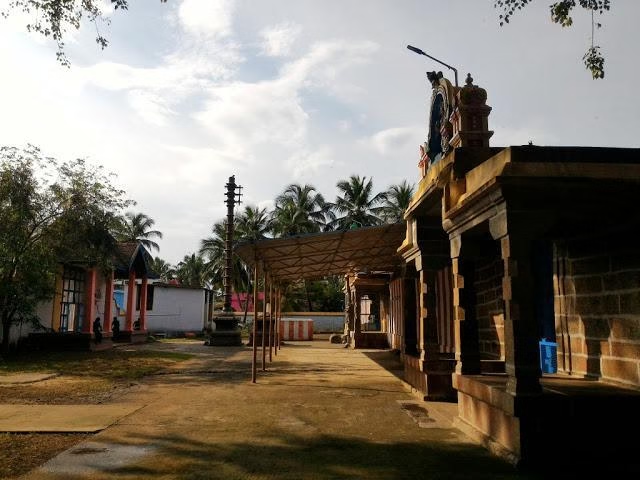
The temple faces East. Unlike many standard layouts, the sanctum sanctorum (Garbhagriha) and the shrine of Ulaga Nayaki Ammai are situated on a raised platform, requiring devotees to climb a short flight of stairs. This elevation creates a specific Vastu alignment that emphasizes the hierarchy of the divine.
The Shikhara and Mandapas
- Meru Shikhara: The roof above the main deity is designed in the shape of a Meru (cosmic mountain), distinct from the typical Vimana of Tamil temples.
- Inner Prakaram: This enclosure houses rare bronze idols of Aadalvallan, Sivagami, Chandrasekhara Murti, and Karaikkal Ammaiyar. A sculpture depicting Lord Rama killing Thadaga is prominently displayed in the Mahamandapam.
- Subsidiary Shrines: The temple is a “Somaskanda Sthalam,” featuring a shrine for Lord Subramanyar with Valli and Deivayanai between Shiva and Parvati. Shrines for Lord Dakshina Murti (Shiva as the Supreme Teacher) and Lord Chandeswara are also present.
Underground Tunnels
On the right side of the Ulaga Nayaki Ammai shrine, stairs lead down to an underground tunnel. Historically, this was used to hide temple treasures and idols during enemy invasions.
ASI and UNESCO Status
While the temple is a protected heritage site under the administration of the Archaeological Survey of India (ASI) and the Hindu Religious and Charitable Endowments (HR&CE) Department, it is not a UNESCO World Heritage site. However, its inscriptions are of significant historical value.
📖 Related: Ramanathaswamy Temple Rameswaram: History, Darshan Timings & Guide
4. Darshan & Ritual Logistics (2026 Season)
Unlike most Tamil Nadu temples, the poojas at Raghaveswarar Temple are conducted in the Kerala style (Brahmana Agama), making it a distinct ritualistic experience.
Daily Timings
| Session | Timings |
|---|---|
| Morning Darshan | 06:00 AM – 12:00 PM |
| Afternoon Closure | 12:00 PM – 04:00 PM |
| Evening Darshan | 04:00 PM – 08:00 PM |
Key Sevas & Booking
- Abhishekam: Performed to Raghaveswarar with milk, honey, and sandalwood paste. Best time: 8:00 AM.
- Archana: Recitation of the 108 names of Shiva.
- Laksharchana: A special offering performed for prosperity.
Online Booking: For 2026, devotees can book these Sevas via the official Tamil Nadu HR&CE portal or the Divya Darbar app. However, for this specific heritage temple, it is often recommended to book on-site through the executive officer.
2026 Major Festival Dates
- Shivaratri: February 26, 2026 (Special night-long vigil and Abhishekam).
- Pradosham: Monthly event; the most significant one in 2026 falls on March 12th (Karthikai Pradosham).
- Aadi Perukku: July 31, 2026 (Celebrated near the Godavari Theertham).
5. Practical Visitor Guidance
Code of Conduct & Dress Code
As a protected heritage site, the Raghaveswarar Temple maintains strict decorum.
- Dress Code: Traditional attire is mandatory. Men must wear dhotis or trousers with shirts; women must wear sarees, churidars, or long skirts. No shorts or sleeveless tops are allowed.
- Photography: Photography is strictly prohibited inside the inner sanctum and the mandapam housing the bronze idols. However, the exterior architecture and the courtyard may be photographed.
- Mobile Lockers: There is a dedicated locker facility near the entrance for electronic devices, as mobile phones are not permitted inside the main prakaram.
Accessibility & Crowd Management
- Accessibility: The inner sanctum involves climbing stairs, which may be challenging for those with mobility issues. However, the outer corridors are wheelchair accessible.
- Best Hours: To avoid the local rush, visit between 7:00 AM and 9:00 AM or after 6:00 PM.
- Seasonal Advice: Kanyakumari can be humid. In May and June, carry a water bottle and a head covering. The temple grounds are shaded by ancient trees, offering natural respite.
6. Pilgrimage Connectivity
Derisanamcope is well-connected via the NH44 (Madurai-Kanyakumari Highway) network.
📖 Related: Vaaleeswarar Temple Mylapore: History, Darshan Timings & Guide
How to Reach
- By Air: The nearest airport is Trivandrum International Airport (TRV), located approximately 80 km away (approx. 2 hours by car).
- By Rail: The nearest major railway junction is Nagercoil Junction (NJC), about 15 km away. Aralvaimozhi Railway Station is also nearby (approx. 12 km).
- By Road: The temple is 3 km from Azhagiapandipuram and 4 km from Boothapandi. It lies on the eastern side of the Nagercoil–Palmore Road.
Nearby Sacred Sites (Pilgrimage Circuit)
Extend your spiritual journey by visiting these nearby landmarks:
- Vadakku Vazh Selvi Temple: Located just outside the temple on the way to the rivulet, dedicated to the guardian deity Munnootru Nangai.
- Bhoothapandi Kottaram: A historic palace complex (4 km away) with architectural influences similar to the temple.
- Azhagiapandipuram: A bustling temple town just 3 km away, known for its vibrant local markets and ancient Vishnu temples.
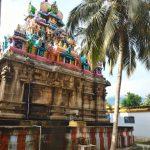
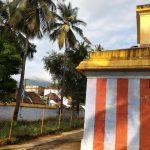
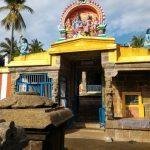
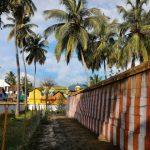
Visual Documentation of the Temple Complex:
37657858736, Raghaveswarar Temple, Derisanamcope, Kanyakumari
76436476476, Raghaveswarar Temple, Derisanamcope, Kanyakumari
65464564566543, Raghaveswarar Temple, Derisanamcope, Kanyakumari
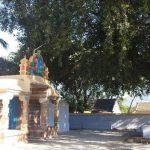
9887579879, Raghaveswarar Temple, Derisanamcope, Kanyakumari
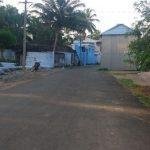
8686776865, Raghaveswarar Temple, Derisanamcope, Kanyakumari
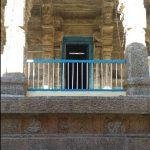
7687687685, Raghaveswarar Temple, Derisanamcope, Kanyakumari
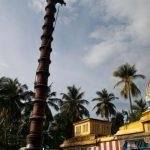
3543654654, Raghaveswarar Temple, Derisanamcope, Kanyakumari
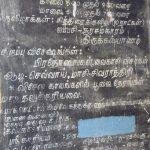
986687668, Raghaveswarar Temple, Derisanamcope, Kanyakumari
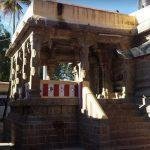
0909680098, Raghaveswarar Temple, Derisanamcope, Kanyakumari
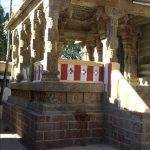
876878765, Raghaveswarar Temple, Derisanamcope, Kanyakumari
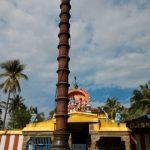
567765765, Raghaveswarar Temple, Derisanamcope, Kanyakumari
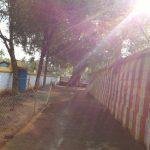
567576576, Raghaveswarar Temple, Derisanamcope, Kanyakumari
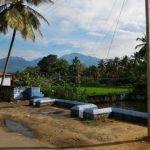
546576575, Raghaveswarar Temple, Derisanamcope, Kanyakumari
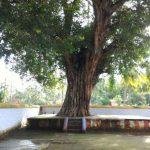
356465765, Raghaveswarar Temple, Derisanamcope, Kanyakumari
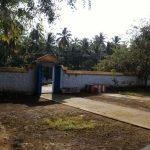
46576576, Raghaveswarar Temple, Derisanamcope, Kanyakumari
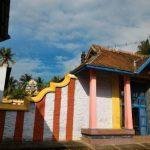
4563646, Raghaveswarar Temple, Derisanamcope, Kanyakumari
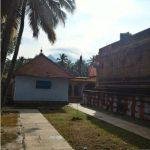
435436, Raghaveswarar Temple, Derisanamcope, Kanyakumari
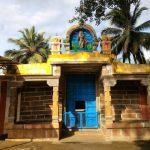
Jpeg
2017-m11-04, Raghaveswarar Temple, Derisanamcope, Kanyakumari
Jpeg
Jpeg
Jpeg
Jpeg
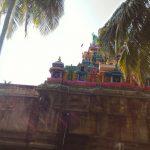
Jpeg
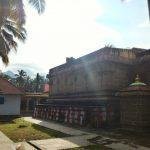
Jpeg
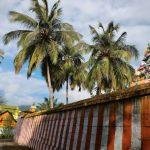
Jpeg
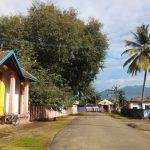
Jpeg
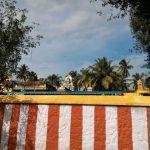
Jpeg
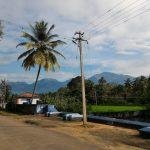
Jpeg
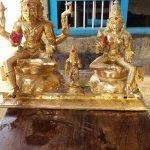
2017-10-06 (1), Raghaveswarar Temple, Derisanamcope, Kanyakumari
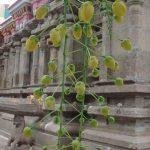
2017-10-06 (5), Raghaveswarar Temple, Derisanamcope, Kanyakumari
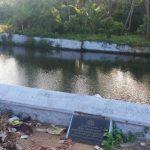
2017-09-25 (4), Raghaveswarar Temple, Derisanamcope, Kanyakumari
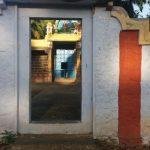
2017-09-25 (3), Raghaveswarar Temple, Derisanamcope, Kanyakumari
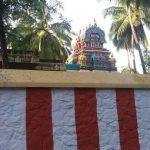
2017-09-25 (2), Raghaveswarar Temple, Derisanamcope, Kanyakumari
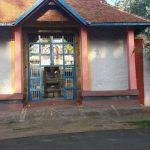
2017-09-25 (5), Raghaveswarar Temple, Derisanamcope, Kanyakumari
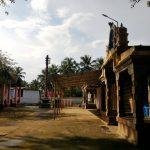
Jpeg
7. Frequently Asked Questions (FAQ)
Is there a VIP Darshan entry available?
Yes, the temple administration offers a special entry darshan for senior citizens and differently-abled devotees. However, due to the small size of the inner sanctum, VIP entry is strictly limited to ensure the preservation of the ancient sculptures. Booking can be done via the HR&CE website.
Can we perform Shradh (ancestral rites) here?
Yes, due to the legend of Lord Rama performing penance here for the sin of killing a woman, this is considered a potent site for performing Shradh and Tharpanam to ancestors.
Is the temple accessible from Kanyakumari?
Absolutely. It is a 45-minute drive from Kanyakumari via Boothapandi. Taxis and buses are frequently available.
Are there accommodation facilities near the temple?
Basic guest houses are available in Derisanamcope and Boothapandi. For luxury accommodation, it is recommended to stay in Nagercoil (15 km) or Kanyakumari (34 km).
What is the significance of the Theerthams (ponds)?
There are two ponds: Theerthavari Kulam (front) and Godavari Theertham (back). It is customary to wash hands and feet here before entering the temple, as the water is believed to be charged with the sanctity of the Ramayana era.
Contact Details
Raghaveswarar Temple, Derisanamcope
Village: Derisanamcope, Boothapandi Taluk
District: Kanyakumari, Tamil Nadu
Contact: +91 000 000 0000 (Administrative Office)
Disclaimer: Timings and contact details are subject to change. Please verify with the temple administrative office before planning your travel in 2026.