
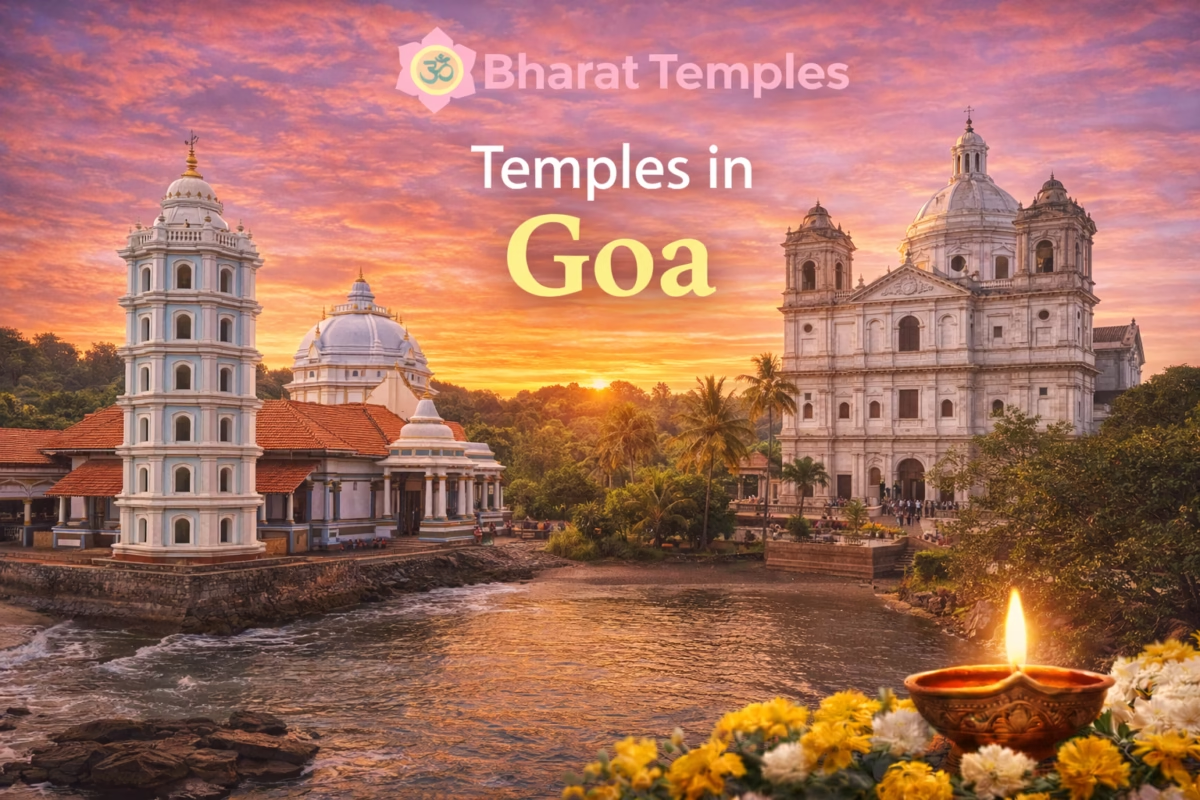
Goa, often celebrated for its sun-kissed beaches and Portuguese heritage, holds a profound spiritual secret that predates its colonial history. This coastal paradise is a significant pilgrimage destination in India, particularly renowned for being the home of the Shakti Peethas—sites where parts of Goddess Sati’s body fell, as per Hindu mythology. The spiritual landscape of Goa is a unique blend of the fierce energy of Shakti worship and the serene devotion of Vaishnavism, set against the lush Western Ghats and tranquil backwaters.
The architectural grandeur of temples in Goa showcases a distinct regional style, featuring towering Deepastambhas (lamp towers), large water tanks (Sangods), and intricate woodwork. While the state boasts over a hundred temples, the most prominent are concentrated in the regions of Tiswadi, Ponda, and Sanguem. Whether you seek the blessings of the fierce Mahalasa, the divine love of Mangueshi, or the ancient wisdom of the Mahadeva shrines, Goa offers a spiritual journey that goes far beyond its commercial facade. This guide serves as your compass to navigating these sacred spaces, understanding their unique traditions, and experiencing the divine tranquility that defines the spiritual soul of Goa.
Top Temple Cities in Goa
| City/Town | Key Temple(s) | Sacred Significance | Best For |
|---|---|---|---|
| Panaji (Old Goa) | Basilica of Bom Jesus, Sé Cathedral | UNESCO World Heritage Site; houses the relics of St. Francis Xavier; “Golden Bell” cathedral. | Architectural grandeur & Christian-Hindu cultural synthesis. |
| Ponda | Shri Mangueshi Temple, Shri Mahalasa Temple | Presiding deity of Goa (Mangueshi); Fierce form of Parvati (Mahalasa). | Iconic Goan temple architecture & major festivals. |
| Tiswadi | Shri Saptakoteshwar Temple | One of the 12 Jyotirlingas (as per some local traditions); Patron deity of Kadamba dynasty. | Historical significance & Shaivism. |
| Sanguem | Shri Shantadurga Temple | Goddess of Peace; unique triangular architecture; represents mediation between Vishnu & Shiva. | Peaceful retreat & unique religious harmony symbolism. |
| Quepem | Shri Damodar Temple | Incarnation of Shiva as a healer; originally from Zambauli (now submerged). | Healing prayers & scenic location near the Kushavati river. |
Major Temple Festivals in Goa
- Zatra of Shri Shantadurga (Feb/March): Held at the Kavlem temple, this festival commemorates the Goddess’s role in ending a feud between Vishnu and Shiva. The deity is carried in a magnificent procession (mochan) drawn by devotees, symbolizing unity.
- Bonderam of Divar Island (September): While not a traditional puja, this festival has roots in a dispute over village flags. It features colorful parades and mock fights, representing a unique blend of Portuguese influence and Goan village life near the ancient Portuguese-style chapel.
- Gulal (Holi) at Mangueshi (March): The festival of colors is celebrated with unique fervor here, where devotees offer gulal to the deity and participate in traditional music and dance, distinct from North Indian Holi.
- Deepavali (October/November): In Goa, Diwali is celebrated as a festival of lights and also honors the destruction of Narakasura. The Padmas (paper effigies) of the demon are burned on the morning before Diwali, a practice unique to Goa.
Regional Traditions & Etiquette
Goan temple etiquette is a blend of orthodox Hindu customs and local coastal traditions:
- Dress Code: Traditional attire is strictly preferred. Men should wear dhotis or full-length trousers and shirts (no shorts). Women should wear sarees, salwar kameez, or long skirts with covered shoulders.
- Offerings: Coconuts are the most common offering, often broken on designated stones outside the sanctum. Flowers like jasmine and marigold are standard. Unlike other regions, red hibiscus flowers are specifically favored by Goddess Kali and Mahalasa.
- Architectural Hallmarks: Goan temples are characterized by their Deepastambhas (tall lamp towers), often made of brass or copper. The sanctum (Garbhagriha) is usually surrounded by a pillared verandah (Mandapa), and the roof is typically tiled with sloping structures, a response to the heavy monsoon.
- Fasting: Many devotees observe a fast on Tuesdays and Saturdays, specifically dedicated to Hanuman and Shani Dev respectively.
How to Explore Temples in Goa
Unlike Tamil Nadu or Kerala, Goa is compact, making it easier to cover multiple temples in a single day. A well-planned circuit can help you experience the best of Goan spirituality.
Suggested Travel Circuits
- The Ponda Heritage Circuit: Visit Shri Mangueshi, Shri Mahalasa, and Shri Damodar in a single day. These temples are relatively close to each other and offer a deep dive into Goan Hindu culture.
- The Old Goa & Divar Island Circuit: Explore the UNESCO World Heritage churches of Old Goa in the morning, then take a ferry to Divar Island to visit the ancient churches there, reflecting the region’s unique religious history.
- The Southern Goa Tranquility Trail: Visit the Shri Shantadurga Temple at Kavlem and the Shri Navdurga Temple at Lotulim for a quieter, more meditative experience.
Travel Logistics
- Nearest Airport: Dabolim Airport (GOI) is the only international airport, well-connected to major Indian cities.
- Best Season: October to February is ideal. The weather is cool and pleasant. Avoid the monsoon (June to September) as many temple festivals are postponed, and heavy rains can disrupt travel.
- Transport Tips: While hire cars are available, the best way to explore Ponda temples is via a rented scooter or a local taxi. State-run Kadamba buses connect Panaji to Ponda and other major temple towns efficiently and economically.
- Local Custom: Most temples have a designated area to leave footwear, often for a nominal fee. It is customary to wash your hands and feet before entering the inner sanctum.
FAQ
Ponda is widely considered the cultural heart of Goan Hinduism. Although the original temples were relocated from Old Goa during Portuguese rule, the current structures in Ponda (like Mangueshi and Shantadurga) retain the ancient lineage and traditions, making it the hub for major ancient temples.
Yes, while the general rule is modesty, some smaller, rural temples in the Sanguem and Quepem talukas may be more lenient. However, for the major temples like Mangueshi and Shantadurga, traditional attire is mandatory for darshan.
Absolutely. Goa is geographically small. You can easily cover the top 5 major temples (Mangueshi, Mahalasa, Shantadurga, Damodar, and Saptakoteshwar) in 2-3 days with a private vehicle.
The rules are similar to the rest of India. While major temples administered by the government trust (like Mangueshi) generally allow entry to all, some specific shrines or inner sanctums may restrict access to Hindus only. It is always advisable to check at the entrance or with the temple priest.