
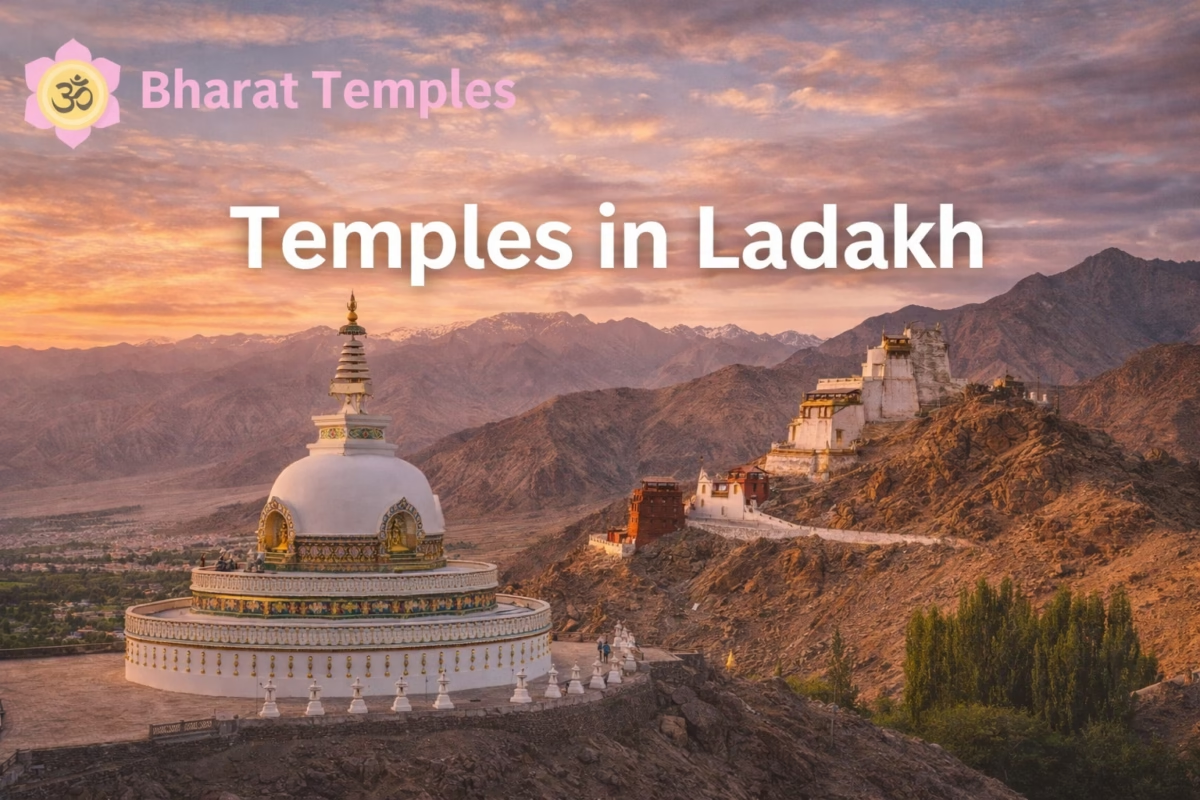
Ladakh, often called the “Little Tibet,” is not just a land of rugged mountains and blue lakes; it is a profound spiritual landscape. For the seekers at BharatTemples, Ladakh offers a unique confluence of ancient Indo-Tibetan Buddhism and deep-rooted Hindu faith. Whether you are drawn by the chanting of monks or the sacred veils of the Goddess, the temples in Ladakh promise a soul-stirring experience.
Top Spiritual Destinations in Leh & Ladakh
1. Paldan Lumo (Kali Mata Mandir) – Spituk
Located just 8 km from Leh, this is perhaps the most significant site for Hindu pilgrims in Ladakh.
- The Deity: Dedicated to Vajrabhairava (a fierce manifestation of Manjushree), the locals and Indian Army personnel worship the deity as Kali Mata.
- The Mystery: The face of the Goddess remains veiled throughout the year, revealed only during the annual Gustor Festival in January.
- Spiritual Tip: It is considered highly auspicious for protection and strength.
2. Chamba Temple – Leh Market
Nestled in the heart of Leh’s old town, this 15th-century temple is a testament to the King Tragspa Bumde’s devotion.
- Significance: It houses a massive statue of Maitreya (The Future Buddha).
- Vibe: Perfect for a quiet moment of reflection amidst your local Leh sightseeing.
3. Serzang Temple – Basgo
Located on the Leh-Srinagar Highway, this “Golden Temple” of Ladakh is a marvel of the 17th century.
- Highlight: A 30-foot tall copper-gilt statue of Maitreya Buddha.
- Artistry: The walls feature stunning murals of the Red Hat sect and sacred Buddhist canons written in gold, silver, and copper.
4. Alchi Manjushree Temple – The 1000-Year-Old Legacy
Unlike most hilltop monasteries, Alchi is built on flat ground and is the only site to preserve 10th-century Kashmiri-influenced Buddhist art.
- The Shrine: The Jampe Lha-khang (Manjushree Temple) is the heart of this complex.
- Devotion: Seekers of wisdom and knowledge visit this temple to offer prayers to Manjushree, the deity of wisdom.
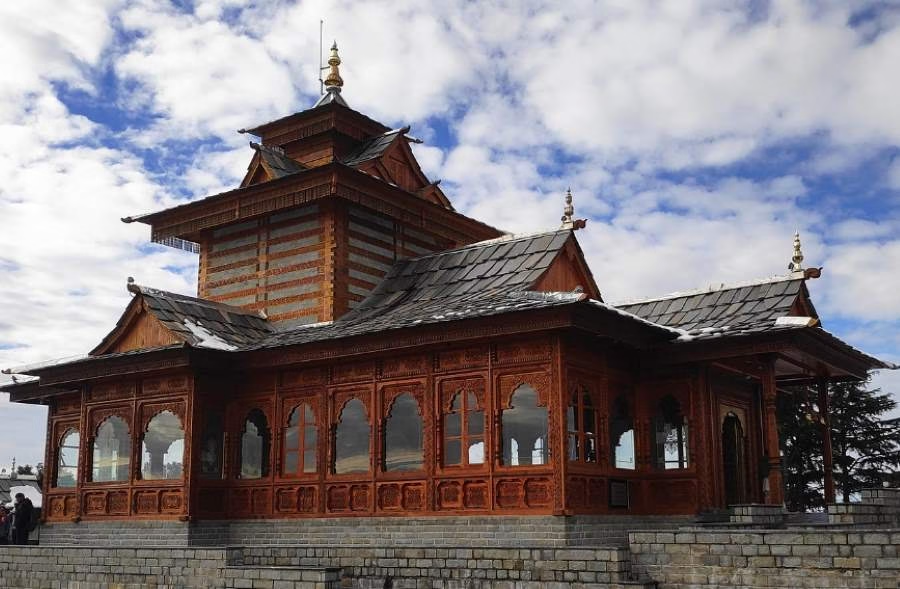
5. Thiksey Tara Temple
Inside the majestic Thiksey Monastery (the “Mini Potala”) lies a dedicated shrine to Goddess Tara.
- The 21 Taras: The temple houses 21 different manifestations of the Goddess in glass-enclosed shelves.
- Benefit: In the Buddhist tradition, Tara is the “Mother of Liberation,” worshipped for success in work and protection during travel.
The Giant Buddha Statues: A Pilgrimage of Scale
If you are traveling for “Darshan,” do not miss these towering icons that define the Ladakh skyline:
- Diskit Monastery: A 106-foot Maitreya Buddha overlooking the Nubra Valley.
- Likir Monastery: A 75-foot gold-gilded Maitreya Buddha.
- Stok Palace: A 71-foot seated Gautama Buddha offering panoramic views of the valley.
Travel Tips for Spiritual Travelers
- Pradakshina: Always walk around temples, stupas, and Mani walls in a clockwise direction.
- Photography: Seek permission before clicking pictures of the main deities inside the sanctum.
- Acclimatization: Leh is at 11,500 feet. Rest for the first 24-48 hours to ensure your body is ready for the high-altitude pilgrimage.
Comparison Table for Quick Reference
| Temple/Monastery | Location | Primary Deity/Highlight | Distance from Leh |
| Hemis | Hemis | Guru Padmasambhava | 45 km |
| Thiksey | Thiksey | Maitreya Buddha (49ft) | 19 km |
| Diskit | Nubra Valley | Maitreya Buddha (106ft) | 120 km |
| Spituk | Spituk | Goddess Kali (Paldan Lamo) | 8 km |
| Shey | Shey | Shakyamuni Buddha | 15 km |
Major Temple Festivals in Ladakh
- Hemis Festival – June/July: Colorful masked dance festival at Hemis Monastery
- Thiksey Gustor – October/November: Ritualistic mask dances at Thiksey Monastery
- Dosmoche – February: Celebration to ward off evil spirits, Leh Palace
Regional Traditions & Etiquette
Dress modestly, with shoulders and legs covered. Remove shoes before entering monasteries. Circumambulate shrines and chortens in a clockwise direction. Avoid pointing feet towards altars or sacred objects. Refrain from smoking or drinking near monastery premises.
How to Explore Temples in Ladakh
For the most comfortable experience, visit between May and September. Fly into Leh’s Kushok Bakula Rimpochee Airport and acclimatize for a day before starting your monastery tour. Consider hiring a local guide for deeper insights into monastery etiquette, art, and history.
FAQ
The most prominent Hindu place of worship in Ladakh is the Kali Mata Mandir (Paldan Lumo) located within the Spituk Monastery complex near Leh. It is highly revered by the Indian Army and locals alike. Additionally, Gurudwara Pathar Sahib on the Leh-Srinagar highway is a major spiritual stop for Indian pilgrims.
With proper planning, it is possible to cover 3–4 major monasteries in a week.
Yes, most monasteries welcome visitors of all faiths, provided they respect Buddhist customs.
Yes, there is a medieval Sun Temple dedicated to the Sun God (Bhaskar) located in the Ladakh region. It was built by King Lalitaditya and is known for its unique architecture, featuring a colonnaded courtyard and 84 granite columns.
Maitreya (known locally as Chamba) is the “Future Buddha.” According to Buddhist tradition, he will appear on Earth in the future to achieve complete enlightenment and teach the pure Dharma. Most major temples in Ladakh, like Thiksey, Diskit, and Basgo, house massive statues of Maitreya.
While most temples are open to everyone, there are specific areas with traditional restrictions. For example, at Thiksey Monastery, the Lamokhang Temple on the top floor (which houses sacred scriptures) is traditionally accessible only to men. However, the famous Tara Temple and Maitreya Temple in the same complex are open to all.
The number 108 is sacred in both Hinduism and Buddhism. In Ladakh, you will often see 108 Chortens (Stupas) or devotees using prayer beads (Mala) with 108 beads to chant mantras. It represents the 108 earthly temptations a person must overcome to reach enlightenment.