Venugopalaswamy Temple Mugaiyur: History, Darshan Timings & Guide

Receive daily temple updates, divine darshan, and morning bhajans directly on WhatsApp.
Contents
- 1 Introduction & Spiritual Essence
- 2 Historical Origins & Scriptural Legend
- 3 Architectural Marvels
- 4 Darshan & Ritual Logistics
- 5 Practical Visitor Guidance
- 6 Pilgrimage Connectivity
- 7 Frequently Asked Questions (FAQ)
- 8 Photo Gallery
- 9 Contact Details & Official Address
Introduction & Spiritual Essence
Nestled along the historic East Coast Road (ECR) in the Kanchipuram district lies the divine village of Mugaiyur, home to the ancient Venugopalaswamy Temple. This sacred shrine is dedicated to Lord Vishnu, revered here as Venugopalaswamy (the divine cowherd). His consort, the Mother Goddess, is worshipped as Suntharavadivu (Thayar).
The spiritual essence of this temple is deeply rooted in the Sthala Purana (local legend), which speaks of a hidden idol and a divine revelation. The presiding deity is a Swayambhu (self-manifested) idol, significantly enhancing its sanctity. Locals and devotees also know the Lord by the name Kallazhagar, referring to his appearance atop a horse.
Phalaśruti: The Benefits of Visiting
According to temple records and oral traditions, worshipping Lord Venugopalaswamy at Mugaiyur is believed to bestow specific blessings upon devotees:
- Ancestral Liberation: It is said that prayers offered here help cleanse ancestral karma, granting peace to departed souls.
- Protection from Evil: The Lord, in his form as Kallazhagar (guardian of stone), protects devotees from negative energies and unseen obstacles.
- Fulfillment of Desires: Devotees visit to seek blessings for family prosperity and the removal of prolonged obstacles.
Historical Origins & Scriptural Legend
The history of the Venugopalaswamy Temple is not merely recorded in stone but is a tale of miraculous rediscovery. While the exact dynasty that commissioned the original structure is difficult to pinpoint due to the lack of definitive inscriptions, the temple follows the Dravidian architectural style, suggesting antiquity.
📖 Related: Chenganmaaleeswarar Temple, Chenganmaal: History, Darshan Timings & Guide
The Legend of Kallazhagar
Tradition holds a fascinating local legend that defines the temple’s identity. Until 1985, the region was inhabited largely by fishermen who utilized the temple grounds. Unaware of the spiritual significance, they mistook the stone idol of the Lord for an ordinary rock.
Reports from the time indicate that workers used the back of the idol to blow coconut husks for making threads. It is said that the Lord was initially found in an inverted position, hidden by time and neglect. One fated day, a gifted individual, suspecting something unique about the stone, moved the idol upright. To their astonishment, the form of Lord Venugopalaswamy—alias Kallazhagar—was revealed. This discovery transformed the site into a prominent place of worship.
Architectural Marvels
The temple showcases the classic Dravidian architecture, characterized by its towering gateway towers (Rajagopuram) and elaborate stonework.
Vastu Shastra and Layout
While a smaller shrine, the layout adheres to Vastu principles, facing east to receive the rising sun. The sanctum sanctorum houses the Swayambhu idol. The temple complex is part of a larger group of 10 temples in the village, each dedicated to various deities, creating a spiritual ecosystem.
Notable Sculptures
The walls and pillars feature sculptures depicting various forms of Vishnu and scenes from Hindu mythology. The central idol of Venugopalaswamy is unique; he is depicted sitting on the back of a horse, similar to the Kallazhagar deity found in Madurai, reinforcing the connection to the horse avatar.
Archaeological Note: While specific ASI (Archaeological Survey of India) listing details are often under review for minor temples, the structural integrity and artistic value align with the Dravidian styles prevalent during the Vijayanagara period.
Darshan & Ritual Logistics
For devotees planning their visit in 2026, understanding the daily schedule and ritual options is essential for a fulfilling pilgrimage.
Daily Timings
| Session | Timing |
|---|---|
| Morning Darshan | 06:00 AM – 12:00 PM |
| Mid-Day Break | 12:00 PM – 04:00 PM |
| Evening Darshan | 04:00 PM – 08:00 PM |
📖 Related: Arupadi Veedu Temple Palani: History, Timings & Complete Guide
Key Sevas and Offerings
- Abhishekam: Performed with milk, honey, and sandalwood paste. This ritual is believed to be highly auspicious for removing obstacles.
- Archana: Recitation of the 108 sacred names of Vishnu.
- Thirukalyana Utsavam: The celestial wedding of the Lord and Goddess.
Online Seva Booking
While the temple management is often traditional, specific devotional services may be arranged through the local temple trust or the Divya Prabandham network. For 2026, it is recommended to check the Tamil Nadu Tourism Department or local Kanchipuram temple trust portals for digital booking availability.
2026 Festival Dates
Mark your calendars for these major celebrations:
- Brahmotsavam: Expected mid-April 2026 (Varies based on the Tamil calendar).
- Vaikuntha Ekadashi: January 2026 (Grand processions and special sevas).
- Ramanavami: April 2026.
Practical Visitor Guidance
To ensure a seamless visit to Mugaiyur, please review the following guidelines.
Dress Code & Etiquette
Visitors are required to wear traditional attire. Men should wear dhotis or trousers with a shirt; women should wear sarees, half-sarees, or salwar kameez. Shorts and sleeveless tops are strictly prohibited.
Photography & Mobiles
Photography is generally restricted inside the sanctum sanctorum. Mobile phones should be kept on silent mode. Lockers may not be available on-site, so it is advisable to carry minimal valuables.
Accessibility & Crowd Management
Best Hours: To avoid the heat and crowds, plan your visit between 6:00 AM and 8:00 AM or after 5:00 PM.
Seasonal Advice: During the summer months (April–June), temperatures in Kanchipuram can soar. Carry sufficient water and a head covering.
Accessibility: The temple complex is compact. While efforts have been made to provide access, those with mobility challenges should contact the local caretaker for assistance, as there are steps leading to the sanctum.
Pilgrimage Connectivity
How to Reach
Mugaiyur is strategically located on the scenic East Coast Road (ECR).
- Nearest Airport: Chennai International Airport (MAA) – Approx. 70 km north.
- Nearest Railway Station: Melmaruvathur (25 km) or Chengalpattu (45 km).
- By Road: Take the ECR (NH 332) from Chennai. Mugaiyur is located approximately 15 km south of Kalpakkam and 5 km from Koovathur.
📖 Related: Bhadra Kali Amman Temple Vattavilai: History, Darshan Timings & Guide
Nearby Sacred Sites
Enhance your pilgrimage circuit by visiting these nearby locations:
- Jalakandeswarar Temple (Mugaiyur): Located within the same village, this temple is unique as it is situated in a grave/low-lying area, housing a Shiva lingam.
- Karumbakam Temple: Located a few kilometers away on ECR, known for specific planetary remedies.
- Ashtalakshmi Temple, Covelong: Situated on the beach, this unique temple dedicated to Goddess Lakshmi is 15 km north.
Frequently Asked Questions (FAQ)
1. Is there a VIP Darshan entry at Venugopalaswamy Temple?
The temple management is community-oriented and traditional. While there isn’t a formal “VIP ticket” system like in Tirupati, devotees can coordinate with the temple priest for priority darshan during non-peak hours, especially if performing a specific Seva like Abhishekam.
2. What is the historical significance of the name “Kallazhagar”?
The name translates to “The Stone Protector.” It references the discovery of the idol when it was mistaken for a common stone. It signifies the Lord’s humble incarnation to protect devotees in their moment of ignorance.
3. Are there accommodation facilities in Mugaiyur?
Mugaiyur is a small village. There are no major hotels directly in the village. However, the nearby town of Kalpakkam (15 km) offers several guest houses and budget hotels. For a spiritual retreat, one can also stay at the Sri Venkateswara Temple guest houses in Melmaruvathur.
4. What is the best time of year to visit this temple?
The ideal time is between November and February, when the weather in Tamil Nadu is pleasant. However, visiting during Brahmotsavam (usually April) offers a vibrant cultural experience.
5. Is the temple open on all days?
Yes, the temple is open daily. However, it is advisable to avoid visiting during heavy monsoon rains (November–December) as the location is close to the coast and roads can be affected.
Photo Gallery
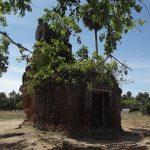
durgai1, Venugopalaswamy Temple, Mugaiyur, Kanchipuram
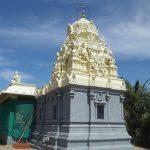
kalla2, Venugopalaswamy Temple, Mugaiyur, Kanchipuram
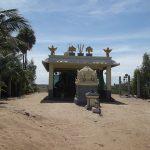
kalla1, Venugopalaswamy Temple, Mugaiyur, Kanchipuram
Contact Details & Official Address
Address:
Venugopalaswamy Temple,
Mugaiyur Village,
Via Koovathur, Kanchipuram District,
Tamil Nadu – 603105