Virabadhreswarar Temple Thirparappu: History, Darshan Timings & Guide
Receive daily temple updates, divine darshan, and morning bhajans directly on WhatsApp.
Contents
- 1 Introduction & Spiritual Essence of Virabadhreswarar Temple
- 2 Historical Origins & Scriptural Legend
- 3 Architectural Marvels
- 4 Darshan & Ritual Logistics
- 5 Practical Visitor Guidance
- 6 Pilgrimage Connectivity
- 7 Photo Gallery
- 8 Frequently Asked Questions (FAQ)
- 8.1 1. Is there a VIP or special entry darshan available?
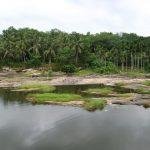
- 8.2 2. What is the significance of the Kodayar River in this temple?
- 8.3 3. Are there accommodation facilities available nearby?
- 8.4 4. Can we perform Shradh ceremonies here?
- 8.5 5. Is the temple accessible for senior citizens and those with disabilities?
Introduction & Spiritual Essence of Virabadhreswarar Temple
Nestled on the serene banks of the Kodayar (Kothaiyar) River and adjacent to the majestic Thirparappu waterfalls, the Virabadhreswarar Temple in Thirparappu, Kanyakumari, stands as a beacon of Shaivism in the southernmost tip of India. Locally revered as Sreevisalapuram in Sanskrit, this ancient shrine is dedicated to Lord Shiva, worshipped here as Virabadhreswarar (also known as Veerabhadrar or Jatadharar).
The spiritual essence of this temple is deeply rooted in the concept of divine protection and ancestral cleansing. It is the third temple in the sacred Shivalaya Ottam pilgrimage circuit, a 108-temple journey observed by devout Shiva worshippers. Phalaśruti (scriptural rewards) suggests that worshipping here washes away sins, particularly those related to Pitru Dosha (ancestral karma), offering peace to the souls of ancestors and mental tranquility to the devotee.
Historical Origins & Scriptural Legend
The Legend of Veerabhadra and Sage Vyagrapathar
According to the Sthala Purana (local oral tradition), the temple’s origins trace back to the cosmic legend of Lord Shiva manifesting as Veerabhadra. Tradition holds that after destroying the sacrificial fire (Yagam) of Daksha Prajapati, Lord Shiva settled at this location. It is also believed that Sage Vyagrapathar (Patanjali’s elder brother) worshipped Lord Shiva here to gain the ability to protect the sacred Soma Yaga performed by Lord Vishnu in the nearby Thirunanthikarai temple.
📖 Related: Hanuman Temple Sitharkadu: History, Darshan Timings & Complete Guide
Archaeological & Dynastic History
Architectural evidence and stone inscriptions date the current structure primarily to the 9th Century CE. Inscriptions found on the temple walls indicate the reign of the Pandya Dynasty, highlighting their patronage of Shiva temples in the region. Notable historical figures, including Adi Shankaracharya and King Sree Visakam Thirunal, are recorded to have visited and stayed at this temple, venerating the presiding deity.
Architectural Marvels
Dravidian Style & Vastu Shastra
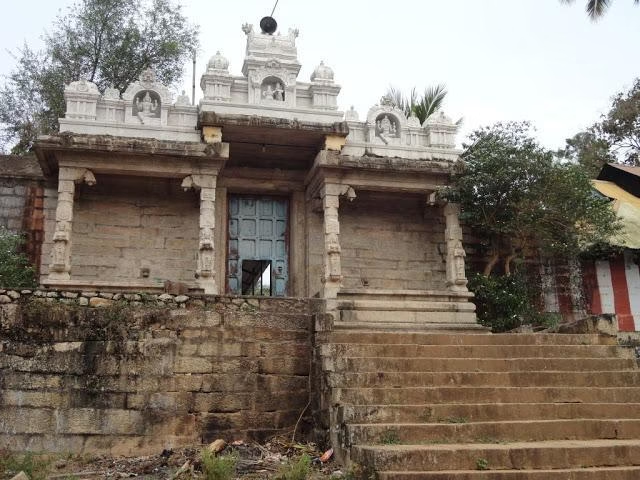
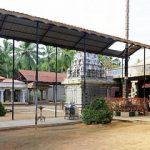
The temple exemplifies the classical Dravidian style of architecture. Unlike many temples that face east, the sanctum of Virabadhreswarar faces west, a significant Vastu Shastra element often associated with pacifying malefic planetary effects. The temple is enclosed by protective walls on all sides, creating a fortified spiritual enclave.
Notable Features
- The Vimana: The roof of the sanctum sanctorum is adorned with intricate sculptures and is shaped round at the bottom, tapering into a cone at the top.
- Nandhi Mandapam: The Nandhi (bull statue) is positioned facing north, specifically towards the sanctum, which is unusual for Dravidian temples (usually east-facing), reinforcing the unique westward orientation of the shrine.
- Mandapas & Sculptures: A sturdy stone Mandapam stands near the sanctum. Statues of Lord Murugan with the Vel and Lord Krishna with ghee are located outside the main sanctum.
- Secret Passage: A marker indicating a historical secret passage is a notable archaeological feature within the complex.
Darshan & Ritual Logistics
Daily Temple Timings (2026 Schedule)
The temple maintains specific hours for general darshan and rituals. Note that timings may extend during major festivals.
| Session | Timings |
|---|---|
| Morning Darshan | 5:00 AM – 11:00 AM |
| Afternoon Break | 11:00 AM – 5:00 PM |
| Evening Darshan | 5:00 PM – 8:00 PM |
Key Sevas & Online Booking
Devotees can participate in various Sevas (ritual services). While traditional booking is available at the temple counter, the Tamil Nadu HR&CE department facilitates online booking for most major rituals.
- Abhishekam: Ritual bathing of the deity with water, milk, honey, and sandalwood paste. Best performed on Mondays and Pradosham.
- Archana: Recitation of divine names. Special Archana is highly recommended for ancestors.
- Deepa Aradhana: Offering of lamps during evening twilight.
How to Book Online: Visit the official Tamil Nadu HR&CE portal, search for “Virabadhreswarar Temple Thirparappu,” select the desired Seva, and pay via the secure gateway. Receipts must be presented at the temple counter.
📖 Related: Kapaleeshwarar Temple Chennai: History, Darshan Timings & Guide 2026
2026 Major Festival Dates
- Shivaratri: February 26, 2026 – Special all-night vigil and Abhishekam.
- Thiruvadirai (Ardra Darshanam): June 15, 2026 – Celebrating the birth star of Lord Nataraja.
- Shivalaya Ottam: Dates vary by lunar calendar (typically aligning with Pradosham). Note: This temple is the 3rd stop in the 108-temple circuit.
- Panguni Kodiyetram (Annual Brahmotsavam): April 10 – April 20, 2026 – The most vibrant festival featuring chariot processions (Rathotsavam).
Practical Visitor Guidance
Dress Code & Etiquette
Visitors must adhere to a strict traditional dress code. Men should wear veshti (dhoti) or trousers with a shirt. Women should wear saree, half-saree, or salwar kameez. Modern western attire (shorts, jeans, t-shirts) is prohibited. Consumption of alcohol and non-vegetarian food is strictly forbidden in the temple vicinity.
Photography & Accessibility
Photography is permitted in the outer courtyards and Mandapas but is strictly prohibited inside the Sanctum Sanctorum. Mobile lockers are generally available for devotees to store electronic devices and bags before entering the inner shrine. The temple features stone steps and uneven flooring; it is advisable to wear comfortable footwear that can be easily removed.
Crowd Management & Seasonal Advice
- Best Time to Visit: The ideal months are November to February when the weather in Kanyakumari is pleasant and cool.
- Avoid Peak Crowds: Try to visit on weekdays (Tuesday to Thursday) to avoid the weekend rush. Monday mornings are also popular for Shiva devotees.
- Seasonal Caution: During the summer months (April–May), the heat can be intense; carry a water bottle and wear sun protection. The Kodayar river level rises during the Northeast Monsoon (October–November), making the adjacent waterfalls spectacular but requiring caution near the banks.
Pilgrimage Connectivity
How to Reach Thirparappu
The temple is well-connected by road via the Madurai – Thiruvananthapuram National Highway (NH 85).
- By Air: The nearest airport is Trivandrum International Airport (TCR), located approximately 55 km away.
- By Train: The closest railway station is Kuzhithurai (KZT) (approx. 15 km). Another major nearby station is Nagercoil Junction (36 km).
- By Road: Frequent buses are available from Nagercoil and Kanyakumari. The drive from Thiruvananthapuram takes about 1.5 hours.
📖 Related: Thyagaraja Temple Tiruvarur: History, Darshan Timings & Guide
Nearby Sacred Sites (Pilgrimage Circuit)
To maximize the spiritual benefit of your journey, consider visiting these nearby sites:
- Thirunanthikarai Temple (7 km): Dedicated to Lord Vishnu, this is the first temple in the Shivalaya Ottam circuit and holds immense historical significance dating back to the Pandya era.
- Thiruvattaru Adikesava Perumal Temple (9 km): Famous for its massive perimeter walls and ancient inscriptions. The gold statue mentioned in the Virabadhreswarar history was originally kept here.
- Kanyakumari Amman Temple (35 km): The final point of the pilgrimage, dedicated to Goddess Kanyakumari (Devi).
Photo Gallery
IMG_9797, Virabadhreswarar Temple, Thirparappu, Kanyakumari
krishnasepages_Thirparappu_42, Virabadhreswarar Temple, Thirparappu, Kanyakumari
IMG_20160324_125145077, Virabadhreswarar Temple, Thirparappu, Kanyakumari
IMG_9790, Virabadhreswarar Temple, Thirparappu, Kanyakumari
35879791825_045397bb16_z, Virabadhreswarar Temple, Thirparappu, Kanyakumari
35879791505_d8767b2f76_z, Virabadhreswarar Temple, Thirparappu, Kanyakumari
16389040648_de4d196c16_k, Virabadhreswarar Temple, Thirparappu, Kanyakumari
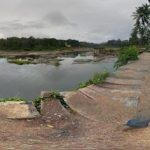
2016-10-17, Virabadhreswarar Temple, Thirparappu, Kanyakumari
2017-07-14 (1), Virabadhreswarar Temple, Thirparappu, Kanyakumari
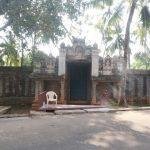
2016-10-30, Virabadhreswarar Temple, Thirparappu, Kanyakumari
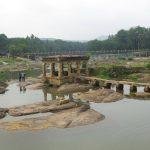
83847803, Virabadhreswarar Temple, Thirparappu, Kanyakumari
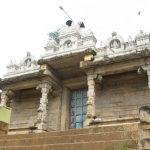
83847800, Virabadhreswarar Temple, Thirparappu, Kanyakumari
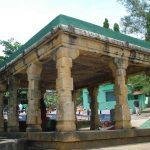
8539123807_bd41c0b950_b, Virabadhreswarar Temple, Thirparappu, Kanyakumari
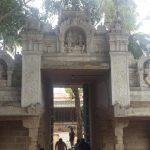
2017-07-21, Virabadhreswarar Temple, Thirparappu, Kanyakumari
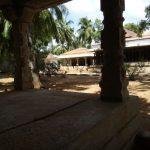
32434543, Virabadhreswarar Temple, Thirparappu, Kanyakumari
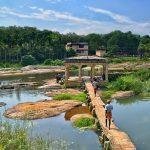
11849173573_2d43bdcdab_k, Virabadhreswarar Temple, Thirparappu, Kanyakumari
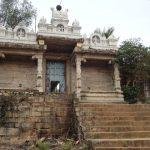
krishnasepages_Thirparappu_45, Virabadhreswarar Temple, Thirparappu, Kanyakumari
Frequently Asked Questions (FAQ)
1. Is there a VIP or special entry darshan available?
Yes, the temple administration offers a Special Darshan ticket (typically priced between INR 20-50, subject to change) that allows devotees to bypass the general queue during non-peak hours. VIP darshan is generally reserved for dignitaries and is not typically available for general tourists.
2. What is the significance of the Kodayar River in this temple?
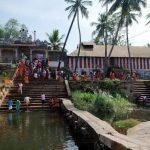
The Kodayar River is the temple’s sacred Theertham (holy water). Devotees perform Samudra Snanam (ritual bath) in the river before entering the temple. The flowing water is believed to carry away negative energies and purify the mind.
3. Are there accommodation facilities available nearby?
While there are no major hotels inside Thirparappu village, basic lodges and guest houses are available in Kulasekharam (7 km) and Marthandam (15 km). For luxury stays and hotels, Kanyakumari (30 km) and Nagercoil (36 km) offer a wide range of options.
4. Can we perform Shradh ceremonies here?
Yes, Virabadhreswarar Temple is a powerful location for performing Shradh and Tarpanam rituals for ancestors. Due to the legend of Sage Vyagrapathar and the association with Pitru Dosha relief, it is a preferred site for these rites. It is recommended to bring Brahmin priests from Thirunanthikarai or Nagercoil for specific rituals.
5. Is the temple accessible for senior citizens and those with disabilities?
Assisted entry is available for senior citizens near the main gate, but the inner sanctum requires climbing steps. Wheelchairs are generally not available inside the complex due to the traditional architecture, so prior arrangement with temple staff is advised.