
Contents
- 1 Introduction & Spiritual Essence: The Abode of Kaliyuga Prathyaksha Daivam
- 2 Historical Origins & Scriptural Legend
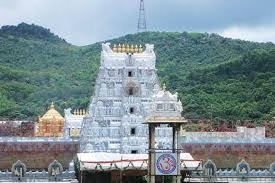
- 3 Architectural Marvels: Dravidian Grandeur
- 4 Darshan & Ritual Logistics (2026 Update)
- 5 Practical Visitor Guidance
- 6 Pilgrimage Connectivity
- 7 Photo Gallery
- 8 Frequently Asked Questions
- 9 Contact Details
Introduction & Spiritual Essence: The Abode of Kaliyuga Prathyaksha Daivam
Nestled amidst the Seshachalam Hills of Andhra Pradesh, the Venkateswara Temple at Tirumala stands as the most frequented spiritual destination in the world. Dedicated to Lord Venkateswara—an incarnation of Vishnu—the temple is revered as Kaliyuga Vaikuntham (Heaven on Earth in the Age of Strife). In this era, often characterized by spiritual darkness, Lord Venkateswara is regarded as the Kaliyuga Prathyaksha Daivam—the readily manifest deity who grants swift liberation to his devotees.
Phalaśruti: The Spiritual Benefits
Devotees flock here not merely for sightseeing but for profound spiritual merit. According to temple lore and Vedic scriptures, the Phalaśruti (benefits of devotion) of visiting Tirumala is unparalleled. It is believed that:
- Removal of Karmic Debt: A single visit washes away the accumulated sins of the past.
- Blessings of Aishwarya: Lord Srinivasa (another name for Venkateswara) bestows prosperity and well-being upon his devotees.
- Ancestral Liberation: It is a deep-rooted tradition that praying for ancestors here helps cleanse their ancestral karma, granting them peace in the afterlife.
Thus, the temple is more than a structure; it is a divine conduit connecting the mortal realm to the celestial, making it a non-negotiable stop in any devout Hindu’s lifetime.
Historical Origins & Scriptural Legend
The history of the Venkateswara Temple, Tirumala is a tapestry of mythological grandeur and historical records. While the original structure dates back approximately 1,200 years, the deity is believed to have been established here for the entire duration of the current Kali Yuga.
The Legend of Srinivasa
Tradition holds that Lord Vishnu descended here as Lord Srinivasa to fulfill a boon granted to his consort, Lakshmi. To marry Padmavati, the Lord borrowed wealth from Kubera (the God of Wealth) and remains at Tirumala as a debtor (Dhanadatta) until the end of the Kali Yuga. This is why the ritual of Kalyanotsavam (celebrating his divine marriage) is central to the temple’s culture.
Construction Timeline
Historical analysis of temple records suggests that the core structure has undergone significant expansions:
- 300 AD: Early structural beginnings attributed to the Pallava dynasty.
- 850 AD: Major contributions to the complex by the Chola kings.
- 1361 AD: The Vimana (golden roof) of the sanctum sanctorum was decorated by the Vijayanagara emperor Krishnadevaraya.
Architectural Marvels: Dravidian Grandeur
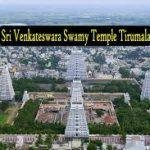
The temple exemplifies pure Dravidian architecture, characterized by towering gateways and intricate sculptural detail. The entire complex is a testament to the Vastu Shastra principles, aligning with cosmic energies.
Key Structural Elements
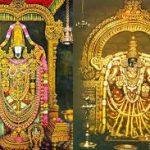
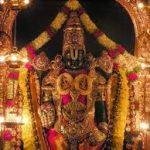
- The Sanctum (Ananda Nilayam): The inner sanctum is called Ananda Nilayam (The Abode of Bliss). The deity stands in a majestic standing posture (Sthanaka) facing east.
- The Seven Peaks: The temple sits on Venkatadri, the seventh peak of the Seshachalam range, which resembles the seven heads of the serpent Adishesha.
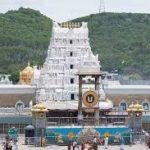
- Sculpture and Gold: The Vimana (roof) is covered in gold plating, donated by devotees over centuries. The Mandapas (halls) feature carved pillars depicting deities and mythological scenes.
While not a UNESCO World Heritage site, it is protected by the Archaeological Survey of India (ASI) for its heritage value.
Darshan & Ritual Logistics (2026 Update)
Managing the spiritual energy of 50,000+ daily visitors requires meticulous organization. Below is the standard operational schedule for 2026. Note: Timings may change during festivals.
| Activity | Timings (IST) | Notes |
|---|---|---|
| Suprabhatam | 3:00 AM – 3:30 AM | Early morning wake-up ritual for the deity. |
| Morning Darshan | 6:00 AM – 12:00 PM | Standard entry for general pilgrims. |
| Afternoon Break | 12:00 PM – 3:00 PM | Temple closes for sanctum maintenance. |
| Evening Darshan | 5:00 PM – 10:00 PM | Extended hours on weekends and festivals. |
| Shayanotsavam | 10:30 PM – 11:00 PM | Ritual putting the deity to sleep. |
Key Sevas & Online Booking
To participate in specific rituals, devotees can book Sevas (services) to the Lord. The most sought-after include:
- Suprabhatam: The morning wake-up call.
- Archana: Recitation of the Lord’s names.
- Abhishekam: Ritual bathing of the deity with holy items (milk, honey, sandalwood).
- Kalyanotsavam: Celestial wedding ceremony.
Booking: All bookings for 2026 are managed via the official TTD website or app. Slots are released 60 days in advance and sell out within minutes.
2026 Festival Calendar
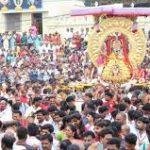
- Brahmotsavam (March): The most significant annual festival featuring the Rathotsavam (chariot procession).
- Ratha Saptami (February): A solar festival where the deity is taken around the temple on a ratha (chariot).
- Vaikuntha Ekadashi (January): Believed to be the day when the gates of Vaikuntha open.
Practical Visitor Guidance
To ensure a safe and spiritually fulfilling trip, adhere to these guidelines:
- Dress Code: Traditional attire is mandatory. Men should wear dhoti/veshti or trousers with a shirt; women should wear saree, salwar kameez, or skirts.
- Electronic Items: Mobile phones, cameras, and bags are strictly prohibited in the queue lines. Free cloakrooms are available near the Vaikuntham Complex II.
- Accessibility: Wheelchairs are available at entry points. Senior citizens and specially-abled devotees have a dedicated queuing lane.
- Crowd Management: Avoid visiting on weekends or public holidays if possible. Mondays and Wednesdays generally see lower footfall. In summer (May), carry a water bottle and headgear.
Pilgrimage Connectivity
The sacred temple is accessible via Tirupati, the gateway city.
How to Reach
From Tirupati, buses to Tirumala ply every 2 minutes. The roads (NH 71 and NH 565) are well-maintained. Private taxis are also available. Note: Ghat roads are closed between 12:00 AM and 3:00 AM daily.
The nearest railway station is Tirupati Railway Station (TPTY), approximately 26 km from the temple. It is well-connected to major cities like Chennai, Hyderabad, and Bangalore.
The closest airport is Sri Venkateswara Airport (Renigunta), located about 15 km from Tirupati. It handles domestic and increasing international traffic.
Devotees can undertake the spiritual journey of climbing the hills on foot. There are two routes:
- Alipiri: The ancient 11 km route.
- Srivari Mettu: A shorter, 6 km route starting from Chandragiri.
TTD provides free luggage transfer, security, medical aid, and canteen facilities along these paths.
Nearby Sacred Sites
- Kapila Theertham: A waterfall temple dedicated to Lord Shiva at the base of the Tirumala hills.
- Srikalahasti: A temple dedicated to Vayu (Wind), located 36 km away.
- Sri Kalahasteeswara Temple: Known for its powerful Rahu-Ketu dosha remediation rituals.
Photo Gallery
Frequently Asked Questions
1. Is there a VIP Darshan entry available?
Yes, TTD offers Special Entry Darshan (Seegra Darshan) tickets priced at ₹300 per person. These tickets must be booked online in advance. However, physical quotas are extremely limited.
2. Can I carry my mobile phone inside the temple?
No, mobile phones and electronic items are strictly prohibited in the queue complexes. You must deposit them in the free cloakrooms provided by TTD before entering the security lines.
3. What is the significance of the hair tonsure (Mokku)?
Hair tonsure is a symbolic act of surrendering the ego to the Lord. The hair is believed to be an offering to Lord Venkateswara, and legend states that Lord Srinivasa had his hair pulled by a devotee disguised as a cowherd (Regregation of wealth).
4. Is accommodation available for senior citizens?
Yes, TTD has specific rest houses (like the Sri Srinivasam or Padmavathi Guest House) with wheelchair-accessible rooms. These can be booked online.
5. What is the best time to visit the temple to avoid crowds?
Weekdays (Tuesday, Wednesday) between 10:00 AM and 2:00 PM usually have shorter wait times. Avoid visiting during major festivals like Brahmotsavam unless you have booked specific seva tickets well in advance.
Contact Details
Official Address:
Sri Venkateswara Temple, Tirumala,
S Mada St, Tirumala, Tirupati, Andhra Pradesh 517504
Enquiry/Help Desk: +91-877-2263636
Recent Posts

Shri Kaamkoteeshwar Mandir, Varanasi – History & Significance
In the heart of Kashi, the eternal city of Lord Shiva, where the Ganges flows with celestial grace, stands the Shri Kaamkoteeshwar Mandir. This sacred Sannidhi is not merely a temple but a profound spiritual bridge between the Northern…

ओ सांवरे तूने ही मुझको संभाला – Lyrics & Meaning
ओ सांवरे तूने ही मुझको संभाला – A Prayer to Shyam Origin & Spiritual Essence Why This Bhajan Resonates Devotees chant this when overwhelmed by life’s storms—the refrain ‘तूने ही मुझको संभाला’ is the soul’s sigh of relief: “You…

कथा ये है महाराज मेरे की – Lyrics & Meaning
कथा ये है महाराज मेरे की छत्रपति संभाजी महाराज – A Prayer to Chhatrapati Sambhaji Maharaj Origin & Spiritual Essence Why This Bhajan Resonates Devotees chant this when their spirit feels tested—its powerful refrain “महाराज मेरे” is a soul’s…

Rigveda Samhita Yathartha Anuvada (ऋग्वेद संहिता यथार्थ अनुवाद) – Complete Set with Anvayartha & Hindi/English Translation
The Rigveda is the oldest surviving scripture of humanity and the foundational text of Sanātana Dharma. For serious students, scholars, UPSC aspirants studying ancient Indian history, Sanskrit learners, and spiritual seekers, a precise and grammatically structured translation is indispensable.…

आना भी अकेला है जाना भी अकेला है – Lyrics & Meaning | BharatTemples
आना भी अकेला है जाना भी अकेला है – A Prayer to the Divine Witness Origin & Spiritual Essence Why This Bhajan Resonates Devotees turn to this bhajan in moments of deep reflection—when life’s attachments begin to ache. The…

माता शेरावाली के द्वार जो भी जाता है – Lyrics & Meaning
माता शेरावाली के द्वार जो भी जाता है – A Prayer to Maa Sherawali Origin & Spiritual Essence Why This Bhajan Resonates Devotees turn to this bhajan in times of fear or uncertainty—its promise that no one leaves Maa’s…

मार लेना सपणी उबार लेणा भवरा – Lyrics & Meaning
मार लेना सपणी उबार लेणा भवरा – A Prayer to the Divine Beloved Origin & Spiritual Essence Why This Bhajan Resonates Devotees chant this in moments of deep vulnerability—its cry of “मार लेना सपणी, उबार लेणा भवरा” is the…

हमें श्याम सुंदर भरोसा तुम्हारा – Lyrics & Meaning
हमें श्याम सुंदर भरोसा तुम्हारा – A Prayer to Shyam Sundar Origin & Spiritual Essence Why This Bhajan Resonates Devotees chant this when feeling alone—its refrain ‘de do sahara’ is the soul’s cry for divine support. Lyrics in Hindi…

Mere Satguru Ne Di Thi Davai Lyrics in Hindi & Meaning
Mere Satguru Ne Di Thi Davai: Invoking the Guru’s Liberating Wisdom This soul-stirring bhajan venerates the Satguru (True Spiritual Master) as the divine physician who dispenses the only remedy for life’s deepest sufferings. Composed by Sant Karmaveer Tufani, it…

Janm Diyo Thari Maa Dukh Dekhiyo Lyrics in Hindi & Meaning
जन्म दियो थारी माँ दुख देखियो (Maa’s Grief Upon Birthing You) This soul-stirring Chetavani Bhajan (admonitory hymn) is addressed to the Divine Mother (Maa) – a call for repentance when children forget their filial duties in the dark age…