
Contents
Introduction & Spiritual Essence
The Padmavathi Temple in Tiruchanur, Andhra Pradesh, stands as the celestial abode of Goddess Alamelumanga (Padmavathi), the beloved consort of Lord Venkateswara of Tirumala. Known affectionately as the “Goddess of the Lotus,” she embodies compassion, prosperity, and marital harmony. Unlike the hill-shrine of Tirumala, this temple is located on the plains of Tiruchanur, just 5 kilometers from Tirupati.
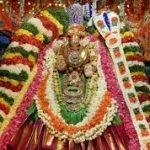
The primary deity here is Goddess Padmavathi, depicted in a standing posture holding a lotus. She is considered a Swayambhu (self-manifested) deity. Pilgrims believe that visiting Tirupati without offering prayers to Goddess Padmavathi is incomplete, as her blessings are essential for the fulfillment of devotees’ desires.
Phalaśruti: Why Visit?
According to the Padma Purana, the significance of visiting this temple includes:
- Removal of Ancestral Curses: Performing rituals here is believed to cleanse ancestral karma and liberate forefathers from trapped cycles.
- Harmony in Marriage: Unmarried devotees visit to seek blessings for an ideal partner, while married couples pray for longevity and peace in their union.
- Prosperity: As the consort of the Lord of Wealth (Venkateswara), her grace brings financial stability and removes debts.
Historical Origins & Scriptural Legend
The history of Padmavathi Temple is woven deeply into the mythology of the Tirumala region. While the current administrative structure is managed by the Tirumala Tirupati Devasthanams (TTD), the spiritual origins trace back to ancient scriptures.
The Legend of Akasha Raja
Tradition holds that King Akasha Raja (the ruler of the region) performed severe penance to obtain an heir. While tilling the land, he discovered a golden lotus in the sacred Padmasarovaram (lotus tank). Inside a golden casket, he found an infant girl—Goddess Lakshmi—who grew up as Princess Alamelu.
It is believed that Lord Venkateswara, having performed deep penance for twelve years, encountered Goddess Padmavathi on a red lotus in this very tank. The Venkatachala Mahatyam narrates that Lord Suryanarayana (the Sun God) was instrumental in blossoming the lotus to facilitate this divine union. The celestial wedding of Lord Srinivasa and Padmavathi took place at Narayanapuram (Tirupati), but her residence remains Tiruchanur.
Scriptural References
The Padma Purana vividly describes the manifestation of the Goddess. The manifestation occurred in the month of Karthika on the Sukla Paksha Panchami (fifth day of the bright fortnight) under the Uttarashada star. TTD records indicate that the temple structure has been renovated over the centuries by various dynasties, including the Cholas and Pallavas, preserving the Dravidian style of architecture.
Architectural Marvels
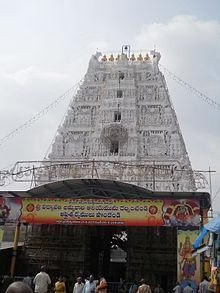
The temple showcases the grandeur of Dravidian architecture, characterized by towering gateways and intricate carvings. The layout adheres to the principles of Vastu Shastra, orienting the sanctum towards the east.
Key Structures
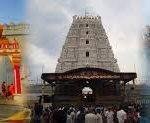
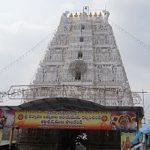
- The Rajagopuram: The main gateway is a towering structure that welcomes devotees from the eastern side. It is adorned with vibrant sculptures depicting scenes from the Puranas.
- Padmasarovaram: The temple tank is located just outside the main entrance. It is considered highly sacred, and devotees often take a holy dip before entering the shrine.
- Sanctum Sanctorum (Garbhagriha): The deity, Goddess Padmavathi, is enshrined here in a standing posture made of saligrama stone. She holds a lotus in her right hand and a holy vessel (kamandalu) in her left, flanked by two dwarapalakas (guards).
- Mandapas: The temple features several pillared halls used for cultural performances and rituals. The ceilings are adorned with paintings illustrating the life of Akasha Raja and the wedding of Srinivasa and Padmavathi.
Adjacent to the main temple is the Suryanarayana Swamy Temple, located on the eastern embankment of the tank, dedicated to the Sun God who witnessed the divine marriage.
Darshan & Ritual Logistics
The Tirumala Tirupati Devasthanams (TTD) manages the daily operations. Below are the standard timings as of 2026. Note that timings may vary slightly during festivals.
Daily Timings
| Session | Activity | Timing |
|---|---|---|
| Morning | Temple Opens | 05:00 AM |
| Suprabhatam & Archana | 05:30 AM – 06:30 AM | |
| First Bell (Sarva Darshan) | 07:00 AM | |
| Afternoon Break | 12:30 PM – 03:00 PM | |
| Evening | Temple Reopens | 03:00 PM |
| Evening Archana | 06:30 PM | |
| Temple Closes | 09:00 PM | |
Key Sevas & Booking (2026)
Pilgrims can book special sevas (rituals) online via the official TTD website.
- Padmavathi Abhishekam: Performed daily in the morning. Ticket cost is approx. ₹200.
- Sri Alamelu Manga Patti Garuda Seva:
- Kumkum Archana: Offering kumkum to the Goddess, believed to bring fertility and prosperity.
Booking Platform: Visit ttdsevaonline.com. Registration opens 90 days in advance for specific sevas.
2026 Major Festival Dates
- Padmavathi Brahmotsavam (Karthika Masam): October 2026 (Dates vary based on the lunar calendar). This is the most significant festival, celebrating the birth of the Goddess.
- Varalakshmi Vratam: July 25, 2026. A major occasion for married women seeking blessings for their families.
- Teertham (Procession): The temple chariot procession is a highlight during Brahmotsavam.
Practical Visitor Guidance
To ensure a smooth pilgrimage, please adhere to the following guidelines:
- Dress Code: Traditional attire is mandatory. Men should wear dhotis or trousers with shirts. Women should wear sarees, salwar kameez, or skirts.
- Photography: Strictly prohibited inside the sanctum sanctorum and temple complex.
- Mobile Phones: Electronic devices should be switched off or kept in silent mode. Lockers are available at the temple entrance for a nominal fee.
- Accessibility: The temple complex is wheelchair accessible, with ramps provided near the entrance and main hall.
Crowd Management & Seasonal Advice
Best Hours to Visit: The ideal time for Darshan is between 9:00 AM and 11:00 AM or after 6:00 PM, as the afternoon crowd dissipates.
Seasonal Tips:
– May (Summer): Tiruchanur gets very hot (up to 40°C). Carry water and wear sun protection. Use the free water dispensaries outside the temple.
– July-September (Monsoon): Humidity is high. Light cotton clothes are recommended.
– December-January (Winter): Pleasant weather, but expect larger crowds due to holiday pilgrimages.
Pilgrimage Connectivity
How to Reach Tiruchanur
The temple is strategically located near the temple town of Tirupati, which serves as a major transportation hub.
- By Air: The nearest airport is Tirupati International Airport (TIR), located approximately 15 km away. From the airport, taxis and APSRTC buses are available to Tiruchanur.
- By Rail: The nearest railway junction is Tirupati Railway Station (located 5 km away). From there, auto-rickshaws and city buses connect directly to Padmavathi Temple.
- By Road: The temple is situated on the Tirupati-Chittoor Highway (NH 71). It is well-connected by APSRTC bus services from Tirupati and neighboring states.
Nearby Sacred Sites
Complete your pilgrimage circuit by visiting these nearby holy sites:
- Kapila Theertham (Tirupati): A powerful Shiva temple located at the foothills of Tirumala (8 km from Tiruchanur).
- Srikalahasti Temple: Located 36 km away, this is a renowned Shiva temple associated with the element of wind (Vayu).
- Govindaraja Swamy Temple (Tirupati): Located in the heart of Tirupati, this is the main temple dedicated to Lord Vishnu in a reclining posture.
Frequently Asked Questions
Is there a VIP darshan entry at Padmavathi Temple?
Yes, the TTD offers a Special Entry Darshan (Seegra Darshan) ticket for ₹300, which is valid for both Tirumala and Tiruchanur temples. This allows pilgrims to bypass the general queue. Devotees can also avail of darshan through special coupons issued by TTD channels.
What is the entry fee for general darshan?
There is no entry fee for general darshan. It is free for all devotees. However, for specific sevas like Abhishekam or Archana, nominal charges apply, and prior booking is recommended.
Can I perform the hair offering (Tonshure) here?
Yes, the facility to offer hair (Mokku) is available at Tiruchanur, especially during Brahmotsavam. However, the main central facility for massive hair offerings remains at the Kalyanamandapam in Tirupati. The Tiruchanur temple administration has provisions for small-scale hair offerings.
Is accommodation available near the temple?
TTD runs guest houses in Tiruchanur, such as the Padmavathi Guest House and Varaha Lakshmi Nrusimha Guest House, which offer affordable rooms. Additionally, there are numerous private hotels in Tirupati (5 km away).
What is the significance of the Padmasarovaram tank?
The Padmasarovaram is the holy tank where Goddess Alamelumanga appeared in the form of a lotus. It is believed that taking a dip in this tank (especially during the Karthika Masam) washes away sins and ailments.
| Date built: | Antiquity (Reconstructed in modern era) |
|---|---|
| Deity: | Padmavathi / Alamelumanga |
| Architectural style: | Dravidian architecture |
| Major festivals | Teertham, Varalakshmi Vratam, Brahmotsavam |
| Locale: | Tiruchanur, Tirupati |
| District: | Chittoor |
| Address: | Tiruchanur, Andhra Pradesh 517503 |
Photo Gallery
Glimpses of the Goddess and the Temple Complex:
Official Contact Details
Temple Name: Sri Padmavathi Amman Temple
Location: Tiruchanur, Near Tirupati, Chittoor District, Andhra Pradesh
Administration: Tirumala Tirupati Devasthanams (TTD)
General Enquiries: +91-877-226-4436 (TTD Call Center)
Official Website: https://ttdsevaonline.com
Recent Posts

Shri Kaamkoteeshwar Mandir, Varanasi – History & Significance
In the heart of Kashi, the eternal city of Lord Shiva, where the Ganges flows with celestial grace, stands the Shri Kaamkoteeshwar Mandir. This sacred Sannidhi is not merely a temple but a profound spiritual bridge between the Northern…

ओ सांवरे तूने ही मुझको संभाला – Lyrics & Meaning
ओ सांवरे तूने ही मुझको संभाला – A Prayer to Shyam Origin & Spiritual Essence Why This Bhajan Resonates Devotees chant this when overwhelmed by life’s storms—the refrain ‘तूने ही मुझको संभाला’ is the soul’s sigh of relief: “You…

कथा ये है महाराज मेरे की – Lyrics & Meaning
कथा ये है महाराज मेरे की छत्रपति संभाजी महाराज – A Prayer to Chhatrapati Sambhaji Maharaj Origin & Spiritual Essence Why This Bhajan Resonates Devotees chant this when their spirit feels tested—its powerful refrain “महाराज मेरे” is a soul’s…

Rigveda Samhita Yathartha Anuvada (ऋग्वेद संहिता यथार्थ अनुवाद) – Complete Set with Anvayartha & Hindi/English Translation
The Rigveda is the oldest surviving scripture of humanity and the foundational text of Sanātana Dharma. For serious students, scholars, UPSC aspirants studying ancient Indian history, Sanskrit learners, and spiritual seekers, a precise and grammatically structured translation is indispensable.…

आना भी अकेला है जाना भी अकेला है – Lyrics & Meaning | BharatTemples
आना भी अकेला है जाना भी अकेला है – A Prayer to the Divine Witness Origin & Spiritual Essence Why This Bhajan Resonates Devotees turn to this bhajan in moments of deep reflection—when life’s attachments begin to ache. The…

माता शेरावाली के द्वार जो भी जाता है – Lyrics & Meaning
माता शेरावाली के द्वार जो भी जाता है – A Prayer to Maa Sherawali Origin & Spiritual Essence Why This Bhajan Resonates Devotees turn to this bhajan in times of fear or uncertainty—its promise that no one leaves Maa’s…

मार लेना सपणी उबार लेणा भवरा – Lyrics & Meaning
मार लेना सपणी उबार लेणा भवरा – A Prayer to the Divine Beloved Origin & Spiritual Essence Why This Bhajan Resonates Devotees chant this in moments of deep vulnerability—its cry of “मार लेना सपणी, उबार लेणा भवरा” is the…

हमें श्याम सुंदर भरोसा तुम्हारा – Lyrics & Meaning
हमें श्याम सुंदर भरोसा तुम्हारा – A Prayer to Shyam Sundar Origin & Spiritual Essence Why This Bhajan Resonates Devotees chant this when feeling alone—its refrain ‘de do sahara’ is the soul’s cry for divine support. Lyrics in Hindi…

Mere Satguru Ne Di Thi Davai Lyrics in Hindi & Meaning
Mere Satguru Ne Di Thi Davai: Invoking the Guru’s Liberating Wisdom This soul-stirring bhajan venerates the Satguru (True Spiritual Master) as the divine physician who dispenses the only remedy for life’s deepest sufferings. Composed by Sant Karmaveer Tufani, it…

Janm Diyo Thari Maa Dukh Dekhiyo Lyrics in Hindi & Meaning
जन्म दियो थारी माँ दुख देखियो (Maa’s Grief Upon Birthing You) This soul-stirring Chetavani Bhajan (admonitory hymn) is addressed to the Divine Mother (Maa) – a call for repentance when children forget their filial duties in the dark age…