
Contents
- 1 Kodandarama Temple, Tirupati: The Divine Residence of Lord Rama
Kodandarama Temple, Tirupati: The Divine Residence of Lord Rama
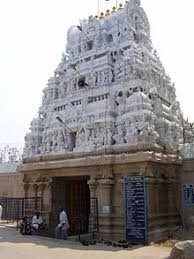
Located in the holy city of Tirupati, amidst the spiritual buzz surrounding the mighty Venkateswara Swamy, stands the Sri Kodandaramaswamy Temple—a sanctuary of serenity and a testament to the region’s deep Vaishnava roots. Dedicated to Lord Rama, the seventh avatar of Vishnu, this temple is one of the most significant religious sites in the Chittoor district of Andhra Pradesh.
1. Introduction & Spiritual Essence
Primary Deity and Form
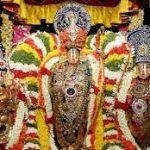
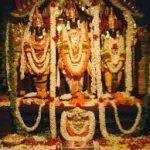
The presiding deity here is Sri Kodandaramaswamy (Kodanda meaning bow, and Rama meaning the charming one). He is enshrined along with his consort, Sita Devi, and his devoted brother, Lakshmana. Unlike the dynamic warrior Rama seen in some iconography, the deity here is serene, embodying the ideal of Dharma (righteousness). To the left of the main shrine is a dedicated sub-shrine for Anjaneya (Hanuman), the eternal devotee.
Phalaśruti: Why Devotees Visit
According to temple legends and the spiritual beliefs of devotees, a visit to the Kodandarama Temple is believed to remove obstacles caused by Rahu-Ketu doshas (astrological afflictions). It is said that worshipping Lord Rama here grants Sakala Saubhagyas (all forms of prosperity) and helps cleanse ancestral karma. The temple is a spiritual anchor for those seeking stability in family life and success in righteous endeavors.
2. Historical Origins & Scriptural Legend
The Dravidian Lineage
According to temple records and architectural analysis, the Kodandarama Temple was constructed in the 10th Century CE. While the specific dynasty that commissioned the original structure is often debated among local historians, the current Dravidian style architecture suggests strong influences from the Vijayanagara era, who were prolific builders in the Tirupati region. The temple has undergone significant renovations over the centuries to preserve its sanctity and structural integrity.
Scriptural Legend: The Chola Connection
Tradition holds that the origin of this temple is linked to the legendary Chola King, Thondaman Chakravarti. It is believed that during his exile, the King came to this region to perform penance. Through a divine vision, he discovered the self-manifested (Swayambhu) idol of Lord Rama. Overjoyed, he constructed the temple to enshrine the Lord, establishing a ritualistic tradition that continues to this day.
3. Architectural Marvels
Dravidian Style & Vastu
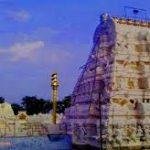
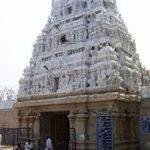
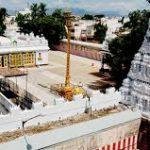
The temple exemplifies the Dravidian architectural style, characterized by its vertical temple towers (Shikharas) and extensive pillared halls. The layout adheres to Vastu Shastra, ensuring the energy flow aligns with the cosmic forces. The Garbhagriha (sanctum sanctorum) is positioned strategically to align with solar movements during specific equinoxes.
Sculpture and Mandapas
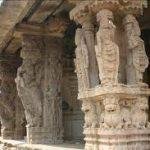
The Mandapa (hall of worship) features intricate carvings depicting scenes from the Ramayana. The pillars are adorned with motifs of Yalis (mythical creatures) and floral geometric patterns typical of South Indian temple art. The exterior walls feature niches housing various deities, reflecting the syncretic traditions of Vaishnavism. While the temple is significant, it is not listed as a UNESCO World Heritage site.
4. Darshan & Ritual Logistics
For a seamless spiritual experience in 2026, devotees should adhere to the following schedule and procedures. The Tirumala Tirupati Devasthanams (TTD) manages the administration of this temple.
Daily Temple Timings
The temple generally opens early for Suprabhatam and closes late after Ekantha Seva. However, standard visiting hours are:
| Session | Timing |
|---|---|
| Morning Darshan | 07:00 AM – 12:00 PM |
| Afternoon Break | 12:00 PM – 04:00 PM |
| Evening Darshan | 04:00 PM – 08:30 PM |
| Rojala Seva (Mon, Wed, Fri) | 07:00 PM |
Key Sevas and Online Booking
Devotees can perform Abhishekam (ritual bathing of the idol) and Archana (recitation of names) to the deity. As of 2026, all seva bookings are managed via the official TTD app or website.
- Arjita Brahmotsavam: Performed every Friday evening.
- Special Entry Darshan: Available for ₹300, usually includes laddu prasadam.
- Booking Platform: Visit ttdsevaonline.com. Advance booking opens 120 days prior to the date of visit.
2026 Major Festivals
- Sri Rama Navami: April 6, 2026. The grandest event here, featuring Hanumantha Vahana Seva and the celestial wedding of Sita and Rama.
- Brahmotsavams: Scheduled between March 25th and April 2nd, 2026. This 9-day festival includes the Rathotsavam (Chariot procession).
- Teppotsavam (Float Festival): Celebrated on the Sri Ramachandra Pushkarini (temple tank) during April 2026.
- Vaikunta Ekadasi: December 30, 2026 (tentative).
5. Practical Visitor Guidance
Dress Code & Etiquette
The temple follows a strict traditional dress code. Men must wear Dhoti or trousers with a shirt (no vest/t-shirt). Women must wear Saree, Half-Saree, or Chudidhar with Dupatta. Western attire (jeans, shorts) is strictly prohibited inside the sanctum.
Photography & Electronic Devices
Photography is strictly prohibited inside the temple complex and sanctum sanctorum. Mobile phones are allowed but must be switched to silent mode. There are free cloakrooms available near the entrance to deposit large bags and electronics.
Accessibility & Crowd Management
For accessibility, the temple has a ramp for wheelchair users near the eastern entrance. However, the inner sanctum involves stairs, which may require assistance.
Best Time to Visit: To avoid crowds, visit between 7:00 AM and 9:00 AM on weekdays. Avoid weekends leading up to festival dates. During May and June, Tirupati experiences high temperatures (up to 40°C), so carrying a water bottle is essential.
6. Pilgrimage Connectivity
How to Reach
- Nearest Airport: Tirupati International Airport (TIR), located in Renigunta (approx. 15 km from the city). Direct flights are available from major metros like Hyderabad, Bangalore, and Chennai.
- Railway Station: Tirupati Main Railway Station (TPTY) is the major railhead well-connected to all parts of India. The temple is a short auto-rickshaw ride (10-15 mins) from the station.
- Road: Tirupati is well-connected via NH 71 and NH 40. Buses run frequently from Chennai (130 km), Bangalore (250 km), and Hyderabad (550 km).
Nearby Sacred Sites (The Circuit)
- Padmavathi Temple (Tiruchanur): Located 5 km from Tirupati, dedicated to Goddess Padmavathi (Consort of Lord Venkateswara). It is ideal to visit this temple before proceeding to Tirumala.
- Srikalahasti Temple: A Shiva temple located 38 km north of Tirupati, famous for the Rahu-Ketu Sarpa Dosha Pooja.
- Kapila Theertham: A waterfall and temple complex situated at the base of the Tirumala hills, just 2 km from the Kodandarama Temple.
7. Frequently Asked Questions
1. Is there a VIP darshan entry at Kodandarama Temple?
Yes, the temple offers a Special Entry Darshan (₹300) similar to the Tirumala system. Additionally, devotees with a Seva bundle from the Tirumala temple can often access priority darshan here.
2. Is the temple open for 24 hours?
No, unlike the main Tirumala temple, the Kodandarama Temple follows standard timings (typically 07:00 AM to 08:30 PM). However, on special days like Rama Navami, it remains open for extended hours.
3. Can we perform marriages or naming ceremonies in this temple?
Yes, the temple administration allows small ceremonies like Sashtiapthapoorthi (60th birthday) and marriages in the designated halls. One must apply through the TTD website at least 3 months in advance.
4. What is the significance of the Hanuman sub-shrine?
Here, Hanuman is revered as Jwala Hanuman. It is believed that praying here instills immense courage and devotion in the devotee, mirroring the qualities of Hanuman himself.
5. Is parking available near the temple?
Yes, a paid parking lot is available near the railway station, from which the temple is a 10-minute walk. Direct parking at the temple is limited due to narrow streets in the old city area.
Contact Details
Official Address: Sri Kodandaramaswamy Temple, Tirupati, Chittoor District, Andhra Pradesh 517501.
Administration: Managed by Tirumala Tirupati Devasthanams (TTD).
Helpline: +91-877-226-4272 (Note: This is a central TTD number; local temple lines may vary).
Recent Posts

Shri Kaamkoteeshwar Mandir, Varanasi – History & Significance
In the heart of Kashi, the eternal city of Lord Shiva, where the Ganges flows with celestial grace, stands the Shri Kaamkoteeshwar Mandir. This sacred Sannidhi is not merely a temple but a profound spiritual bridge between the Northern…

ओ सांवरे तूने ही मुझको संभाला – Lyrics & Meaning
ओ सांवरे तूने ही मुझको संभाला – A Prayer to Shyam Origin & Spiritual Essence Why This Bhajan Resonates Devotees chant this when overwhelmed by life’s storms—the refrain ‘तूने ही मुझको संभाला’ is the soul’s sigh of relief: “You…

कथा ये है महाराज मेरे की – Lyrics & Meaning
कथा ये है महाराज मेरे की छत्रपति संभाजी महाराज – A Prayer to Chhatrapati Sambhaji Maharaj Origin & Spiritual Essence Why This Bhajan Resonates Devotees chant this when their spirit feels tested—its powerful refrain “महाराज मेरे” is a soul’s…

Rigveda Samhita Yathartha Anuvada (ऋग्वेद संहिता यथार्थ अनुवाद) – Complete Set with Anvayartha & Hindi/English Translation
The Rigveda is the oldest surviving scripture of humanity and the foundational text of Sanātana Dharma. For serious students, scholars, UPSC aspirants studying ancient Indian history, Sanskrit learners, and spiritual seekers, a precise and grammatically structured translation is indispensable.…

आना भी अकेला है जाना भी अकेला है – Lyrics & Meaning | BharatTemples
आना भी अकेला है जाना भी अकेला है – A Prayer to the Divine Witness Origin & Spiritual Essence Why This Bhajan Resonates Devotees turn to this bhajan in moments of deep reflection—when life’s attachments begin to ache. The…

माता शेरावाली के द्वार जो भी जाता है – Lyrics & Meaning
माता शेरावाली के द्वार जो भी जाता है – A Prayer to Maa Sherawali Origin & Spiritual Essence Why This Bhajan Resonates Devotees turn to this bhajan in times of fear or uncertainty—its promise that no one leaves Maa’s…

मार लेना सपणी उबार लेणा भवरा – Lyrics & Meaning
मार लेना सपणी उबार लेणा भवरा – A Prayer to the Divine Beloved Origin & Spiritual Essence Why This Bhajan Resonates Devotees chant this in moments of deep vulnerability—its cry of “मार लेना सपणी, उबार लेणा भवरा” is the…

हमें श्याम सुंदर भरोसा तुम्हारा – Lyrics & Meaning
हमें श्याम सुंदर भरोसा तुम्हारा – A Prayer to Shyam Sundar Origin & Spiritual Essence Why This Bhajan Resonates Devotees chant this when feeling alone—its refrain ‘de do sahara’ is the soul’s cry for divine support. Lyrics in Hindi…

Mere Satguru Ne Di Thi Davai Lyrics in Hindi & Meaning
Mere Satguru Ne Di Thi Davai: Invoking the Guru’s Liberating Wisdom This soul-stirring bhajan venerates the Satguru (True Spiritual Master) as the divine physician who dispenses the only remedy for life’s deepest sufferings. Composed by Sant Karmaveer Tufani, it…

Janm Diyo Thari Maa Dukh Dekhiyo Lyrics in Hindi & Meaning
जन्म दियो थारी माँ दुख देखियो (Maa’s Grief Upon Birthing You) This soul-stirring Chetavani Bhajan (admonitory hymn) is addressed to the Divine Mother (Maa) – a call for repentance when children forget their filial duties in the dark age…