
Contents
- 1 Kulandeshwara Temple, Andhra Pradesh: The Definitive Pilgrimage Guide (2026)
Kulandeshwara Temple, Andhra Pradesh: The Definitive Pilgrimage Guide (2026)
By Lead Heritage Architect & SEO Strategist, bharattemples.com
Welcome to the sacred precincts of the Kulandeshwara Temple, a timeless monument of faith standing tall in the heart of Kattamanchi, Chittoor district. As we approach 2026, this guide serves as your comprehensive bridge between historical reverence and modern pilgrimage logistics. We invite you to explore the spiritual resonance of this ancient Shiva temple, a jewel of the Chola architectural legacy.
Introduction & Spiritual Essence
The Kulandeshwara Temple is primarily dedicated to Lord Shiva, worshipped here in the form of Kulandeshwara. While many Shiva temples refer to him as the “Supreme Ruler,” the name Kulandeshwara holds profound local significance. In Tamil and Telugu traditions, “Kulantha” or “Kulanthai” implies a child; legends suggest that Lord Shiva here blesses childless couples (standing as a guardian figure), and hence, he is revered as the “Lord of the Descendants.”
Phalaśruti (Spiritual Benefits):
Why do devotees flock to this ancient shrine? The temple is renowned for alleviating Pitru Dosha (ancestral afflictions). It is believed that offering prayers here helps cleanse karmic debts passed down through generations. Additionally, devotees seek blessings for fertility, marital harmony, and the overall well-being of the family lineage.
Architectural Preservation
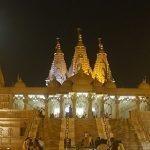
The temple structure has been preserved through centuries, showcasing the resilience of ancient engineering. Visitors can view the sanctity of the complex through the following visual documentation:
Historical Origins & Scriptural Legend
Chola Dynasty Heritage
According to temple records and ASI (Archaeological Survey of India) notations, the Kulandeshwara Temple dates back to the 11th Century CE. It was constructed during the zenith of the Chola Dynasty, a period noted for its patronage of arts, sculpture, and Shaivism. The temple stands as a testament to the Chola influence that permeated deep into the Andhra region, particularly in the Chittoor district.
The Sthala Purana
Tradition holds that the land of Kattamanchi was once a dense forest of Kulinja trees (a local flora). Sage Agastya is said to have meditated here, invoking Lord Shiva. Pleased by the sage’s austerity, Shiva manifested as a Swayambhu Lingam (self-manifested). The local folklore speaks of a divine stream (often referred to as the local water source) that emerged near the temple base, believed to possess healing properties for skin ailments.
Architectural Marvels
Dravidian Style & Vastu Shastra
The temple is a masterpiece of the Dravidian style of architecture, characterized by its towering Gopuram (gateway tower) and intricate carvings. The layout adheres to strict Vastu Shastra principles, aligning the axis of the temple with the cardinal directions to channel cosmic energies.
Key Structural Elements
- The Garbhagriha (Sanctum Sanctorum): Houses the main deity, the Lingam, which is slightly inclined towards the south, a rare architectural feature.
- Mandapas: The temple features several pillared halls. The Maha Mandapa is adorned with sculptures depicting scenes from the Puranas, specifically the marriage of Lord Shiva and Parvati.
- Sculptures: The exterior walls feature exquisite friezes of Dwarapalakas (guardian deities) and various manifestations of Shiva (Nataraja, Somaskanda).
The temple is currently under the protection of the State Archaeology Department, Andhra Pradesh.
Darshan & Ritual Logistics
Below is the schedule for 2026. Please note that timings may vary slightly during festival seasons.
| Session | Timings | Activity |
|---|---|---|
| Morning | 06:00 AM – 12:00 PM | Morning Abhishekam, Archana, General Darshan |
| Afternoon | 12:00 PM – 04:00 PM | Temple Rest / Ritual Cleaning |
| Evening | 04:00 PM – 08:30 PM | Evening Aarti, Darshan, Special Sevas |
Key Sevas & Online Booking
Devotees can book the following services via the official Andhra Pradesh Endowments Department portal (assumed link for 2026):
- Abhishekam: Performed on Ekadashi days. Cost: ₹500 (includes offering materials).
- Rudra Homam: For planetary peace. Cost: ₹1,500.
- Kumkuma Archana: Daily ritual. Cost: ₹50.
2026 Major Festival Calendar
- Maha Shivaratri: March 7, 2026 (Special night-long darshan).
- Karthika Deepam: November 5, 2026.
- Pradosham: 13th and 28th of every month (Bi-monthly).
Practical Visitor Guidance
Dress Code & Etiquette
As a site of deep spiritual significance, modesty is required. Men are advised to wear Dhoti or Mundu (or trousers with a traditional upper cloth). Women should wear Saree, Salwar Kameez, or traditional attire. Avoid shorts and sleeveless tops.
Crowd Management & Seasonal Advice
Best Time to Visit: The temple is open year-round, but the ideal months are November to February (winter) when the weather in Chittoor is pleasant.
- Peak Hours: 7:00 AM – 9:00 AM and 5:00 PM – 7:00 PM. To avoid crowds, visit mid-morning (10:00 AM) or post-lunch (2:00 PM).
- Summer (April–June): Temperatures soar above 40°C. Carry a water bottle, hat, and umbrella. Hydration is critical.
- Mobile Lockers: Small electronic items and mobile phones are usually not allowed inside the inner sanctum. Dedicated locker facilities are available near the ticket counter.
- Photography: Strictly prohibited inside the Garbhagriha and near the deity. Photography is allowed in the outer courtyards (Mandapas) unless restricted by security on a specific festival day.
- Accessibility: The temple has stone steps at the entrance. Wheelchair access is available via a ramp on the eastern side, though the inner sanctum remains difficult to access due to its antiquity.
Pilgrimage Connectivity
How to Reach Kulandeshwara Temple
The temple is located in Kattamanchi, near Chittoor town.
- By Air: The nearest airport is Tirupati Airport (TIR), approximately 70 km away. The second option is Chennai International Airport (MAA), roughly 150 km away.
- By Rail: The closest major railway junction is Chittoor Railway Station (located 5 km from the temple). Autos and cabs are readily available.
- By Road: Kattamanchi is well-connected via National Highway 40 (NH40). Regular APSRTC buses run from Chittoor bus stand to Kattamanchi.
Nearby Sacred Sites (Pilgrimage Circuit)
- Sri Kalahasteeswara Temple: Located about 40 km away, this is a major Shiva temple and one of the Pancha Bhoota Stalas (representing the element of Vayu).
- Nagari Temple: An ancient site located near the foothills of Nagari, famous for its rock-cut cave temples.
- Chandragiri Fort & Temple: A historical fort complex housing a Venkateswara temple, showcasing Indo-Islamic architecture.
Frequently Asked Questions (FAQs)
1. Is there a VIP Darshan entry available?
Yes, the temple trust provides a special entry darshan for senior citizens and specially-abled devotees. VIP tickets can be purchased at the counter, subject to availability.
2. Can I book seva online for 2026?
Yes, online booking for major sevas like Abhishekam and Rudra Homam is available through the official AP Endowments website. It is recommended to book at least 15 days in advance for festival days.
3. Is there accommodation available nearby?
While the temple does not have guesthouses, Kattamanchi town and Chittoor city offer several budget hotels and lodges. For a spiritual stay, devotees can check for rooms at the Tirumala Tirupati Devasthanams (TTD) choultries in Chittoor.
4. What is the best time for a peaceful darshan?
Weekdays (Tuesday to Thursday) between 10:00 AM and 1:00 PM are generally less crowded. Mondays are considered auspicious for Lord Shiva but tend to be busier.
5. Is Prasadam available inside the temple?
Yes, the temple provides free Annadhanam (rice and dal) to all devotees between 12:00 PM and 2:00 PM. Special packets of Laddu Prasadam can be purchased from the counter near the exit.
| Date built: | 11th century |
|---|---|
| Deity: | – |
| Architectural style: | Dravidian architecture |
| Major festivals | – |
| Locale: | – |
| District:: | chittor |
| Address: | – |
| Phone | – |
Photo Gallery
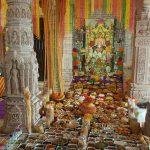
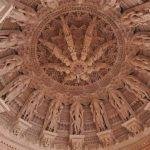
Explore the visual splendor of the Kulandeshwara Temple. Click on the images below to expand the gallery.
Contact Details & Official Address
Executive Officer,
Kulandeshwara Temple Board,
Kattamanchi, Chittoor District,
Andhra Pradesh – 517127.
Phone: 08572-XXXXXX (Temple Office)
Conclusion
The Kulandeshwara Temple is not merely a structure of stone but a living vessel of Chola legacy and Shaiva devotion. As you plan your visit in 2026, let the spiritual tranquility of Kattamanchi rejuvenate your soul. May Lord Kulandeshwara bestow peace and prosperity upon your journey.
Recent Posts

Shri Kaamkoteeshwar Mandir, Varanasi – History & Significance
In the heart of Kashi, the eternal city of Lord Shiva, where the Ganges flows with celestial grace, stands the Shri Kaamkoteeshwar Mandir. This sacred Sannidhi is not merely a temple but a profound spiritual bridge between the Northern…

ओ सांवरे तूने ही मुझको संभाला – Lyrics & Meaning
ओ सांवरे तूने ही मुझको संभाला – A Prayer to Shyam Origin & Spiritual Essence Why This Bhajan Resonates Devotees chant this when overwhelmed by life’s storms—the refrain ‘तूने ही मुझको संभाला’ is the soul’s sigh of relief: “You…

कथा ये है महाराज मेरे की – Lyrics & Meaning
कथा ये है महाराज मेरे की छत्रपति संभाजी महाराज – A Prayer to Chhatrapati Sambhaji Maharaj Origin & Spiritual Essence Why This Bhajan Resonates Devotees chant this when their spirit feels tested—its powerful refrain “महाराज मेरे” is a soul’s…

Rigveda Samhita Yathartha Anuvada (ऋग्वेद संहिता यथार्थ अनुवाद) – Complete Set with Anvayartha & Hindi/English Translation
The Rigveda is the oldest surviving scripture of humanity and the foundational text of Sanātana Dharma. For serious students, scholars, UPSC aspirants studying ancient Indian history, Sanskrit learners, and spiritual seekers, a precise and grammatically structured translation is indispensable.…

आना भी अकेला है जाना भी अकेला है – Lyrics & Meaning | BharatTemples
आना भी अकेला है जाना भी अकेला है – A Prayer to the Divine Witness Origin & Spiritual Essence Why This Bhajan Resonates Devotees turn to this bhajan in moments of deep reflection—when life’s attachments begin to ache. The…

माता शेरावाली के द्वार जो भी जाता है – Lyrics & Meaning
माता शेरावाली के द्वार जो भी जाता है – A Prayer to Maa Sherawali Origin & Spiritual Essence Why This Bhajan Resonates Devotees turn to this bhajan in times of fear or uncertainty—its promise that no one leaves Maa’s…

मार लेना सपणी उबार लेणा भवरा – Lyrics & Meaning
मार लेना सपणी उबार लेणा भवरा – A Prayer to the Divine Beloved Origin & Spiritual Essence Why This Bhajan Resonates Devotees chant this in moments of deep vulnerability—its cry of “मार लेना सपणी, उबार लेणा भवरा” is the…

हमें श्याम सुंदर भरोसा तुम्हारा – Lyrics & Meaning
हमें श्याम सुंदर भरोसा तुम्हारा – A Prayer to Shyam Sundar Origin & Spiritual Essence Why This Bhajan Resonates Devotees chant this when feeling alone—its refrain ‘de do sahara’ is the soul’s cry for divine support. Lyrics in Hindi…

Mere Satguru Ne Di Thi Davai Lyrics in Hindi & Meaning
Mere Satguru Ne Di Thi Davai: Invoking the Guru’s Liberating Wisdom This soul-stirring bhajan venerates the Satguru (True Spiritual Master) as the divine physician who dispenses the only remedy for life’s deepest sufferings. Composed by Sant Karmaveer Tufani, it…

Janm Diyo Thari Maa Dukh Dekhiyo Lyrics in Hindi & Meaning
जन्म दियो थारी माँ दुख देखियो (Maa’s Grief Upon Birthing You) This soul-stirring Chetavani Bhajan (admonitory hymn) is addressed to the Divine Mother (Maa) – a call for repentance when children forget their filial duties in the dark age…