

Contents
Introduction & Spiritual Essence
Standing on the sacred banks of the Ganga in Patna City, the Shitla Mata Mandir (also known as Shitla Devi Mandir) serves as a profound beacon of divine feminine energy. This ancient shrine is dedicated to Maa Shitla, a fierce manifestation of Goddess Durga. She is revered not only as a destroyer of diseases but also as a protector of domestic harmony and prosperity.
Devotees often refer to this temple as a potent Shakti Peeth, a locus where the divine energy is intensely concentrated. The presiding deity is worshipped in the form of a Murti (idol) that radiates serenity and power.
Phalaśruti: Why Visit?
The spiritual rewards (Phalaśruti) of visiting this temple are deeply rooted in folk beliefs and scriptural traditions:
- Cleansing of Karmic Debt: It is believed that sincere prayers here cleanse ancestral sins and liberate the soul from karmic cycles.
- Protection from Disease: As the deity governing smallpox and skin ailments, Maa Shitla is worshipped for immunity and the eradication of chronic illnesses.
- Removal of Mangal Dosha: Unmarried individuals pray here for a harmonious and timely marriage.
Historical Origins & Scriptural Legend
According to temple records, the Shitla Mata Mandir, Patna, has stood for centuries, though the exact date of construction is not explicitly documented in government archives. The structure has evolved over time through the patronage of local rulers and devotees, particularly during the Kushwaha and Gupta dynasties, who were known patrons of Shakti worship in Bihar.
The Sthala Purana
Tradition holds that the temple is built on a site where the right arm of Sati (the first incarnation of Parvati) is believed to have fallen, earning it the status of a Shakti Peeth. In local folklore, Maa Shitla is described as the consort of Shiva, residing on the peak of the Himalayas. She is often depicted riding a donkey or standing on a donkey, symbolizing her arrival to eradicate diseases (such as smallpox) and restore balance to the universe.
Architectural Marvels
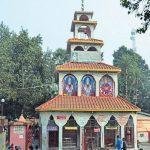
The temple showcases a traditional Nagara style of architecture, characterized by a towering shikhara (spire) that points vertically towards the heavens, symbolizing the axis mundi.
- The Shikhara: The main tower is adorned with intricate carvings of deities and floral motifs, reflecting the mastery of ancient Indian stonemasons.
- The Mandapa: The prayer hall features high pillars and an open space allowing for the accommodation of large gatherings during festivals.
- Sanctum Sanctorum: The inner sanctum houses the deity. While the original stone idol is ancient, it is often draped in vibrant silks and adorned with a crown of fresh marigolds.
Though not currently listed under ASI protected monuments, the temple is a vital part of the local heritage network in Patna District.
Darshan & Ritual Logistics
Visiting the Shitla Mata Temple requires an understanding of the daily rituals and seasonal variations in timings. The temple follows a strict Vedic schedule to ensure the purity of the sanctum.
Daily Darshan Timings
| Session | Timing |
|---|---|
| Morning Darshan | 05:00 AM – 12:00 PM |
| Afternoon Break | 12:00 PM – 03:00 PM |
| Evening Darshan | 04:00 PM – 09:00 PM |
Seva & Online Booking
The temple management facilitates various Sevas (offerings). While walk-ins are accepted for general darshan, it is advisable to book specific rituals in advance.
- Abhishekam: Ritual bathing of the deity with milk, honey, and ghee.
- Archana: Recitation of 108 names of Maa Shitla.
- Online Booking: Devotees can book Sevas via the official temple portal or trusted third-party platforms like BharatTemples.com. Look for the “Book Pooja” button on the sidebar.
Practical Visitor Guidance
To ensure a smooth pilgrimage experience in Patna, please adhere to the following guidelines.
Code of Conduct
- Dress Code: Traditional Indian attire is recommended. Men should wear dhotis or trousers with shirts, and women should wear sarees or salwar kameez.
- Photography: Photography is strictly prohibited inside the sanctum sanctorum. Mobile cameras are allowed in the outer courtyard.
- Mobile Lockers: Free mobile lockers are available near the entrance for devotees carrying electronic devices.
- Accessibility: The temple has ramps for wheelchair access on the ground floor, though the inner sanctum may require assistance due to narrow steps.
Crowd Management
- Best Time to Visit: Early morning (5:30 AM) or late evening (8:00 PM) are the least crowded times.
- Seasonal Advice: Summers in Patna can be harsh; carry a water bottle and a towel. During the monsoon (July-September), wear waterproof footwear as the temple complex can get slippery.
Pilgrimage Connectivity
Patna is a well-connected hub in Bihar. The Shitla Mata Temple is located in the heart of Patna City.
How to Reach
- By Air: Jay Prakash Narayan Airport (PAT) is approximately 20 km away. Taxis and auto-rickshaws are readily available.
- By Rail: Patna Junction is the main railway station, located just 5 km from the temple. You can take a local auto or e-rickshaw to reach English Khanpur.
- By Road: The temple is accessible via NH 83 and NH 31. Regular city buses operate from Patna Bus Stand.
Nearby Sacred Sites
Extend your pilgrimage with these nearby temples:
- Mahavir Mandir (Patna Junction): A famous Hanuman temple located near the railway station.
- Patan Devi Temple: One of the oldest temples in Patna, considered another Shakti Peeth.
- Ganga Ghat: Just a short distance away for a holy dip in the Ganges.
Frequently Asked Questions (FAQ)
Is there a VIP darshan entry?
Currently, the Shitla Mata Temple does not have a paid VIP darshan system. Darshan is available to all devotees on a first-come, first-served basis, though special passes are issued for elderly citizens and differently-abled visitors.
What are the festival dates for 2026?
Key festivals are celebrated with great fervor. Based on the 2026 Hindu calendar:
- Maha Shivaratri: February 24, 2026
- Navratri (Chaitra): March 30 – April 7, 2026
- Shitla Ashtami: April 5, 2026 (Spring) & August 29, 2026 (Autumn)
- Diwali: October 18, 2026
Is there an entry fee?
No, general entry and darshan are free of charge. However, specific Sevas like Abhishekam require a nominal fee to cover materials and priest services.
Where can I park my vehicle?
There is a designated paid parking area near the temple entrance, managed by the local municipal corporation. During peak festivals, street parking is available along the ghat roads.
Photo Gallery

Contact Details
Address: English Khanpur, Patna City, Bihar 813213
Phone: 08002456369
Architecture
The architectural style of Shitla Mata Mandir is deeply rooted in the indigenous temple designs of Bihar. The structure is built using locally quarried stone and lime mortar, typical of ancient Pala-era construction. The temple features a multi-tiered spire (Shikhara) that narrows towards the top, capped by an amalaka (disk-shaped ornament). The exterior walls are adorned with relief carvings depicting scenes from Hindu mythology, specifically the exploits of Durga and Shiva. The inner sanctum is designed to minimize natural light, creating a mystical atmosphere that enhances the spiritual experience during Darshan.
Legend / Local stories
According to local folklore, the village surrounding the temple was once struck by a terrible epidemic of smallpox. The villagers prayed to Maa Shitla for deliverance. It is said that the Goddess appeared in a dream to an elderly villager and instructed him to dig at a specific spot near the Ganga. Upon digging, a stone idol of the Goddess emerged. As the idol was consecrated, the epidemic ceased immediately. Another legend states that Maa Shitla rides a white horse here (unlike the donkey seen in other regions) to symbolize her swift action in destroying evil. Local priests often share the story of a hidden underground tunnel that allegedly connects the temple to the nearby Ganga river, used in ancient times for ritual purification.
Recent Posts

Shri Kaamkoteeshwar Mandir, Varanasi – History & Significance
In the heart of Kashi, the eternal city of Lord Shiva, where the Ganges flows with celestial grace, stands the Shri Kaamkoteeshwar Mandir. This sacred Sannidhi is not merely a temple but a profound spiritual bridge between the Northern…

ओ सांवरे तूने ही मुझको संभाला – Lyrics & Meaning
ओ सांवरे तूने ही मुझको संभाला – A Prayer to Shyam Origin & Spiritual Essence Why This Bhajan Resonates Devotees chant this when overwhelmed by life’s storms—the refrain ‘तूने ही मुझको संभाला’ is the soul’s sigh of relief: “You…

कथा ये है महाराज मेरे की – Lyrics & Meaning
कथा ये है महाराज मेरे की छत्रपति संभाजी महाराज – A Prayer to Chhatrapati Sambhaji Maharaj Origin & Spiritual Essence Why This Bhajan Resonates Devotees chant this when their spirit feels tested—its powerful refrain “महाराज मेरे” is a soul’s…

Rigveda Samhita Yathartha Anuvada (ऋग्वेद संहिता यथार्थ अनुवाद) – Complete Set with Anvayartha & Hindi/English Translation
The Rigveda is the oldest surviving scripture of humanity and the foundational text of Sanātana Dharma. For serious students, scholars, UPSC aspirants studying ancient Indian history, Sanskrit learners, and spiritual seekers, a precise and grammatically structured translation is indispensable.…

आना भी अकेला है जाना भी अकेला है – Lyrics & Meaning | BharatTemples
आना भी अकेला है जाना भी अकेला है – A Prayer to the Divine Witness Origin & Spiritual Essence Why This Bhajan Resonates Devotees turn to this bhajan in moments of deep reflection—when life’s attachments begin to ache. The…

माता शेरावाली के द्वार जो भी जाता है – Lyrics & Meaning
माता शेरावाली के द्वार जो भी जाता है – A Prayer to Maa Sherawali Origin & Spiritual Essence Why This Bhajan Resonates Devotees turn to this bhajan in times of fear or uncertainty—its promise that no one leaves Maa’s…

मार लेना सपणी उबार लेणा भवरा – Lyrics & Meaning
मार लेना सपणी उबार लेणा भवरा – A Prayer to the Divine Beloved Origin & Spiritual Essence Why This Bhajan Resonates Devotees chant this in moments of deep vulnerability—its cry of “मार लेना सपणी, उबार लेणा भवरा” is the…

हमें श्याम सुंदर भरोसा तुम्हारा – Lyrics & Meaning
हमें श्याम सुंदर भरोसा तुम्हारा – A Prayer to Shyam Sundar Origin & Spiritual Essence Why This Bhajan Resonates Devotees chant this when feeling alone—its refrain ‘de do sahara’ is the soul’s cry for divine support. Lyrics in Hindi…

Mere Satguru Ne Di Thi Davai Lyrics in Hindi & Meaning
Mere Satguru Ne Di Thi Davai: Invoking the Guru’s Liberating Wisdom This soul-stirring bhajan venerates the Satguru (True Spiritual Master) as the divine physician who dispenses the only remedy for life’s deepest sufferings. Composed by Sant Karmaveer Tufani, it…

Janm Diyo Thari Maa Dukh Dekhiyo Lyrics in Hindi & Meaning
जन्म दियो थारी माँ दुख देखियो (Maa’s Grief Upon Birthing You) This soul-stirring Chetavani Bhajan (admonitory hymn) is addressed to the Divine Mother (Maa) – a call for repentance when children forget their filial duties in the dark age…