
Contents
- 1 Kayavarohan (Karvan): The Sacred Birthplace of Sage Lakulisha
- 1.1 1. Introduction & Spiritual Essence
- 1.2 2. Historical Origins & Scriptural Legend
- 1.3 3. Architectural Marvels
- 1.4 4. Darshan & Ritual Logistics (2026 Guide)
- 1.5 5. Practical Visitor Guidance
- 1.6 6. Pilgrimage Connectivity
- 1.7 Photo Gallery
- 1.8 7. Frequently Asked Questions (FAQs)
- 1.8.1 Is there a VIP or special entry darshan at Kayavarohan Temple?
- 1.8.2 Are there accommodation facilities near the temple?
- 1.8.3 What is the significance of the stone querns found here?
- 1.8.4 Is non-vegetarian food allowed in the area?
- 1.8.5 What is the best time of year to visit?
- 1.8.6 How can I contact the temple administration?
Kayavarohan (Karvan): The Sacred Birthplace of Sage Lakulisha
Nestled on the bustling National Highway 8, 30 kilometers from the cultural hub of Vadodara, lies a spiritual cradle of ancient Shaivism: Kayavarohan. Known locally as Karvan, this village is not merely a geographical location but a Siddhakshetra—a field of spiritual fulfillment. It is universally revered as the birthplace of Lakulisha, the 2nd-century CE icon of the Shaivite revival and the propounder of the Pashupata doctrine.
1. Introduction & Spiritual Essence
At the heart of Kayavarohan stands the ancient Lakulisha Temple, a beacon for devotees seeking liberation from the cycle of birth and death. The temple is dedicated to Lord Shiva in his ascetic manifestation, Lakulisha—the “Lord of the Club” (Lagu + Ish). Unlike the cosmic Nataraja or the serene Ardhanarishwara, Lakulisha represents the Yogishwara, the master of yoga who holds the wooden club (danda) and rosary, symbolizing the control over the physical body and the mind.
Phalaśruti: The Benefits of Pilgrimage
Why do devotees undertake this pilgrimage to Kayavarohan? According to Shaivite tradition, the soil of this land is imbued with the energy of Lord Shiva’s direct descent. The very name Kayavarohan derives from Sanskrit roots: Kaya (body) + Avarohan (descent).
Devotees believe that performing rituals here yields specific benefits:
- Cleansing Ancestral Karma: Rituals performed for ancestors (Shraddha) here are believed to grant them Moksha (liberation).
- Physical and Mental Vitality: As the abode of Lakulisha, the deity associated with Yoga and vitality, pilgrims seek physical health and mental clarity.
- Removal of Planetary Obstacles: Worship here is said to pacify the malefic effects of Saturn (Shani) and Rahu.
2. Historical Origins & Scriptural Legend
Kayavarohan is a timeless witness to the four Yugas (ages) in Hindu cosmology. Its history bridges the gap between mythological lore and archaeological evidence.
The Legend of the Divine Descent
Tradition holds that this is the precise spot where Lord Shiva transmigrated into the form of a Brahmin child following a divine play (Leela). According to the Sthala Purana, after the dissolution of a previous cosmic cycle, Lord Shiva’s cosmic body descended here. Hence, the place was sanctified as Kayavarohan. It is believed that Lord Shiva still resides here in his invisible, energy form, blessing the earth with the wisdom of the Pashupata philosophy.
Archaeological & Scriptural Evidence
While the temple’s current structure has undergone renovations over the centuries, the roots of the site trace back to the 2nd Century CE.
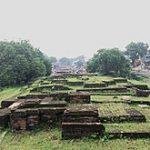
- The Lakulisha Legacy: Lakulisha is traditionally considered the 28th incarnation of Shiva, the codifier of the Pashupata Sutras. Archaeological excavations in Kayavarohan have unearthed stone querns and copper coins from the early centuries CE, confirming the site’s ancient habitation.
- Sculptural Discoveries: Historians have recovered several archaeological specimens from the site, including a beautiful head of a Tapasvi (ascetic), an image of Kartikeya (Skanda), and an idol of Uma-Maheshwara. These artifacts, now preserved in the Vadodara Museum, highlight the temple’s historical significance as a center of Shaivite art.
3. Architectural Marvels
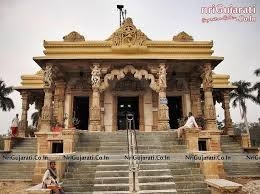
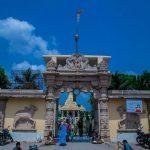
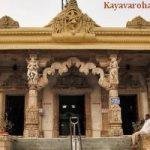
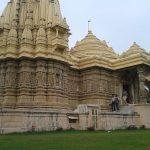
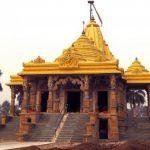
The architecture of the Kayavarohan temple is a unique blend of ancient rock-cut traditions and later masonry constructions typical of the Maru-Gurjara
Key Architectural Features
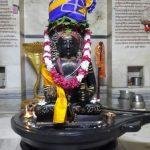
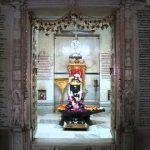
- The Sanctum (Garbhagriha): The inner sanctum houses the principal deity, Lakulisha, in a standing posture. He is depicted with a club (danda) and a water pot (kamandalu), often with attendants flanking him. The mood of the sculpture is serene yet commanding.
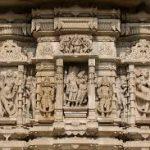
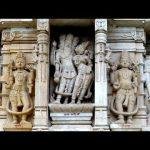
- The Mandapa: The pillared hall allows devotees to gather for discourse and meditation. The pillars often feature ornate carvings of deities from the Shaivite pantheon.
- Vastu Shastra: The temple follows traditional Vastu principles, facing East to welcome the rising sun (Surya), symbolizing the light of knowledge. The layout promotes a flow of energy from the outer world to the inner sanctum, facilitating a gradual transition into devotion.
- Historical Additions: The current superstructure includes additions made during the Mughal era and later restoration by the Gaekwad rulers of Baroda, who were great patrons of Shaivism.
4. Darshan & Ritual Logistics (2026 Guide)
Planning your visit requires understanding the daily rhythm of worship. The temple follows a standard schedule of Mangala Darshan (early morning) and Shayan Darshan (evening).
Daily Timings
| Session | Timing | Description |
|---|---|---|
| Morning Darshan | 6:00 AM – 12:00 PM | Opens with Mangala Arti. Best time for peaceful darshan. |
| Afternoon Break | 12:00 PM – 4:00 PM | Temple remains closed for rituals and priest rest. |
| Evening Darshan | 4:00 PM – 8:00 PM | Reopens for evening Arti and Shayan Darshan. |
Key Sevas and Online Booking
To enhance your spiritual experience, various Sevas (services) are offered. For the year 2026, the temple administration has streamlined the booking process through the official Gujarat Tourism portal.
- Abhishekam (Ritual Bathing): Performed with milk, honey, and water. Best timing: 7:00 AM – 9:00 AM.
- Lakulisha Archana: Recitation of 108 names of the deity. Can be performed by individuals or families.
- Rudrabhishek: A powerful Vedic ritual for peace and prosperity.
How to Book: Visit the official Gujarat Tourism website or the bharattemples.com booking portal. Search for “Kayavarohan Lakulisha Temple.” Advance booking is recommended for festivals.
2026 Major Festival Dates
- Maha Shivaratri: March 1, 2026 (Friday). Special night-long vigil and cultural programs.
- Lakulisha Jayanti: April 15, 2026 (Tuesday). Celebrates the birth of the sage; special Yagna is performed.
- Navratri: September 22 – October 1, 2026. The temple is decorated with flowers and lights; evening Aarti is extended.
- Kartik Purnima: November 5, 2026. A major bathing fair is held at the temple tank.
5. Practical Visitor Guidance
To ensure a respectful and smooth visit, please adhere to the following guidelines.
- Dress Code: Traditional Indian attire is preferred. Men should wear dhoti or trousers with a shirt; women should wear saree, salwar kameez, or churidar. Avoid shorts and sleeveless tops.
- Photography: Photography is strictly prohibited inside the Garbhagriha (sanctum sanctorum). Mobile photography is allowed in the outer premises but without flash.
- Mobile Lockers: Security near the entrance provides secure lockers for electronic devices. It is advised to deposit mobile phones before entering the inner shrine to maintain the sanctity of the space.
- Accessibility: The temple complex is relatively small with a few steps at the entrance. It is accessible for senior citizens with assistance. Wheelchair access is available through the side ramp.
- Crowd Management:
- Best Hours: Weekday mornings (Tuesday to Thursday) between 7 AM and 9 AM offer the quietest darshan.
- Seasonal Advice: Gujarat summers (April–June) are intense. Carry a water bottle and an umbrella. The Kartik Purnima fair attracts large crowds; plan transport accordingly.
6. Pilgrimage Connectivity
Kayavarohan is strategically located on the Delhi-Mumbai corridor, making it highly accessible.
How to Reach
- By Air: The nearest airport is Vadodara Airport (BDQ), approximately 35 km away (45 mins drive). Direct flights are available from Mumbai, Delhi, and Ahmedabad.
- By Rail: The nearest major railway station is Vadodara Railway Station (BRC). From there, hire a taxi or take a GSRTC bus to Karvan.
- By Road: Kayavarohan is situated directly on National Highway 48 (formerly NH 8). It is well-connected by bus and taxi from Vadodara, Anand, and Ahmedabad.
Nearby Sacred Sites (Pilgrimage Circuit)
Extend your spiritual journey by visiting these nearby holy sites:
- Kirti Mandir (Vadodara): The memorial of Maharaja Sayajirao Gaekwad, a symbol of the city’s cultural heritage.
- Nazarbagh Palace Temple (Vadodara): A historic temple complex within the city, known for its intricate marble work.
- Sultanpur (Near Ahmedabad): Famous for the Swaminarayan Temple, located about 70 km from Kayavarohan.
Photo Gallery
7. Frequently Asked Questions (FAQs)
Is there a VIP or special entry darshan at Kayavarohan Temple?
Yes, the temple administration offers a “Special Darshan” pass for senior citizens and differently-abled pilgrims. VIP entry can be arranged by contacting the temple office one day in advance.
Are there accommodation facilities near the temple?
While Kayavarohan is a small village, Vadodara (30 km away) offers excellent hotel options ranging from budget to luxury. For a spiritual stay, devotees often visit the Swaminarayan Temple guest houses in Vadodara or Anand.
What is the significance of the stone querns found here?
The stone querns and copper coins discovered in archaeological digs indicate that Kayavarohan was a thriving hub of trade and domestic life as early as the 2nd century CE, supporting the narrative of its existence as a ancient town.
Is non-vegetarian food allowed in the area?
No. Being a holy pilgrimage site, Kayavarohan and its immediate surroundings are strictly vegetarian. Alcohol and meat are prohibited.
What is the best time of year to visit?
The ideal time is between October and March. The weather is pleasant, and you can coincide your visit with Maha Shivaratri or Kartik Purnima for a vibrant festive experience.
How can I contact the temple administration?
For specific queries regarding bookings or donations, you can contact the local panchayat office in Karvan or the Vadodara Tourism Information Centre.
Recent Posts

Shri Kaamkoteeshwar Mandir, Varanasi – History & Significance
In the heart of Kashi, the eternal city of Lord Shiva, where the Ganges flows with celestial grace, stands the Shri Kaamkoteeshwar Mandir. This sacred Sannidhi is not merely a temple but a profound spiritual bridge between the Northern…

ओ सांवरे तूने ही मुझको संभाला – Lyrics & Meaning
ओ सांवरे तूने ही मुझको संभाला – A Prayer to Shyam Origin & Spiritual Essence Why This Bhajan Resonates Devotees chant this when overwhelmed by life’s storms—the refrain ‘तूने ही मुझको संभाला’ is the soul’s sigh of relief: “You…

कथा ये है महाराज मेरे की – Lyrics & Meaning
कथा ये है महाराज मेरे की छत्रपति संभाजी महाराज – A Prayer to Chhatrapati Sambhaji Maharaj Origin & Spiritual Essence Why This Bhajan Resonates Devotees chant this when their spirit feels tested—its powerful refrain “महाराज मेरे” is a soul’s…

Rigveda Samhita Yathartha Anuvada (ऋग्वेद संहिता यथार्थ अनुवाद) – Complete Set with Anvayartha & Hindi/English Translation
The Rigveda is the oldest surviving scripture of humanity and the foundational text of Sanātana Dharma. For serious students, scholars, UPSC aspirants studying ancient Indian history, Sanskrit learners, and spiritual seekers, a precise and grammatically structured translation is indispensable.…

आना भी अकेला है जाना भी अकेला है – Lyrics & Meaning | BharatTemples
आना भी अकेला है जाना भी अकेला है – A Prayer to the Divine Witness Origin & Spiritual Essence Why This Bhajan Resonates Devotees turn to this bhajan in moments of deep reflection—when life’s attachments begin to ache. The…

माता शेरावाली के द्वार जो भी जाता है – Lyrics & Meaning
माता शेरावाली के द्वार जो भी जाता है – A Prayer to Maa Sherawali Origin & Spiritual Essence Why This Bhajan Resonates Devotees turn to this bhajan in times of fear or uncertainty—its promise that no one leaves Maa’s…

मार लेना सपणी उबार लेणा भवरा – Lyrics & Meaning
मार लेना सपणी उबार लेणा भवरा – A Prayer to the Divine Beloved Origin & Spiritual Essence Why This Bhajan Resonates Devotees chant this in moments of deep vulnerability—its cry of “मार लेना सपणी, उबार लेणा भवरा” is the…

हमें श्याम सुंदर भरोसा तुम्हारा – Lyrics & Meaning
हमें श्याम सुंदर भरोसा तुम्हारा – A Prayer to Shyam Sundar Origin & Spiritual Essence Why This Bhajan Resonates Devotees chant this when feeling alone—its refrain ‘de do sahara’ is the soul’s cry for divine support. Lyrics in Hindi…

Mere Satguru Ne Di Thi Davai Lyrics in Hindi & Meaning
Mere Satguru Ne Di Thi Davai: Invoking the Guru’s Liberating Wisdom This soul-stirring bhajan venerates the Satguru (True Spiritual Master) as the divine physician who dispenses the only remedy for life’s deepest sufferings. Composed by Sant Karmaveer Tufani, it…

Janm Diyo Thari Maa Dukh Dekhiyo Lyrics in Hindi & Meaning
जन्म दियो थारी माँ दुख देखियो (Maa’s Grief Upon Birthing You) This soul-stirring Chetavani Bhajan (admonitory hymn) is addressed to the Divine Mother (Maa) – a call for repentance when children forget their filial duties in the dark age…