

Contents
Introduction & Spiritual Essence
Perched majestically amidst the verdant valleys of the Western Ghats on the banks of the Bhadra River, the Annapoorneshwari Temple in Horanadu is a sanctum of profound spiritual abundance. Locally revered as Adhishakthyathmaka Sri Annapoorneshwari Ammanavara Temple and known scripturally as Sri Kshethra Horanadu, this temple is dedicated to Goddess Annapoorna, the divine provider of food and nourishment.
The term Annapoorna is a Sanskrit conjunction of Anna (food/grains) and Purna (complete/perfect), signifying the deity who grants the blessing of complete spiritual and physical satiation. Unlike many other forms of the Goddess, Annapoorna is specifically venerated for the elimination of hunger—not just physical starvation, but the existential hunger for knowledge and contentment.
Phalaśruti: The Benefits of Darshan
Devotees undertake the journey to Horanadu seeking the Phalaśruti (spiritual benefits) of removing the curse of hunger and poverty. Cleansing ancestral karma related to food wastage is a primary belief here. It is said that a visit to this temple ensures that the devotee’s household never faces a scarcity of food. Worshipping here is believed to bestow mental peace, alleviate financial distress, and remove the ill effects of planetary afflictions, specifically related to Venus and Jupiter.
Historical Origins & Scriptural Legend
The Sthala Purana and Divine Lore
The spiritual potency of Horanadu is anchored in ancient legends. One popular narrative recounts the cosmic argument between Lord Shiva and Goddess Parvati regarding the nature of Maya (illusion). To prove the material reality of the physical world, Parvati vanished, causing the natural cycles to halt and famine to engulf the earth. Taking pity on the suffering creation, Parvati reappeared as Annapoorna, distributing food to Shiva and proving that sustenance is a divine truth, not an illusion.
Another legend associated with this Kshetra involves Lord Shiva carrying the skull of Brahma (Kapala). He was cursed that the skull would remain attached to his hand until filled with food. Upon arriving at this sacred spot in Horanadu, Goddess Annapoorna filled the skull with rice, thereby liberating Shiva from the curse and establishing the site as a potent center of divine grace.
Chronology and Renovations
While tradition holds that the sage Agastya established the idol of the Goddess here during the 8th century, the current architectural structure has evolved over centuries. The temple was originally a small shrine, largely unknown outside the region. It was the fifth Dharmakartha (hereditary trustee), Sri D. B. Venkatasubba Jois, who undertook significant repairs and revival efforts. The reigning idol was reconsecrated with immense devotion on the auspicious day of Akshaya Tritiya in 1973, marking a new era of accessibility for pilgrims. The lineage of Dharmakartha priests has preserved the temple’s rituals for over 400 years.
Architectural Marvels
The temple showcases a harmonious blend of traditional Dravidian architectural styles adapted to the rugged geography of the Western Ghats.
The Sanctum and Mandapas
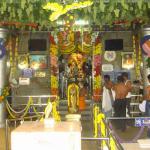
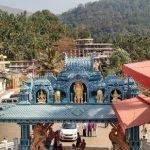
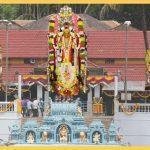
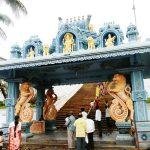
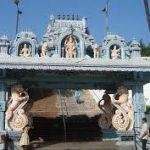
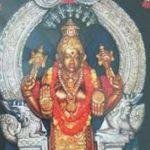
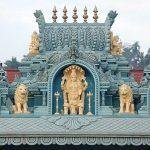
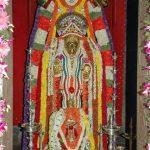
The Gopuram (entrance tower) is adorned with intricate sculptures of various Hindu deities, welcoming devotees into the complex. The main sanctum (Garbhagriha) houses the presiding deity in a standing posture with four hands holding a Shanka (conch), Chakra (discus), Sri Chakra, and Devi Gayathri. A unique feature is the Adi Sesha (the cosmic serpent) sculpted to surround the main sanctum, providing a protective canopy. The base of the idol, the Padma Peeta, features carvings of Koorma (tortoise) and Ashtagaja (eight elephants).
Unique Materials and Carvings
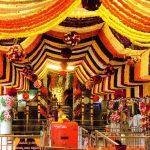
The idol of Annapoorneshwari is cast in gold (along with other precious metals), reflecting her supreme status. The ceilings of the Mandapam feature beautiful carvings that depict various mythological scenes. Unlike temples of the era, the construction material includes a unique combination of stone and traditional mortar, preserved meticulously by the hereditary priests. The Navaranga (hall of nine arts) is designed to facilitate the daily Annadanam (feeding of devotees), which is central to the temple’s ethos.
Darshan & Ritual Logistics (2026 Schedule)
To ensure a smooth Darshan, the temple administration has streamlined the daily Sevas (rituals). Below is the standard schedule for 2026. Note that timings may vary slightly during major festivals.
| Ritual / Seva | Timing | Frequency |
|---|---|---|
| Temple Opening | 06:00 AM | Daily |
| Morning Abhishekam | 07:00 AM – 08:00 AM | Daily |
| Midday Pooja / Maha Naivedyam | 12:30 PM – 01:30 PM | Daily |
| Annadanam (Community Feast) | 12:30 PM – 03:30 PM | Daily (Free) |
| Evening Darshan | 05:30 PM – 07:30 PM | Daily |
| Night Pooja / Pavalagudda | 08:30 PM | Daily |
| Temple Closing | 09:00 PM | Daily |
Key Sevas and Online Booking
The temple offers several Sevas which can be performed on behalf of the devotee:
- Special Abhishekam: Performed with milk, honey, and turmeric. Best time: Morning.
- Kumkuma Archana: Offering of saffron and vermilion.
- Akshaya Tritiya Seva: Special ritual conducted on the temple anniversary.
While the temple has traditionally operated on a walk-in basis, the administration has moved towards digitization. As of 2026, you can book certain special Sevas via the official trust website or designated online portals. For real-time updates on availability, refer to the “Sri Kshethra Horanadu” official trust updates.
2026 Festival Calendar
- Navaratri: Dates vary (Typically Oct 2026). A grand procession of the deity takes place.
- Karthika Deepam: Lighting of lamps in the temple premises (Nov/Dec).
- Akshaya Tritiya: The temple anniversary (Celebrated with special Maha Abhishekam).
- Madhwa Navami: Special significance for followers of the Madhva tradition.
Practical Visitor Guidance
Code of Conduct and Dress Code
Visitors are expected to maintain the sanctity of the temple. A strict dress code is enforced:
- Men: Dhoti or trousers with a shirt/t-shirt (avoid shorts and vests).
- Women: Saree, Salwar Kameez, or traditional attire. Avoid shorts, mini-skirts, or sleeveless tops.
Photography and Lockers
- Photography: Strictly prohibited inside the Garbhagriha (inner sanctum).
- Mobile Phones: Should be switched to silent mode. Photography in the outer quadrangle is permitted but discouraged during rituals.
- Lockers: Free mobile lockers are available near the entrance to store electronic devices and prohibited items.
Crowd Management
The temple receives heavy footfall, especially during weekends and holidays.
- Best Hours: Weekday mornings (07:00 AM – 09:00 AM) offer the shortest wait times.
- Seasonal Advice:
- Summer (May): Carry plenty of water and an umbrella. The stone steps can get very hot.
- Monsoon (June-September): Rain gear is essential. The surrounding greenery is lush, but leech protection is advisable on forest walks.
- Winter (October-February): Ideal time to visit with pleasant temperatures (15°C – 25°C).
Pilgrimage Connectivity
How to Reach Horanadu
Annapoorneshwari Temple is located in the Chikmagalur district (Malenadu region) of Karnataka.
- By Road: The temple is accessible via NH 66 (formerly NH 17). Horanadu is 350 km from Bangalore, 100 km from Chikmagalur, and 70 km from Udupi. Buses run frequently from Bangalore, Mangalore, and Mysore.
- By Rail: The nearest railway stations are Udupi (75 km) and Talaguppa (60 km). From there, taxis and buses are available.
- By Air: The nearest airports are Mangalore International Airport (85 km away) and Bengaluru Kempegowda International Airport (350 km away). Regular flights operate from Mumbai, Dubai, and Gulf countries to Mangalore.
Nearby Sacred Sites
Extend your pilgrimage with these nearby destinations:
- Bhadra Wildlife Sanctuary: Located just 6 km away, it offers a spiritual retreat into nature.
- Kalaseshwara Temple (Kalasa): 20 km from Horanadu, situated on the banks of the Tunga river.
- Sringeri Sharada Peetham: 60 km from Horanadu, the seat of Adi Shankaracharya, offers a complete spiritual circuit.
Frequently Asked Questions (FAQ)
1. Is there a VIP Darshan entry available?
While there is no separate paid VIP entry, the temple administration facilitates a special queue for the elderly (above 70 years), pregnant women, and differently-abled devotees. During peak festivals, a paid entry slip might be issued to manage crowds; please check at the information counter.
2. Can we perform a marriage or naming ceremony at the temple?
Yes, the temple complex has facilities for conducting Upanayana, weddings, and other ceremonies. Advance booking with the Dharmakartha office is mandatory. However, priority is given to the regular Poojas of the deity.
3. Is there any accommodation facility provided by the temple?
The Horanadu Annapoorneshwari Trust runs a guest house (Santhe) near the temple complex. Additionally, there are numerous private lodges and homestays in Horanadu that offer comfortable stay options. Annadanam (free food) is served to all devotees regardless of their accommodation.
4. What is the significance of the Adi Sesha and Padma Peeta?
The Adi Sesha (mythical serpent) surrounding the sanctum symbolizes protection and cosmic energy, while the Padma Peeta (Lotus Base) represents purity and the foundation of life. These architectural elements are integral to the Vastu Shastra of the temple, designed to enhance the vibrational frequency of the deity’s idol.
5. Are there ATMs available at the temple?
Yes, there are ATM facilities available in the town of Horanadu, but cash availability can be limited during festival seasons. It is advisable to carry sufficient cash from the nearest town (Chikmagalur or Udupi) before arrival.
Photo Gallery
Recent Posts

Shri Kaamkoteeshwar Mandir, Varanasi – History & Significance
In the heart of Kashi, the eternal city of Lord Shiva, where the Ganges flows with celestial grace, stands the Shri Kaamkoteeshwar Mandir. This sacred Sannidhi is not merely a temple but a profound spiritual bridge between the Northern…

ओ सांवरे तूने ही मुझको संभाला – Lyrics & Meaning
ओ सांवरे तूने ही मुझको संभाला – A Prayer to Shyam Origin & Spiritual Essence Why This Bhajan Resonates Devotees chant this when overwhelmed by life’s storms—the refrain ‘तूने ही मुझको संभाला’ is the soul’s sigh of relief: “You…

कथा ये है महाराज मेरे की – Lyrics & Meaning
कथा ये है महाराज मेरे की छत्रपति संभाजी महाराज – A Prayer to Chhatrapati Sambhaji Maharaj Origin & Spiritual Essence Why This Bhajan Resonates Devotees chant this when their spirit feels tested—its powerful refrain “महाराज मेरे” is a soul’s…

Rigveda Samhita Yathartha Anuvada (ऋग्वेद संहिता यथार्थ अनुवाद) – Complete Set with Anvayartha & Hindi/English Translation
The Rigveda is the oldest surviving scripture of humanity and the foundational text of Sanātana Dharma. For serious students, scholars, UPSC aspirants studying ancient Indian history, Sanskrit learners, and spiritual seekers, a precise and grammatically structured translation is indispensable.…

आना भी अकेला है जाना भी अकेला है – Lyrics & Meaning | BharatTemples
आना भी अकेला है जाना भी अकेला है – A Prayer to the Divine Witness Origin & Spiritual Essence Why This Bhajan Resonates Devotees turn to this bhajan in moments of deep reflection—when life’s attachments begin to ache. The…

माता शेरावाली के द्वार जो भी जाता है – Lyrics & Meaning
माता शेरावाली के द्वार जो भी जाता है – A Prayer to Maa Sherawali Origin & Spiritual Essence Why This Bhajan Resonates Devotees turn to this bhajan in times of fear or uncertainty—its promise that no one leaves Maa’s…

मार लेना सपणी उबार लेणा भवरा – Lyrics & Meaning
मार लेना सपणी उबार लेणा भवरा – A Prayer to the Divine Beloved Origin & Spiritual Essence Why This Bhajan Resonates Devotees chant this in moments of deep vulnerability—its cry of “मार लेना सपणी, उबार लेणा भवरा” is the…

हमें श्याम सुंदर भरोसा तुम्हारा – Lyrics & Meaning
हमें श्याम सुंदर भरोसा तुम्हारा – A Prayer to Shyam Sundar Origin & Spiritual Essence Why This Bhajan Resonates Devotees chant this when feeling alone—its refrain ‘de do sahara’ is the soul’s cry for divine support. Lyrics in Hindi…

Mere Satguru Ne Di Thi Davai Lyrics in Hindi & Meaning
Mere Satguru Ne Di Thi Davai: Invoking the Guru’s Liberating Wisdom This soul-stirring bhajan venerates the Satguru (True Spiritual Master) as the divine physician who dispenses the only remedy for life’s deepest sufferings. Composed by Sant Karmaveer Tufani, it…

Janm Diyo Thari Maa Dukh Dekhiyo Lyrics in Hindi & Meaning
जन्म दियो थारी माँ दुख देखियो (Maa’s Grief Upon Birthing You) This soul-stirring Chetavani Bhajan (admonitory hymn) is addressed to the Divine Mother (Maa) – a call for repentance when children forget their filial duties in the dark age…