
Contents
Introduction & Spiritual Essence of Chennakeshava
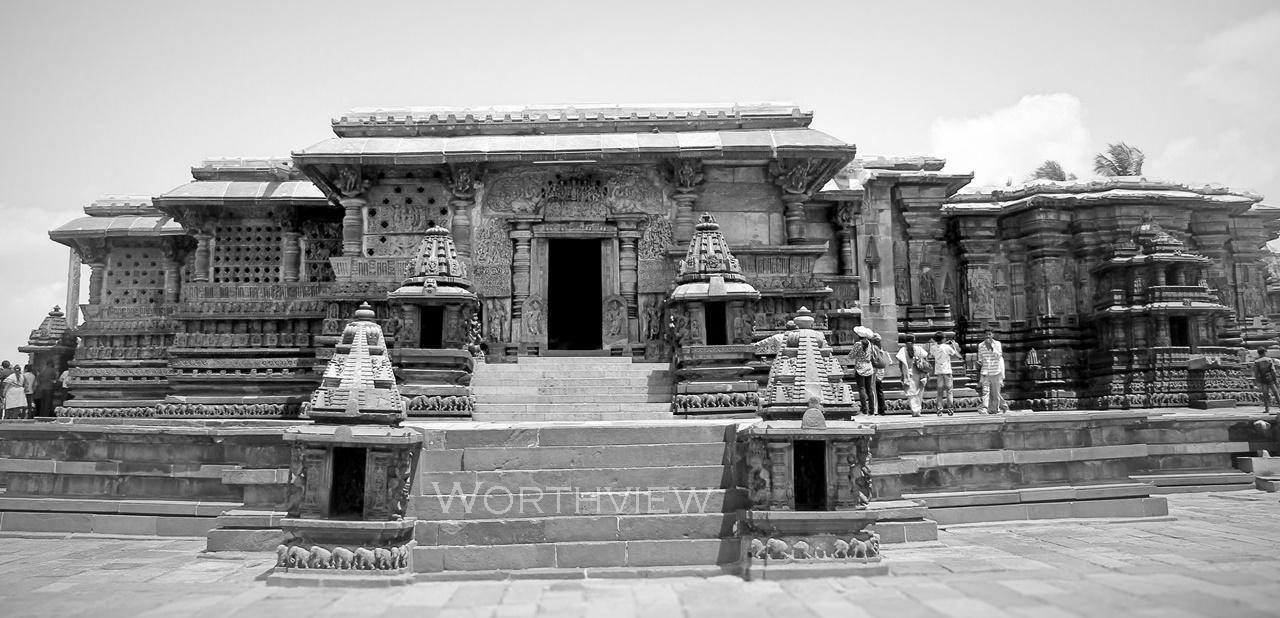
The Chennakeshava Temple in Belur, Karnataka, stands as a luminous beacon of Hoysala grandeur and Vaishnavism. Dedicated to Lord Vishnu, specifically in his form as Chennakeshava (meaning “Handsome Kesava”), this 12th-century marvel is not merely a stone structure but a living, breathing epicenter of devotion. Known historically as Vijayanarayana, the temple was commissioned by the great Hoysala king Vishnuvardhana in 1117 CE.
Phalaśruti (Spiritual Benefits): Devotees flock to this sacred shrine to seek the blessings of Lord Vishnu for spiritual liberation (Moksha) and prosperity. It is believed that performing seva here cleanses ancestral karma and grants the devotee clarity of mind. Unlike many ancient temples, Chennakeshava remains an active center of worship, allowing pilgrims to experience a direct connection with the divine through the Murti that radiates timeless serenity.
Historical Origins & Scriptural Legend
Builders and Timeline: The temple was built over 103 years, spanning three generations of Hoysala rulers. King Vishnuvardhana initiated the construction in 1117 CE to commemorate a military victory, and the structure was completed by his successors.
Scriptural & Local Legends: According to temple records and the Sthala Purana, Belur was formerly known as Velapura and was the early capital of the Hoysalas. Inscriptions refer to this city as “earthly Vaikuntha” (the abode of Vishnu). While folklore suggests the temple marks King Vishnuvardhana’s conversion to Sri Vaishnavism under the sage Ramanuja, historians note that the architecture stands as a testament to the Hoysalas’ artistic devotion rather than solely religious conversion.
Historical Trials: The temple has weathered centuries of history, including invasions by Malik Kafur of the Delhi Sultanate in the early 14th century. Despite being damaged and plundered, it was repeatedly restored, most notably by the Vijayanagara Empire, preserving its sanctity for modern pilgrims.
Architectural Marvels: Hoysala Genius
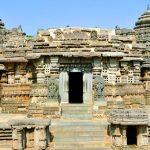
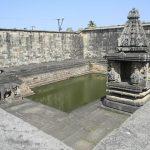
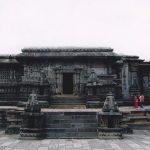
The Chennakeshava Temple is the pinnacle of Karnata Dravida style architecture, a unique Hoysala innovation. Unlike typical Hindu temples built on a flat plane, this structure sits on a raised star-shaped platform (stellate plan).
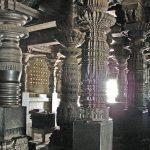
- The Mandapas: The temple features two main halls: the Maha Mantapa (Large Hall) and the Garbhagriha (Sanctum Sanctorum). The ceiling of the Maha Mantapa is a visual treat, supported by intricately carved lathe-turned pillars.
- Notable Sculptures: The star-shaped platform hosts 64 iconic Madanakai (bracket figures) of women in various dance poses. The most famous is the Mohini (enchantress) bracket figure.
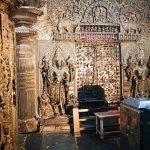
- Stone Carvings: The exterior walls are covered in friezes depicting scenes from the Ramayana, Mahabharata, and the Puranas, alongside secular depictions of 12th-century life, dancers, and musicians.
- UNESCO Status: The temple, along with the neighboring Halebidu and Somanathapura temples, has been proposed as a UNESCO World Heritage Site.
Darshan & Ritual Logistics (2026 Schedule)
Planning your visit is essential to experience the divine atmosphere. Below are the general timings; however, devotees are advised to check the official Chennakeshava Temple Trust website for last-minute changes during festivals.
| Session | Timings | Activity |
|---|---|---|
| Morning Darshan | 06:00 AM – 09:30 AM | Special Morning Pooja & Abhishekam |
| Day Break | 09:30 AM – 10:00 AM | Cleaning & Preparations |
| Mid-Day Darshan | 10:00 AM – 01:00 PM | General Darshan & Archana |
| Lunch Break | 01:00 PM – 03:00 PM | Sanctum Closed |
| Evening Darshan | 03:30 PM – 08:00 PM | Evening Aarti & Pooja |
Key Sevas and 2026 Festivals
Popular Sevas:
- Maha Abhishekam: Performed daily at 6:30 AM.
- Sahasranama Archana: Offering 1,000 names of Vishnu.
- Keshava Seva: A special offering available for booking online.
Booking: Online seva bookings can be made via the temple’s official portal. Look for the “Hoysala Heritage” section on the booking page.
2026 Festival Dates to Note:
- Vaikuntha Ekadashi: January 4, 2026 (Expect heavy crowds).
- Rama Navami: April 6, 2026.
- Keshava Jayanti: May 23, 2026 (Coinciding with Buddha Purnima).
- Deepavali: November 1, 2026.
Practical Visitor Guidance
To ensure a respectful and smooth visit, please adhere to the following guidelines:
- Dress Code: Traditional attire is highly encouraged. Men should wear dhotis or trousers with shirts; women should wear sarees, salwar kameez, or long skirts. Modesty is key.
- Photography: Photography is strictly prohibited inside the Garbhagriha (Sanctum Sanctorum). Mobile photography is allowed in the open courtyards, but flash must be disabled to protect the murals.
- Mobile Lockers: Electronic items (cameras, mobiles, belts with metal buckles) should be deposited at the free lockers provided at the entrance. The use of these lockers is mandatory for temple entry.
- Accessibility: The temple complex has stone steps. Wheelchair access is limited to the main courtyard; assistance from volunteers is recommended.
- Crowd Management: Tuesdays and weekends witness peak footfall. For a serene Darshan, visit between 2:00 PM and 4:00 PM on weekdays. Carry water, as the granite floors can be hot in summer (May).
Pilgrimage Connectivity
How to Reach: Belur is located in the Hassan district of Karnataka. The town is well-connected by road and is a central stop on the “Hoysala Heritage Circuit.”
- By Air: The nearest airport is Kempegowda International Airport, Bengaluru (BLR), approximately 220 km away (4.5-hour drive via NH75). The nearest coastal airport is Mangaluru (150 km).
- By Rail: The closest major railway junction is Hassan (35 km). From Hassan, regular buses and taxis ply to Belur. Chikmagalur (22 km) also has a smaller station.
- By Road: Belur is located on NH 75 (Bengaluru-Mangaluru Highway). Regular KSRTC buses are available from Bengaluru, Mysore, and Hassan.
Nearby Sacred Sites: To complete your pilgrimage circuit, visit:
- Halebidu (16 km): Home to the Hoysaleswara Temple, famous for its dual Shiva Lingas.
- Shravanabelagola (45 km): A major Jain pilgrimage site featuring the giant statue of Lord Gomateshwara (Bahubali).
- Yagachi River: Located just behind the temple, a serene spot for meditation.
Frequently Asked Questions (FAQs)
1. Is there a VIP Darshan entry at Chennakeshava Temple?
Yes, the temple trust offers a “Special Entry” Darshan for a nominal fee (typically INR 50-100), allowing pilgrims to bypass the general queue during peak hours. This ticket can be purchased at the counter near the entrance.
2. How long does the complete Darshan take?
On average, a complete Darshan including waiting time takes 45 minutes to 1 hour. During festivals like Vaikuntha Ekadashi, this can extend to 3–4 hours.
3. Are there accommodation options in Belur?
Yes, Belur offers various options ranging from budget guesthouses to mid-range hotels. The Karnataka Tourism Development Corporation (KTDC) runs a lodge here. Advanced booking is recommended during weekends.
4. What is the best time of year to visit?
The ideal time is between October and February when the weather is cool and pleasant, allowing for comfortable exploration of the intricate stone carvings.
5. Can we offer Prasadam inside the temple?
Outside food is generally not allowed inside the sanctum. However, there is a designated area for eating, and the temple canteen offers excellent vegetarian Prasadam (lunch and dinner) for devotees.
Photo Gallery

Contact Details
Official Address: Temple Road, Hassan District, Belur, Karnataka 573115
Phone: 081772 22218 (Belur Temple Trust Office)
Recent Posts

Shri Kaamkoteeshwar Mandir, Varanasi – History & Significance
In the heart of Kashi, the eternal city of Lord Shiva, where the Ganges flows with celestial grace, stands the Shri Kaamkoteeshwar Mandir. This sacred Sannidhi is not merely a temple but a profound spiritual bridge between the Northern…

ओ सांवरे तूने ही मुझको संभाला – Lyrics & Meaning
ओ सांवरे तूने ही मुझको संभाला – A Prayer to Shyam Origin & Spiritual Essence Why This Bhajan Resonates Devotees chant this when overwhelmed by life’s storms—the refrain ‘तूने ही मुझको संभाला’ is the soul’s sigh of relief: “You…

कथा ये है महाराज मेरे की – Lyrics & Meaning
कथा ये है महाराज मेरे की छत्रपति संभाजी महाराज – A Prayer to Chhatrapati Sambhaji Maharaj Origin & Spiritual Essence Why This Bhajan Resonates Devotees chant this when their spirit feels tested—its powerful refrain “महाराज मेरे” is a soul’s…

Rigveda Samhita Yathartha Anuvada (ऋग्वेद संहिता यथार्थ अनुवाद) – Complete Set with Anvayartha & Hindi/English Translation
The Rigveda is the oldest surviving scripture of humanity and the foundational text of Sanātana Dharma. For serious students, scholars, UPSC aspirants studying ancient Indian history, Sanskrit learners, and spiritual seekers, a precise and grammatically structured translation is indispensable.…

आना भी अकेला है जाना भी अकेला है – Lyrics & Meaning | BharatTemples
आना भी अकेला है जाना भी अकेला है – A Prayer to the Divine Witness Origin & Spiritual Essence Why This Bhajan Resonates Devotees turn to this bhajan in moments of deep reflection—when life’s attachments begin to ache. The…

माता शेरावाली के द्वार जो भी जाता है – Lyrics & Meaning
माता शेरावाली के द्वार जो भी जाता है – A Prayer to Maa Sherawali Origin & Spiritual Essence Why This Bhajan Resonates Devotees turn to this bhajan in times of fear or uncertainty—its promise that no one leaves Maa’s…

मार लेना सपणी उबार लेणा भवरा – Lyrics & Meaning
मार लेना सपणी उबार लेणा भवरा – A Prayer to the Divine Beloved Origin & Spiritual Essence Why This Bhajan Resonates Devotees chant this in moments of deep vulnerability—its cry of “मार लेना सपणी, उबार लेणा भवरा” is the…

हमें श्याम सुंदर भरोसा तुम्हारा – Lyrics & Meaning
हमें श्याम सुंदर भरोसा तुम्हारा – A Prayer to Shyam Sundar Origin & Spiritual Essence Why This Bhajan Resonates Devotees chant this when feeling alone—its refrain ‘de do sahara’ is the soul’s cry for divine support. Lyrics in Hindi…

Mere Satguru Ne Di Thi Davai Lyrics in Hindi & Meaning
Mere Satguru Ne Di Thi Davai: Invoking the Guru’s Liberating Wisdom This soul-stirring bhajan venerates the Satguru (True Spiritual Master) as the divine physician who dispenses the only remedy for life’s deepest sufferings. Composed by Sant Karmaveer Tufani, it…

Janm Diyo Thari Maa Dukh Dekhiyo Lyrics in Hindi & Meaning
जन्म दियो थारी माँ दुख देखियो (Maa’s Grief Upon Birthing You) This soul-stirring Chetavani Bhajan (admonitory hymn) is addressed to the Divine Mother (Maa) – a call for repentance when children forget their filial duties in the dark age…