
Contents
Introduction & Spiritual Essence: The Emperor of Emperors
Located in the serene landscape of Taliparamba, Kannur, the Rajarajeshwara Temple stands as a testament to unwavering devotion and architectural grandeur. Dedicated to Lord Shiva, this shrine is revered as one of the 108 ancient Shiva temples of Kerala. The presiding deity is known by the royal title Sree Rajarajeswara, translating to the “Emperor of Emperors,” signifying the supreme transcendental power governing the universe.
Unlike many other shrines, the idol here is not a carved murti but a Jyothirlingam (a radiant pillar of light) believed to have been installed by the legendary Sage Agastya. Devotees flock to this sacred spot to cleanse ancestral karma and seek solutions to complex life problems. Uniquely, the temple is renowned for Prasna—a traditional method of astrological decision-making—where a raised platform (peedha) is used outside the sanctum to resolve devotees’ queries, often considered infallible.
Phalaśruti: Why Visit Rajarajeshwara?
According to temple records and oral traditions, worshipping here grants specific spiritual benefits:
- Resolution of Legal Disputes: As the “King of Kings,” Lord Rajarajeswara is believed to intervene in legal and political challenges.
- Ancestral Peace: Rituals performed here are said to pacify the spirits of ancestors, liberating the devotee from generational debt.
- Removal of Planetary Afflictions: The Jyothirlingam is potent in mitigating the adverse effects of planetary positions in one’s horoscope.
Historical Origins & Scriptural Legend
The history of the Rajarajeshwara Temple is a tapestry of mythology and recorded history, spanning millennia.
The Legend of Taliparamba
Tradition holds that the temple’s foundation is linked to the Shakti Peetham, where the head of Goddess Sati is believed to have fallen. The current Jyothirlingam has a fascinating origin story. Sage Maandhata was the first to install a Shiva Linga here in the Treta Yuga. However, the Linga sank into the earth. Centuries later, King Muchukunda and subsequently King Shathasoman (of the Mushika/Kolathiri dynasty) attempted to install it. When the third Linga began to sink, Sage Agastya intervened. He prostrated before the deity twelve and a half times, miraculously fixing the Linga to the ground. Hence, the spot became spiritually vibrant threefold.
Legendarily, the temple was renovated by Sage Parashurama before the Kali Yuga began. It was later rebuilt in its current form in the early 11th century (1010 A.D.) by the Kolathiri kings, coinciding with the Chola architectural influence.
Historical Records & Renovations
Inscriptions on the temple tank indicate a significant renovation in 1524 A.D. The temple has withstood the test of time, including a siege by Tipu Sultan in the late 18th century. Legends narrate that when Tipu’s army attacked, the head priest prayed incessantly, and a hooded serpent appeared, immobilizing the troops and saving the temple from total destruction. The ruins of the gigantic Gopuram (gateway tower) destroyed during this conflict can still be seen at the entrance.
Architectural Marvels
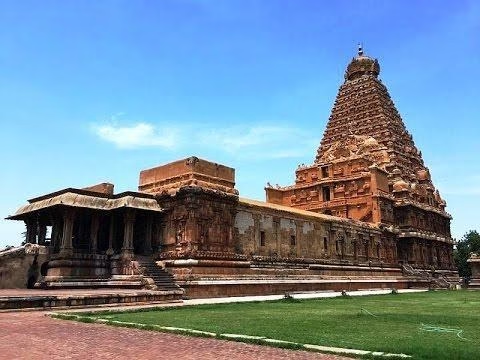
The Rajarajeshwara Temple is an architectural hybrid, blending the towering Nagara style of the Chola dynasty with the indigenous Kerala style of wood and stone.
Structural Highlights
- The Shikhara: The temple originally possessed the tallest Shikhara (dome) among South Indian temples of its time, with a top weighing approximately 90 tonnes.
- Sanctum Sanctorum (Sreekovil): The sanctum is quadrangular with a distinctive two-tiered pyramidal roof (Gajaprishta style).
- Namaskara Mandapam: Located in front of the sanctum, this hall is unique. Legend states Lord Rama prostrated here on his return from Lanka. As a mark of respect, no devotee is permitted to enter or offer prayers in this mandapam, a rule strictly followed even for Brahmins.
- Missing Flagstaff: Unlike almost all other Kerala temples, the Rajarajeshwara temple does not have a Kodi Maram (flagstaff).
- Balikkal (Altar): The sacrificial altar is open to the sky and features a mysterious, peculiar-faced figure, unlike any found elsewhere.
The temple is surrounded by a massive fortification wall, and the inner premises exude a palpable spiritual aura. The art of Koodiyattam (Sanskrit theater) is deeply associated with this shrine. The legendary artist Padma Shri Mani Madhava Chakyaar performed here for decades and received the Veerashringhala (Golden Bracelet), the highest honor bestowed by the temple scholars.
Darshan & Ritual Logistics
Planning your visit requires attention to specific timings and offerings. The atmosphere shifts from the morning serenity of Ushakalam to the vibrant evening rituals.
Daily Timings
Note: Timings may vary slightly during festival seasons.
| Session | Timings | Activity |
|---|---|---|
| Morning | 04:00 AM – 05:00 AM | Ushakalam Nada (Opening) |
| 05:00 AM – 11:00 AM | Darshan & Special Prayers | |
| 11:00 AM – 12:00 PM | Nirmalyam & Deity Rest | |
| Midday | 12:00 PM – 05:00 PM | General Darshan (Thevara Nada) |
| Evening | 05:00 PM – 06:00 PM | Deeparadhana (Evening Worship) |
| 06:00 PM – 08:15 PM | Darshan & Night Closing | |
| 08:15 PM | Athazha Pooja (Night Ritual) |
Key Sevas & Offerings
- Abhishekam: Performed with water, milk, and sandalwood paste. The most auspicious time is during the morning Ushakalam.
- Archana: Chanting of names. Can be done individually or for the family.
- Thulabharam: Offering materials equivalent to the devotee’s weight (e.g., sugar, rice, gold).
- Ghee Offering: Based on the legend of Sage Agastya lighting a perpetual lamp, offering ghee in gold or silver pitchers is highly significant.
Online Seva Booking
While the temple is managed by the Devaswom Board, specific online booking portals for Rajarajeshwara Temple can be accessed via the official Kerala Devaswom website or specific apps released by the Taliparamba Devaswom for special occasions. For daily darshan, physical tokens are usually issued at the counter.
2026 Major Festival Dates
- Mahashivratri: February 26, 2026 (A week-long festival with special night-long rituals).
- Navaratri: September 22 – October 1, 2026 (The temple is decorated with lights; Vidyarambham is celebrated on Vijayadasami).
- Prathishta Dinam: Mid-April (Anniversary of the temple’s consecration, marked by Ashtabandham renewal).
Practical Visitor Guidance
To ensure a seamless and respectful pilgrimage, adhere to the following guidelines.
Code of Conduct & Dress Code
- Attire: Traditional dress is mandatory. Men must wear Mundu/Veshti (dhoti) without shirts or with a traditional upper cloth. Women should wear sarees or full-length skirts/blouses.
- Prohibited Entry: Non-Hindus are strictly prohibited from entering the inner sanctum (Sreekovil). This is a strict adherence to temple tradition.
- Photography: Photography is strictly banned inside the temple complex and the shrine. Mobile phones should be kept silent or in lockers.
- Lockers: Coin-operated and free mobile lockers are available near the entrance for luggage and electronics.
Crowd Management
- Best Hours: For a peaceful Darshan, visit between 09:00 AM and 11:00 AM or after 07:00 PM (before closing). Avoid weekends and Mondays if possible.
- Seasonal Advice: Kannur can be humid in April/May. Carry a water bottle (to be kept outside the inner sanctum). During the monsoon (June–August), rain gear is essential as the approach roads can be slippery.
- Accessibility: The temple complex has steps. Wheelchair access is limited to the outer enclosure; assistance may be required for the inner courtyard.
Pilgrimage Connectivity
How to Reach
Address: Taliparamba, Kerala 670141
- By Air: The nearest airport is Kannur International Airport (CNN), approximately 35 km away. Taxis and airport buses connect directly to Taliparamba.
- By Rail: The closest railway station is Taliparamba (TPE) (narrow gauge) or Kannur Main Station (CAN) (broad gauge), which is about 20 km from the temple.
- By Road: The temple is located just off NH 66 (formerly NH 17). It is a 10-minute drive from the Taliparamba town center. Regular KSRTC buses ply from Kannur, Payyannur, and Thalassery.
Nearby Sacred Sites
Enhance your pilgrimage circuit by visiting these nearby spiritual centers:
- Muthappan Temple (Parassinikadavu): Located 18 km south, this temple is famous for its unique Muthappan ritual and a stunning natural aquarium.
- Payyannur Sree Varaha Temple: About 20 km north, known for the Payyannur Pavithra Ring (sacred thread).
- St. Angelo Fort (Kannur): For those interested in history, this 16th-century Portuguese fort is 25 km south.
Photo Gallery
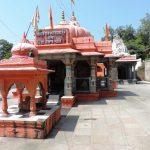
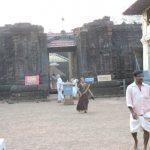
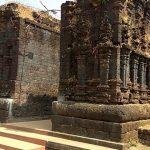
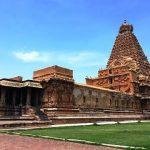
Frequently Asked Questions (FAQ)
1. Is there a VIP Darshan entry available?
Yes, the temple management occasionally offers special entry for dignitaries or those with special permits. However, for the general public, there is no separate paid VIP entry. Devotees are encouraged to utilize the Namaskara Mandapam viewing area during non-ritual hours for a closer view.
2. Can I perform the Prasna (Astrological consultation) myself?
No. Prasna is conducted only by qualified astrologers (Ashtothris) authorized by the temple. Devotees submit their queries, and the astrologer performs the ritual on the Peedha (platform) outside the sanctum.
3. What is the significance of the missing flagstaff?
While most Kerala temples use flagstaffs to invite devotees to festivals, the absence of the Kodi Maram at Rajarajeshwara Temple signifies the self-sufficient, eternal nature of the Jyothirlingam. It stands as a unique architectural anomaly that highlights the temple’s antiquity.
4. Are there accommodation facilities available?
Basic pilgrim rest houses (Devaswom Guest Houses) are available in Taliparamba town. For more comfortable stays, hotels in Kannur city (20 km) are recommended. It is advisable to book accommodation in advance during Mahashivratri and Navaratri.
5. What is the best route from Kannur Railway Station?
The most direct route is via the NH 66 highway towards Payyannur. The journey takes approximately 40 minutes by taxi. Avoid the interior village roads unless familiar, as they can be narrow.
*Note: Information based on traditional records and 2026 projection schedules. Please verify local timings before travel.*
Recent Posts

Shri Kaamkoteeshwar Mandir, Varanasi – History & Significance
In the heart of Kashi, the eternal city of Lord Shiva, where the Ganges flows with celestial grace, stands the Shri Kaamkoteeshwar Mandir. This sacred Sannidhi is not merely a temple but a profound spiritual bridge between the Northern…

ओ सांवरे तूने ही मुझको संभाला – Lyrics & Meaning
ओ सांवरे तूने ही मुझको संभाला – A Prayer to Shyam Origin & Spiritual Essence Why This Bhajan Resonates Devotees chant this when overwhelmed by life’s storms—the refrain ‘तूने ही मुझको संभाला’ is the soul’s sigh of relief: “You…

कथा ये है महाराज मेरे की – Lyrics & Meaning
कथा ये है महाराज मेरे की छत्रपति संभाजी महाराज – A Prayer to Chhatrapati Sambhaji Maharaj Origin & Spiritual Essence Why This Bhajan Resonates Devotees chant this when their spirit feels tested—its powerful refrain “महाराज मेरे” is a soul’s…

Rigveda Samhita Yathartha Anuvada (ऋग्वेद संहिता यथार्थ अनुवाद) – Complete Set with Anvayartha & Hindi/English Translation
The Rigveda is the oldest surviving scripture of humanity and the foundational text of Sanātana Dharma. For serious students, scholars, UPSC aspirants studying ancient Indian history, Sanskrit learners, and spiritual seekers, a precise and grammatically structured translation is indispensable.…

आना भी अकेला है जाना भी अकेला है – Lyrics & Meaning | BharatTemples
आना भी अकेला है जाना भी अकेला है – A Prayer to the Divine Witness Origin & Spiritual Essence Why This Bhajan Resonates Devotees turn to this bhajan in moments of deep reflection—when life’s attachments begin to ache. The…

माता शेरावाली के द्वार जो भी जाता है – Lyrics & Meaning
माता शेरावाली के द्वार जो भी जाता है – A Prayer to Maa Sherawali Origin & Spiritual Essence Why This Bhajan Resonates Devotees turn to this bhajan in times of fear or uncertainty—its promise that no one leaves Maa’s…

मार लेना सपणी उबार लेणा भवरा – Lyrics & Meaning
मार लेना सपणी उबार लेणा भवरा – A Prayer to the Divine Beloved Origin & Spiritual Essence Why This Bhajan Resonates Devotees chant this in moments of deep vulnerability—its cry of “मार लेना सपणी, उबार लेणा भवरा” is the…

हमें श्याम सुंदर भरोसा तुम्हारा – Lyrics & Meaning
हमें श्याम सुंदर भरोसा तुम्हारा – A Prayer to Shyam Sundar Origin & Spiritual Essence Why This Bhajan Resonates Devotees chant this when feeling alone—its refrain ‘de do sahara’ is the soul’s cry for divine support. Lyrics in Hindi…

Mere Satguru Ne Di Thi Davai Lyrics in Hindi & Meaning
Mere Satguru Ne Di Thi Davai: Invoking the Guru’s Liberating Wisdom This soul-stirring bhajan venerates the Satguru (True Spiritual Master) as the divine physician who dispenses the only remedy for life’s deepest sufferings. Composed by Sant Karmaveer Tufani, it…

Janm Diyo Thari Maa Dukh Dekhiyo Lyrics in Hindi & Meaning
जन्म दियो थारी माँ दुख देखियो (Maa’s Grief Upon Birthing You) This soul-stirring Chetavani Bhajan (admonitory hymn) is addressed to the Divine Mother (Maa) – a call for repentance when children forget their filial duties in the dark age…