
Contents
- 1 Pashupatinath Temple Mandsaur: The Definitive Pilgrimage Guide
Pashupatinath Temple Mandsaur: The Definitive Pilgrimage Guide
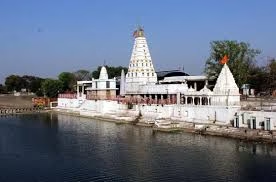
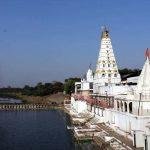
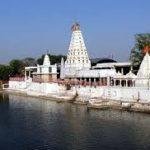
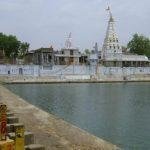
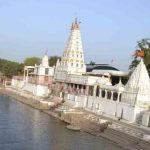
Nestled on the serene banks of the Shivna River in the historic city of Mandsaur, Madhya Pradesh, stands a marvel of ancient devotion—the Pashupatinath Temple. While the world looks toward the Pashupatinath of Kathmandu, this hidden gem in the heart of India offers a unique spiritual resonance, centered around one of the rarest theological icons in Hinduism.
For devotees and heritage enthusiasts alike, understanding the temple requires more than a visit; it requires a journey into the Sthala Purana, the architectural brilliance of the Gupta era, and the living traditions of Shaivism. This guide serves as your comprehensive manual for 2026, designed to deepen your connection with Lord Shiva in his form as the Pashupati (Lord of Beasts).
1. Introduction & Spiritual Essence
The Pashupatinath Temple in Mandsaur is not merely a place of worship; it is a site of profound theological significance. The primary deity here is Lord Shiva, worshipped specifically as Pashupatinath.
The Unique Form: Ashtamukha Linga
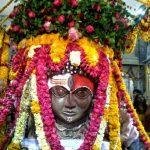
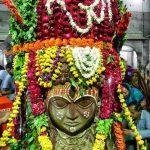
What distinguishes this temple from others is the Ashtamukha (eight-faced) Shiv Linga. This is a Swayambhu (self-manifested) idol that emerged from the depths of the Shivna River.
- The Iconography: The linga stands approximately 4.5 meters (15 feet) tall. It features four faces in the upper row and four in the lower, though the upper faces are more prominent.
- The Eight Aspects: The eight faces represent distinct aspects of Shiva in regional Shaivism theology: Bhava, Pashupati, Mahadeva, Isana, Rudra, Sharva, Ugra, and Asani.
- The Four Doors: The temple structure is built with four doors in the four cardinal directions, symbolizing that the divine is accessible to devotees from all paths.
Phalaśruti: Why Visit?
According to traditional beliefs and the Phalaśruti (scriptural promise of merit) associated with this temple:
- Protection (Pashu): The term “Pashupati” implies protection from the bondages of the material world. Devotees visit to seek liberation (Moksha) and protection from suffering.
- Ancestral Cleansing: Performing rituals here is believed to cleanse ancestral karma, ensuring peace for departed souls.
- Jalaabhishek: During the monsoon, the Shivna River swells and naturally touches the linga. Witnessing or participating in this natural Jalaabhishek (water ritual) is considered highly auspicious and spiritually purifying.
2. Historical Origins & Scriptural Legend
The history of the Pashupatinath Temple is a tapestry woven with mythological lore and archaeological evidence dating back to the Golden Age of India.
The Sthala Purana (Local Legend)
Tradition holds that the Shiv Ling is Swayambhu (self-manifested). Legend narrates that the linga emerged from the waters of the Shivna River on a Monday—an auspicious day for Shiva devotees. It is said to have floated downstream until it reached Tapeshwar Ghat, where it was consecrated. The day of its manifestation is celebrated annually with a large Mela (fair) in the temple precincts.
Historical Timeline & Archaeological Evidence
According to temple records and archaeological surveys:
- Origin Era: The site has been a pilgrimage center since the 2nd Century CE. It was historically known as Dashapura.
- The Gupta Connection: Ten inscriptions found in the Mandsaur area suggest the site was a cultural hub during the Gupta Empire (3rd to 6th Century CE). Notably, the ancient poet Kalidasa praised the women of Dashapura in his literature.
- Reconstruction: While the original temples were often destroyed or repurposed by later invasions, the current structure houses the original 1st Millennium CE Linga. This linga was discovered in the riverbed and later reconsecrated into the present temple.
3. Architectural Marvels
The temple is a testament to the “Western School” of Indian art, which flourished during the Gupta period alongside the famous sites of Udayagiri and Sondni.
Style and Structure
The architecture blends elements of the Nagara style, characterized by a soaring vertical emphasis, yet exhibits regional distinctiveness.
- The Shikhara (Tower): The temple rises to a height of 101 feet, crowned by a 100 kg gold-plated pitcher (Kalasha) that gleams against the skyline.
- Vastu Shastra: The temple is built 90 feet long and 30 feet wide, strictly adhering to Vastu principles with a central sanctum surrounded by a circumambulatory path.
- Sculptural Detail: The eight faces of the linga are carved with open eyes and a visible third eye. The detailing includes elaborate hairstyles and jewelry characteristic of the Gupta period.
Preservation Status
While not currently listed as a UNESCO World Heritage site, the temple is a protected monument of state importance. The Archaeological Survey of India (ASI) monitors the preservation of the ancient inscriptions and sculptural panels found in the vicinity.
4. Darshan & Ritual Logistics
Visiting the temple requires adherence to specific timings and ritual schedules. Below are the operational details for 2026.
Daily Temple Timings
| Session | Timing | Details |
|---|---|---|
| Morning Darshan | 06:00 AM – 12:00 PM | Best time for peaceful meditation. |
| Mid-Day Break | 12:00 PM – 04:00 PM | Sanctum is closed for maintenance. |
| Evening Darshan | 04:00 PM – 08:00 PM | Includes Aarti and special rituals. |
Key Sevas & Booking
To enhance your devotional experience, the following Sevas are available:
- Abhishekam: Ritual bathing of the Shiva Linga with milk, honey, and water. Note: Special permission is required for personal Abhishekam.
- Archana: Recitation of names. Can be performed by the temple priests on your behalf.
- Rudrabhishek: A highly potent Vedic ritual performed for peace and prosperity.
Online Booking: As of 2026, the temple administration has streamlined the online seva booking process. Devotees can register for daily pujas via the official Madhya Pradesh Tourism portal or the local temple committee website.
2026 Festival Dates (Major Events)
Planning your visit around these festivals offers a glimpse into the temple’s vibrant culture.
- Shivratri: February 26, 2026 (Expect all-night vigils and massive crowds).
- Nag Panchami: July 28, 2026 (A significant day for Snake deities associated with Shiva).
- Monsoon Jalaabhishek: Mid-July to August (Timing depends on the river level; this is a natural phenomenon rather than a fixed date).
- Kartik Purnima: November 15, 2026.
5. Practical Visitor Guidance
Ensuring a smooth pilgrimage requires preparation. Here is what you need to know.
Dress Code & Etiquette
- Attire: Traditional Indian clothing is preferred. Men should wear dhoti or kurta-pajamas; women should wear sarees or salwar kameez. Western attire is generally discouraged within the sanctum.
- Footwear: Shoes must be removed at the designated shoe rack facility. There is a nominal fee for shoe keeping.
- Mobile Phones: Photography is strictly prohibited inside the sanctum. Mobile lockers are available at the entrance for securing electronics.
Crowd Management & Seasonal Advice
- Best Hours: To avoid the morning rush, visit between 9:00 AM and 11:00 AM.
- Summer (March-June): Temperatures can rise above 40°C. Carry a water bottle and head covering.
- Monsoon (July-Sept): The area is lush but prone to sudden showers. Umbrellas are essential.
- Winter (Oct-Feb): The ideal time to visit, with temperatures ranging from 10°C to 25°C.
Accessibility
The temple complex is partially accessible. While the main courtyard has smooth pathways, there are steps leading to the sanctum. The temple committee provides assistance for elderly devotees upon request.
6. Pilgrimage Connectivity
Mandsaur is well-connected, though it retains the charm of a town removed from the chaos of megacities.
How to Reach
- By Air:
- Devi Ahilya Bai Holkar Airport, Indore (IDR): Approx. 200 km away. This is the nearest major airport with domestic and international connections.
- Rajmata Vijaya Raje Scindia Airport, Gwalior (GWL): Approx. 325 km away.
- By Train:
- Mandsaur Railway Station (MDS): Located just 3 km from the temple. It connects directly to Delhi, Mumbai, and Jaipur.
- By Road:
- NH 79 passes directly through Mandsaur, connecting it to Ratlam (84 km) and Ajmer.
- Regular state transport buses and private taxis are available from Indore and Udaipur.
Nearby Sacred Sites (The Pilgrimage Circuit)
Extend your journey to these nearby spiritual destinations:
- Satyanarayan Temple (Pashupatinath Precinct): Located very close to the main temple, dedicated to Lord Vishnu.
- Shivna River Ghats: The banks themselves are tirthas. Ritual bathing here, especially during the Kartik month, is meritorious.
- Bhanwarargarh Fort: While a historical fort, it houses several small temples and offers a panoramic view of the river and city.
7. Frequently Asked Questions (FAQs)
Is there a VIP Darshan entry available?
Yes, the temple committee offers a simplified entry pass for senior citizens and differently-abled devotees. While there is no formal “VIP” ticket, pre-booked Puja participants are allowed priority access during specific time slots.
Can I take photos of the eight-faced Linga?
Strictly no. Inside the sanctum sanctorum, photography is prohibited to maintain the sanctity of the space. However, you can take photographs of the exterior architecture and the river view.
What is the weight and size of the Shiva Linga?
The Shiva Linga is a monolith measuring approximately 8 feet by 10.5 feet and weighs roughly 4.6 tons.
Are there hotels and accommodation nearby?
Yes, Mandsaur offers a range of accommodations from government-run guest houses (PTNS) to private hotels. It is advisable to book in advance during Shivratri and the monsoon season.
What makes this temple different from the Pashupatinath in Nepal?
While the Nepal temple is the larger and more globally famous shrine, the Mandsaur temple is unique for its Ashtamukha (eight-faced) idol, which is distinct in its iconography and historical origin as a self-manifested river find.

Contact Details
Pashupatinath Temple Committee
Pashupatinath Mandir Road, Mandsaur, Madhya Pradesh 458001
Phone: 07422205288
For more information on temple timings and events, visit bharattemples.com.
Recent Posts

Shri Kaamkoteeshwar Mandir, Varanasi – History & Significance
In the heart of Kashi, the eternal city of Lord Shiva, where the Ganges flows with celestial grace, stands the Shri Kaamkoteeshwar Mandir. This sacred Sannidhi is not merely a temple but a profound spiritual bridge between the Northern…

ओ सांवरे तूने ही मुझको संभाला – Lyrics & Meaning
ओ सांवरे तूने ही मुझको संभाला – A Prayer to Shyam Origin & Spiritual Essence Why This Bhajan Resonates Devotees chant this when overwhelmed by life’s storms—the refrain ‘तूने ही मुझको संभाला’ is the soul’s sigh of relief: “You…

कथा ये है महाराज मेरे की – Lyrics & Meaning
कथा ये है महाराज मेरे की छत्रपति संभाजी महाराज – A Prayer to Chhatrapati Sambhaji Maharaj Origin & Spiritual Essence Why This Bhajan Resonates Devotees chant this when their spirit feels tested—its powerful refrain “महाराज मेरे” is a soul’s…

Rigveda Samhita Yathartha Anuvada (ऋग्वेद संहिता यथार्थ अनुवाद) – Complete Set with Anvayartha & Hindi/English Translation
The Rigveda is the oldest surviving scripture of humanity and the foundational text of Sanātana Dharma. For serious students, scholars, UPSC aspirants studying ancient Indian history, Sanskrit learners, and spiritual seekers, a precise and grammatically structured translation is indispensable.…

आना भी अकेला है जाना भी अकेला है – Lyrics & Meaning | BharatTemples
आना भी अकेला है जाना भी अकेला है – A Prayer to the Divine Witness Origin & Spiritual Essence Why This Bhajan Resonates Devotees turn to this bhajan in moments of deep reflection—when life’s attachments begin to ache. The…

माता शेरावाली के द्वार जो भी जाता है – Lyrics & Meaning
माता शेरावाली के द्वार जो भी जाता है – A Prayer to Maa Sherawali Origin & Spiritual Essence Why This Bhajan Resonates Devotees turn to this bhajan in times of fear or uncertainty—its promise that no one leaves Maa’s…

मार लेना सपणी उबार लेणा भवरा – Lyrics & Meaning
मार लेना सपणी उबार लेणा भवरा – A Prayer to the Divine Beloved Origin & Spiritual Essence Why This Bhajan Resonates Devotees chant this in moments of deep vulnerability—its cry of “मार लेना सपणी, उबार लेणा भवरा” is the…

हमें श्याम सुंदर भरोसा तुम्हारा – Lyrics & Meaning
हमें श्याम सुंदर भरोसा तुम्हारा – A Prayer to Shyam Sundar Origin & Spiritual Essence Why This Bhajan Resonates Devotees chant this when feeling alone—its refrain ‘de do sahara’ is the soul’s cry for divine support. Lyrics in Hindi…

Mere Satguru Ne Di Thi Davai Lyrics in Hindi & Meaning
Mere Satguru Ne Di Thi Davai: Invoking the Guru’s Liberating Wisdom This soul-stirring bhajan venerates the Satguru (True Spiritual Master) as the divine physician who dispenses the only remedy for life’s deepest sufferings. Composed by Sant Karmaveer Tufani, it…

Janm Diyo Thari Maa Dukh Dekhiyo Lyrics in Hindi & Meaning
जन्म दियो थारी माँ दुख देखियो (Maa’s Grief Upon Birthing You) This soul-stirring Chetavani Bhajan (admonitory hymn) is addressed to the Divine Mother (Maa) – a call for repentance when children forget their filial duties in the dark age…