
Contents
Introduction & Spiritual Essence of Muthukumaraswamy Temple
Nestled in the serene village of Perumbedu near Ponneri in the Thiruvallur district, the Muthukumaraswamy Temple stands as a beacon of divine grace dedicated to Lord Murugan. Unlike the bustling city temples, this sanctuary is enveloped by lush greenery and tranquil ponds, offering a deeply meditative atmosphere for devotees. The presiding deity, Muthukumaraswamy, is revered as the ever-youthful son of Lord Shiva and Goddess Parvati.
Phalaśruti (Spiritual Benefits): Devotees visit this temple primarily to seek blessings for relief from doshas (planetary afflictions), particularly related to the planet Mars (Mangal). The temple is also believed to possess immense spiritual energy to cleanse ancestral karma and bestow wisdom and courage upon devotees. Worshipping here is said to bring familial harmony and remove obstacles in one’s path to prosperity.
Historical Origins & Scriptural Legend
The Timeless Legacy of Lord Murugan
According to temple records and local inscriptions, the Muthukumaraswamy Temple dates back several centuries, believed to have been originally constructed during the reign of the medieval Tamil dynasties, likely the Vijayanagara era or earlier local chieftains. While exact architectural inscriptions are subject to ongoing ASI (Archaeological Survey of India) studies, the structure reflects the resilience of traditional Dravidian temple architecture.
Local Legends (Sthala Purana)
Tradition holds that this specific region, Perumbedu, was once a dense forest area where sages performed intense penance. It is said that Lord Murugan descended here to bless his ardent devotees, taking the form of a young child (Kumara). The name “Muthu” (Pearl) associated with the deity signifies the purity and precious nature of his blessings. Legend has it that the nearby river Arani carried waters from the Ganges, and bathing in it before entering the temple amplifies the spiritual merit of the visit.
Architectural Marvels
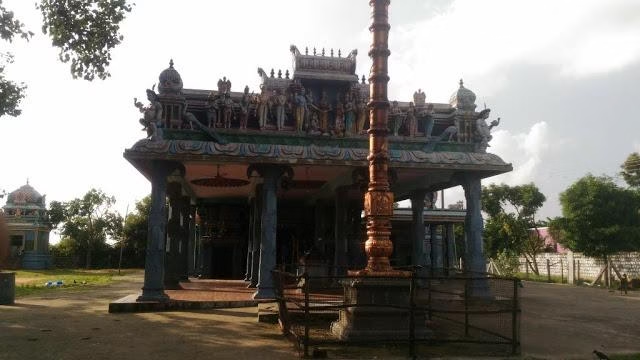
The temple showcases the quintessential Tamil Temple Architecture style. While relatively compact compared to massive temple complexes, the structure is a masterpiece of Dravidian design principles.
- Mandapas: The temple features a spacious Mandapa (hall) with intricately carved granite pillars depicting scenes from the Skanda Purana.
- Sanctum Sanctorum (Garbhagriha): The inner sanctum houses the Swayambhu (self-manifested) idol of Lord Muthukumaraswamy. The deity is portrayed with a golden spear (Vel) and is flanked by his consorts, Valli and Devasena.
- Surroundings: The temple is situated near the confluence of the Arani River, adhering to Vastu Shastra principles where water bodies enhance the energy of the deity.
Darshan & Ritual Logistics
Visiting the Muthukumaraswamy Temple is a spiritually uplifting experience. Below are the recommended timings for Darshan.
Daily Temple Timings
| Session | Timing | Activity |
|---|---|---|
| Morning | 6:00 AM – 12:00 PM | Ushathkalam Puja & Darshan |
| Afternoon | 12:00 PM – 4:00 PM | Closure / Temple Cleaning |
| Evening | 4:00 PM – 8:00 PM | Deeparadhana & Saayarakshai |
Key Sevas and Rituals (2026 Schedule)
Devotees can participate in various Sevas (offerings). While standard pujas are conducted on-site, special festival sevas can be booked via the temple administration.
- Abhishekam: Performed with milk, honey, and sandalwood paste. Ideal days: Tuesdays and Fridays.
- Archana: Recitation of hymns dedicated to Lord Murugan.
- Special Event: Thaipusam (January 2026) and Skanda Shashti (June 2026) are celebrated with grand processions. Note: Online seva booking details for major festivals are typically released 60 days in advance via the local temple office.
Practical Visitor Guidance
Temple Etiquette & Essentials
- Dress Code: Traditional attire is mandatory. Men should wear Dhotis or Pants with Shirts; Women should wear Sarees, Salwar Kameez, or long skirts. Western wear (shorts/trousers) is strictly prohibited.
- Photography: Photography is generally restricted inside the sanctum sanctorum but allowed in the outer precincts. Please seek permission from the temple priest.
- Lockers: Mobile phones and leather items (bags, belts) should be deposited at the designated counter outside the temple entrance.
- Accessibility: The temple is accessible via a short flight of steps. It is not wheelchair-friendly due to its historic construction.
Crowd Management
The temple is relatively quiet on weekdays. However, Tuesdays and full moon days (Pournami) attract higher crowds. To avoid long queues, it is best to visit between 7:00 AM and 9:00 AM. During the summer months (April–June), carry a water bottle and an umbrella as the village heat can be intense.
Pilgrimage Connectivity
How to Reach Perumbedu
The temple is strategically located near the industrial hub of Ponneri, yet maintains its rural charm.
- By Road: Located approximately 8 km from Ponneri. From Chennai, take the Chennai-Tada Highway (NH 16) towards Ennore, then proceed via Kattivakkam/Ponneri Road. The drive takes about 1 hour and 15 minutes.
- By Rail: The nearest railway station is Ponneri Railway Station (9 km). Auto-rickshaws are readily available from the station to Perumbedu.
- By Air: Chennai International Airport is approximately 58 km away.
Nearby Sacred Sites
Extend your pilgrimage by visiting these nearby spiritual centers:
- Arani River Banks: A holy dip in the Arani river near the temple is considered auspicious.
- Shri Varadaraja Perumal Temple (Siruvarpuri): Located nearby, this is one of the 108 Divya Desams dedicated to Lord Vishnu.
- Andarkuppam Temple: The third of the triad of popular Murugan temples in the region.
Photo Gallery

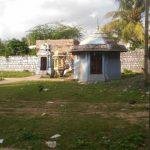
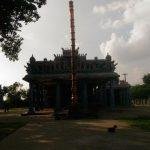
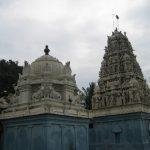
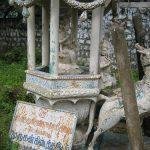
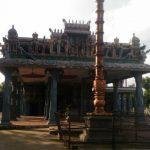
How to Reach:
The Temple is located at about 8 Kms from Ponneri, 9 Kms from Ponneri Bus Stand, 9 Kms from Ponneri Railway Station, 62 Kms from Thiruvallur, 45 Kms from Chennai and 58 Kms from Chennai Airport. From Ponneri while going to Chinnakavanam (Pulicat), immediately after crossing the river bridge, you have to take a right to Perumbedu (if you go straight you will enter Chinna Kavanam village). For the most part till Perumbedu, the road goes along the bank of the river Arani.
Frequently Asked Questions (FAQ)
1. Is there a VIP Darshan entry available?
Currently, the Muthukumaraswamy Temple in Perumbedu follows a general darshan system open to all devotees. There is no specific commercial VIP ticket system like in major temple towns, ensuring an egalitarian worship experience.
2. What is the best time to visit Muthukumaraswamy Temple?
The ideal months are between November and February when the weather is pleasant. However, for witnessing vibrant rituals, visiting during Thaipusam or Skanda Shashti (dates vary by the Tamil calendar) is highly recommended.
3. Are there accommodation facilities available nearby?
While the temple does not have attached guest houses, there are several private lodges and guest houses available in Ponneri town (8 km away) and limited amenities in Perumbedu village. It is advisable to book accommodation in Chennai or Tiruvallur for more options.
4. Can we carry home-cooked Prasad?
Yes, devotees are allowed to bring home-cooked sweets and fruits as offerings. However, it is customary to accept the temple’s official Prasadam (usually Pongal or Puliyodarai) before leaving.
5. Is there a dress code for children?
While there is no strict enforcement for infants, it is respectful to dress toddlers and children in traditional clothing when entering the inner sanctum.
Contact Details
Note: As this is a rural heritage site, direct phone lines may vary. It is recommended to contact the local Ponneri temple administration office for the most current updates.
Recent Posts

Shri Kaamkoteeshwar Mandir, Varanasi – History & Significance
In the heart of Kashi, the eternal city of Lord Shiva, where the Ganges flows with celestial grace, stands the Shri Kaamkoteeshwar Mandir. This sacred Sannidhi is not merely a temple but a profound spiritual bridge between the Northern…

ओ सांवरे तूने ही मुझको संभाला – Lyrics & Meaning
ओ सांवरे तूने ही मुझको संभाला – A Prayer to Shyam Origin & Spiritual Essence Why This Bhajan Resonates Devotees chant this when overwhelmed by life’s storms—the refrain ‘तूने ही मुझको संभाला’ is the soul’s sigh of relief: “You…

कथा ये है महाराज मेरे की – Lyrics & Meaning
कथा ये है महाराज मेरे की छत्रपति संभाजी महाराज – A Prayer to Chhatrapati Sambhaji Maharaj Origin & Spiritual Essence Why This Bhajan Resonates Devotees chant this when their spirit feels tested—its powerful refrain “महाराज मेरे” is a soul’s…

Rigveda Samhita Yathartha Anuvada (ऋग्वेद संहिता यथार्थ अनुवाद) – Complete Set with Anvayartha & Hindi/English Translation
The Rigveda is the oldest surviving scripture of humanity and the foundational text of Sanātana Dharma. For serious students, scholars, UPSC aspirants studying ancient Indian history, Sanskrit learners, and spiritual seekers, a precise and grammatically structured translation is indispensable.…

आना भी अकेला है जाना भी अकेला है – Lyrics & Meaning | BharatTemples
आना भी अकेला है जाना भी अकेला है – A Prayer to the Divine Witness Origin & Spiritual Essence Why This Bhajan Resonates Devotees turn to this bhajan in moments of deep reflection—when life’s attachments begin to ache. The…

माता शेरावाली के द्वार जो भी जाता है – Lyrics & Meaning
माता शेरावाली के द्वार जो भी जाता है – A Prayer to Maa Sherawali Origin & Spiritual Essence Why This Bhajan Resonates Devotees turn to this bhajan in times of fear or uncertainty—its promise that no one leaves Maa’s…

मार लेना सपणी उबार लेणा भवरा – Lyrics & Meaning
मार लेना सपणी उबार लेणा भवरा – A Prayer to the Divine Beloved Origin & Spiritual Essence Why This Bhajan Resonates Devotees chant this in moments of deep vulnerability—its cry of “मार लेना सपणी, उबार लेणा भवरा” is the…

हमें श्याम सुंदर भरोसा तुम्हारा – Lyrics & Meaning
हमें श्याम सुंदर भरोसा तुम्हारा – A Prayer to Shyam Sundar Origin & Spiritual Essence Why This Bhajan Resonates Devotees chant this when feeling alone—its refrain ‘de do sahara’ is the soul’s cry for divine support. Lyrics in Hindi…

Mere Satguru Ne Di Thi Davai Lyrics in Hindi & Meaning
Mere Satguru Ne Di Thi Davai: Invoking the Guru’s Liberating Wisdom This soul-stirring bhajan venerates the Satguru (True Spiritual Master) as the divine physician who dispenses the only remedy for life’s deepest sufferings. Composed by Sant Karmaveer Tufani, it…

Janm Diyo Thari Maa Dukh Dekhiyo Lyrics in Hindi & Meaning
जन्म दियो थारी माँ दुख देखियो (Maa’s Grief Upon Birthing You) This soul-stirring Chetavani Bhajan (admonitory hymn) is addressed to the Divine Mother (Maa) – a call for repentance when children forget their filial duties in the dark age…