
Contents
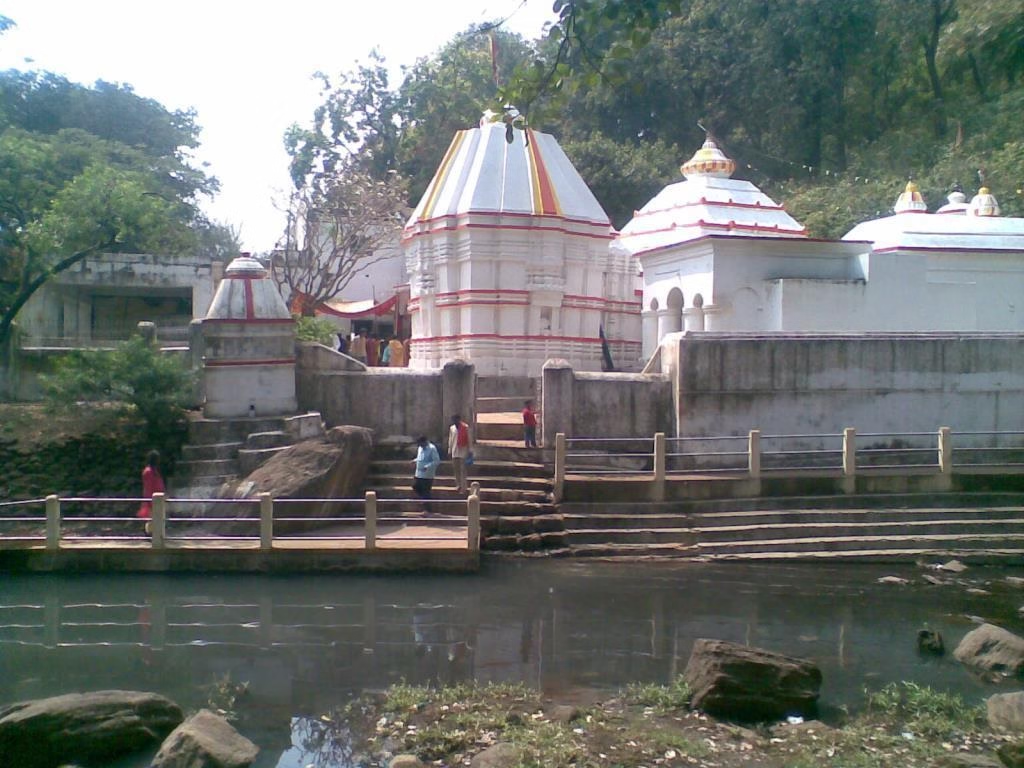
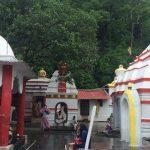
Harishankar Temple Balangir Odisha is not just a destination; it is a convergence of divinity, nature, and history. Nestled on the southern slopes of the Gandhamardhan hills, this unique shrine represents the rare syncretism of Lord Vishnu (Hari) and Lord Shiva (Shankar).
1. Introduction & Spiritual Essence
The Sri Sri Harisankar Devasthana stands as a testament to the unification of the Preserver (Vishnu) and the Destroyer (Shiva) in Hindu cosmology. Unlike most temples dedicated to a single deity, Harishankar is revered as a Swayambhu (self-manifested) form where the energies of both gods coexist.
Phalaśruti: The Spiritual Benefits
Why do devotees undertake this journey to the foothills of Gandhamardhan? According to ancient scriptural traditions, the holy stream flowing from the granite bed of Harishankar possesses miraculous cleansing powers.
- Cleansing Ancestral Karma: It is believed that taking a dip in the cascading waters here washes away Pitra Dosha (ancestral sins) and liberates the soul from karmic debts.
- Wish Fulfillment: Devotees visiting the temple to offer prayers often report the fulfillment of long-pending desires, attributed to the combined grace of Hari and Shankar.
- Peace of Mind: The rhythmic sound of the waterfalls combined with the chants of hymns creates a unique spiritual atmosphere conducive to meditation and mental peace.
2. Historical Origins & Scriptural Legend
The history of Harishankar Temple is a tapestry woven with threads of royal patronage and local folklore.
Dynastic Patronage
Historical records trace the prominent development of the temple to the Chauhan Dynasty of Western Odisha. Specifically, the temple structure as we see it today was commissioned by Queen Durlabha Devi during the reign of Maharaja Vaijjal Dev Chauhan in the 14th century. However, the sanctity of the site predates this period significantly.
Scriptural & Oral Legends
The Sthala Purana (local legend) holds that the deity was discovered by the Chauhan king while he was hunting in the dense forests of Gandhamardhan. Upon finding the divine idol, he was struck by a vision commanding the construction of a temple.
Archaeological Evidence: The hills surrounding the temple have revealed ancient Buddhist ruins, believed to be remnants of the renowned Parimalgiri University. This suggests that the area was a hub of learning and spirituality long before the current temple structure was erected, highlighting a peaceful coexistence of Buddhism and Hinduism in ancient Odisha.
3. Architectural Marvels
The temple is a masterpiece of Kalinga Architecture, a distinct style that flourished under the Eastern Ganga dynasty and its successors.
Vastu Shastra & Design Elements
The temple layout follows Vastu principles, oriented to capture the cosmic energies of the hill.
- The Shikhara (Tower): The temple features a curvilinear tower typical of the Kalinga style, rising gracefully against the backdrop of lush green hills.
- The Mandapa: A spacious pillared hall allows devotees to gather for rituals. The pillars feature intricate carvings depicting mythological scenes.
- Notable Sculptures: A significant highlight is the ancient dancing Ganesha image discovered here, dating back to the early 12th century. This artifact pre-dates the main temple construction and is preserved as a sacred relic.
Note on Preservation: While the temple is a site of immense religious importance, it maintains the rustic charm of a hill sanctuary rather than the polished finish of urban shrines.
4. Darshan & Ritual Logistics (2026 Schedule)
To facilitate a smooth spiritual journey, here are the daily timings and key rituals for 2026.
Daily Darshan Timings
| Session | Timings | Activity |
|---|---|---|
| Morning | 06:00 AM – 12:00 PM | Mangala Alati, Abhishekam |
| Afternoon | 12:00 PM – 02:00 PM | Temple Cleaning & Rest |
| Evening | 03:00 PM – 08:00 PM | Sandhya Alati, Darshan |
Key Sevas & Booking
Devotees can offer various Sevas (services) to the deity. While traditional booking is available at the temple office, the Odisha government is likely to enhance digital services by 2026.
- Abhishekam: Ritual bathing of the deity with water, milk, and honey.
- Archana: Recitation of names (Namaskaram) for individual family welfare.
- Online Booking: For 2026, devotees are advised to check the official Odisha Temple Administration portal or the Odisha religious endowments website for the “Harishankar” section to book Sevas in advance.
Major Festivals in 2026
- Baishakha Mela (April 13-15, 2026): A massive congregation held during the transition into the solar new year.
- Nrusingha Chaturdasi Mela: Celebrated on the opposite slope of Gandhamardhan at Nrusinghanath temple, but pilgrims often traverse the 16km hilltop road connecting both temples. In 2026, this falls on May 8th.
- Shivratri & Kartika Purnima: Special homas and deepa offerings are performed during these pan-Indian festivals.
5. Practical Visitor Guidance
Harishankar is located in a forest area; preparedness ensures a comfortable visit.
- Dress Code: Traditional attire is recommended. Men should wear dhoti or pants with a shirt; women should wear sarees or salwar kameez. Strict modesty is required.
- Photography & Mobiles: Photography is generally restricted inside the sanctum sanctorum. Mobile lockers are available near the entry gate for electronic devices.
- Crowd Management:
- Best Hours: Early morning (6 AM – 8 AM) or late evening (5 PM – 7 PM) offer the least crowded and most peaceful experience.
- Seasonal Advice: Summers (May-June) can be scorching. Carry ample water. The monsoon (July-September) makes the waterfalls spectacular but slippery; proceed with caution.
- Accessibility: The terrain is hilly. While the main temple approach is paved, those with mobility issues may find the walk from the parking area challenging.
6. Pilgrimage Connectivity
How to Reach Harishankar Temple
- Nearest Airport: Biju Patnaik International Airport, Bhubaneswar (approx. 320 km). Taxis and buses are available from Bhubaneswar to Balangir.
- Nearest Railway Station: Balangir Junction (approx. 81 km). The station is well-connected to major cities.
- By Road: The temple is connected by an all-weather motorable road. From Balangir town, regular bus services ply to Harishankar. Private transport (cars/taxis) is advisable for flexibility.
- NH Connectivity: Accessible via NH 53 and State Highways connecting Balangir to Patnagarh.
Nearby Sacred Sites (Circuit Recommendation)
- Nrusinghanath Temple: Located on the northern slope of the same Gandhamardhan hills (approx. 16 km trek or drive). Visiting both Harishankar and Nrusinghanath is considered a complete pilgrimage.
- Patnagarh: Known for the historic Patneswari Temple and intricate silver filigree work (30 km from Balangir).
- Techi Mahanadi: A scenic river spot for relaxation near Balangir.
Photo Gallery



7. Frequently Asked Questions (FAQs)
Is there a VIP Darshan entry?
While there is no formal “VIP” quota, elderly devotees and differently-abled visitors are accorded priority assistance by temple volunteers. Special passes for group pilgrimages can be arranged through the temple office in advance.
Are there accommodation facilities near the temple?
Yes, the Temple Trust manages a Panthanivas (Guest House) at Harishankar. It offers basic, clean rooms with food facilities. For luxury options, the district headquarters town of Balangir (81 km away) has several hotels and lodges.
Can I visit Harishankar and Nrusinghanath on the same day?
Yes, it is possible. The distance is approximately 16 km (mostly hill road). However, it is recommended to start early in the morning from either side to complete the darshan at both temples before sunset.
Is the stream water safe for bathing?
The water is fresh, natural mountain runoff. While generally safe, it is cold and flows over rocky beds. Exercise caution while bathing, especially during the monsoon when the current is stronger.
What is the contact number for the temple?
For official inquiries, you may contact the Temple Trust office. Note that lines may be busy during festive seasons.
Address:
Sub Division, Harishankar, Patnagarh, Odisha 767028
| Date built: | – |
|---|---|
| Deity: | – |
| Architectural style: | Kalinga architecture |
| Major festivals | – |
| Locale: | Harishankar |
| District:: | Balangir |
| Address: | Sub Division, Harishankar, Patnagarh, Odisha 767028 |
| Phone | – |
Recent Posts

Shri Kaamkoteeshwar Mandir, Varanasi – History & Significance
In the heart of Kashi, the eternal city of Lord Shiva, where the Ganges flows with celestial grace, stands the Shri Kaamkoteeshwar Mandir. This sacred Sannidhi is not merely a temple but a profound spiritual bridge between the Northern…

ओ सांवरे तूने ही मुझको संभाला – Lyrics & Meaning
ओ सांवरे तूने ही मुझको संभाला – A Prayer to Shyam Origin & Spiritual Essence Why This Bhajan Resonates Devotees chant this when overwhelmed by life’s storms—the refrain ‘तूने ही मुझको संभाला’ is the soul’s sigh of relief: “You…

कथा ये है महाराज मेरे की – Lyrics & Meaning
कथा ये है महाराज मेरे की छत्रपति संभाजी महाराज – A Prayer to Chhatrapati Sambhaji Maharaj Origin & Spiritual Essence Why This Bhajan Resonates Devotees chant this when their spirit feels tested—its powerful refrain “महाराज मेरे” is a soul’s…

Rigveda Samhita Yathartha Anuvada (ऋग्वेद संहिता यथार्थ अनुवाद) – Complete Set with Anvayartha & Hindi/English Translation
The Rigveda is the oldest surviving scripture of humanity and the foundational text of Sanātana Dharma. For serious students, scholars, UPSC aspirants studying ancient Indian history, Sanskrit learners, and spiritual seekers, a precise and grammatically structured translation is indispensable.…

आना भी अकेला है जाना भी अकेला है – Lyrics & Meaning | BharatTemples
आना भी अकेला है जाना भी अकेला है – A Prayer to the Divine Witness Origin & Spiritual Essence Why This Bhajan Resonates Devotees turn to this bhajan in moments of deep reflection—when life’s attachments begin to ache. The…

माता शेरावाली के द्वार जो भी जाता है – Lyrics & Meaning
माता शेरावाली के द्वार जो भी जाता है – A Prayer to Maa Sherawali Origin & Spiritual Essence Why This Bhajan Resonates Devotees turn to this bhajan in times of fear or uncertainty—its promise that no one leaves Maa’s…

मार लेना सपणी उबार लेणा भवरा – Lyrics & Meaning
मार लेना सपणी उबार लेणा भवरा – A Prayer to the Divine Beloved Origin & Spiritual Essence Why This Bhajan Resonates Devotees chant this in moments of deep vulnerability—its cry of “मार लेना सपणी, उबार लेणा भवरा” is the…

हमें श्याम सुंदर भरोसा तुम्हारा – Lyrics & Meaning
हमें श्याम सुंदर भरोसा तुम्हारा – A Prayer to Shyam Sundar Origin & Spiritual Essence Why This Bhajan Resonates Devotees chant this when feeling alone—its refrain ‘de do sahara’ is the soul’s cry for divine support. Lyrics in Hindi…

Mere Satguru Ne Di Thi Davai Lyrics in Hindi & Meaning
Mere Satguru Ne Di Thi Davai: Invoking the Guru’s Liberating Wisdom This soul-stirring bhajan venerates the Satguru (True Spiritual Master) as the divine physician who dispenses the only remedy for life’s deepest sufferings. Composed by Sant Karmaveer Tufani, it…

Janm Diyo Thari Maa Dukh Dekhiyo Lyrics in Hindi & Meaning
जन्म दियो थारी माँ दुख देखियो (Maa’s Grief Upon Birthing You) This soul-stirring Chetavani Bhajan (admonitory hymn) is addressed to the Divine Mother (Maa) – a call for repentance when children forget their filial duties in the dark age…