
Contents
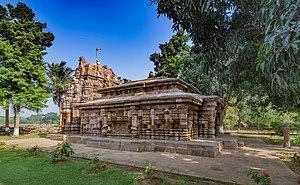
Varahi Deula, situated in Chaurasi near Puri, Odisha, is a hidden gem of the Prachi Valley. While less famous than the iconic Jagannath Temple nearby, this shrine is architecturally unique and spiritually potent. It is the sanctum sanctorum of Matsya Varahi, the boar-faced incarnation of the Mother Goddess, revered deeply in Tantric traditions.
1. Introduction & Spiritual Essence
The Varahi Deula is not merely a structure of stone; it is a living center of Shakti worship. The temple is dedicated to Goddess Varahi, one of the seven Matrikas (mother goddesses) and the female counterpart of Lord Varaha (the boar avatar of Vishnu). Locally, she is known as Matsya Varahi (The Fish-Eyed Goddess).
Why Devotees Visit (Phalaśruti)
According to ancient Tantric scriptures, the Varahi Tantra, the Goddess assumes five forms. The form enshrined here is Matsya Varahi. Devotees flock here for specific spiritual benefits:
- Vijaya (Victory): Worshipping Varahi grants power and protection from enemies. She is considered the granter of sudden fortunes and authority.
- Transformation: As a Boar form, she represents the ability to dig deep—she helps devotees unearth buried talents and remove deep-rooted ancestral karma.
- Prosperity: Unlike other deities, Varahi is worshipped for material gains and Bhukti (worldly enjoyment) alongside spiritual progress.
2. Historical Origins & Scriptural Legend
The temple stands as a testament to the architectural renaissance of the Somavamsi Dynasty (early 10th century A.D.).
The Somavamsi Legacy
According to temple records and structural analysis, Varahi Deula was built in the first quarter of the 10th century A.D. during the reign of the Somavamsi kings, who were great patrons of the arts and Tantric rituals. The temple is constructed using sandstone, typical of the region.
The Tantric Legend
Tradition holds that the temple was established to embody the fierce energy of the Goddess. In the Varahi Tantra, five forms are described: Svapna, Canda, Mahi, Kruccha, and Matsya Varahi. The image in Chaurasi aligns with the Matsya Varahi description—seated in Lalitasana (easy pose) with a boar’s face.
3. Architectural Marvels
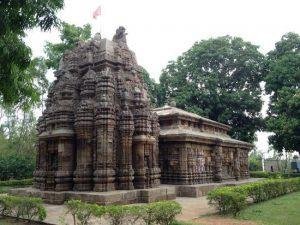
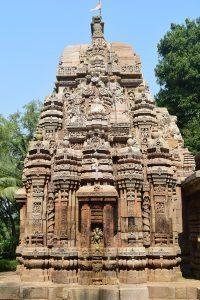
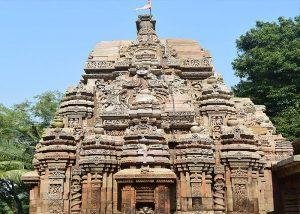
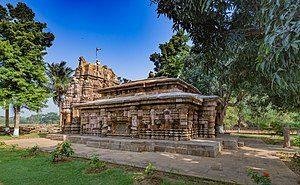
Viewed from an architectural standpoint, the Varahi Deula is a masterpiece of the Khakhara or Gaurichara style, a distinct deviation from the standard Rekha (spire) and Bhadra (sanctum) types found in later Odishan temples.
The Structure
- Plan: The ground plan resembles the famous Baitala Deula in Bhubaneswar. It is a Pancharatha (five-tiered) temple in both plan and construction.
- Vimana: Rectangular in cross-section, measuring approximately 15.84m x 8.23m with a height of 8.40m. The elongated vaulted roof is distinctively beautiful.
- Jagamohana (Assembly Hall): Rectangular in shape, featuring a Pidha temple roof with seven distinct tiers.
Sculptural Details
The temple walls are adorned with figural motifs and arabesque designs. A single board surrounds the entire Jagamohana just below the Baranda (moulding). These panels depict exquisite scenes from the Ramayana, including:
- The killing of the illusory deer (Maricha).
- The abduction of Sita.
- The uprooting of the seven palm trees.
- The construction of the bridge over the sea.
The Deity (Murti)
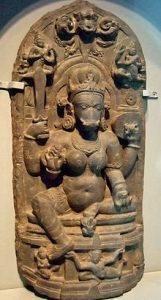
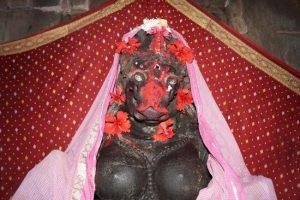
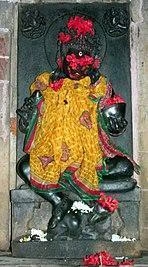
The presiding deity is Matsya Varahi. The image is considered a masterpiece among the images of the deity found across India.
- Form: She sits in Lalitasana on a cushion. Her right foot rests on the buffalo mount (Vahana) carved on the pedestal.
- Features: She has the face of a boar and a pot-bellied body (indicating she holds the universe in her womb).
- Attributes: Two arms hold a fish (right) and a bowl (Kapala, left). A third eye is engraved on her forehead.
- Worship: She is worshipped strictly according to Tantric rituals. Uniquely, fish is offered to her every day.
4. Darshan & Ritual Logistics
The temple follows a strict schedule. Unlike major shrines, the atmosphere is quiet and meditative. Daily, the Mahaprasad (holy offering) of Lord Jagannath from Puri is brought to this temple.
Daily Timings
| Darshan Type | Timing | Notes |
|---|---|---|
| Morning Darshan | 06:00 AM – 12:00 PM | Best to visit early morning for Tantric rituals. |
| Evening Darshan | 05:00 PM – 08:00 PM | Timing varies slightly with sunset. |
| Closed | 12:00 PM – 05:00 PM | Temple remains closed in the afternoon. |
Sevas and 2026 Festivals
Most rituals are performed by the resident Tantric priest. While complex Sevas may not be bookable via standard online portals (like the Jagannath Temple), local arrangements can be made through the temple’s managing committee.
- Key Seva: Abhishekam (ritual bathing) and Archana (chanting of names). Fish offering (Maachha Tika) is the primary ritual.
- Major Festivals 2026:
- Chaitra Parba (April): A significant local festival celebrated with unique rituals.
- Vijaya Dashami (Oct 1-3, 2026): Durga Puja and the immersion of idols in the nearby Prachi River are observed with fervor.
- Gramana (June/July): The annual Ratha Yatra of the Grama Devata (Village Deity).
5. Practical Visitor Guidance
Dress Code & Etiquette
As with most Odishan temples, modesty is required. Traditional Indian attire is preferred, but trousers and shirts are allowed for men. Women should cover their heads when entering the sanctum.
Rules & Regulations
- Photography: Photography is strictly prohibited inside the sanctum (Garbhagriha). You may photograph the outer structure and carvings.
- Mobile Phones: Usage is discouraged near the inner sanctum. Some temples provide lockers; it is advisable to carry minimal accessories.
- Accessibility: The temple has a Khakhara style entrance which is low. Visitors with mobility issues may find the inner sanctum challenging. The surrounding courtyard is flat.
Crowd Management & Seasonality
- Best Time: October to March offers pleasant weather (20°C – 30°C).
- Avoid: May and June are intensely hot (often >40°C). If visiting then, carry a water bottle and visit strictly in the early morning hours.
- Crowd: Weekends see more local pilgrims from Puri and Kakatpur. For a quiet Darshan, visit on a Tuesday or Wednesday morning.
6. Pilgrimage Connectivity
Chaurasi is located in the coastal belt, making it accessible from major hubs.
How to Reach
- By Air: The nearest airport is Biju Patnaik International Airport, Bhubaneswar (approx. 55 km / 1.5 hours).
- By Rail: The nearest railway station is Puri (approx. 25 km) or Kakatpur (approx. 14 km).
- By Road:
- Route 1 (From Bhubaneswar): Take the NH16 towards Puri/Kakatpur. Drive to Thulasipur and ask for directions to Varahi Temple (approx 56 km total).
- Route 2 (From Konark): Chaurasi is 30 km from Konark via the Nimapada-Kakatpur road.
- Specific Route: Drive 29 km to Charichhaka, turn right to Amareshwar village, then left for 1.8 km to the temple.
Nearby Sacred Sites (The Prachi Valley Circuit)
Encourage a holistic pilgrimage by visiting these nearby sites:
- Maa Mangala Temple, Kakatpur (14 km): A highly revered Shakti temple located on the banks of the Prachi River. Famous for Mangala Aarti and the belief that devotees can whisper their wishes into the ear of the Goddess.
- Barunei Temple, Kakatpur: Another ancient Shakti shrine located nearby, known for its natural spring and historical significance.
- Shree Kshetra (Puri Jagannath Temple): The ultimate destination for Vaishnavites, located 25 km south.
7. Frequently Asked Questions (FAQ)
1. Is there a VIP Darshan entry at Varahi Deula?
Unlike the Jagannath Temple, Varahi Deula does not have a formal VIP or paid entry system. The temple is relatively less crowded, allowing for a direct and peaceful Darshan. However, approaching the temple management committee in advance for special access is advisable for large groups or dignitaries.
2. Why is fish offered to Goddess Varahi?
Goddess Varahi is considered the Shakti (power) of Varaha, who took the boar form. While boar meat is not commonly available or considered ritually pure in modern practice, fish represents the water element associated with Varaha’s rescue of the Earth (Bhudevi). It is also a Tantric offering symbolizing the preservation of life force.
3. Can I book Seva online?
Currently, the Varahi Deula does not support comprehensive online Seva booking like the Shree Jagannath Temple Administration (SJTA) portals. Devotees must book Sevas and arrange for special pujas in person or by contacting the local temple committee at Chaurasi.
4. What makes this temple different from Bhubaneswar’s Vaital Deula?
Both temples belong to the Khakhara style. However, the Chaurasi Varahi Deula features a distinct Pancharatha plan with a Pidha Mandapa (pyramid roof), whereas the Vaital Deula has a unique elongated pyramidal roof. The iconography is also different: Vaital features Chamunda (the fierce goddess), while Chaurasi features Matsya Varahi (the boar-faced goddess).
5. Is non-vegetarian food allowed near the temple?
While the temple itself offers fish (a specific ritual), the surrounding area is a residential village. Alcohol and meat are generally discouraged near the premises due to the sanctity of the site. It is best to eat vegetarian food in nearby towns like Kakatpur or Nimapada.
Contact & Address
Official Address:
Varahi Deula, Chaurasi, District: Puri, Odisha, 752120
Recent Posts

Shri Kaamkoteeshwar Mandir, Varanasi – History & Significance
In the heart of Kashi, the eternal city of Lord Shiva, where the Ganges flows with celestial grace, stands the Shri Kaamkoteeshwar Mandir. This sacred Sannidhi is not merely a temple but a profound spiritual bridge between the Northern…

ओ सांवरे तूने ही मुझको संभाला – Lyrics & Meaning
ओ सांवरे तूने ही मुझको संभाला – A Prayer to Shyam Origin & Spiritual Essence Why This Bhajan Resonates Devotees chant this when overwhelmed by life’s storms—the refrain ‘तूने ही मुझको संभाला’ is the soul’s sigh of relief: “You…

कथा ये है महाराज मेरे की – Lyrics & Meaning
कथा ये है महाराज मेरे की छत्रपति संभाजी महाराज – A Prayer to Chhatrapati Sambhaji Maharaj Origin & Spiritual Essence Why This Bhajan Resonates Devotees chant this when their spirit feels tested—its powerful refrain “महाराज मेरे” is a soul’s…

Rigveda Samhita Yathartha Anuvada (ऋग्वेद संहिता यथार्थ अनुवाद) – Complete Set with Anvayartha & Hindi/English Translation
The Rigveda is the oldest surviving scripture of humanity and the foundational text of Sanātana Dharma. For serious students, scholars, UPSC aspirants studying ancient Indian history, Sanskrit learners, and spiritual seekers, a precise and grammatically structured translation is indispensable.…

आना भी अकेला है जाना भी अकेला है – Lyrics & Meaning | BharatTemples
आना भी अकेला है जाना भी अकेला है – A Prayer to the Divine Witness Origin & Spiritual Essence Why This Bhajan Resonates Devotees turn to this bhajan in moments of deep reflection—when life’s attachments begin to ache. The…

माता शेरावाली के द्वार जो भी जाता है – Lyrics & Meaning
माता शेरावाली के द्वार जो भी जाता है – A Prayer to Maa Sherawali Origin & Spiritual Essence Why This Bhajan Resonates Devotees turn to this bhajan in times of fear or uncertainty—its promise that no one leaves Maa’s…

मार लेना सपणी उबार लेणा भवरा – Lyrics & Meaning
मार लेना सपणी उबार लेणा भवरा – A Prayer to the Divine Beloved Origin & Spiritual Essence Why This Bhajan Resonates Devotees chant this in moments of deep vulnerability—its cry of “मार लेना सपणी, उबार लेणा भवरा” is the…

हमें श्याम सुंदर भरोसा तुम्हारा – Lyrics & Meaning
हमें श्याम सुंदर भरोसा तुम्हारा – A Prayer to Shyam Sundar Origin & Spiritual Essence Why This Bhajan Resonates Devotees chant this when feeling alone—its refrain ‘de do sahara’ is the soul’s cry for divine support. Lyrics in Hindi…

Mere Satguru Ne Di Thi Davai Lyrics in Hindi & Meaning
Mere Satguru Ne Di Thi Davai: Invoking the Guru’s Liberating Wisdom This soul-stirring bhajan venerates the Satguru (True Spiritual Master) as the divine physician who dispenses the only remedy for life’s deepest sufferings. Composed by Sant Karmaveer Tufani, it…

Janm Diyo Thari Maa Dukh Dekhiyo Lyrics in Hindi & Meaning
जन्म दियो थारी माँ दुख देखियो (Maa’s Grief Upon Birthing You) This soul-stirring Chetavani Bhajan (admonitory hymn) is addressed to the Divine Mother (Maa) – a call for repentance when children forget their filial duties in the dark age…