
Contents
- 1 Bhadrakali Temple Warangal: The Definitive 2026 Pilgrimage Guide
- 1.1 1. Introduction & Spiritual Essence
- 1.2 2. Historical Origins & Scriptural Legend
- 1.3 3. Architectural Marvels
- 1.4 4. Darshan & Ritual Logistics (2026 Guide)
- 1.5 5. Practical Visitor Guidance
- 1.6 6. Pilgrimage Connectivity
- 1.7 7. Frequently Asked Questions (FAQ)
- 1.8 Photo Gallery
- 1.9 Contact & Official Information
Bhadrakali Temple Warangal: The Definitive 2026 Pilgrimage Guide
Lead Heritage Architect & SEO Strategist | bharattemples.com
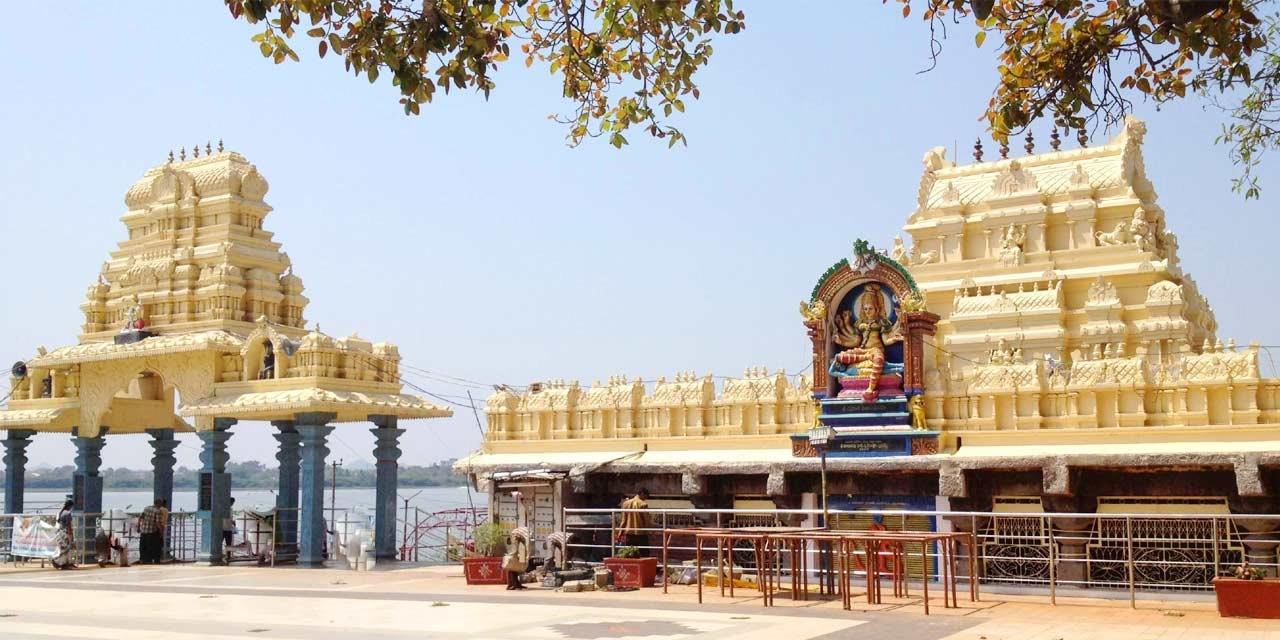
Welcome to the sacred citadel of Bhadrakali Ammavaru. Perched majestically atop a hill between the twin cities of Hanamkonda and Warangal, this temple is not merely a structure of stone but a living chronicle of the Deccan’s glory, spiritual power, and enduring resilience. As we step into 2026, we invite you to explore the mystical aura of this ancient shrine.
| Date built: | – |
|---|---|
| Deity: | Bhadrakali |
| Architectural style: | – |
| Major festivals | – |
| Locale: | Hanamakonda |
| District:: | Warangal |
| Address: | Tadkamalla Village, Warangal, Telangana 506007 |
| Phone | – |
1. Introduction & Spiritual Essence
The Bhadrakali Temple, Warangal, is one of the most ancient and powerful shrines dedicated to Goddess Bhadrakali in India. Unlike the fierce forms often associated with Kali, this Murti (idol) represents Bhadra (benevolent/auspicious) and Kali (time/godhead), symbolizing the protective aspect of the Divine Mother.
The Deity: Swayambhu & Shakti
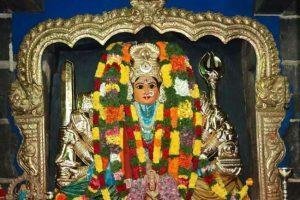
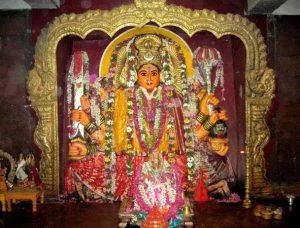
The temple houses a Swayambhu (self-manifested) stone idol of the Goddess. Standing 2.7 meters high, the deity features eight arms holding various weapons, with eyes that appear to gaze intensely at the devotee. Opposite the sanctum sits her vehicle (Vahana), the Lion, symbolizing fearlessness.
Phalaśruti: Why Visit in 2026?
According to the Skanda Purana and local tradition, the temple is a potent Shakta Peetha for spiritual liberation and wish fulfillment. Devotees visit specifically to:
- Cleansing Ancestral Karma: Performing rituals here is believed to absolve Pitru Dosha (ancestral curses).
- Protection from Negativity: The fierce form of Bhadrakali acts as a shield against evil forces and planetary malefic effects (especially Rahu and Ketu).
- Bestowal of Boons: Known as Istha Siddhi Devata, she grants specific material and spiritual desires of her devotees.
2. Historical Origins & Scriptural Legend
Tracing the history of Bhadrakali Temple reveals a saga of dynastic glory and divine intervention. The temple stands as a testament to the architectural patronage of the Chalukyas and the Kakatiyas.
Chalukya Foundation (625 AD)
According to temple records and inscriptions on the inner pillars, the temple was constructed in 625 AD by the legendary Chalukya King Pulakeshin II. His victory over the Vengi region of Andhra Desham was commemorated by erecting this sanctum dedicated to the Mother Goddess.
Kakatiya Patronage & The Koh-i-Noor Legend
Centuries later, the Kakatiya Dynasty adopted Bhadrakali as their Kula Devata (family deity). King Ganapati Deva built the adjacent Bhadrakali Lake and fortified the approach to the temple.
The Koh-i-Noor Connection:
Tradition holds a legendary association between this temple and the famed Koh-i-Noor diamond (now part of the British Crown Jewels). Oral history suggests the diamond was originally set as the left eye of the Goddess Bhadrakali idol. During the invasion of the Delhi Sultanate (Alauddin Khilji’s forces), the idol was defaced and the diamond was removed, though the temple itself survived the destruction.
Resurrection (1950 – 2000s)
After lying in neglect for over 925 years, the temple regained its lost glory on July 29, 1950. Under the guidance of Sri Ganapathi Sastri (a Devi Upasaka) and philanthropists like Sri Maganlal Sameja, major renovations took place. The 20th century concluded with the addition of the Alaya Shikaram (temple spire) and the Maha Mantapam (grand hall), blending ancient sanctity with structural stability.
3. Architectural Marvels
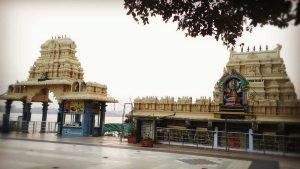
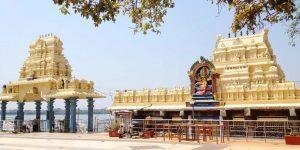
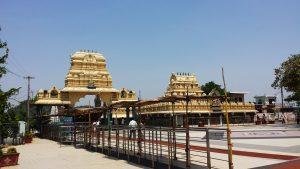
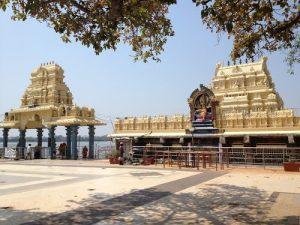
The temple is a harmonious blend of Chalukyan and Kakatiya architectural styles, reflecting the evolution of Deccan temple art over centuries.
Style & Vastu
The structure is grounded in Dravida influences adapted by the Chalukyas, characterized by square pillars and robust masonry. The main sanctum (Garbhagriha) is designed according to Vastu principles, ensuring the energy flows directly to the heart of the deity.
Key Features
- The Idol (Murti): A monolithic (Ekanda Shila) sculpture measuring 2.7 x 2.7 meters. The intricate carving of the eight arms holding weapons displays Chalukyan finesse.
- Shikhara (Spire): The Alaya Shikaram built during recent renovations rises above the sanctum, adorned with Kalasas (pot finials).
- Stone Inscriptions: A Sanskrit inscription on the Antralaya Stambam (inner pillar) provides historical evidence of the temple’s origin.
- The Balipeetam: The sacrificial altar located near the flagpole (Dwajasthambam), a testament to ritualistic traditions.
4. Darshan & Ritual Logistics (2026 Guide)
Planning your visit requires an understanding of the daily Nitya Puja schedule and special Sevas. The temple management has streamlined online services for 2026.
Daily Darshan Timings
| Session | Timing | Activity |
|---|---|---|
| Morning | 06:00 AM – 12:30 PM | Abhishekam, Suprabhatam, Archana |
| Afternoon | 12:30 PM – 04:00 PM | Maha Nivedana (Closing Recess) |
| Evening | 04:00 PM – 08:30 PM | Deepalankara, Harati, Darshan |
*Note: Timings may vary slightly during festival seasons.
Key Sevas & Online Booking
To ensure a seamless experience, devotees are encouraged to book Online Seva via the official Telangana Endowments Department portal.
- Abhishekam: Performed with milk, honey, and turmeric. Best time: 7:00 AM.
- Lalitha Sahasranama Archana: Recitation of 1000 names of the Goddess. Slots: 9:00 AM – 11:00 AM.
- Kumkuma Puja: Offering saffron-colored powder, symbolizing power.
- Homam/Havan: Specific rituals for planetary alignment correction.
Major Festivals in 2026
The temple is most vibrant during Sravana Masam (July-August).
- Bhadrakali Jatara (July 2026): A grand 3-day festival featuring procession, Rathotsavam (chariot festival), and cultural performances. Expect peak crowds.
- Navaratri: Special Alankaram (decoration) of the Goddess on all nine nights.
- Deepavali: Lighting of diyas around the hill precinct.
- Sarannavaratri: Special rituals starting from Maha Ashtami.
5. Practical Visitor Guidance
Dress Code & Etiquette
As a major pilgrimage center, modesty is mandatory. Men should wear Dhoti or trousers with a shirt; women should wear Saree, Salwar Kameez, or traditional attire. Avoid shorts and sleeveless tops.
Photography & Mobiles
Photography is strictly prohibited inside the sanctum. Visitors must deposit electronic devices and bags in the free lockers provided at the entrance.
Accessibility
The temple is situated on a hill. While steps lead to the entrance, a ghat road is available for vehicles up to a certain point. Wheelchair access is limited to the lower courtyards; assistance is available from temple volunteers.
Crowd Management & Seasonal Advice
- Best Hours: Early morning (6:00 AM – 7:30 AM) or late evening (after 7:00 PM) on weekdays.
- Summer (April-June): Carry water bottles and wear head coverings. The stone floors heat up significantly.
- Monsoon: The lake surrounding the temple fills up, offering a stunning view, but steps can be slippery.
6. Pilgrimage Connectivity
How to Reach
- Nearest Airport: Rajiv Gandhi International Airport, Hyderabad (approx. 135 km). Taxis and TSRTC buses are available directly to Warangal.
- Railway: Warangal Railway Station (Kazipet Junction is the major rail hub, 12 km away). The temple is a 20-minute auto-rickshaw ride from Warangal station.
- By Road: Located on the Hyderabad-Warangal Highway (NH 163). It is well connected by TSRTC buses and private cabs.
Nearby Sacred Sites
To complete your spiritual circuit, visit these locations within 15-20 km:
- Thousand Pillar Temple (Hanamkonda): A prime example of Kakatiya architecture dedicated to Shiva, Vishnu, and Surya.
- Warangal Fort: Built by the Kakatiya dynasty, featuring intricate stone gateways and ruins.
- Pakhal Lake: A man-made lake built by the Kakatiya ruler Ganapati Deva, offering serene landscapes.
7. Frequently Asked Questions (FAQ)
1. Is there a VIP Darshan entry at Bhadrakali Temple?
Yes, the temple management offers a special Divya Darshanam or quick entry for senior citizens, specially-abled devotees, and those who book premium Sevas online.
2. Can I book accommodation at the temple?
The temple does not have an attached guest house, but the District Administration and private hotels in Hanamkonda/Warangal offer lodging ranging from budget to deluxe. Choultries are available near the Thousand Pillar Temple.
3. What is the significance of the Bhadrakali Lake?
Believed to be created by King Ganapati Deva, the lake is considered a Teertham (holy water body). Taking a dip in the lake before darshan is considered purifying for the mind and body.
4. Is non-vegetarian food allowed near the temple?
No. Being a place of high spiritual energy, the temple premises and immediate vicinity are strictly vegetarian. Alcohol and meat are prohibited.
5. How old is the Bhadrakali Temple?
The temple dates back to 625 AD, making it over 1,400 years old, though it underwent major renovations in the 20th century to restore its structural integrity.
Photo Gallery
Contact & Official Information
District: Warangal
Village: Tadkamalla
State: Telangana
PIN: 506007
Recent Posts

Shri Kaamkoteeshwar Mandir, Varanasi – History & Significance
In the heart of Kashi, the eternal city of Lord Shiva, where the Ganges flows with celestial grace, stands the Shri Kaamkoteeshwar Mandir. This sacred Sannidhi is not merely a temple but a profound spiritual bridge between the Northern…

ओ सांवरे तूने ही मुझको संभाला – Lyrics & Meaning
ओ सांवरे तूने ही मुझको संभाला – A Prayer to Shyam Origin & Spiritual Essence Why This Bhajan Resonates Devotees chant this when overwhelmed by life’s storms—the refrain ‘तूने ही मुझको संभाला’ is the soul’s sigh of relief: “You…

कथा ये है महाराज मेरे की – Lyrics & Meaning
कथा ये है महाराज मेरे की छत्रपति संभाजी महाराज – A Prayer to Chhatrapati Sambhaji Maharaj Origin & Spiritual Essence Why This Bhajan Resonates Devotees chant this when their spirit feels tested—its powerful refrain “महाराज मेरे” is a soul’s…

Rigveda Samhita Yathartha Anuvada (ऋग्वेद संहिता यथार्थ अनुवाद) – Complete Set with Anvayartha & Hindi/English Translation
The Rigveda is the oldest surviving scripture of humanity and the foundational text of Sanātana Dharma. For serious students, scholars, UPSC aspirants studying ancient Indian history, Sanskrit learners, and spiritual seekers, a precise and grammatically structured translation is indispensable.…

आना भी अकेला है जाना भी अकेला है – Lyrics & Meaning | BharatTemples
आना भी अकेला है जाना भी अकेला है – A Prayer to the Divine Witness Origin & Spiritual Essence Why This Bhajan Resonates Devotees turn to this bhajan in moments of deep reflection—when life’s attachments begin to ache. The…

माता शेरावाली के द्वार जो भी जाता है – Lyrics & Meaning
माता शेरावाली के द्वार जो भी जाता है – A Prayer to Maa Sherawali Origin & Spiritual Essence Why This Bhajan Resonates Devotees turn to this bhajan in times of fear or uncertainty—its promise that no one leaves Maa’s…

मार लेना सपणी उबार लेणा भवरा – Lyrics & Meaning
मार लेना सपणी उबार लेणा भवरा – A Prayer to the Divine Beloved Origin & Spiritual Essence Why This Bhajan Resonates Devotees chant this in moments of deep vulnerability—its cry of “मार लेना सपणी, उबार लेणा भवरा” is the…

हमें श्याम सुंदर भरोसा तुम्हारा – Lyrics & Meaning
हमें श्याम सुंदर भरोसा तुम्हारा – A Prayer to Shyam Sundar Origin & Spiritual Essence Why This Bhajan Resonates Devotees chant this when feeling alone—its refrain ‘de do sahara’ is the soul’s cry for divine support. Lyrics in Hindi…

Mere Satguru Ne Di Thi Davai Lyrics in Hindi & Meaning
Mere Satguru Ne Di Thi Davai: Invoking the Guru’s Liberating Wisdom This soul-stirring bhajan venerates the Satguru (True Spiritual Master) as the divine physician who dispenses the only remedy for life’s deepest sufferings. Composed by Sant Karmaveer Tufani, it…

Janm Diyo Thari Maa Dukh Dekhiyo Lyrics in Hindi & Meaning
जन्म दियो थारी माँ दुख देखियो (Maa’s Grief Upon Birthing You) This soul-stirring Chetavani Bhajan (admonitory hymn) is addressed to the Divine Mother (Maa) – a call for repentance when children forget their filial duties in the dark age…