

Contents
- 1 Jageshwar Temples, Almora, Uttarkhand: A Definitive Pilgrimage Guide
- 1.1 1. Introduction & Spiritual Essence
- 1.2 2. Historical Origins & Scriptural Legend
- 1.3 3. Architectural Marvels
- 1.4 4. Darshan & Ritual Logistics
- 1.5 5. Practical Visitor Guidance
- 1.6 6. Pilgrimage Connectivity
- 1.7 7. Frequently Asked Questions (FAQ)
- 1.8 Photo Gallery
- 1.9 How to Reach
- 1.10 Contact Details
Jageshwar Temples, Almora, Uttarkhand: A Definitive Pilgrimage Guide
Welcome to the sacred Jageshwar Temples, a mystical complex nestled in the serene Deodar forests of the Kumaun Himalayas. As we step into 2026, this guide serves as your spiritual map to one of India’s most significant Shaivism sites.
1. Introduction & Spiritual Essence
The Jageshwar Temple complex is a cluster of over 100 ancient stone temples dating between the 7th and 12th centuries CE. Dedicated primarily to Lord Shiva, the site is also known as Jageswar Valley Temples and is recognized as a Dham (pilgrimage region) in the Shaivism tradition.
Phalaśruti: Why Devotees Visit
According to local legends and scriptural traditions, Jageshwar is believed to be the 8th Jyotirlinga among the ‘Bhimashankar Jyotirlingas’. The presiding deity here is known as Jageshwar (or Mrityunjaya), the conqueror of death.
Devotees visit this temple to:
- Cleansing Ancestral Karma: Rituals performed here are believed to liberate ancestors from the cycle of rebirth.
- Overcoming Fear: As Lord Mrityunjaya, the deity grants protection from untimely death and diseases.
- Seeking Blessings for Longevity: A dip in the holy waters of the Jataganga river before darshan is considered auspicious.
2. Historical Origins & Scriptural Legend
The chronology of Jageshwar is a subject of scholarly debate, but its spiritual significance is undisputed. The Archaeological Survey of India (ASI) has protected 124 temples under the Ancient Monuments and Archaeological Sites and Remains Act.
Builders and Timeline
According to ASI estimates and architectural analysis, the temples range from the post-Gupta period (early 7th century) to the late 12th century. While early colonial theories attributed the construction to the Katyuri or Chand dynasties, inscriptions found on some pillars suggest the artisans were local craftsmen. Interestingly, the architectural style resembles the Gurjara-Pratihara aesthetics of North India.
Scriptural & Oral Legends
Tradition holds that the sage Adi Shankara mediated here and established the Jageshwar temple as part of the ‘Shankaracharya Shakti Peeth’. However, carbon dating suggests some structures predate Shankara, implying he likely renovated or sanctified existing sites.
A unique legend links the language of the region to distant lands. The resemblance between Kumaoni and Gujarati languages hints at the migration of Lakulish Shaivism monks from Gujarat who settled here, making Jageshwar the center of Lakulish Shaivism in the Himalayas.
3. Architectural Marvels
The temples of Jageshwar are a testament to the evolution of Indian temple architecture in the Himalayan region.
Nagara Style Architecture
The complex predominantly illustrates the North Indian Nagara style. Key features include:
Notable Temples in the Complex
- Mrityunjaya Temple: The largest temple, dedicated to Lord Shiva as the conqueror of death.
- Dandeshwar Temple: Located upstream, this temple is dedicated to Lord Dandeshwar (Shiva holding a staff). The structure features a cylindrical base and is built on a grander scale.
- Chandi-ka-Temple: Dedicated to Goddess Chandi, showcasing fierce protective feminine energy.
- Nava-Graha Temple: A unique shrine dedicated to the nine celestial bodies (planets), essential for astrological pacification.
The entire complex is built using Deodar stone, which has withstood centuries of harsh Himalayan weather. The site is a protected zone managed by the ASI.
4. Darshan & Ritual Logistics
Planning your visit requires attention to the daily schedule and seasonal festivals. Note that timings may vary slightly during winter (snowfall) or festivals.
Daily Timings (2026 Schedule)
| Session | Timing | Activity |
|---|---|---|
| Morning Darshan | 6:00 AM – 12:00 PM | General Darshan, Abhishekam |
| Afternoon Break | 12:00 PM – 3:00 PM | Temple Sanctity Closed |
| Evening Darshan | 3:00 PM – 7:30 PM | Aarti, General Darshan |
Key Sevas & Online Booking
While the temple is under ASI management, ritual activities are overseen by local priests.
- Abhishekam: Ritual bathing of the Jyotirlinga. Best performed during the morning session.
- Archana: Offering of flowers and Bilva leaves with sacred mantras.
- Online Seva Booking: As of 2026, the Uttarakhand Tourism Board facilitates online booking for specific darshan slots during festivals. For general darshan, no booking is required.
Major Festivals in 2026
- Jageshwar Monsoon Festival: Held during the Hindu month of Shravan (July – August 2026). The temple is decorated with traditional lamps and flowers.
- Maha Shivratri Mela: A major fair is organized in early Spring (March 2026). Thousands of pilgrims undertake the journey to Jageshwar during this time.
5. Practical Visitor Guidance
Jageshwar is located at an altitude of 1,870 meters. The climate is cool and pleasant in summer but chilly in winter.
Visitor Etiquette & Rules
- Dress Code: Traditional modest attire is recommended. Avoid shorts or sleeveless tops as a mark of respect.
- Photography: Photography is generally prohibited inside the inner sanctum (Garbhagriha) of the temples. Photography in the outer complex is allowed but seek permission from ASI guards.
- Mobile Lockers: Small storage facilities are available near the temple entrance for electronic devices, as carrying mobile phones inside the sanctum is discouraged.
- Footwear: Must be removed at the designated stands outside the temple complex.
Crowd Management & Seasonal Advice
- Best Time to Visit: October to November offers clear skies and pleasant weather. February to March is ideal for the Maha Shivratri fair.
- Avoid: Heavy monsoon (July) due to landslide risks on the approach roads.
- Summer (May-June): Days can be warm; carry a water bottle and light woolens for the evening.
- Winter (Dec-Jan): Temperatures drop near freezing; heavy woolens are mandatory.
6. Pilgrimage Connectivity
Jageshwar is well-connected by road, though it is tucked away in a valley.
How to Reach
- Nearest Airport: Pantnagar Airport (PGH), approximately 150 km away (4-5 hour drive).
- Nearest Railway Station: Kathgodam (KGM), approximately 125 km away. This is the major railhead for Kumaun.
- By Road: Jageshwar is 34 km from Almora via the Almora–Pithoragarh Highway (State Highway). From Almora, regular buses and shared taxis are available.
Nearby Sacred Sites (Pilgrimage Circuit)
- Baijnath Temple: Located about 20 km away, this 12th-century temple dedicated to Shiva is an architectural gem on the banks of the Gomti river.
- Kasar Devi Temple: Located near Almora, famous for its unique geomagnetic field (similar to Stonehenge).
- Binsar Wildlife Sanctuary: A spiritual retreat into nature, offering panoramic views of the Himalayas.
7. Frequently Asked Questions (FAQ)
Is there a VIP darshan entry?
While the temple is open to all, during peak festivals like Maha Shivratri, separate queues may be arranged for senior citizens and differently-abled pilgrims. However, for general darshan, there is no paid VIP entry system, maintaining the egalitarian spirit of the shrine.
What is the history of the Jageshwar Monsoon Festival?
The festival was revived to celebrate the local culture and the rejuvenation of nature. It involves folk performances, traditional sports, and special religious processions (Jhankis) depicting stories from Hindu mythology.
Can we perform last rites (Shraddha) here?
Jageshwar is believed to be a gateway to liberation (Moksha). While Varanasi is the primary site for such rites, Jageshwar is considered a powerful alternative, especially for ancestors who died an untimely death. Consult a local priest for specific rituals.
What are the accommodation options?
There are GMVN (Garhwal Mandal Vikas Nigam) guest houses and private hotels in Jageshwar and nearby Dandeshwar. Almora offers a wider range of options. Booking in advance is recommended during the Monsoon and Shivratri festivals.
Is Jageshwar suitable for children and elderly?
Yes, but the path involves some walking and steps. There are street shops selling walking sticks. The altitude is moderate (1,870m), making it generally safe, but those with respiratory issues should carry necessary medication.
Photo Gallery
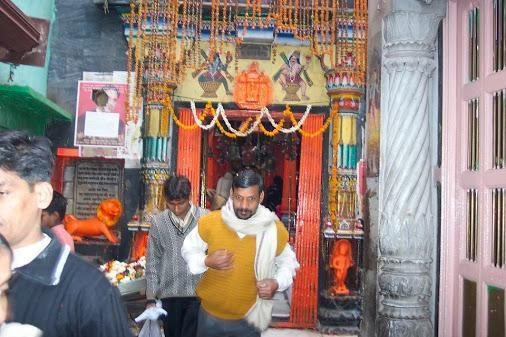
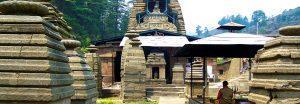
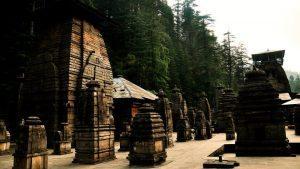
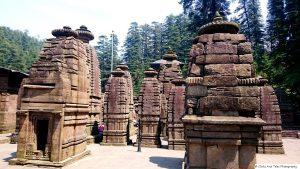
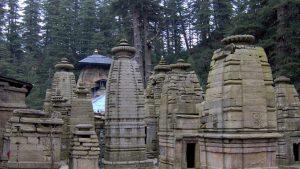
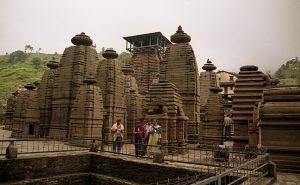
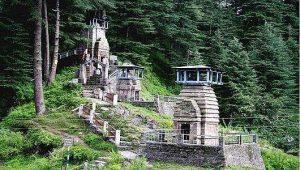
How to Reach
From Almora: Take the Almora–Pithoragarh Highway (State Highway). Turn right at Artola village towards Jageshwar. The drive takes approximately 1 hour.
GPS Coordinates: 29.6425° N, 79.6135° E
Contact Details
Official Address: Jageshwar Temple Complex, Jageshwar, District Almora, Uttarakhand, India – 263611
ASI Contact: For heritage concerns, contact the Superintending Archaeologist, Circle Dehradun.
Tourism Enquiries: Uttarakhand Tourism Development Board (GMT+05:30).
Recent Posts

Shri Kaamkoteeshwar Mandir, Varanasi – History & Significance
In the heart of Kashi, the eternal city of Lord Shiva, where the Ganges flows with celestial grace, stands the Shri Kaamkoteeshwar Mandir. This sacred Sannidhi is not merely a temple but a profound spiritual bridge between the Northern…

ओ सांवरे तूने ही मुझको संभाला – Lyrics & Meaning
ओ सांवरे तूने ही मुझको संभाला – A Prayer to Shyam Origin & Spiritual Essence Why This Bhajan Resonates Devotees chant this when overwhelmed by life’s storms—the refrain ‘तूने ही मुझको संभाला’ is the soul’s sigh of relief: “You…

कथा ये है महाराज मेरे की – Lyrics & Meaning
कथा ये है महाराज मेरे की छत्रपति संभाजी महाराज – A Prayer to Chhatrapati Sambhaji Maharaj Origin & Spiritual Essence Why This Bhajan Resonates Devotees chant this when their spirit feels tested—its powerful refrain “महाराज मेरे” is a soul’s…

Rigveda Samhita Yathartha Anuvada (ऋग्वेद संहिता यथार्थ अनुवाद) – Complete Set with Anvayartha & Hindi/English Translation
The Rigveda is the oldest surviving scripture of humanity and the foundational text of Sanātana Dharma. For serious students, scholars, UPSC aspirants studying ancient Indian history, Sanskrit learners, and spiritual seekers, a precise and grammatically structured translation is indispensable.…

आना भी अकेला है जाना भी अकेला है – Lyrics & Meaning | BharatTemples
आना भी अकेला है जाना भी अकेला है – A Prayer to the Divine Witness Origin & Spiritual Essence Why This Bhajan Resonates Devotees turn to this bhajan in moments of deep reflection—when life’s attachments begin to ache. The…

माता शेरावाली के द्वार जो भी जाता है – Lyrics & Meaning
माता शेरावाली के द्वार जो भी जाता है – A Prayer to Maa Sherawali Origin & Spiritual Essence Why This Bhajan Resonates Devotees turn to this bhajan in times of fear or uncertainty—its promise that no one leaves Maa’s…

मार लेना सपणी उबार लेणा भवरा – Lyrics & Meaning
मार लेना सपणी उबार लेणा भवरा – A Prayer to the Divine Beloved Origin & Spiritual Essence Why This Bhajan Resonates Devotees chant this in moments of deep vulnerability—its cry of “मार लेना सपणी, उबार लेणा भवरा” is the…

हमें श्याम सुंदर भरोसा तुम्हारा – Lyrics & Meaning
हमें श्याम सुंदर भरोसा तुम्हारा – A Prayer to Shyam Sundar Origin & Spiritual Essence Why This Bhajan Resonates Devotees chant this when feeling alone—its refrain ‘de do sahara’ is the soul’s cry for divine support. Lyrics in Hindi…

Mere Satguru Ne Di Thi Davai Lyrics in Hindi & Meaning
Mere Satguru Ne Di Thi Davai: Invoking the Guru’s Liberating Wisdom This soul-stirring bhajan venerates the Satguru (True Spiritual Master) as the divine physician who dispenses the only remedy for life’s deepest sufferings. Composed by Sant Karmaveer Tufani, it…

Janm Diyo Thari Maa Dukh Dekhiyo Lyrics in Hindi & Meaning
जन्म दियो थारी माँ दुख देखियो (Maa’s Grief Upon Birthing You) This soul-stirring Chetavani Bhajan (admonitory hymn) is addressed to the Divine Mother (Maa) – a call for repentance when children forget their filial duties in the dark age…