
Contents
- 1 Chakravageswarar Temple, Chakkarapalli: A Definitive Pilgrimage Guide
Chakravageswarar Temple, Chakkarapalli: A Definitive Pilgrimage Guide
1. Introduction & Spiritual Essence
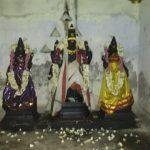
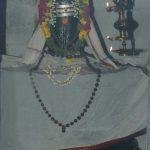
Nestled in the historic village of Chakkarapalli in the Thanjavur district lies the Chakravageswarar Temple, a sanctuary of profound spiritual energy and architectural heritage. Dedicated to Lord Shiva, worshipped here as the Chakravageswarar (the Supreme Ruler of the Universe), this temple is a hidden gem of the Chola dynasty legacy. The presiding deity is a Swayambhu Linga (self-manifested), which elevates the temple’s sanctity, making it a powerful center for devotion.
His consort, Devanayaki (Parvati), faces south in a separate sanctum, blessing devotees with grace and protection.
Phalaśruti: The Fruits of Devotion
Why do pilgrims undertake journeys to Chakkarapalli? According to tradition, a darshan of Chakravageswarar grants:
- Removal of Planetary Afflictions: The temple is renowned for alleviating negative influences caused by Rahu and Ketu doshas in one’s astrological chart.
- Ancestral Liberation: Performing rituals here is believed to cleanse ancestral karma, helping forefathers attain liberation (Moksha).
- Divine Justice: As the name implies, the deity is believed to uphold cosmic order, granting truth and justice to sincere devotees.
2. Historical Origins & Scriptural Legend
The history of Chakravageswarar Temple is etched in stone and inscriptions, tracing back to the glorious era of the Chola Dynasty. While the exact year of construction is not always explicitly dated in common records, the architectural style and epigraphy firmly place it in the medieval Chola period.
The Chola Legacy
According to temple records and archaeological evidence, the temple structures and inscriptions date back to the reign of Kulottunga III (c. 1178–1218 CE). The inscriptions found on the temple walls provide a fascinating window into the socio-political fabric of that era.
Historical Inscriptions & Democratic Norms
The temple is a living archive. Inscriptions here refer to the village as Rajaraja Chaturvedimangalam, highlighting the region’s agricultural prosperity under the Chola kings. One notable inscription details the rules and regulations of the Sabha (local assembly or panchayat). It stipulates that only individuals above the age of 40 were eligible to contest elections, and one could not contest for another 10 years if they had already served. These records offer a glimpse into the sophisticated, democratic governance structures of ancient Tamil Nadu.
Sthala Purana (Local Legend)
Tradition holds that the Swayambhu Linga appeared naturally, untouched by human hands, symbolizing the eternal and self-existent nature of the divine. The presiding deity, Chakravageswarar, is revered as the emperor of the cosmos, embodying the cycle of creation, preservation, and destruction.
3. Architectural Marvels
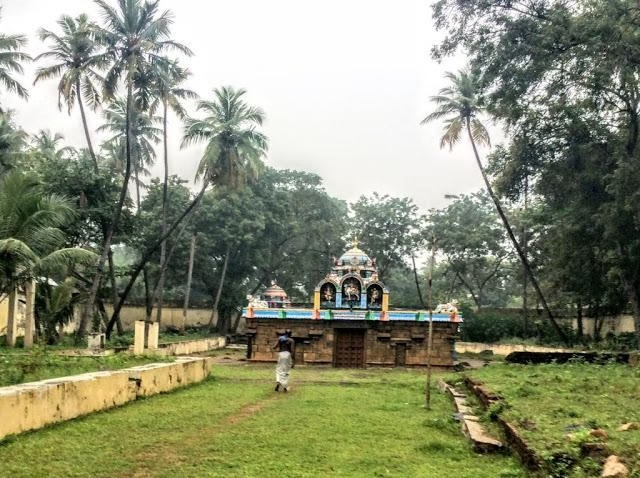
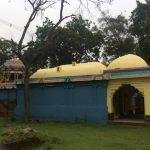
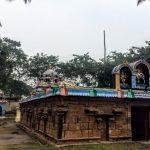
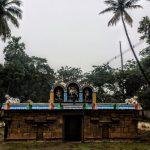
The Chakravageswarar Temple is a masterpiece of Tamil Temple Architecture. Unlike the towering Gopurams (gateway towers) found in later Nayak-era temples, this shrine retains the austere and majestic simplicity of the early Chola style.
Structural Layout
- Sanctum Sanctorum (Garbhagriha): Built entirely of stone, the sanctum houses the Swayambhu Linga. Notably, the temple complex is situated approximately 3 feet below ground level, creating a unique, sunken atmosphere that enhances the spiritual ambiance.
- No Rajagopuram: The temple lacks a multi-tiered Rajagopuram. Instead, devotees enter through a simple archway depicting Lord Shiva on Rishabha (Nandi), his divine vehicle.
- The Mandapas: The complex includes a Balipeedam (sacrificial altar), Dwajasthambam (flagstaff), and a majestic Nandhi statue facing the sanctum within the inner Prakaram (corridor).
Iconography & Sculptures
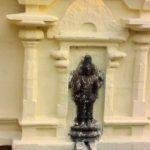
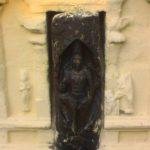
The outer walls of the sanctum feature Koshta Idols (niches), which include:
- Dakshinamurthy: The cosmic teacher.
- Lingothbhava: Shiva emerging as a pillar of fire.
- Brahma and Varuna.
- Durga (Chandi), the protector.
The Maha Mandapa (main hall) houses shrines dedicated to the Sun God (Surya) and Moon God (Chandra), along with Bhairavar and the four great Saivite saints (Nalvar: Appar, Sambandar, Sundarar, and Manickavasagar).
While the temple is not a UNESCO World Heritage site, it is classified as a protected monument by the Archaeological Survey of India (ASI) due to its historical inscriptions and structural significance.
4. Darshan & Ritual Logistics
Planning your visit requires attention to the temple’s daily schedule and ritual offerings. Below is the standard timetable (subject to change during festivals).
Daily Timings
| Session | Timings |
|---|---|
| Morning Darshan | 6:00 AM – 11:00 AM |
| Midday Closure | 11:00 AM – 4:30 PM |
| Evening Darshan | 4:30 PM – 8:00 PM |
| Special Pooja (Abhishekam) | 8:00 AM – 9:00 AM (Daily) |
Key Sevas & Online Booking
To perform Abhishekam (ritual bathing of the deity) or Archana (recitation of names), devotees can contact the temple priests directly at the entrance. As of 2026, while this specific historic temple may not have a dedicated app, major Tamil Nadu temples now utilize the centralized Arulmigu Temples Online Booking portals (often managed by HR&CE). For specific dates, check the official Tamil Nadu temple portal or the App-Link usually posted on the temple notice board.
2026 Festival Calendar
Key dates for devotion in 2026:
- Pradosham (13th & 28th of every month): The most potent time for worshipping Lord Shiva.
- Maha Shivaratri (February 26, 2026): The grandest celebration here, featuring night-long chanting and special abhishekam.
- Kartikai Deepam (November 5, 2026): Lighting of lamps to honour the divine light of Shiva.
- Arudra Darshanam (January 12, 2026): Celebrates the cosmic dance of Nataraja.
5. Practical Visitor Guidance
Ensuring a smooth darshan experience allows you to focus on devotion rather than logistics.
Code of Conduct & Dress Code
As is standard for all Hindu temples in Tamil Nadu, modest dress is mandatory. Men should remove shirts and wear Dhoti or formal trousers; women are advised to wear sarees or full-length dresses. Traditional attire enhances the devotional experience.
Photography & Electronics
Photography inside the sanctum is strictly prohibited. It is advisable to deposit mobile phones and cameras in the designated lockers or hand them to family members waiting outside the inner prakaram to maintain the sanctity of the shrine.
Crowd Management & Best Time to Visit
- Best Hours: Early morning (6:00 AM) is ideal for a peaceful Darshan. The temple sees moderate crowds during weekly Pradosham.
- Seasonal Advice: Thanjavur experiences hot summers (April–June). Carry a water bottle and an umbrella. Monsoon (October–December) brings lush greenery but occasional showers.
- Accessibility: The inner sanctum requires climbing a small step. While the outer corridors are accessible, the sunken sanctum may pose a slight challenge for those with severe mobility issues.
6. Pilgrimage Connectivity
Chakkarapalli is well-connected to the major temple hub of Thanjavur.
How to Reach
- By Air: The nearest airport is Tiruchirappalli International Airport (TRZ), located approximately 60 km away. Taxis and buses are available from the airport to Thanjavur.
- By Rail: The closest railway junction is Thanjavur (TJ), about 15-20 km from Chakkarapalli. From Thanjavur station, local autos and cabs are the best options.
- By Road: Chakkarapalli is situated off the Thanjavur – Kumbakonam Road (SH-22). It is roughly 15 km from the Thanjavur Big Temple.
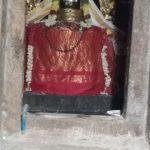
Gallery
Nearby Sacred Sites
Extend your pilgrimage circuit to include these nearby wonders of Thanjavur:
- Brihadeeswarar Temple (Thanjavur Big Temple): A UNESCO World Heritage site and the pinnacle of Chola architecture (15 km away).
- Papanasam Temple: Located near the banks of the Kaveri, famous for its purification waters (25 km away).
- Thiruvaiyaru: The home of Saint Thyagaraja and the Panchanadeeswarar Temple (30 km away).
7. Frequently Asked Questions (FAQ)
Is there a VIP darshan entry?
Given the temple’s heritage status and smaller size, there is no formal VIP entry system. However, making an appointment with the local trustee or performing an Archana service usually allows for closer access to the deity during non-peak hours.
Is there a dress code for Chakravageswarar Temple?
Yes. Devotees must dress modestly. Traditional Indian attire is highly recommended. Shirtless entry for men is generally required within the inner prakaram.
What are the parking facilities like?
As a heritage site, parking is limited. Visitors usually park along the village road near the entrance arch. It is advisable to arrive early to secure a convenient spot.
Can we perform Abhishekam ourselves?
Typically, only the resident priests are permitted to perform the Abhishekam inside the sanctum. Devotees can request the ritual and offer materials (milk, honey, vibhuti), which the priests will use to perform the ceremony on their behalf.
Is the temple open during lunch hours?
Usually, the temple closes between 11:00 AM and 4:30 PM for midday rituals and rest. However, for specific requests or during festival days, the temple may remain open. It is recommended to call the local trustee for confirmation before traveling.
Recent Posts

Shri Kaamkoteeshwar Mandir, Varanasi – History & Significance
In the heart of Kashi, the eternal city of Lord Shiva, where the Ganges flows with celestial grace, stands the Shri Kaamkoteeshwar Mandir. This sacred Sannidhi is not merely a temple but a profound spiritual bridge between the Northern…

ओ सांवरे तूने ही मुझको संभाला – Lyrics & Meaning
ओ सांवरे तूने ही मुझको संभाला – A Prayer to Shyam Origin & Spiritual Essence Why This Bhajan Resonates Devotees chant this when overwhelmed by life’s storms—the refrain ‘तूने ही मुझको संभाला’ is the soul’s sigh of relief: “You…

कथा ये है महाराज मेरे की – Lyrics & Meaning
कथा ये है महाराज मेरे की छत्रपति संभाजी महाराज – A Prayer to Chhatrapati Sambhaji Maharaj Origin & Spiritual Essence Why This Bhajan Resonates Devotees chant this when their spirit feels tested—its powerful refrain “महाराज मेरे” is a soul’s…

Rigveda Samhita Yathartha Anuvada (ऋग्वेद संहिता यथार्थ अनुवाद) – Complete Set with Anvayartha & Hindi/English Translation
The Rigveda is the oldest surviving scripture of humanity and the foundational text of Sanātana Dharma. For serious students, scholars, UPSC aspirants studying ancient Indian history, Sanskrit learners, and spiritual seekers, a precise and grammatically structured translation is indispensable.…

आना भी अकेला है जाना भी अकेला है – Lyrics & Meaning | BharatTemples
आना भी अकेला है जाना भी अकेला है – A Prayer to the Divine Witness Origin & Spiritual Essence Why This Bhajan Resonates Devotees turn to this bhajan in moments of deep reflection—when life’s attachments begin to ache. The…

माता शेरावाली के द्वार जो भी जाता है – Lyrics & Meaning
माता शेरावाली के द्वार जो भी जाता है – A Prayer to Maa Sherawali Origin & Spiritual Essence Why This Bhajan Resonates Devotees turn to this bhajan in times of fear or uncertainty—its promise that no one leaves Maa’s…

मार लेना सपणी उबार लेणा भवरा – Lyrics & Meaning
मार लेना सपणी उबार लेणा भवरा – A Prayer to the Divine Beloved Origin & Spiritual Essence Why This Bhajan Resonates Devotees chant this in moments of deep vulnerability—its cry of “मार लेना सपणी, उबार लेणा भवरा” is the…

हमें श्याम सुंदर भरोसा तुम्हारा – Lyrics & Meaning
हमें श्याम सुंदर भरोसा तुम्हारा – A Prayer to Shyam Sundar Origin & Spiritual Essence Why This Bhajan Resonates Devotees chant this when feeling alone—its refrain ‘de do sahara’ is the soul’s cry for divine support. Lyrics in Hindi…

Mere Satguru Ne Di Thi Davai Lyrics in Hindi & Meaning
Mere Satguru Ne Di Thi Davai: Invoking the Guru’s Liberating Wisdom This soul-stirring bhajan venerates the Satguru (True Spiritual Master) as the divine physician who dispenses the only remedy for life’s deepest sufferings. Composed by Sant Karmaveer Tufani, it…

Janm Diyo Thari Maa Dukh Dekhiyo Lyrics in Hindi & Meaning
जन्म दियो थारी माँ दुख देखियो (Maa’s Grief Upon Birthing You) This soul-stirring Chetavani Bhajan (admonitory hymn) is addressed to the Divine Mother (Maa) – a call for repentance when children forget their filial duties in the dark age…