
Contents
- 1 Introduction & Spiritual Essence
- 2 Historical Origins & Scriptural Legend
- 3 Architectural Marvels
- 4 Darshan & Ritual Logistics
- 5 Practical Visitor Guidance
- 6 Pilgrimage Connectivity
- 7 Frequently Asked Questions (FAQ)
- 7.1 1. Is there a VIP Darshan entry available at Chandi Devi Temple?
- 7.2 2. What is the difference between the ropeway and the trek?
- 7.3 3. Are there food and accommodation facilities available near the temple?
- 7.4 4. Is the temple open during the monsoon season?
- 7.5 5. Can I carry my vehicle to the top?
- 8 Legacy of the Temple
Introduction & Spiritual Essence
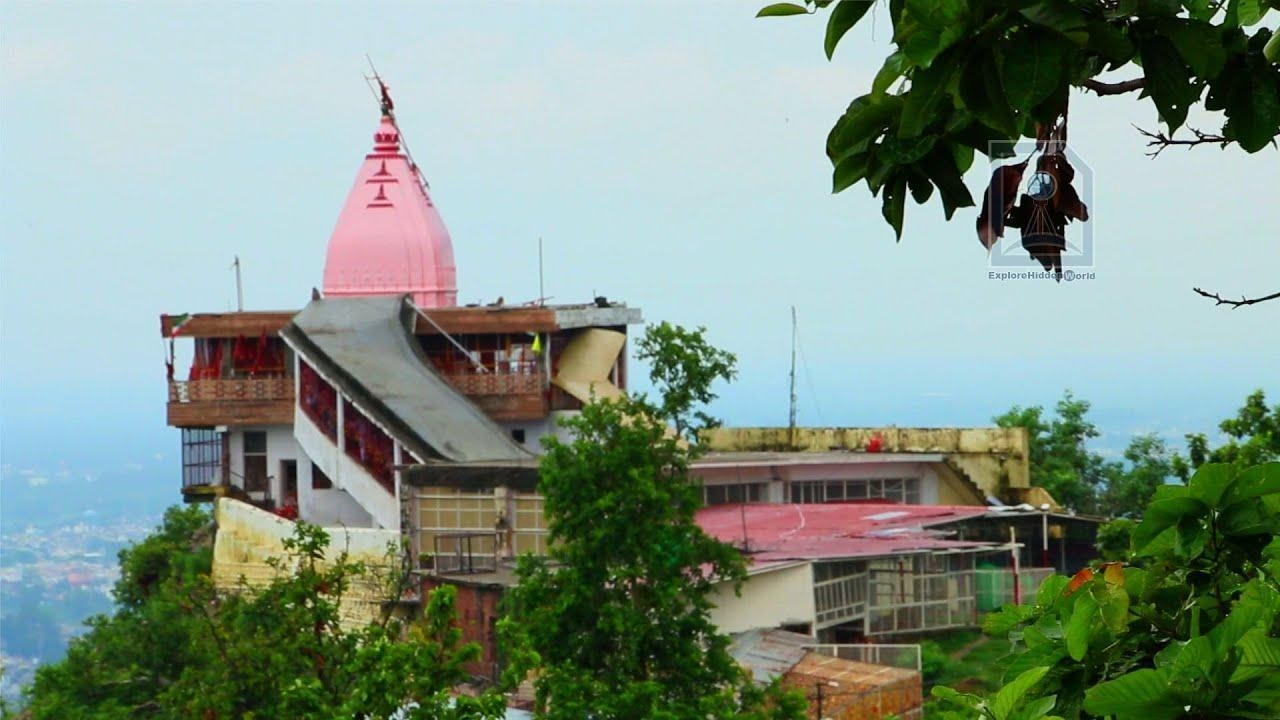
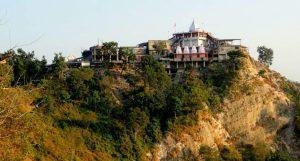
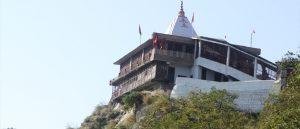
Perched high on the lush slopes of the Neel Parvat, amidst the verdant expanse of the Shivalik Hills, the Chandi Devi Temple stands as a sentinel of divine power and devotion. Located in the holy city of Haridwar, Uttarakhand, this sacred shrine is dedicated to Goddess Chandi, a fierce and benevolent manifestation of Maa Durga (Shakti). Known locally as the Neel Parvat Teerth, the temple is one of the revered Panch Tirth (Five Pilgrimages) within Haridwar, making it a cornerstone of spiritual tourism in North India.
The Primary Deity & Form:
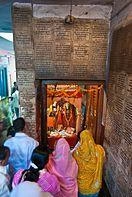
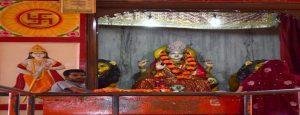
The temple houses a Swayambhu (self-manifested) Murti (idol) of Goddess Chandi. While the structure was erected in the modern era, the spiritual energy of the idol is believed to trace back to the 8th century. The deity is depicted with eight arms, radiating valor and grace, symbolizing the destruction of evil and the protection of righteousness.
Phalaśruti: The Boon of Darshan
Chandi Devi Temple is universally recognized as a Siddh Peetha—a place of worship where the sincere desires of devotees are believed to be fulfilled. Phalaśruti, the spiritual promise of merit, holds that those who undertake the pilgrimage with a pure heart receive specific blessings:
- Ancestral Cleansing: It is believed that offering prayers here helps cleanse Pitra Dosha (ancestral karmic debts), bringing peace to departed souls.
- Success & Fulfillment: Devotees visit specifically to seek success in endeavors and the fulfillment of deep-set wishes.
- Protection from Malefic Forces: As the slayer of demons Shumbh and Nishumbh, the goddess offers protection against negative energies and planetary afflictions.
Historical Origins & Scriptural Legend
The history of Chandi Devi Temple is a fascinating amalgamation of ancient mythology and royal patronage.
Scriptural Legend (Sthala Purana)
According to the Devi Bhagavata Purana and local oral tradition, the temple marks the site where Goddess Chandi, an incarnation of Parvati, rested after her ferocious battle against the demon kings Shumbh and Nishumbha. Following the intense combat, which took place on these very hills, the goddess absorbed her divine form into the rocks of Neel Parvat.
Historical Timeline
While the spiritual roots are ancient, the current temple structure has a documented history:
- 8th Century CE: Tradition holds that Adi Shankaracharya, the great philosopher and reformer, installed the Pran Pratishtha (consecration) of the idol of Chandi Devi. This establishes the site as a timeless center of Shaktism.
- 1929 CE: The current temple structure was built by Raja Suchat Singh, the King of Kashmir. His patronage transformed the ancient site into the accessible sanctuary seen today.
Today, the temple is managed by the Mahant (head priest), preserving the ancient rituals while facilitating the needs of modern pilgrims.
Architectural Marvels
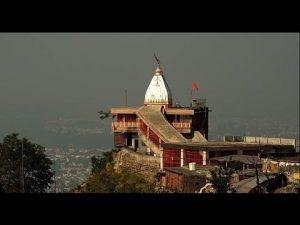
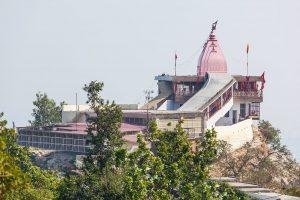
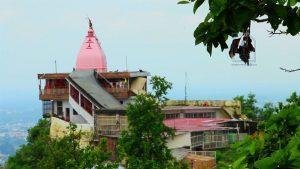
The architecture of Chandi Devi Temple is a harmonious blend of traditional North Indian Nagara style and modern accessibility. Situated at an altitude of approximately 2,900 meters (9,500 feet), the temple overlooks the sprawling plains and the meandering Ganges.
Design Elements
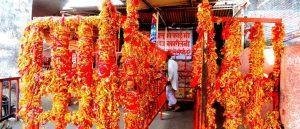
The temple complex is designed to harmonize with the natural topography of the Neel Parvat. The Shikhara (towering spire) of the temple rises majestically, visible from the valley floor. The sanctum sanctorum (Garbhagriha) houses the central idol, adorned with floral garlands and jewelry. While the exterior is relatively simple, the interior radiates a powerful spiritual aura defined by Vastu Shastra principles, ensuring the flow of positive energy.
Notable features include the intricate stone carvings surrounding the entrance and the Mandapa (hall) where devotees gather for prayers. The temple is part of a larger complex that includes shrines to Hanuman and other deities, creating a comprehensive spiritual ecosystem.
Darshan & Ritual Logistics
To ensure a smooth pilgrimage experience, it is essential to understand the timings and rituals. Below are the general operational details for 2026. Note that timings may vary slightly during major festivals.
Daily Darshan Timings
| Session | Timing | Activity |
|---|---|---|
| Morning | 5:30 AM – 12:00 PM | Mangala Aarti, General Darshan |
| Afternoon | 12:00 PM – 4:00 PM | Break (Sanctum Cleaning) |
| Evening | 4:00 PM – 8:00 PM | Sandhya Aarti, General Darshan |
Key Sevas and Booking
Devotees can participate in various rituals to deepen their connection with the divine. The temple administration has digitized the booking process for 2026.
- Abhishekam: Ritual bathing of the idol with milk, honey, and ghee. Available on Tuesdays and Sundays.
- Archana: Recitation of names. Can be performed by families for specific intentions.
- Chandi Path: A complete recitation of the Durga Saptashati. This is a special arrangement requiring prior notice.
Online Seva Booking: Pilgrims can book these services through the official Uttarakhand Tourism portal or the specific temple committee website (bharattemples.com recommends checking the Haridwar Devasthanam Board portal for the latest links).
2026 Major Festival Dates
- Chaitra Navratri: March 30 – April 7, 2026 (Peak rush on Chandi Chaudas)
- Sharad Navratri: September 21 – September 29, 2026
- Diwali: October 18, 2026
- Maha Shivaratri: February 26, 2026 (Sister temple Mansa Devi sees heavy footfall)
Practical Visitor Guidance
Visiting Chandi Devi Temple requires physical preparation due to its altitude and religious respect due to its sanctity.
- Dress Code: Traditional attire is recommended. Men should wear dhotis or trousers and shirts; women should wear sarees, salwar kameez, or modest western wear. Avoid shorts and sleeveless tops.
- Photography Rules: Photography is prohibited inside the sanctum sanctorum. However, the panoramic views from the temple complex offer excellent opportunities for landscape photography.
- Mobile Lockers: Secure locker facilities are available at the ropeway station (Udan Khatola) and near the trekking starting point at Chandighat.
- Accessibility:
– Trek: A 3-kilometer uphill trek from Chandighat. Moderate fitness required (approx. 45-60 mins).
– Ropeway: Highly recommended for elderly visitors and those with mobility issues.
Crowd Management & Seasonal Advice
Haridwar attracts millions, and Chandi Devi is a focal point.
- Best Hours: Early morning (5:30 AM – 7:30 AM) or late evening (6:00 PM – 7:30 PM) to avoid long queues.
- Seasonal Tips:
– Summer (April-June): Haridwar can be very hot. Carry water and wear sun protection. The ropeway line might be longer due to school holidays.– Monsoon (July-September): The trek can be slippery. Wear non-slippery footwear.
– Winter (October-February): Pleasant days and cool nights. Ideal for trekking.
Pilgrimage Connectivity
Chandi Devi Temple is centrally located within the Haridwar district, making it accessible via multiple modes of transport.
How to Reach
- By Air: The nearest airport is Jolly Grant Airport (Dehradun), located approximately 35 km (1 hour drive) from Haridwar.
- By Rail: Haridwar Junction Railway Station (Code: HW) is the main terminal. It is well-connected to Delhi, Mumbai, and Kolkata. From the station, taxis and e-rickshaws are available to Chandighat (start of the trek/ropeway).
- By Road: Haridwar is connected via National Highway 334. Regular buses run from Delhi (220 km), Dehradun (60 km), and Rishikesh (30 km).
Nearby Sacred Sites
Complete your pilgrimage circuit by visiting these nearby shrines:
- Mansa Devi Temple: Located on the Bilwa Parvat, also accessible via ropeway. Dedicated to the wish-fulfilling goddess.
- Maya Devi Temple: An ancient Shakti Peetha located near Har Ki Pauri, predating the current Chandi temple.
- Chilla Wildlife Sanctuary: For nature lovers, located just across the Ganges, offering elephant safaris and bird watching.
Frequently Asked Questions (FAQ)
1. Is there a VIP Darshan entry available at Chandi Devi Temple?
Yes, the temple administration offers a faster darshan lane for those purchasing specific seva tickets (like Abhishekam) or for senior citizens (above 65 years) and differently-abled pilgrims. During peak Navratri seasons, VIP passes are limited and must be booked online in advance.
2. What is the difference between the ropeway and the trek?
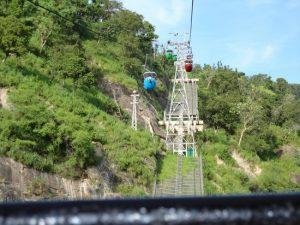
The ropeway (Chandi Devi Udankhatola) offers a scenic 5-minute ride directly to the temple complex. The trek is a 3 km hiking trail starting from Chandighat, taking about 45 minutes to an hour. The ropeway is ideal for time-saving and comfort, while the trek offers a penitential and adventurous experience.
3. Are there food and accommodation facilities available near the temple?
There are small stalls at the base (Chandighat) and near the ropeway station serving snacks and water. However, no restaurants exist at the hilltop. For accommodation, Haridwar city (downhill) offers a wide range of Dharamshalas, GMVN guest houses, and hotels.
4. Is the temple open during the monsoon season?
Yes, the temple remains open year-round. However, during heavy rains, the trekking path may be temporarily closed for safety reasons. The ropeway generally continues to operate unless wind speeds are dangerously high.
5. Can I carry my vehicle to the top?
No, private vehicles are restricted from climbing the hill. You must park your vehicle at the designated parking lot in Chandighat and proceed by foot or ropeway.
Legacy of the Temple
The Chandi Devi Temple is more than a tourist spot; it is a testament to the enduring power of Shakta worship in the Himalayas. Whether you arrive seeking blessings, ancestral peace, or simply the breathtaking view of the Ganges from the Neel Parvat, the temple offers a transformative experience. As part of the Panch Tirth, completing the circuit of Haridwar’s five major shrines is believed to lead to Moksha (liberation), and Chandi Devi stands as a fierce, protective gatekeeper on that spiritual path.
Recent Posts

Shri Kaamkoteeshwar Mandir, Varanasi – History & Significance
In the heart of Kashi, the eternal city of Lord Shiva, where the Ganges flows with celestial grace, stands the Shri Kaamkoteeshwar Mandir. This sacred Sannidhi is not merely a temple but a profound spiritual bridge between the Northern…

ओ सांवरे तूने ही मुझको संभाला – Lyrics & Meaning
ओ सांवरे तूने ही मुझको संभाला – A Prayer to Shyam Origin & Spiritual Essence Why This Bhajan Resonates Devotees chant this when overwhelmed by life’s storms—the refrain ‘तूने ही मुझको संभाला’ is the soul’s sigh of relief: “You…

कथा ये है महाराज मेरे की – Lyrics & Meaning
कथा ये है महाराज मेरे की छत्रपति संभाजी महाराज – A Prayer to Chhatrapati Sambhaji Maharaj Origin & Spiritual Essence Why This Bhajan Resonates Devotees chant this when their spirit feels tested—its powerful refrain “महाराज मेरे” is a soul’s…

Rigveda Samhita Yathartha Anuvada (ऋग्वेद संहिता यथार्थ अनुवाद) – Complete Set with Anvayartha & Hindi/English Translation
The Rigveda is the oldest surviving scripture of humanity and the foundational text of Sanātana Dharma. For serious students, scholars, UPSC aspirants studying ancient Indian history, Sanskrit learners, and spiritual seekers, a precise and grammatically structured translation is indispensable.…

आना भी अकेला है जाना भी अकेला है – Lyrics & Meaning | BharatTemples
आना भी अकेला है जाना भी अकेला है – A Prayer to the Divine Witness Origin & Spiritual Essence Why This Bhajan Resonates Devotees turn to this bhajan in moments of deep reflection—when life’s attachments begin to ache. The…

माता शेरावाली के द्वार जो भी जाता है – Lyrics & Meaning
माता शेरावाली के द्वार जो भी जाता है – A Prayer to Maa Sherawali Origin & Spiritual Essence Why This Bhajan Resonates Devotees turn to this bhajan in times of fear or uncertainty—its promise that no one leaves Maa’s…

मार लेना सपणी उबार लेणा भवरा – Lyrics & Meaning
मार लेना सपणी उबार लेणा भवरा – A Prayer to the Divine Beloved Origin & Spiritual Essence Why This Bhajan Resonates Devotees chant this in moments of deep vulnerability—its cry of “मार लेना सपणी, उबार लेणा भवरा” is the…

हमें श्याम सुंदर भरोसा तुम्हारा – Lyrics & Meaning
हमें श्याम सुंदर भरोसा तुम्हारा – A Prayer to Shyam Sundar Origin & Spiritual Essence Why This Bhajan Resonates Devotees chant this when feeling alone—its refrain ‘de do sahara’ is the soul’s cry for divine support. Lyrics in Hindi…

Mere Satguru Ne Di Thi Davai Lyrics in Hindi & Meaning
Mere Satguru Ne Di Thi Davai: Invoking the Guru’s Liberating Wisdom This soul-stirring bhajan venerates the Satguru (True Spiritual Master) as the divine physician who dispenses the only remedy for life’s deepest sufferings. Composed by Sant Karmaveer Tufani, it…

Janm Diyo Thari Maa Dukh Dekhiyo Lyrics in Hindi & Meaning
जन्म दियो थारी माँ दुख देखियो (Maa’s Grief Upon Birthing You) This soul-stirring Chetavani Bhajan (admonitory hymn) is addressed to the Divine Mother (Maa) – a call for repentance when children forget their filial duties in the dark age…