

Contents
Introduction & Spiritual Essence
Located in the heart of Gorakhpur, Uttar Pradesh, the Gorakhnath Temple stands as a monumental beacon of spiritual energy. Dedicated to Gorakhshanath (a form of Lord Shiva), this holy shrine is the epicenter of the Nath Sampradaya, a monastic order established by the legendary Adi Nath, Guru Gorakhnath.
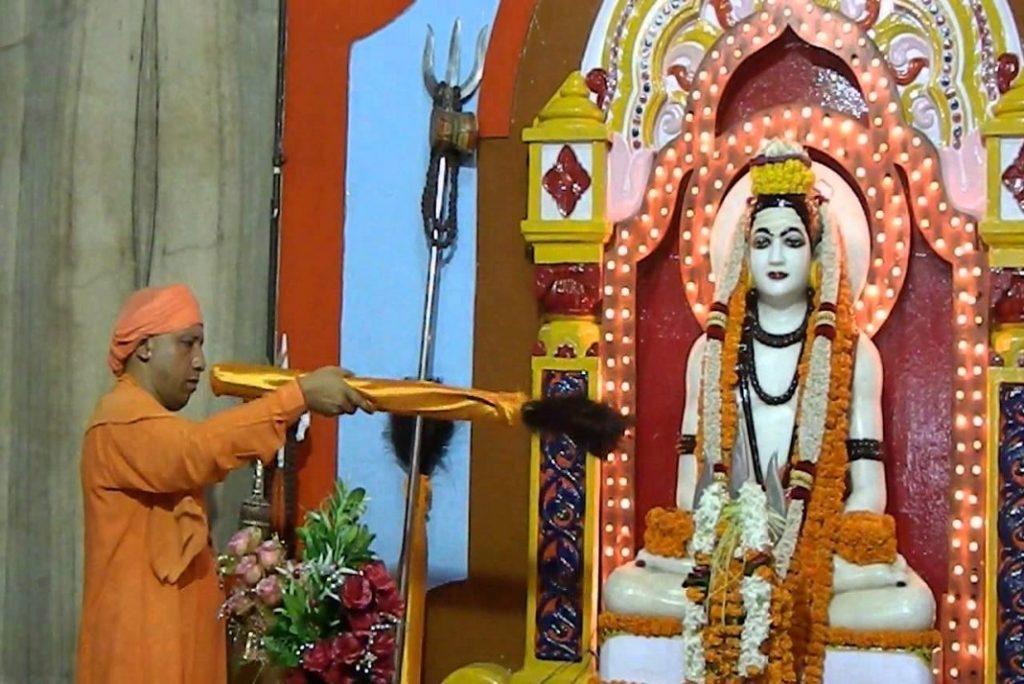
The primary deity here is a Swayambhu (self-manifested) Shivalinga, believed to have existed since time immemorial. Unlike traditional Shivalingas, the murti of Gorakhshanath is often depicted with a trishul and kamandalu, symbolizing his role as the supreme yogi.
Phalaśruti: Why Devotees Visit
According to the Shiva Purana and Nath Charit, a visit to this temple yields profound spiritual benefits:
- Moksha (Liberation): It is believed that sincere prayer here washes away the cycle of Karma and grants spiritual liberation.
- Ancestral Cleansing: Performing Shraddha rituals here is considered equivalent to visiting Gaya (Bihar) for ancestral peace.
- Health & Vitality: The temple is associated with healing powers, believed to cure ailments through the grace of the Nath Yogi.
Historical Origins & Scriptural Legend
The history of Gorakhnath Temple is steeped in the lore of the Nath tradition. While tradition holds that the temple was established by Guru Gorakhnath himself in the 12th century, historical records suggest the current structure evolved significantly under the patronage of the Gorkha Kingdom and later the British administration.
The Gorkha Connection
It is recorded in history that King Prithvi Narayan Shah of Nepal (18th century) visited this site and laid the foundation for the temple’s expansion. The temple served as a strategic spiritual center for the Gorkhas, connecting Nepal to the plains of Hindustan.
Sthala Purana
Local legends narrate that Gorakhpur derives its name from Gorakhnath. The area was previously known as Srikund. It is said that the great sage Matsyendranath (the guru of Gorakhnath) visited this site, and Gorakhnath spent years here in deep Tapa (meditation). His Samadhi (final resting place) is located within the complex, marking the exact spot where he merged with the divine.
The Gorakhnath Math (Gorakhnath Mutt) is a temple of the Nath monastic group of the Nath tradition. The name Gorakhnath derives from the medieval saint, Gorakhnath (c. 11th century), a yogi who travelled widely across India and authored a number of texts that form a part of the canon of Nath Sampradaya.The Nath tradition was founded by guru Matsyendranath. This math is situated in Gorakhpur, Uttar Pradesh within a large premises. The temple performs various cultural and social activities and serves as the cultural hub of the city.
| Date built: | 12th Century (approximate) |
|---|---|
| Deity: | Gorakhshanath (Shiva) |
| Architectural style: | Hindu architecture (Nagara influence) |
| Major festivals | Makar Sankranti, Guru Purnima, Navratri, Diwali |
| Locale: | Gorakhpur |
| District:: | Gorakhpur |
| Address: | Gorakhnath Mandir, Gorakhpur, Uttar Pradesh, India |
| Phone | N/A (as there is no specific phone number available for the temple) |
Architectural Marvels
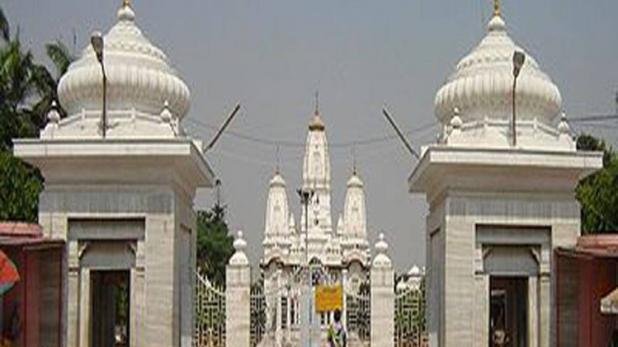
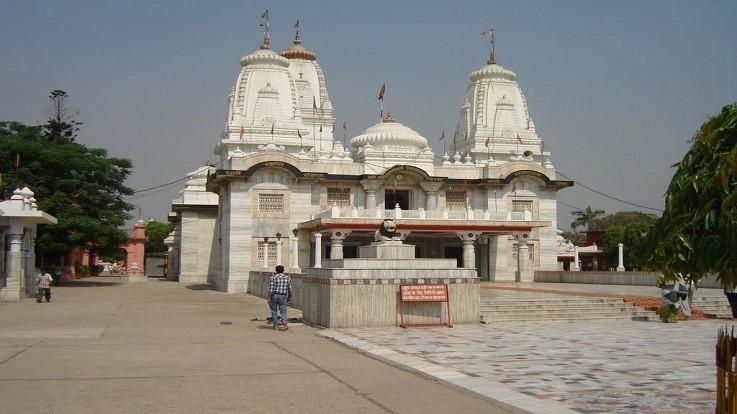
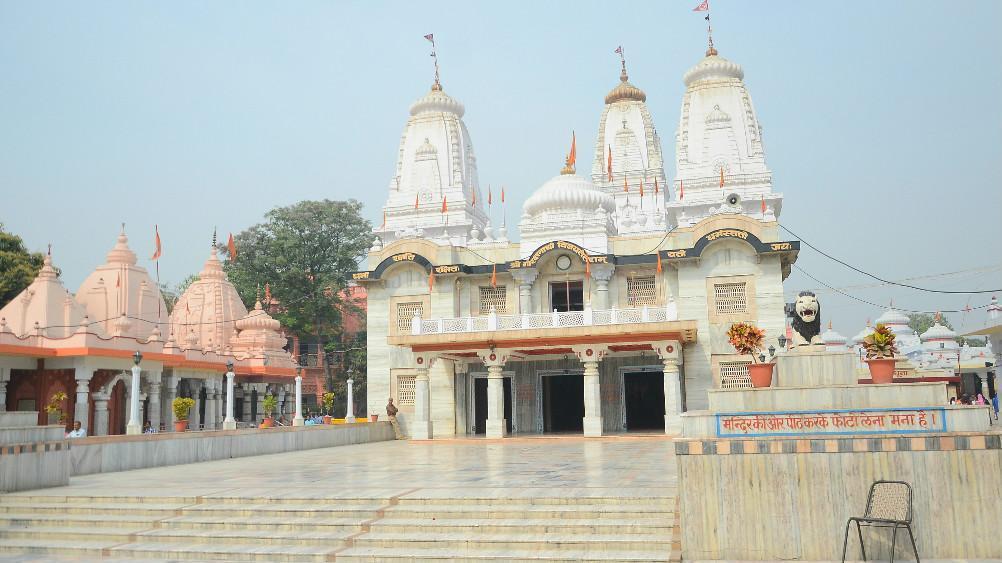
The temple complex is a sprawling masterpiece of Hindu architecture infused with Vastu Shastra principles. The layout is designed to align with cosmic energies, ensuring a positive flow of spiritual vibrations.
Style and Structure
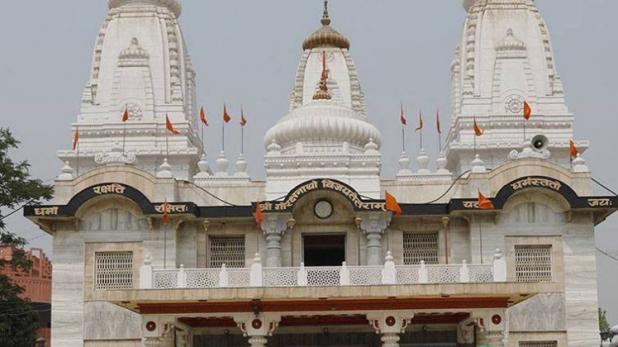
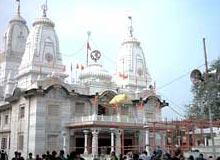
While predominantly following the North Indian Nagara style, the temple features a massive Shikhara (spire) that dominates the Gorakhpur skyline. The sanctum sanctorum (Garbhagriha) houses the swayambhu linga, illuminated by natural light filtering through carefully positioned windows.
Notable Shrines within the Complex
- Samadhi Sthal: The shrine housing the final resting place of Guru Gorakhnath. It is a place of intense meditation.
- Bhairav Mandir: Dedicated to the fierce protector form of Shiva.
- Gorakhnath Museum: Preserves ancient manuscripts, weapons used by Gorkha soldiers, and artifacts depicting the history of the Nath sect.
The temple spans over 52 acres, featuring spacious Mandapas (halls) for large congregations and intricate marble carvings depicting mythological scenes.
Darshan & Ritual Logistics
To ensure a seamless spiritual journey, devotees should plan their visit according to the temple’s schedule. The atmosphere shifts from the serene silence of early morning Aartis to the vibrant energy of evening rituals.
Daily Timings
| Session | Timing | Activity |
|---|---|---|
| Morning | 4:00 AM – 1:00 PM | Mangala Aarti, Shringar Darshan |
| Afternoon | 1:00 PM – 4:00 PM | Temple Cleaning Break |
| Evening | 4:00 PM – 10:30 PM | Sandhya Aarti, Shayan Darshan |
Seva & Online Booking
Devotees can book specific Sevas online. Key rituals include:
- Abhishekam: Ritual bathing of the Shivalinga with water, milk, and honey.
- Archana: Recitation of hymns (108 names of Gorakhshanath).
- Rudrabhishek: A powerful Vedic ritual for planetary alignment.
Booking is currently managed via the official Gorakhnath Temple administration portal (links often updated on their social media handles).
Festivals in 2026
- Makar Sankranti (January 14, 2026): The largest gathering at the temple. The famous Gorakhnath Mela takes place, drawing millions of devotees.
- Guru Purnima (July 10, 2026): Celebrated as the birthday of Guru Gorakhnath.
- Navratri: Special Yagna and Kanya Pujan are performed during Chaitra and Sharad Navratri.
Practical Visitor Guidance
Visiting a temple of this magnitude requires preparation. Here is what you need to know:
- Dress Code: Traditional Indian attire is recommended. Men should wear Dhoti-Kurta or full-length trousers; women should wear Saree or Salwar Kameez. Avoid shorts or sleeveless tops.
- Photography: Strictly prohibited inside the Garbhagriha (sanctum). Photography in the outer courtyard is generally allowed, but respect the privacy of sadhus.
- Mobile Lockers: Available near the entrance for electronic devices (mobiles are not allowed inside the main temple).
- Accessibility: The temple has ramps and wheelchair accessibility in the main courtyard. However, the sanctum has steep steps; assistance is available for elderly visitors.
Crowd Management
- Best Hours: 4:00 AM – 6:00 AM (Mangala Aarti) or 2:00 PM – 4:00 PM (Least crowded).
- Seasonal Advice:
- Summer (May-June): Temperatures exceed 40°C. Carry a water bottle and cover your head.
- Winter (Dec-Jan): Mornings are foggy. Warm layers are essential.
- Monsoon: Umbrellas are necessary; slippery floors are monitored by staff.
Pilgrimage Connectivity
Gorakhpur serves as a major transit hub for pilgrims traveling to the Buddhist circuit (Lumbini, Kushinagar).
How to Reach
- Air: Gorakhpur Airport (GOP) is approximately 8 km from the temple. Direct flights connect to Delhi, Mumbai, and Lucknow.
- Rail: Gorakhpur Junction (GKP) is the nearest railway station (approx 4 km). It is one of the longest railway platforms in India. Auto-rickshaws and e-rickshaws are readily available.
- Road: The temple is well-connected via NH 27 (East-West Corridor) and NH 28. Buses run frequently from Lucknow, Varanasi, and Patna.
The Gorakhnath Temple is located in the city of Gorakhpur in Uttar Pradesh and is easily accessible by road, rail, and air. The nearest airport is the Gorakhpur Airport, which is around 8 km from the temple. The nearest railway station is the Gorakhpur Railway Station, which is around 4 km from the temple. The temple is also well-connected by road and can be reached by bus or taxi.
Nearby Sacred Sites
- Veer Bahadur Singh Museum (Gorakhpur): A cultural site nearby.
- Kushmi Forest & Geeta Vatika: A serene park and temple complex 5 km away.
- Rehnani Mahadev: A historic Shiva temple on the banks of the Rapti river.
Accommodation Options Near Gorakhnath Temple
There are several accommodation options near the Gorakhnath Temple, ranging from budget guesthouses to luxury hotels. Some of the popular options include the Hotel Shivoy, the Hotel President, and the Clarks Inn Grand.
Frequently Asked Questions (FAQs)
Here are answers to common queries regarding the Gorakhnath Temple:
Guru Gorakhnath was a great yogi and spiritual leader who founded the Nath Sampradaya, one of the oldest and most revered spiritual lineages in India. He is the author of the Kaulavada Nirnaya and other Tantric texts.
The Gorakhnath Temple is one of the most important temples of the Nath Sampradaya and is dedicated to Guru Gorakhnath. It is a place of great spiritual significance and attracts thousands of devotees and visitors every year, specifically during Makar Sankranti.
Yes, the temple administration provides provisions for VIP or Special Darshan passes during regular days and festivals. These can be obtained from the temple office or through administrative channels.
It is advised not to distribute food randomly as it can cause congestion. Instead, donate to the temple’s Bhandara (community kitchen) which feeds thousands daily.
Yes, secure lockers are available near the entry gates to deposit mobile phones, bags, and shoes. It is mandatory to deposit mobile phones before entering the inner sanctum.
Recent Posts

Shri Kaamkoteeshwar Mandir, Varanasi – History & Significance
In the heart of Kashi, the eternal city of Lord Shiva, where the Ganges flows with celestial grace, stands the Shri Kaamkoteeshwar Mandir. This sacred Sannidhi is not merely a temple but a profound spiritual bridge between the Northern…

ओ सांवरे तूने ही मुझको संभाला – Lyrics & Meaning
ओ सांवरे तूने ही मुझको संभाला – A Prayer to Shyam Origin & Spiritual Essence Why This Bhajan Resonates Devotees chant this when overwhelmed by life’s storms—the refrain ‘तूने ही मुझको संभाला’ is the soul’s sigh of relief: “You…

कथा ये है महाराज मेरे की – Lyrics & Meaning
कथा ये है महाराज मेरे की छत्रपति संभाजी महाराज – A Prayer to Chhatrapati Sambhaji Maharaj Origin & Spiritual Essence Why This Bhajan Resonates Devotees chant this when their spirit feels tested—its powerful refrain “महाराज मेरे” is a soul’s…

Rigveda Samhita Yathartha Anuvada (ऋग्वेद संहिता यथार्थ अनुवाद) – Complete Set with Anvayartha & Hindi/English Translation
The Rigveda is the oldest surviving scripture of humanity and the foundational text of Sanātana Dharma. For serious students, scholars, UPSC aspirants studying ancient Indian history, Sanskrit learners, and spiritual seekers, a precise and grammatically structured translation is indispensable.…

आना भी अकेला है जाना भी अकेला है – Lyrics & Meaning | BharatTemples
आना भी अकेला है जाना भी अकेला है – A Prayer to the Divine Witness Origin & Spiritual Essence Why This Bhajan Resonates Devotees turn to this bhajan in moments of deep reflection—when life’s attachments begin to ache. The…

माता शेरावाली के द्वार जो भी जाता है – Lyrics & Meaning
माता शेरावाली के द्वार जो भी जाता है – A Prayer to Maa Sherawali Origin & Spiritual Essence Why This Bhajan Resonates Devotees turn to this bhajan in times of fear or uncertainty—its promise that no one leaves Maa’s…

मार लेना सपणी उबार लेणा भवरा – Lyrics & Meaning
मार लेना सपणी उबार लेणा भवरा – A Prayer to the Divine Beloved Origin & Spiritual Essence Why This Bhajan Resonates Devotees chant this in moments of deep vulnerability—its cry of “मार लेना सपणी, उबार लेणा भवरा” is the…

हमें श्याम सुंदर भरोसा तुम्हारा – Lyrics & Meaning
हमें श्याम सुंदर भरोसा तुम्हारा – A Prayer to Shyam Sundar Origin & Spiritual Essence Why This Bhajan Resonates Devotees chant this when feeling alone—its refrain ‘de do sahara’ is the soul’s cry for divine support. Lyrics in Hindi…

Mere Satguru Ne Di Thi Davai Lyrics in Hindi & Meaning
Mere Satguru Ne Di Thi Davai: Invoking the Guru’s Liberating Wisdom This soul-stirring bhajan venerates the Satguru (True Spiritual Master) as the divine physician who dispenses the only remedy for life’s deepest sufferings. Composed by Sant Karmaveer Tufani, it…

Janm Diyo Thari Maa Dukh Dekhiyo Lyrics in Hindi & Meaning
जन्म दियो थारी माँ दुख देखियो (Maa’s Grief Upon Birthing You) This soul-stirring Chetavani Bhajan (admonitory hymn) is addressed to the Divine Mother (Maa) – a call for repentance when children forget their filial duties in the dark age…