
Contents
Pichaaleeswarar Temple, Panpakkam: A Definitive Pilgrimage Guide
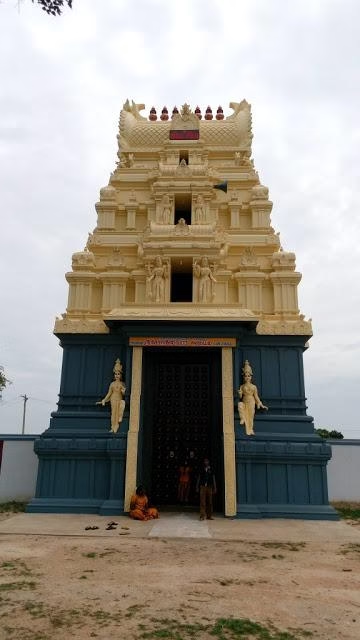
Nestled in the serene village of Panpakkam near Gummidipoondi, the Pichaaleeswarar Temple stands as a testament to ancient Dravidian architectural brilliance and unwavering devotion. Dedicated to Lord Shiva, this sacred site is often referred to as the “Bird Temple” due to its unique structural layout resembling a bird in flight. As we approach 2026, this guide serves as your comprehensive companion for planning a spiritually enriching visit.
Introduction & Spiritual Essence
Primary Deity: Pichaaleeswarar (Lord Shiva)
Consort: Soundaravalli Amman (Goddess Parvati)
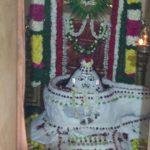
Form: Swayambhu (Self-Manifested) Lingam
Phalaśruti: Why Devotees Visit
The temple is revered for its powerful ability to alleviate the ill-effects of planetary alignments, specifically Saturn (Shani) and the shadow planet Ketu. Devotees believe that offering prayers here helps in:
- Cleansing Ancestral Karma: Performing rituals for departed souls brings peace to the lineage.
- Removing Mental Agitation: The name “Pichaaleeswarar” is interpreted as the Lord who grants sanity and removes the “madness” of worldly worries.
- Harmony in Relationships: Couples worship here to resolve conflicts and strengthen bonds.
Historical Origins & Scriptural Legend
While specific dynastic inscriptions regarding the original construction are scarce, local records and oral traditions date the temple back over a millennium.
The Legend of the Sage and the Birds
According to the Sthala Purana, a devout sage (Rishi) was performing intense penance dedicated to Lord Shiva in this forest region. The sage had a deep affinity for birds, and the surrounding area was a sanctuary for various avian species. Pleased with the sage’s devotion, Lord Shiva appeared as a Swayambhu Lingam. The unique geometry of the temple was designed to honor the sacred birds protected by the sage, giving the temple the shape of a bird in flight. Hence, the presiding deity came to be known as Pichaaleeswarar.
Architectural Marvels
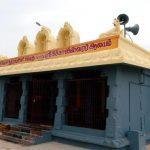
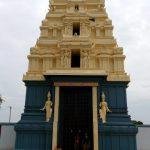
The Pichaaleeswarar Temple is a masterpiece of Dravidian Architecture, characterized by its intricate stonework and spiritual symbolism.
Structure and Layout
The temple is designed in the shape of a bird, a unique feature in Tamil Nadu temple architecture. Key structural elements include:
- The Sanctum Sanctorum (Garbhagriha): Houses the Swayambhu Lingam, facing east.
- Mandapas: Spacious pillared halls used for rituals and gatherings. The temple features a rare Asthana Mandapa (assembly hall).
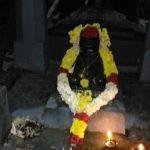
- Sculptures: Ancient carvings depicting various forms of Shiva and guardian deities adorn the walls.
While not officially classified as a UNESCO site, the temple holds significant heritage value, preserved by the local community and the Hindu Religious and Charitable Endowments (HR&CE) Department.


Darshan & Ritual Logistics
Plan your visit with the following schedule. Note that timings may vary slightly during festival seasons.
Daily Timings
| Session | Timing | Activity |
|---|---|---|
| Morning | 06:00 AM – 12:00 PM | Temple Opening, Abhishekam, Archana |
| Afternoon | 12:00 PM – 04:00 PM | Closed for Rest (Alankaram) |
| Evening | 04:00 PM – 08:30 PM | Evening Darshan, Deeparadhana |
Key Sevas & Online Booking
The temple offers various Sevas (services) that can be booked either at the temple office or online via the Tamil Nadu HR&CE portal.
- Abhishekam: Ritual bathing of the deity (typically performed with milk, honey, and sandalwood paste).
- Archana: Recitation of names accompanied by flower offerings.
- Rudra Abhishekam: A highly auspicious Vedic ritual for fulfillment of desires.
2026 Festival Calendar
- Arudra Darshanam: January 2026 (Celebrates Lord Nataraja’s cosmic dance).
- Maha Shivaratri: February 26, 2026 (The most significant night for Shiva devotees; special night-long darshans).
- Pradosham: Occurring twice every lunar month (Tuesdays and Fridays are highly auspicious).
- Aadi Perukku: July/August 2026 (Monsoon festival honoring the river).
Practical Visitor Guidance
Code of Conduct & Essentials
- Dress Code: Traditional attire is mandatory. Men should wear dhotis or pants with shirts; women should wear sarees, salwar kameez, or full-length skirts. Avoid shorts and sleeveless tops.
- Photography: Photography is strictly prohibited inside the sanctum sanctorum. Allowed in the outer prakarams (corridors) with discretion.
- Mobile Lockers: There are no formal cloakrooms, so it is advised to travel light and leave valuables in your vehicle.
- Accessibility: The sanctum has steps. Wheelchair access is limited to the outer mandapa.
Crowd Management
- Best Time to Visit: Weekday mornings (6:30 AM – 8:00 AM) offer the most peaceful darshan.
- Seasonal Advice:
- Summer (April – June): Temperatures in Thiruvallur can exceed 40°C. Carry a water bottle and a head cover.
- Monsoon (November – December): Carry an umbrella as the temple premises are open to the sky.
Pilgrimage Connectivity
How to Reach
- By Road: Panpakkam is located approximately 40 km from Chennai. Take NH 16 (Chennai-Kolkata Highway) towards Gummidipoondi. From Gummidipoondi, follow the village road towards Panpakkam (approx. 4 km).
- By Rail: The nearest railway station is Kavaraippettai (4 km). Alternatively, Gummidipoondi station is 5 km away. From there, local auto-rickshaws are available.
- By Air: Chennai International Airport (MAA) is the nearest airport, roughly 52 km away (1.5 hours drive).
Nearby Sacred Sites (Pilgrimage Circuit)
Extend your trip by visiting these nearby spiritual destinations:
- Thiruvallur Veeraraghava Swamy Temple: A prominent Vaishnavite temple located 47 km away, dedicated to Lord Vishnu as a healer.
- Thirumazhisai Aadhi Kesava Perumal Temple: Located on the banks of the Palar River, known for its ancient inscriptions.
- Pulicat Lake (Bird Sanctuary): For nature enthusiasts, located 24 km away, offering a scenic complement to the spiritual journey.
Frequently Asked Questions (FAQs)
1. Is there a VIP Darshan entry at Pichaaleeswarar Temple?
Currently, the temple does not have a formal VIP ticket system. However, devotees can purchase special Archana or Abhishekam tickets to gain priority access during non-peak hours.
2. What are the “Pichaali” or “Beach Morning Glory” connections?
Local folklore suggests that the temple grounds were historically surrounded by wild Pichaali (Creeping Morning Glory) flowers, contributing to the temple’s name. Some also connect the name to the status of King Sibi, known for charity.
3. Is non-vegetarian food allowed inside the temple?
No. This is a strictly vegetarian temple. Devotees are advised to eat before entering. Local tea stalls outside the temple offer simple vegetarian snacks.
4. Can we perform last rites (Shraddha) here?
Yes, the temple is believed to be powerful for ancestral rites. Devotees often perform Tharpanam or Shraddha ceremonies here to liberate ancestors’ souls.
5. Is there accommodation available nearby?
There are no guest houses within the temple complex. For accommodation, travelers can return to Gummidipoondi or the industrial city of Padi, which has several lodges. A day trip from Chennai is highly recommended.
Disclaimer: Temple timings and rituals are subject to change based on local calendar and administrative notifications. Please verify with the temple office before travel.
Recent Posts

Shri Kaamkoteeshwar Mandir, Varanasi – History & Significance
In the heart of Kashi, the eternal city of Lord Shiva, where the Ganges flows with celestial grace, stands the Shri Kaamkoteeshwar Mandir. This sacred Sannidhi is not merely a temple but a profound spiritual bridge between the Northern…

ओ सांवरे तूने ही मुझको संभाला – Lyrics & Meaning
ओ सांवरे तूने ही मुझको संभाला – A Prayer to Shyam Origin & Spiritual Essence Why This Bhajan Resonates Devotees chant this when overwhelmed by life’s storms—the refrain ‘तूने ही मुझको संभाला’ is the soul’s sigh of relief: “You…

कथा ये है महाराज मेरे की – Lyrics & Meaning
कथा ये है महाराज मेरे की छत्रपति संभाजी महाराज – A Prayer to Chhatrapati Sambhaji Maharaj Origin & Spiritual Essence Why This Bhajan Resonates Devotees chant this when their spirit feels tested—its powerful refrain “महाराज मेरे” is a soul’s…

Rigveda Samhita Yathartha Anuvada (ऋग्वेद संहिता यथार्थ अनुवाद) – Complete Set with Anvayartha & Hindi/English Translation
The Rigveda is the oldest surviving scripture of humanity and the foundational text of Sanātana Dharma. For serious students, scholars, UPSC aspirants studying ancient Indian history, Sanskrit learners, and spiritual seekers, a precise and grammatically structured translation is indispensable.…

आना भी अकेला है जाना भी अकेला है – Lyrics & Meaning | BharatTemples
आना भी अकेला है जाना भी अकेला है – A Prayer to the Divine Witness Origin & Spiritual Essence Why This Bhajan Resonates Devotees turn to this bhajan in moments of deep reflection—when life’s attachments begin to ache. The…

माता शेरावाली के द्वार जो भी जाता है – Lyrics & Meaning
माता शेरावाली के द्वार जो भी जाता है – A Prayer to Maa Sherawali Origin & Spiritual Essence Why This Bhajan Resonates Devotees turn to this bhajan in times of fear or uncertainty—its promise that no one leaves Maa’s…

मार लेना सपणी उबार लेणा भवरा – Lyrics & Meaning
मार लेना सपणी उबार लेणा भवरा – A Prayer to the Divine Beloved Origin & Spiritual Essence Why This Bhajan Resonates Devotees chant this in moments of deep vulnerability—its cry of “मार लेना सपणी, उबार लेणा भवरा” is the…

हमें श्याम सुंदर भरोसा तुम्हारा – Lyrics & Meaning
हमें श्याम सुंदर भरोसा तुम्हारा – A Prayer to Shyam Sundar Origin & Spiritual Essence Why This Bhajan Resonates Devotees chant this when feeling alone—its refrain ‘de do sahara’ is the soul’s cry for divine support. Lyrics in Hindi…

Mere Satguru Ne Di Thi Davai Lyrics in Hindi & Meaning
Mere Satguru Ne Di Thi Davai: Invoking the Guru’s Liberating Wisdom This soul-stirring bhajan venerates the Satguru (True Spiritual Master) as the divine physician who dispenses the only remedy for life’s deepest sufferings. Composed by Sant Karmaveer Tufani, it…

Janm Diyo Thari Maa Dukh Dekhiyo Lyrics in Hindi & Meaning
जन्म दियो थारी माँ दुख देखियो (Maa’s Grief Upon Birthing You) This soul-stirring Chetavani Bhajan (admonitory hymn) is addressed to the Divine Mother (Maa) – a call for repentance when children forget their filial duties in the dark age…