
Contents
- 1 Introduction & Spiritual Essence
- 2 Historical Origins & Scriptural Legend
- 3 Architectural Marvels
- 4 Darshan & Ritual Logistics
- 5 Practical Visitor Guidance
- 6 Pilgrimage Connectivity
- 7 Frequently Asked Questions
- 7.1 1. Is there a VIP or Special Darshan entry?
- 7.2 2. What is the significance of the name “Papa Hareswarar”?
- 7.3 3. Are accommodation facilities available nearby?
- 7.4 4. Is the temple wheelchair accessible?
- 7.5 5. Can I perform last rites (Maha Rudra Yagna) here?
- 7.6 6. What is the route from Chennai?
- 7.7 7. Is Prasadam served at the temple?
- 7.8 8. Is there any specific day for maximum spiritual benefit?
Updated for the 2026 Pilgrimage Season by the Heritage Architecture Team at BharatTemples.com
Introduction & Spiritual Essence
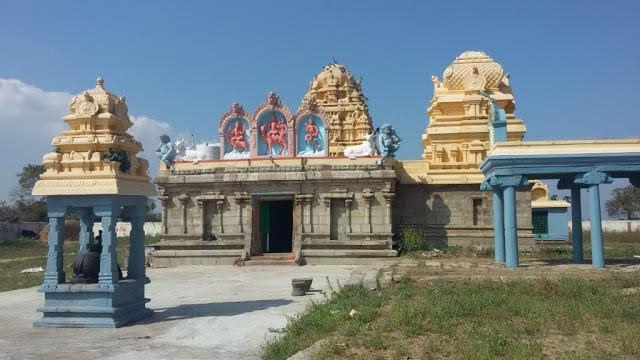
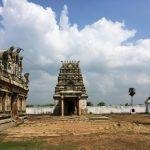
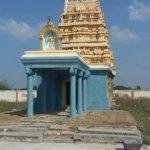
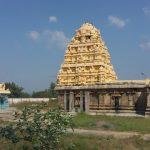
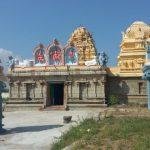
Hidden away from the frenetic pace of urban life in the serene village of Tharatchi near Uthukottai, the Paabhahareeswarar Temple stands as a timeless testament to the power of devotion. This ancient shrine is dedicated to Lord Shiva (known here as Paabhahareeswarar) and the consort Goddess Maragadambikai.
Locally, the temple holds a profound reputation for spiritual cleansing. Devotees revere this site as a dosha nivarana sthalam—a place capable of absolving sins and pacifying planetary afflictions (such as Shani/Rahu). The presiding deity is a Swayambhu Lingam (self-manifested), believed to be an
Phalaśruti (Spiritual Benefits):
- Cleansing Ancestral Karma: It is believed that performing rites here washes away the sins of seven generations.
- Mental Peace: The temple is situated near the Arani River, absorbing the spiritual vibrancy of the Ganga, offering immense peace to troubled minds.
- Removal of Planetary Obstacles: Prayers here are specifically known to mitigate the adverse effects of planetary positions in one’s horoscope.
Historical Origins & Scriptural Legend
While the exact date of construction is lost in the mists of time, historical records trace the current structure to the 15th century CE, likely built under the patronage of the Chandragiri Yadavaraya dynasty. The temple showcases the enduring legacy of South Indian dynastic devotion.
The Legend of the Ullangai Lingam:
Tradition holds that a devout Saivite named Govindan—who was the cousin of the great Vaishnava saint Sri Ramanuja—was bathing in the Ganges at Kashi. By divine grace, a palm-sized Bana Linga (elliptical stone representing Shiva) appeared in his hand (often described as Ullangai or the cup of the palm).
Govindan returned to South India with this sacred relic. He worshipped the Linga at the nearby Kalahasteeswarar Temple before settling here. To honor Govindan’s devotion, King Kattithevan Yadavarayan constructed this temple, desiring it to rival the grandeur of the Chidambaram Nataraja temple. Hence, the Lord is also venerated as Papa Hareswarar (The Lord who removes sins).
Architectural Marvels
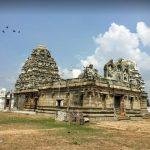
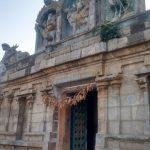
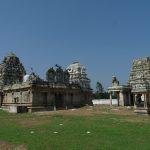
The Paabhahareeswarar Temple is a classic example of the Dravidian architectural style, with influences characteristic of the Vijayanagara era.
- Sanctum Sanctorum (Garbhagriha): The main shrine houses the Bana Linga brought from Kashi. It is slightly shorter than the primary Swayambhu Linga, creating a unique dual-shrine arrangement.
- Ardha Mandapa: Features pillars with distinct雕刻 of deities, though many have been worn smooth by centuries of ritual oil application.
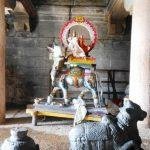
- Ther (Chariot) Mandapa: The temple possesses a stone chariot structure and a small mandapa for ritual circumambulation (Pradakshina).
- The Arani River: The temple is situated on the southern bank of the Arani, which is theologically equated to the Ganga, adding a natural water body to the temple’s Vastu layout.
While not a UNESCO site, the temple is protected under the Archaeological Survey of India (ASI) purview for its historical significance in the Thiruvallur district.
Darshan & Ritual Logistics
The temple follows standard Agamic rituals. Due to the smaller size of the shrine, the atmosphere is intimate and devotional.
Daily Temple Timings (2026)
The temple is open for specific slots to facilitate maintenance and priest duties.
| Session | Timing |
|---|---|
| Morning Darshan | 06:00 AM – 10:00 AM |
| Evening Darshan | 05:00 PM – 08:00 PM |
Key Sevas & Offerings
- Abhishekam (Sacred Bathing): Performed for the Swayambhu Lingam using milk, honey, and sandalwood paste. Best performed on Mondays or Pradosham.
- Archana: Recitation of Shiva Ashtottaram and Sahasranamam. You can book this for specific family members.
- Vastram (Clothing): Offering cloth to the deity is a common practice for wish fulfillment.
Online Seva Booking (2026 Guidelines)
While the temple operates traditionally, the Tamil Nadu Temple Administration is rolling out unified digital portals. For Paabhahareeswarar Temple, devotees are advised to:
- Visit the official HR&CE Department portal (tnhrce.org) for Thirukalyana Utsavam bookings.
- For daily Archana, contact the temple priest (Gurukkal) directly at +91 9445296096 24 hours in advance.
2026 Festival Dates
- Maha Shivaratri: February 26, 2026 (Grand Abhishekam throughout the night).
- Karthikai Deepam: December 4, 2026 (Lighting of lamps in the temple and on the riverbank).
- Pradosham: Occurs twice monthly (13th and 28th lunar days); highly auspicious for removal of karma.
Practical Visitor Guidance
To ensure a serene experience, please adhere to the following guidelines.
Code of Conduct
- Dress Code: Traditional attire is recommended (Dhoti/Kurta for men; Saree/Salwar for women). Western casual wear is acceptable but discouraged within the sanctum sanctorum.
- Photography: Photography is permitted in the outer courtyards but strictly prohibited inside the sanctum.
- Footwear: Remove shoes at the designated shoe rack near the entrance; the temple floor is stone and often washed with water.
Crowd Management & Seasonal Tips
- Best Hours: Visit between 7:00 AM and 9:00 AM for a quiet darshan. Evenings fill up with local devotees.
- Summer (April–June): Carry a water bottle and an umbrella. The stone floors retain heat.
- Monsoon (November): The Arani River is fuller, offering a beautiful backdrop, but paths can be slippery.
Pilgrimage Connectivity
The temple is accessible via the lush countryside of Thiruvallur district.
How to Reach
- By Air: Chennai International Airport (MAA) is the nearest airport, approximately 70 km away (1.5 – 2 hours by road via NH16).
- By Rail: The nearest major railway junction is Thiruvallur (approx. 30 km). Alternatively, Uthukottai station is closer (6 km) but has limited connectivity.
- By Road: Located off State Highway 56 (connecting Tirupati to Chennai). Take the diversion at Pondavakkam towards Vadathillai. The final stretch is a narrow village road.
Nearby Sacred Sites
Extend your pilgrimage to these nearby temples:
- Sri Kalahasteeswarar Temple: A major Shiva Kshetram (approx. 30 km away). Linked closely to the legend of the Paabhahareeswarar Lingam.
- Sri Vedagiriswarar Temple, Thirukalukundram: Famous for the daily arrival of two eagles to worship the Shiva Lingam.
- Vadathillai Kailasanathar Temple: A smaller, ancient temple located just 1 km away, sharing the river bank.
Frequently Asked Questions
1. Is there a VIP or Special Darshan entry?
Unlike large temple complexes, Paabhahareeswarar Temple maintains a traditional approach. There is no formal VIP ticket system. However, devotees are permitted to enter the inner sanctum upon informing the Gurukkal, especially if they are carrying materials for Abhishekam.
2. What is the significance of the name “Papa Hareswarar”?
Papa means sin and Hara means remover. The name implies that the Lord here has the specific boon to absolve the devotee of accumulated karmic debts and sins committed knowingly or unknowingly.
3. Are accommodation facilities available nearby?
The temple does not have an attached rest house. However, basic lodging is available in Uthukottai (6 km) and more comfortable hotels are available in Tiruvallur (30 km) and Chennai outskirts.
4. Is the temple wheelchair accessible?
The outer areas are flat, but the inner sanctum is small with a raised threshold. It may require assistance for wheelchair users to navigate the mandapam areas.
5. Can I perform last rites (Maha Rudra Yagna) here?
While the temple is potent for ancestor offerings (Sarva Pithru Dosha Nivarana), large-scale Yagnas are typically coordinated through the priest based on the availability of space and materials. Contact the mobile number provided above at least 3 days in advance.
6. What is the route from Chennai?
Drive via NH16 (Chennai-Kolkata Highway) towards Tada/Padiri. Turn left at Tada towards Uthukottai. From Uthukottai, proceed towards Pondavakkam and take the detour to Vadathillai. The roads are motorable but narrow in the final 5 km.
7. Is Prasadam served at the temple?
Yes, simple Prasadam (Pongal or Puliyodarai) is distributed during temple festivals. For daily visits, devotees can offer fruits to the priest who will return them as Prasadam after the Pooja.
8. Is there any specific day for maximum spiritual benefit?
Mondays (Somvar) and Pradosham (13th and 28th day of the lunar calendar) are considered the most auspicious days to visit Paabhahareeswarar Temple.
Recent Posts

Shri Kaamkoteeshwar Mandir, Varanasi – History & Significance
In the heart of Kashi, the eternal city of Lord Shiva, where the Ganges flows with celestial grace, stands the Shri Kaamkoteeshwar Mandir. This sacred Sannidhi is not merely a temple but a profound spiritual bridge between the Northern…

ओ सांवरे तूने ही मुझको संभाला – Lyrics & Meaning
ओ सांवरे तूने ही मुझको संभाला – A Prayer to Shyam Origin & Spiritual Essence Why This Bhajan Resonates Devotees chant this when overwhelmed by life’s storms—the refrain ‘तूने ही मुझको संभाला’ is the soul’s sigh of relief: “You…

कथा ये है महाराज मेरे की – Lyrics & Meaning
कथा ये है महाराज मेरे की छत्रपति संभाजी महाराज – A Prayer to Chhatrapati Sambhaji Maharaj Origin & Spiritual Essence Why This Bhajan Resonates Devotees chant this when their spirit feels tested—its powerful refrain “महाराज मेरे” is a soul’s…

Rigveda Samhita Yathartha Anuvada (ऋग्वेद संहिता यथार्थ अनुवाद) – Complete Set with Anvayartha & Hindi/English Translation
The Rigveda is the oldest surviving scripture of humanity and the foundational text of Sanātana Dharma. For serious students, scholars, UPSC aspirants studying ancient Indian history, Sanskrit learners, and spiritual seekers, a precise and grammatically structured translation is indispensable.…

आना भी अकेला है जाना भी अकेला है – Lyrics & Meaning | BharatTemples
आना भी अकेला है जाना भी अकेला है – A Prayer to the Divine Witness Origin & Spiritual Essence Why This Bhajan Resonates Devotees turn to this bhajan in moments of deep reflection—when life’s attachments begin to ache. The…

माता शेरावाली के द्वार जो भी जाता है – Lyrics & Meaning
माता शेरावाली के द्वार जो भी जाता है – A Prayer to Maa Sherawali Origin & Spiritual Essence Why This Bhajan Resonates Devotees turn to this bhajan in times of fear or uncertainty—its promise that no one leaves Maa’s…

मार लेना सपणी उबार लेणा भवरा – Lyrics & Meaning
मार लेना सपणी उबार लेणा भवरा – A Prayer to the Divine Beloved Origin & Spiritual Essence Why This Bhajan Resonates Devotees chant this in moments of deep vulnerability—its cry of “मार लेना सपणी, उबार लेणा भवरा” is the…

हमें श्याम सुंदर भरोसा तुम्हारा – Lyrics & Meaning
हमें श्याम सुंदर भरोसा तुम्हारा – A Prayer to Shyam Sundar Origin & Spiritual Essence Why This Bhajan Resonates Devotees chant this when feeling alone—its refrain ‘de do sahara’ is the soul’s cry for divine support. Lyrics in Hindi…

Mere Satguru Ne Di Thi Davai Lyrics in Hindi & Meaning
Mere Satguru Ne Di Thi Davai: Invoking the Guru’s Liberating Wisdom This soul-stirring bhajan venerates the Satguru (True Spiritual Master) as the divine physician who dispenses the only remedy for life’s deepest sufferings. Composed by Sant Karmaveer Tufani, it…

Janm Diyo Thari Maa Dukh Dekhiyo Lyrics in Hindi & Meaning
जन्म दियो थारी माँ दुख देखियो (Maa’s Grief Upon Birthing You) This soul-stirring Chetavani Bhajan (admonitory hymn) is addressed to the Divine Mother (Maa) – a call for repentance when children forget their filial duties in the dark age…