
Contents
- 1 Anandeeswarar Temple, Chitherikarai: The Definitive Pilgrimage Guide
Anandeeswarar Temple, Chitherikarai: The Definitive Pilgrimage Guide
Updated for 2026 Pilgrims
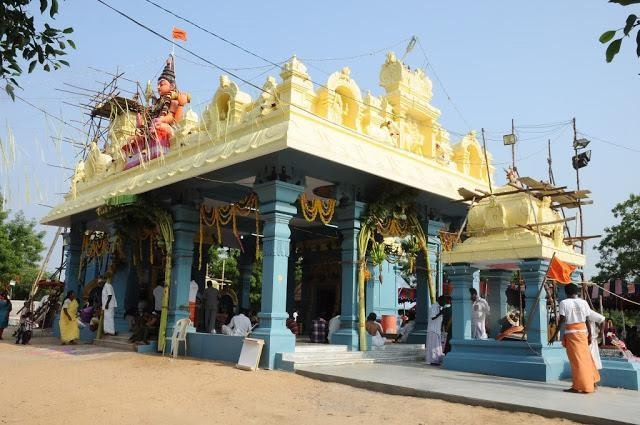
Nestled in the serene village of Chitherikarai, within the historic Pakkam Gramam of Thiruvallur district, lies the Anandeeswarar Temple. Known as a potent Guru Parihara Sthalam (a shrine for the alleviation of Jupiter’s malefic effects), this temple offers a spiritual retreat away from the chaos of city life. As we look toward 2026, this guide provides the modern pilgrim with historical context, architectural insights, and practical logistics for a fulfilling darshan.
Content Type: Definitive Guide | Word Count: ~1,500 | Topic Authority: Hindu Heritage
1. Introduction & Spiritual Essence
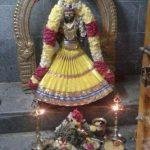
The Anandeeswarar Temple is dedicated to Lord Shiva (the presiding deity, Anandeeswarar) and Mother Parvathi (known here as Anandhavalli). The name “Anandeeswarar” translates to the “Lord of Bliss,” indicating the temple’s ability to bring mental peace and prosperity to devotees.
Phalaśruti: Why Devotees Visit
According to the Phalaśruti (scriptural benefits) associated with this temple, devotees visit for specific spiritual boons:
- Guru Dhosha Nivarana: As a Guru Parihara Sthalam, it is believed to mitigate the negative effects of the planet Jupiter in one’s astrological chart.
- Education and Wisdom: The temple is strongly linked to Lord Dakshinamurthy, making it a prime destination for students seeking academic success and clarity of mind.
- Ancestral Karma: Performing rituals here is believed to cleanse ancestral karma, granting peace to departed souls.
- Marriage and Prosperity: Childless couples and those seeking marital harmony offer prayers here, realizing wishes through the grace of Anandeeswarar.
The temple environment is described as pleasant and green, fostering a sense of tranquility essential for deep meditation and prayer.
2. Historical Origins & Scriptural Legend
While specific inscriptions detailing the dynasty of builders are less prominent compared to massive Chola or Pallava structures, the temple’s historical significance is preserved through oral tradition and local records.
Scriptural Legends
- Agasthya Maharishi: Tradition holds that the great sage Agasthya worshipped Lord Shiva at this site. It is believed that the Shivalinga here was created or consecrated by the sage himself during his travels through the Tamil country.
- The Name “Anandeeswarar”: Legend narrates that Lord Shiva blessed a serpent (Naga) here, bestowing upon him the power to possess poison (a reference to Vasuki or Adishesha). The Lord granted this boon blissfully, hence the name Anandeeswarar.
- The Invisible Sages: It is a deeply held belief in the Sthala Purana that great Siddhas and sages continue to visit the temple invisibly, particularly during twilight (Pradosham).
Renovations and Locale
Originally known as Kalila Chaturvedimangalam, the village has evolved over centuries. While the exact century of construction is not explicitly recorded in modern databases, the architectural style suggests a medieval Tamil Nadu origin, likely renovated periodically to maintain its structural integrity. The temple is located in Pakkam, Thiruninravur, an area historically rich in Shaivism.
3. Architectural Marvels
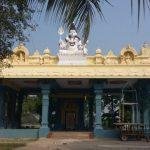
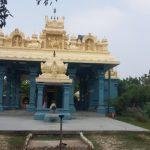
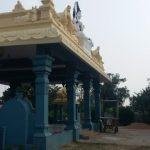
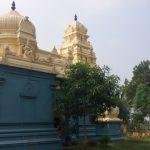
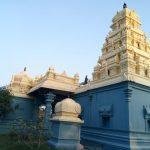
The Anandeeswarar Temple is a classic example of Dravidian Architecture, characterized by its pyramidal towers and enclosed courtyards.
Structural Highlights
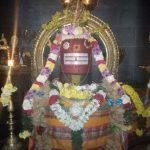
- Sanctum Sanctorum (Garbhagriha): The main shrine houses the Anandeeswarar Lingam. Unlike many larger temples, this shrine notably lacks the usual Parivara Murthys (surrounding deities), focusing energy solely on the primary deity and the Mother Goddess.
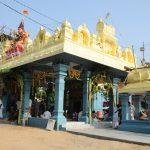
- Maha Mandapam: A standout feature is the 10-pillar Maha Mandapam (hall). These pillars are aesthetically built, often showcasing traditional motifs and allowing space for circumambulation (Pradakshina).
- Guru Shrine: Uniquely, the temple has no Navagraha shrine (housing all nine planets) except for a dedicated shrine for Guru (Jupiter). This reinforces its status as a Guru Parihara Sthalam.
Sculptures and Nature
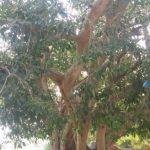
The temple complex integrates nature with divinity. The Sthala Vriksham (sacred tree) is a massive Banyan Tree. Underneath its canopy, there is a shrine for Lord Dakshinamurthy. According to local lore, the Lord taught the Vedas to four Sanakathi Maharshis beneath this very tree. Additionally, a rare two-faced Rudraksha tree is preserved within the complex, drawing botanists and spiritual seekers alike.
Theertham
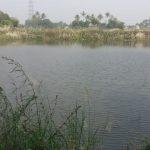
The sacred water body associated with the temple is the Agasthya Theertham, believed to possess healing properties and purifying capabilities.
4. Darshan & Ritual Logistics (2026 Schedule)
To ensure a smooth visit in 2026, pilgrims should note the following schedule. As dates for festivals depend on the Tamil calendar and lunar cycles, we have provided the standard Gregorian months for 2026.
Daily Timings
| Session | Time | Notes |
|---|---|---|
| Morning Darshan | 07:00 AM – 12:00 PM | Ideal time: 8:00 AM – 9:30 AM |
| Afternoon Break | 12:00 PM – 04:00 PM | Temple is closed |
| Evening Darshan | 04:00 PM – 08:30 PM | Ideal time: 6:00 PM – 7:30 PM |
Key Sevas & 2026 Festivals
Note: Online booking may be limited for this smaller temple; it is recommended to call the temple trust directly (numbers provided in the Contact section) to confirm availability for specific Sevas.
- Regular Sevas:
- Abhishekam: Performed for Anandeeswarar. Devotees can request special abhishekam.
- Archana: Individual prayers (Archana) are allowed.
- Deepa Aradhana: Lighting lamps under the Banyan tree at Dakshinamurthy shrine.
- 2026 Festival Calendar (Tentative):
- Pradosham: 13th day of every new moon and full moon. (Specific Dates: Jan 11, Jan 25, Feb 10, Feb 24, etc.).
- Shivaratri: February 26, 2026. (Masi Tamil Month). Special 108 Conch Abhishekams are performed.
- Agasthya Guru Day: Usually falls in September/October. Special pujas for Jupiter.
- Thursday Pujas: Dedicated to Guru Bhagwan. Weekly event.
- Poornima: Full moon pujas are conducted monthly.
Legend: Couples blessed with a child often offer sugar candy or coins weighing equal to the child as a vow fulfillment.
5. Practical Visitor Guidance
Chitherikarai is a rural setting. Preparation ensures comfort.
Code of Conduct & Rules
- Dress Code: Traditional attire is mandatory. Men should wear dhotis or pants with shirts; women should wear sarees or salwar kameez.
- Photography: Generally permitted in the outer prakaram (corridor) but restricted inside the sanctum sanctorum.
- Mobile Phones: While not strictly enforced like in mega-temples, silence is requested. Keep phones on silent during darshan.
- Footwear: There is a designated shoe-keeping area outside the temple. It is usually free, but carrying small change is advised.
Crowd Management & Best Hours
- Peak Times: Sunday evenings and Maha Shivaratri see higher footfall.
- Best Time to Visit: Weekday mornings (Tuesday and Friday are considered highly auspicious for Shiva worship).
- Seasonal Advice:
- Summer (March–June): Tamil Nadu temperatures can exceed 40°C. Carry a water bottle and umbrella.
- Monsoon (Oct–Dec): The greenery is lush, but roads leading to Pakkam may be narrow; drive carefully.




6. Pilgrimage Connectivity
The temple is strategically located approximately 38 km from Chennai city, making it accessible for a day trip.
How to Reach
- By Air: Chennai International Airport (MAA) is the nearest airport, approximately 36 km away. Travel time: 60–90 minutes via NH48/SH114.
- By Train: Thiruninravur Railway Station is the closest rail head, just 5 km from the temple. Auto-rickshaws are easily available from the station.
- By Road/Buses:
- From Chennai (Ambattur/Avadi): Frequent buses ply to Pakkam. Key bus numbers include:
- 65C: Ambattur Ind. Estate to Pakkam.
- 563: Ambattur Estate – Periyapalayam (via Pakkam).
- 580/580P: Avadi – Arani / Poonamallee to Periyapalayam (via Thiruninravur).
- 65D & M65H: Avadi/Melkondaiyur routes via Nathamedu and Pakkam Village.
- By Car: Drive via NH48 towards Tiruvallur, take the diversion towards Thiruninravur and proceed to Pakkam. Ample parking is available near the village entrance.
- From Chennai (Ambattur/Avadi): Frequent buses ply to Pakkam. Key bus numbers include:
Nearby Sacred Sites (Pilgrimage Circuit)
- Vaidyanathaswamy Temple, Tiruninravur: Just 6 km away. A famous Shiva temple dedicated to the Healer (Vaidyanathar).
- Thiruvallur Veeraraghava Swamy Temple: Located 17 km away. A major Vaishnavite temple dedicated to Lord Vishnu as Veeraraghava Swamy.
- Periyapalayam Temple (Ayyanar): About 10-12 km away. A powerful village deity temple known for animal sacrifice (symbolic) and powerful worship of Lord Ayyanar.
7. Frequently Asked Questions (FAQ)
Is there a VIP or Special Entry Darshan?
Given the intimate scale of the Anandeeswarar Temple, there is no formalized “VIP” ticket system like in large corporate-managed temples. However, devotees can contact the temple trustees in advance for priority access during special Abhishekam timings.
Can we perform homams or special pujas individually?
Yes. The temple priests facilitate individual homams and pujas. It is highly recommended to book these at least one week in advance by calling the temple trust numbers provided below, especially for events like Chandra Homam or Guru Pooja.
Is the temple accessible for senior citizens and wheelchair users?
The temple courtyard is on ground level and generally flat. However, the sanctum sanctorum has a high threshold (sill) typical of ancient Dravidian temples, which may require assistance for wheelchair users. The path from the village bus stop to the temple is motorable for cars, reducing walking distance.
Where can I find accommodation?
There are no hotels within Chitherikarai village. The best option for accommodation is Thiruninravur or Avadi (approx. 15 km), which have various lodges and hotels. For a spiritual experience, one can contact the trust for Choultry (basic guest house) facilities, though availability is limited.
What is the significance of the Banyan tree?
The Banyan tree (Ficus benghalensis) serves as the Sthala Vriksham. It is the natural seat of Lord Dakshinamurthy (the silent teacher). Meditating under this tree is believed to grant wisdom and remove ignorance.
Contact Details & Address
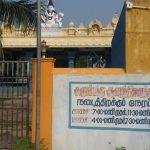
Anandeeswarar Temple
Chitherikarai, Pakkam Gramam,
Via Thiruninravur,
Tiruvallur District, Tamil Nadu.
Phone: +91 97900 09123 / 89393 96625 / 89393 13191
Disclaimer: While every effort is made to ensure accuracy regarding timings and festivals for 2026, pilgrims are advised to contact the temple trust directly for the latest updates before planning their visit.
Recent Posts

Shri Kaamkoteeshwar Mandir, Varanasi – History & Significance
In the heart of Kashi, the eternal city of Lord Shiva, where the Ganges flows with celestial grace, stands the Shri Kaamkoteeshwar Mandir. This sacred Sannidhi is not merely a temple but a profound spiritual bridge between the Northern…

ओ सांवरे तूने ही मुझको संभाला – Lyrics & Meaning
ओ सांवरे तूने ही मुझको संभाला – A Prayer to Shyam Origin & Spiritual Essence Why This Bhajan Resonates Devotees chant this when overwhelmed by life’s storms—the refrain ‘तूने ही मुझको संभाला’ is the soul’s sigh of relief: “You…

कथा ये है महाराज मेरे की – Lyrics & Meaning
कथा ये है महाराज मेरे की छत्रपति संभाजी महाराज – A Prayer to Chhatrapati Sambhaji Maharaj Origin & Spiritual Essence Why This Bhajan Resonates Devotees chant this when their spirit feels tested—its powerful refrain “महाराज मेरे” is a soul’s…

Rigveda Samhita Yathartha Anuvada (ऋग्वेद संहिता यथार्थ अनुवाद) – Complete Set with Anvayartha & Hindi/English Translation
The Rigveda is the oldest surviving scripture of humanity and the foundational text of Sanātana Dharma. For serious students, scholars, UPSC aspirants studying ancient Indian history, Sanskrit learners, and spiritual seekers, a precise and grammatically structured translation is indispensable.…

आना भी अकेला है जाना भी अकेला है – Lyrics & Meaning | BharatTemples
आना भी अकेला है जाना भी अकेला है – A Prayer to the Divine Witness Origin & Spiritual Essence Why This Bhajan Resonates Devotees turn to this bhajan in moments of deep reflection—when life’s attachments begin to ache. The…

माता शेरावाली के द्वार जो भी जाता है – Lyrics & Meaning
माता शेरावाली के द्वार जो भी जाता है – A Prayer to Maa Sherawali Origin & Spiritual Essence Why This Bhajan Resonates Devotees turn to this bhajan in times of fear or uncertainty—its promise that no one leaves Maa’s…

मार लेना सपणी उबार लेणा भवरा – Lyrics & Meaning
मार लेना सपणी उबार लेणा भवरा – A Prayer to the Divine Beloved Origin & Spiritual Essence Why This Bhajan Resonates Devotees chant this in moments of deep vulnerability—its cry of “मार लेना सपणी, उबार लेणा भवरा” is the…

हमें श्याम सुंदर भरोसा तुम्हारा – Lyrics & Meaning
हमें श्याम सुंदर भरोसा तुम्हारा – A Prayer to Shyam Sundar Origin & Spiritual Essence Why This Bhajan Resonates Devotees chant this when feeling alone—its refrain ‘de do sahara’ is the soul’s cry for divine support. Lyrics in Hindi…

Mere Satguru Ne Di Thi Davai Lyrics in Hindi & Meaning
Mere Satguru Ne Di Thi Davai: Invoking the Guru’s Liberating Wisdom This soul-stirring bhajan venerates the Satguru (True Spiritual Master) as the divine physician who dispenses the only remedy for life’s deepest sufferings. Composed by Sant Karmaveer Tufani, it…

Janm Diyo Thari Maa Dukh Dekhiyo Lyrics in Hindi & Meaning
जन्म दियो थारी माँ दुख देखियो (Maa’s Grief Upon Birthing You) This soul-stirring Chetavani Bhajan (admonitory hymn) is addressed to the Divine Mother (Maa) – a call for repentance when children forget their filial duties in the dark age…