
Contents
- 1 Thiruneetreshwarar Temple: The Sacred Abode of Harmony in Padiyanallur
Thiruneetreshwarar Temple: The Sacred Abode of Harmony in Padiyanallur
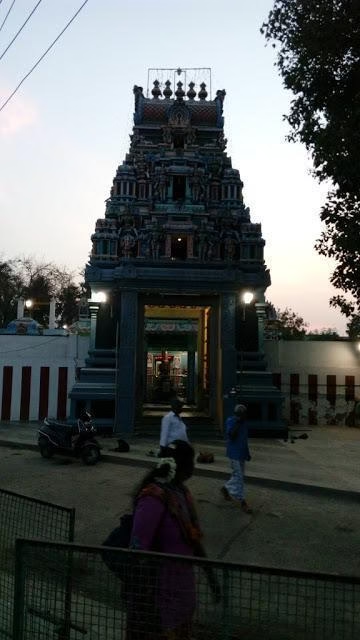
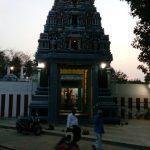
Nestled in the serene village of Padiyanallur, just outside the bustling metropolis of Chennai, the Thiruneetreshwarar Temple stands as a timeless testament to Dravidian spiritual heritage. Dedicated to Lord Shiva, this ancient shrine is more than a stone structure; it is a living chronicle of devotion, history, and architectural grandeur. For the devotee, it represents the ultimate sanctuary where the burdens of the material world dissolve into the divine grace of Thiruneetreshwarar (Lord Shiva) and Thiru Loganayaki (Goddess Parvati).
Introduction & Spiritual Essence
The Deity and Form
The presiding deity of this temple is Thiruneetreshwarar, a manifestation of Lord Shiva. The term “Neetram” implies justice or harmony, suggesting that the Lord here is the granter of justice and balance to his devotees. The Goddess is enshrined as Thiru Loganayaki (the consort who governs the worlds). Unlike many modern structures, the murti (idol) here is believed to be a Swayambhu (self-manifested) lingam, enhancing its spiritual potency.
Phalaśruti: The Benefits of Pilgrimage
According to temple lore and devotional scriptures, a visit to Thiruneetreshwarar Temple brings profound benefits (Phalaśruti). It is specifically revered for:
- Ancestral Deliverance: Devotees believe that performing rituals here helps cleanse ancestral karma, offering peace to departed souls.
- Harmony in Life: As the name suggests, the temple is a powerful place to resolve conflicts—be they legal, familial, or internal.
- Removal of Planetary Obstacles: It is a potent site for those suffering from the adverse effects of planetary alignments.
Historical Origins & Scriptural Legend
The Origin of Padiyanallur
The history of the temple is intertwined with the village itself. Padiyanallur derives its name from a miraculous event involving the Nayanmars (the 63 Saivite saints). It is traditionally held that one of these saints sang a hymn in praise of Lord Shiva at this very location. The word “Padiyan” is linked to the saint, and “Nallur” denotes a prosperous village. This linguistic root confirms the temple’s antiquity, dating back to the early centuries of the Saivite revival in Tamil Nadu.
Builders and Renovations
While specific inscriptions detailing the exact dynasty are currently being studied by local historians, the architectural style suggests contributions spanning the Pallava and subsequent Chola periods. The base structure exhibits early Dravidian characteristics typical of the Pallava era (7th-9th centuries), while the vimana (tower) and intricate pillared mandapas reflect the flourishes of later Chola and Vijayanagara patronage.
According to local tradition, the temple underwent significant renovation in the 16th century to preserve the sanctity of the Swayambhu lingam.
Architectural Marvels
Dravidian Style and Vastu
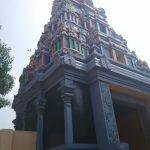
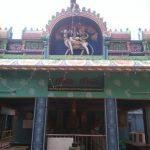
The Thiruneetreshwarar Temple is a classic example of Dravidian Architecture, adhering to the principles of Vastu Shastra. The temple is oriented to allow natural light to fall on the sanctum sanctorum (Garbhagriha) during specific times of the year.
The Vimana and Mandapas
The Shikhara (tower) above the sanctum is a tiered structure, typical of the Dravidian style, featuring minimal stucco work compared to the later Nayak period temples, allowing the stone’s age to show through.
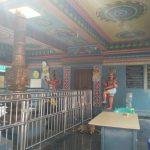
The Mandapa (pillared hall) is a highlight of this temple. It features carved pillars depicting:
- Dancing Nataraja: Representing the cosmic dance of destruction and creation.
- Sapta Matrikas: The seven mother goddesses, reflecting the syncretic nature of the worship here.
- Vyalas: Mythical lion-elephant creatures often found guarding the sanctity of South Indian temples.
Darshan & Ritual Logistics
While specific online infrastructure for this village temple may be modest compared to metropolitan shrines, the rituals follow strict Agamic traditions.
Daily Timings
| Session | Timing |
|---|---|
| Morning Darshan | 06:00 AM – 12:00 PM |
| Afternoon Closing | 12:00 PM – 04:00 PM |
| Evening Darshan | 04:00 PM – 08:30 PM |
| Key Ritual (Abhishekam) | 07:00 AM (Daily) & 06:00 PM (Evening) |
Key Sevas and Offerings
- Abhishekam: The bathing of the deity with milk, honey, and sandalwood paste. This is performed daily.
- Archana: Recitation of the 108 names of Shiva. Available throughout opening hours.
- Pradosham: A special 3-hour ritual performed on the 13th lunar day of every fortnight. This is highly recommended for devotees seeking relief from karmic debts.
2026 Major Festival Dates
Planning your visit around these festivals offers a heightened spiritual experience.
- Maha Shivaratri: February 26, 2026 (Special night-long vigil and Abhishekam).
- Arudra Darshanam: January 6, 2026 (Celebrating the cosmic dance of Nataraja).
- Karthigai Deepam: December 4, 2026 (Lighting of the holy flame).
- Navaratri: September 22 – October 1, 2026 (Dedicated to Thiru Loganayaki).
Practical Visitor Guidance
Dress Code and Etiquette
To maintain the sanctity of the temple, visitors are expected to follow a modest dress code. Traditional Indian attire (dhoti, saree, kurta) is preferred. Western clothing should cover shoulders and knees. Leather items (belts, wallets) are traditionally discouraged inside the sanctum area.
Photography and Mobiles
Photography is generally permitted in the outer courtyards and mandapas but is strictly prohibited inside the Garbhagriha (inner sanctum). It is advisable to silence mobile phones during darshan.
Crowd Management and Accessibility
Unlike the massive temples in Srirangam or Madurai, Thiruneetreshwarar Temple offers a peaceful environment. However, crowds peak during Pradosham and Maha Shivaratri.
- Best Hours: Weekday mornings (8 AM – 10 AM) offer the quietest experience.
- Accessibility: The temple is accessible on foot. The path from the bus stop is paved, though there are a few steps leading to the inner mandapa. Senior citizens may require assistance.
- Hydration: Padiyanallur can get humid. Carry a water bottle, especially if visiting between April and June.
Pilgrimage Connectivity
How to Reach
The temple is strategically located near Chennai, making it a popular weekend pilgrimage.
- Nearest Airport: Chennai International Airport (MAA) – Approx. 32 Kms.
- Nearest Railway Station: Chennai Central (MAS) – Approx. 20 Kms. Egmore Station is 21 Kms away.
- By Road: The temple is located just off the NH16 (Chennai-Kolkata Highway). It is 4 Kms from Redhills and 500 meters from the Padiyanallur Bus Stop.
- Specific Access: From Chennai, take the NH16 towards Redhills, then divert towards Padiyanallur village.
Nearby Sacred Sites (Pilgrimage Circuit)
A visit to Padiyanallur can be combined with other nearby spiritual centers:
- Karumbeswarar Temple (Puzhal): Located just 7 Kms away, known for its association with the Sambandar hymns.
- Thiruvottiyur Thyagarajaswamy Temple: Located about 15 Kms away, a historic Shiva temple near the sea.
- Redhills Lake: While not a temple, this scenic spot is nearby and offers a place for contemplation after the darshan.
Frequently Asked Questions (FAQ)
1. Is there a VIP Darshan entry available?
Given that this is a heritage site in a village setting, there is no formal VIP ticket system like in larger commercial temples. However, devotees can usually request a special darshan by contributing to the temple Hundi (donation box) or by speaking with the temple priest.
2. Is there accommodation available at the temple?
The temple does not have a dedicated guesthouse or choultry. For overnight stays, pilgrims are advised to book accommodation in Chennai (Redhills or Minjur) which offers various hotel options.
3. What is the best season to visit Thiruneetreshwarar Temple?
The ideal time is between November and February when the weather in Tamil Nadu is cooler and pleasant. Avoid peak summer (April-May) if you are sensitive to heat, as the temple involves some walking in open courtyards.
4. Can I perform rituals for ancestors here?
Yes, this temple is particularly auspicious for performing rituals for ancestors. The presiding deity is believed to help liberate souls from the cycle of rebirth. It is recommended to bring a Brahmin priest to perform specific Tarpanam rituals.
5. Is the temple accessible by metro?
Currently, the Chennai Metro does not extend directly to Padiyanallur. The nearest Metro station is probably Wimco Nagar or Market (approx. 12-15 km away), after which you would need to take an auto-rickshaw or local bus to reach the village.




Contact Details
As this is a village heritage temple managed by the local community or HUF, formal contact numbers are not widely published. For specific inquiries regarding rituals or timing changes, it is best to consult the local administration office in Redhills or refer to the community records available online.
Address:
Thiruneetreshwarar Temple,
Padiyanallur,
Thiruvallur District, Tamil Nadu.
Recent Posts

Shri Kaamkoteeshwar Mandir, Varanasi – History & Significance
In the heart of Kashi, the eternal city of Lord Shiva, where the Ganges flows with celestial grace, stands the Shri Kaamkoteeshwar Mandir. This sacred Sannidhi is not merely a temple but a profound spiritual bridge between the Northern…

ओ सांवरे तूने ही मुझको संभाला – Lyrics & Meaning
ओ सांवरे तूने ही मुझको संभाला – A Prayer to Shyam Origin & Spiritual Essence Why This Bhajan Resonates Devotees chant this when overwhelmed by life’s storms—the refrain ‘तूने ही मुझको संभाला’ is the soul’s sigh of relief: “You…

कथा ये है महाराज मेरे की – Lyrics & Meaning
कथा ये है महाराज मेरे की छत्रपति संभाजी महाराज – A Prayer to Chhatrapati Sambhaji Maharaj Origin & Spiritual Essence Why This Bhajan Resonates Devotees chant this when their spirit feels tested—its powerful refrain “महाराज मेरे” is a soul’s…

Rigveda Samhita Yathartha Anuvada (ऋग्वेद संहिता यथार्थ अनुवाद) – Complete Set with Anvayartha & Hindi/English Translation
The Rigveda is the oldest surviving scripture of humanity and the foundational text of Sanātana Dharma. For serious students, scholars, UPSC aspirants studying ancient Indian history, Sanskrit learners, and spiritual seekers, a precise and grammatically structured translation is indispensable.…

आना भी अकेला है जाना भी अकेला है – Lyrics & Meaning | BharatTemples
आना भी अकेला है जाना भी अकेला है – A Prayer to the Divine Witness Origin & Spiritual Essence Why This Bhajan Resonates Devotees turn to this bhajan in moments of deep reflection—when life’s attachments begin to ache. The…

माता शेरावाली के द्वार जो भी जाता है – Lyrics & Meaning
माता शेरावाली के द्वार जो भी जाता है – A Prayer to Maa Sherawali Origin & Spiritual Essence Why This Bhajan Resonates Devotees turn to this bhajan in times of fear or uncertainty—its promise that no one leaves Maa’s…

मार लेना सपणी उबार लेणा भवरा – Lyrics & Meaning
मार लेना सपणी उबार लेणा भवरा – A Prayer to the Divine Beloved Origin & Spiritual Essence Why This Bhajan Resonates Devotees chant this in moments of deep vulnerability—its cry of “मार लेना सपणी, उबार लेणा भवरा” is the…

हमें श्याम सुंदर भरोसा तुम्हारा – Lyrics & Meaning
हमें श्याम सुंदर भरोसा तुम्हारा – A Prayer to Shyam Sundar Origin & Spiritual Essence Why This Bhajan Resonates Devotees chant this when feeling alone—its refrain ‘de do sahara’ is the soul’s cry for divine support. Lyrics in Hindi…

Mere Satguru Ne Di Thi Davai Lyrics in Hindi & Meaning
Mere Satguru Ne Di Thi Davai: Invoking the Guru’s Liberating Wisdom This soul-stirring bhajan venerates the Satguru (True Spiritual Master) as the divine physician who dispenses the only remedy for life’s deepest sufferings. Composed by Sant Karmaveer Tufani, it…

Janm Diyo Thari Maa Dukh Dekhiyo Lyrics in Hindi & Meaning
जन्म दियो थारी माँ दुख देखियो (Maa’s Grief Upon Birthing You) This soul-stirring Chetavani Bhajan (admonitory hymn) is addressed to the Divine Mother (Maa) – a call for repentance when children forget their filial duties in the dark age…