
Contents
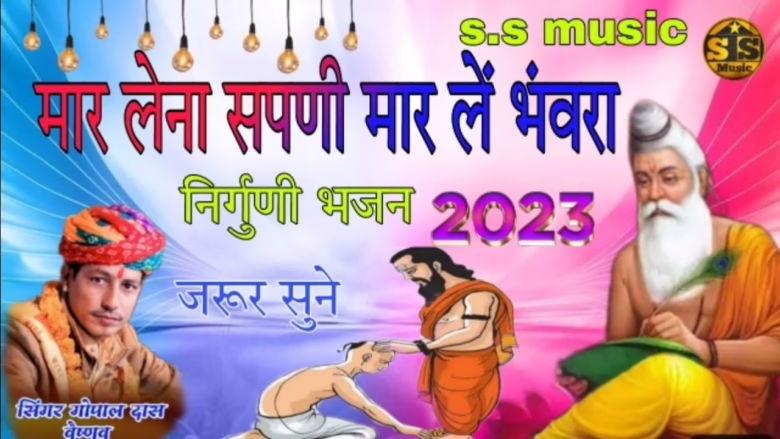
मार लेना सपणी उबार लेणा भवरा – A Prayer to the Divine Beloved
Origin & Spiritual Essence
- Composer/Tradition: लेखक – सिंगर मगनीराम गाडरी। This bhajan flows from the timeless oral tradition of Nirguṇa devotion.
- Phalaśruti: Sung to dissolve fear of death, awaken surrender, and seek the Lord’s protection beyond worldly illusions.
Why This Bhajan Resonates
Devotees chant this in moments of deep vulnerability—its cry of “मार लेना सपणी, उबार लेणा भवरा” is the soul’s plea to be lifted beyond illusion and fear. The refrain echoes like a heartbeat, calling the Divine to strike away attachment and carry the devotee across the ocean of existence.
Lyrics in Hindi (Devanagari)
खमा बावजी हो राज,
हेजी होजी हा,
मार लेना सपणी,
उबार लेणा भवरा,
राम ने रठे हो जीयारो,
काई करे जमड़ा,
हेजी होजी हा।।
सपनी तो खेवे दाता,
पीयाला मे रेती मे,
पीयाला मे रेती,
पीयाला री बात,
सदा शीव ने केहती,
हेजी होजी हा,
मार लेना सपनी,
उबार लेणा भवरा।।
सपनी तो खेवे दाता,
भोली ज्यो भाली मे,
भोली ज्यो भाली,
चाल ता पुरूष ने,
लगाओ देवा ढोली,
लगाओ देवा ढोली होजी,
हेजी होजी हा,
मार लेना सपनी,
उबार लेणा भवरा।।
सपनी तो खेवे दाता,
जमड़ारी दासी मे,
जमड़ारी दासी,
एक हाथ खड़क दुजे रे,
फासी दूजे रे हाथ फासी,
हेजी होजी हा,
मार लेना सपनी,
उबार लेणा भवरा।।
सपनी तो खेवे दाता,
चार जुग छलीया हो,
चार जुग छलीया,
चार जुगा मू,
गुरू गोरख टलीया,
गोरख टलीया होजी,
हेजी होजी हा,
मार लेना सपनी,
उबार लेणा भवरा।।
मछीन्दर प्रताप जती गोरख,
बोले दाता गोरख बोले,
मार मार ममता,
हुया हो अवदुता,
हुया हो यवदुता होजी,
हेजी होजी हा,
मार लेना सपनी,
उबार लेणा भवरा।।
खमा बावजी हो राज,
हेजी होजी हा,
मार लेना सपणी,
उबार लेणा भवरा,
राम ने रठे हो जीयारो,
काई करे जमड़ा,
हेजी होजी हा।।
गायक – गोपाल दास वैष्णव।
लेखक – सिंगर मगनीराम गाडरी।
महुआ भीलवाडा़ ( राज.)
मो. 9680818193
Simple English Meaning (Bhava-Focused)
Each verse is a surrender to the formless Divine—”सपनी” (illusion) and “भवरा” (worldly attachment) are not just metaphors but deep inner chains. The devotee pleads: “Strike them down, O Lord, and lift me across.”
The imagery of sand in a cup symbolizes how truth is buried under falsehood. Yet, the soul keeps saying, “सदा शीव ने केहती”—I always speak of Shiva, of Truth.
Comparing the Lord to a simple woman beating a drum reminds us: the highest power often appears humble. The reference to Yamaraja’s servant shows even death fears this Divine.
“चार जुग छलीया” means the Lord has outwitted time itself. He who tricked even Gorakhnath—the master of illusion—is beyond all Maya.
The final call—”मार मार ममता”—is a cry to destroy all ego and attachment, so the soul may become an **avadhuta**, free and fearless.
When & How to Chant
- Ideal time: Midnight or early dawn, when the mind is still and the veil between worlds is thin.
- Simple offerings: A clay lamp with ghee, a handful of raw sugar, or silent tears of longing.
- Repetition: Chant 11 times for protection; 108 times during Shravan or after a dream of fear.
Cultural Legacy
This bhajan is lovingly sung in homes and satsangs across Rajasthan and among Nirguṇa bhakti communities. Its raw power stirs deep stillness in listeners.
Devotees Ask (FAQs)
The formless Supreme—beyond name and form—often revered as Shiva or Ram in the Nirguṇa tradition.
‘सपनी’ is the illusion of ego; ‘भवरा’ is the whirlpool of worldly attachment. Both bind the soul.
Yes. This bhajan is a raft in sorrow. Let each line carry your pain to the Divine.
To show that even the master of yogic powers bows to this Name. It magnifies the bhajan’s power.
No. Every soul, householder or renunciant, longs to be freed. This prayer belongs to all.
🎬 Watch This Bhajan
Recent Posts

Shri Kaamkoteeshwar Mandir, Varanasi – History & Significance
In the heart of Kashi, the eternal city of Lord Shiva, where the Ganges flows with celestial grace, stands the Shri Kaamkoteeshwar Mandir. This sacred Sannidhi is not merely a temple but a profound spiritual bridge between the Northern…

ओ सांवरे तूने ही मुझको संभाला – Lyrics & Meaning
ओ सांवरे तूने ही मुझको संभाला – A Prayer to Shyam Origin & Spiritual Essence Why This Bhajan Resonates Devotees chant this when overwhelmed by life’s storms—the refrain ‘तूने ही मुझको संभाला’ is the soul’s sigh of relief: “You…

कथा ये है महाराज मेरे की – Lyrics & Meaning
कथा ये है महाराज मेरे की छत्रपति संभाजी महाराज – A Prayer to Chhatrapati Sambhaji Maharaj Origin & Spiritual Essence Why This Bhajan Resonates Devotees chant this when their spirit feels tested—its powerful refrain “महाराज मेरे” is a soul’s…

Rigveda Samhita Yathartha Anuvada (ऋग्वेद संहिता यथार्थ अनुवाद) – Complete Set with Anvayartha & Hindi/English Translation
The Rigveda is the oldest surviving scripture of humanity and the foundational text of Sanātana Dharma. For serious students, scholars, UPSC aspirants studying ancient Indian history, Sanskrit learners, and spiritual seekers, a precise and grammatically structured translation is indispensable.…

आना भी अकेला है जाना भी अकेला है – Lyrics & Meaning | BharatTemples
आना भी अकेला है जाना भी अकेला है – A Prayer to the Divine Witness Origin & Spiritual Essence Why This Bhajan Resonates Devotees turn to this bhajan in moments of deep reflection—when life’s attachments begin to ache. The…

माता शेरावाली के द्वार जो भी जाता है – Lyrics & Meaning
माता शेरावाली के द्वार जो भी जाता है – A Prayer to Maa Sherawali Origin & Spiritual Essence Why This Bhajan Resonates Devotees turn to this bhajan in times of fear or uncertainty—its promise that no one leaves Maa’s…

हमें श्याम सुंदर भरोसा तुम्हारा – Lyrics & Meaning
हमें श्याम सुंदर भरोसा तुम्हारा – A Prayer to Shyam Sundar Origin & Spiritual Essence Why This Bhajan Resonates Devotees chant this when feeling alone—its refrain ‘de do sahara’ is the soul’s cry for divine support. Lyrics in Hindi…

Mere Satguru Ne Di Thi Davai Lyrics in Hindi & Meaning
Mere Satguru Ne Di Thi Davai: Invoking the Guru’s Liberating Wisdom This soul-stirring bhajan venerates the Satguru (True Spiritual Master) as the divine physician who dispenses the only remedy for life’s deepest sufferings. Composed by Sant Karmaveer Tufani, it…

Janm Diyo Thari Maa Dukh Dekhiyo Lyrics in Hindi & Meaning
जन्म दियो थारी माँ दुख देखियो (Maa’s Grief Upon Birthing You) This soul-stirring Chetavani Bhajan (admonitory hymn) is addressed to the Divine Mother (Maa) – a call for repentance when children forget their filial duties in the dark age…
Bhadi Sabha Mein Thane Manaun Lyrics in Hindi & Meaning
Bhadi Sabha Mein Thane Manaun: Invoking the Spear-Wielding Mother Mata Bhawani (श्री ज्वाला भवानी), the fiery manifestation of Shakti worshipped as the Protector of Dharma in Her Dhaulagarh sanctum. Origin & Spiritual Essence Composed in Rajasthani folk tradition by…