
Contents
Spiritual Essence of Hanuman Mandir, Connaught Place
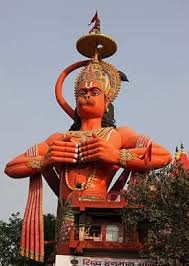
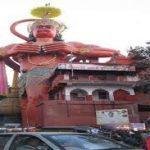
Rising like a sentinel of devotion amidst the urban sprawl of India’s capital, the Hanuman Mandir in Connaught Place (often referred to as Jhandewalan Hanuman Temple) is not merely a place of worship but a vibrant energy center. Dedicated to Lord Hanuman (also known as Anjaneya, Sankat Mochan, and Pavanputra), this temple is renowned for its colossal 108-foot statue, a visible testament to the unwavering faith of millions.
Unlike many ancient stone shrines, this temple is a modern marvel constructed in the mid-20th century, yet it holds profound spiritual weight. The primary deity is installed as a Murti (idol) in a distinct form.
Phalaśruti: The Fruit of Devotion
Why do devotees flock here, especially on Tuesdays? The scriptures suggest that offering sincere prayers to Hanuman Ji here grants specific Phalaśruti (benefits):
- Removal of Obstacles: Lord Hanuman is the remover of worldly and spiritual hurdles (Vighnaharta).
- Protection from Negativity: The temple is revered for cleansing ancestral karma and protecting devotees from negative energies.
- Health and Vitality: As the embodiment of strength (Bala), devotees visit to seek physical and mental fortitude.
Historical Origins & Scriptural Legend
While the location is steeped in history, the current structure is a 20th-century architectural feat. According to temple records, the construction of this iconic shrine was spearheaded by Km. Vidya Devi in 1930. The imposing 108-foot statue was completed later in the 1980s, marking a significant milestone in the city’s spiritual landscape.
The Legend of the Site
Tradition holds that the ground where the temple stands today was once a dense forest where Hanuman Ji met Lord Rama for the first time. The name “Jhandewalan” derives from a giant flag (Jhanda) that was traditionally hoisted here, a symbol of victory and devotion that can be seen from miles away.
Scriptural Context
The temple draws inspiration from the Valmiki Ramayana and the Sunderkand, which extol the virtues of Hanuman. The Sthala Purana (local oral legend) suggests that anyone who passes through the mouth-shaped gateway of this temple is absolved of their sins, symbolizing a rebirth into a life of dharma.
Architectural Marvels: A Fusion of Faith and Form
The architecture of the Hanuman Mandir is a unique blend of modern engineering and traditional Hindu aesthetics. It moves away from the strictly classical Nagara or Dravida styles, adopting a monumental scale suitable for its location.
The 108-Foot Statue
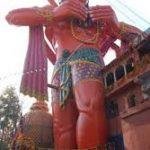
The defining feature is the colossal statue of Lord Hanuman standing at 108 feet—a number of immense spiritual significance in Hinduism. It is crafted from reinforced concrete and finished with white plaster, symbolizing purity.
The Gateway and Mandapas
The entrance of the temple is also an attraction. The main gate is carved in the shape of the open mouth of the deity. Devotees enter through this “mouth,” passing through a passageway that leads into the main hall (Mandapa). This design element is a physical representation of entering the divine realm, leaving the material world behind.
Vastu Shastra Elements
The layout is designed according to Vastu Shastra, ensuring the flow of positive energy. The inner sanctum is aligned so that the deity faces East, greeting the rising sun, which is a hallmark of North Indian temple architecture.


Darshan & Ritual Logistics (2026 Update)
Planning your visit ensures a peaceful experience. The temple is open 365 days a year.
Daily Timings
| Session | Timing | Activity |
|---|---|---|
| Morning | 05:00 AM – 10:00 AM | Mangala Aarti & Abhishekam |
| Afternoon | 10:00 AM – 4:00 PM | Darshan Open |
| Evening | 04:00 PM – 10:00 PM | Shayan Aarti |
*Note: Aarti timings may vary slightly on festival days.
Key Sevas & Online Booking
Devotees can book specific rituals to deepen their spiritual connection.
- Abhishekam: Ritual bathing of the deity with milk, honey, and rosewater.
- Archana: Recitation of 108 names of Hanuman Ji.
- Sunderkand Path: A dedicated recitation session, highly recommended on Tuesdays.
For online seva booking, visit the official temple website or trusted third-party portals like TempleFest. Given the high demand in 2026, we recommend booking at least 2 weeks in advance for major festivals.
Major Festival Dates for 2026
- Hanuman Jayanti: Tuesday, April 14, 2026. (Expect massive crowds; special security arrangements will be in place).
- Sunderkand Paath: Fridays throughout the year.
- Diwali: Tuesday, October 21, 2026. (Special deep daan and aarti).
Practical Visitor Guidance
Dress Code & Etiquette
Visitors are advised to wear traditional attire or modest clothing covering shoulders and knees. Footwear must be removed at the designated racks outside the temple.
Photography & Mobiles
Photography is strictly prohibited inside the inner sanctum. Mobile phones are allowed but must be switched to silent mode. A locker facility is available near the entrance for bags and electronics.
Accessibility
The temple provides ramps and wheelchair access for the main hall, making it accessible for elderly devotees.
Crowd Management
Best Hours to Visit: Early morning (5:00 AM – 7:00 AM) or late evening (8:00 PM – 9:00 PM) on weekdays.
Seasonal Advice: Delhi summers (May-June) are scorching. While the temple is cool, the queue is open. Carry water and a handkerchief. During the monsoon (July-August), carry an umbrella as wait times can increase due to traffic.
Pilgrimage Connectivity
How to Reach
- By Metro: The easiest way. The temple is located directly above the Jhandewalan Metro Station (Blue Line). Alternatively, it is a 10-minute walk from Karol Bagh Metro Station.
- By Air: Indira Gandhi International Airport (DEL) is approximately 15 km away. A taxi or cab (Uber/Ola) takes about 45-60 minutes via NH-48.
- By Rail: The nearest major railway station is New Delhi Railway Station (5 km) or Delhi Junction.
Nearby Sacred Sites (Pilgrimage Circuit)
Enhance your spiritual journey by visiting these nearby holy sites:
- Shri Hanuman Temple (Jhandewalan): The site itself is a major stop.
- Shri Gurudwara Bangla Sahib: Located about 20 minutes away, offering langar and peace.
- Sri Lakshmi Narayan Temple (Birla Mandir): A grand historic temple dedicated to Vishnu and Lakshmi, 10 minutes away.
Frequently Asked Questions (FAQs)
Is there a VIP darshan entry available?
Yes, the temple administration provides a “VIP Darshan” or priority pass for a nominal donation. This can be booked online or at the administrative office on the temple premises.
What is the significance of the 108-foot height?
In Vedic numerology, 108 is a sacred number representing wholeness and spiritual completion. It also aligns with the 108 beads of a Japa Mala used for chanting.
Are there food facilities available?
While the temple does not have a full-time Bhojanalaya, prasad (sweets like Laddoo and Boondi) is available for purchase. For a full meal, the Ramakrishna Mission Ashram or street food stalls in Karol Bagh are nearby options.
Is the temple safe for solo female travelers?
Absolutely. The temple is well-lit, heavily guarded by police and private security, and attracts a large number of female devotees daily.
Can I carry my own Prasad inside?
Homemade Prasad is generally allowed but is subject to inspection by security. Packaged sweets from reputable brands are easily accepted.
Address & Contact
Hanuman Mandir, Connaught Place (Jhandewalan)
Karol Bagh West Extension Area,
Karol Bagh, New Delhi, Delhi 110005
Contact: Available via official website.
Status: One of the most popular Hindu temples in Delhi.
Recent Posts

Shri Kaamkoteeshwar Mandir, Varanasi – History & Significance
In the heart of Kashi, the eternal city of Lord Shiva, where the Ganges flows with celestial grace, stands the Shri Kaamkoteeshwar Mandir. This sacred Sannidhi is not merely a temple but a profound spiritual bridge between the Northern…

ओ सांवरे तूने ही मुझको संभाला – Lyrics & Meaning
ओ सांवरे तूने ही मुझको संभाला – A Prayer to Shyam Origin & Spiritual Essence Why This Bhajan Resonates Devotees chant this when overwhelmed by life’s storms—the refrain ‘तूने ही मुझको संभाला’ is the soul’s sigh of relief: “You…

कथा ये है महाराज मेरे की – Lyrics & Meaning
कथा ये है महाराज मेरे की छत्रपति संभाजी महाराज – A Prayer to Chhatrapati Sambhaji Maharaj Origin & Spiritual Essence Why This Bhajan Resonates Devotees chant this when their spirit feels tested—its powerful refrain “महाराज मेरे” is a soul’s…

Rigveda Samhita Yathartha Anuvada (ऋग्वेद संहिता यथार्थ अनुवाद) – Complete Set with Anvayartha & Hindi/English Translation
The Rigveda is the oldest surviving scripture of humanity and the foundational text of Sanātana Dharma. For serious students, scholars, UPSC aspirants studying ancient Indian history, Sanskrit learners, and spiritual seekers, a precise and grammatically structured translation is indispensable.…

आना भी अकेला है जाना भी अकेला है – Lyrics & Meaning | BharatTemples
आना भी अकेला है जाना भी अकेला है – A Prayer to the Divine Witness Origin & Spiritual Essence Why This Bhajan Resonates Devotees turn to this bhajan in moments of deep reflection—when life’s attachments begin to ache. The…

माता शेरावाली के द्वार जो भी जाता है – Lyrics & Meaning
माता शेरावाली के द्वार जो भी जाता है – A Prayer to Maa Sherawali Origin & Spiritual Essence Why This Bhajan Resonates Devotees turn to this bhajan in times of fear or uncertainty—its promise that no one leaves Maa’s…

मार लेना सपणी उबार लेणा भवरा – Lyrics & Meaning
मार लेना सपणी उबार लेणा भवरा – A Prayer to the Divine Beloved Origin & Spiritual Essence Why This Bhajan Resonates Devotees chant this in moments of deep vulnerability—its cry of “मार लेना सपणी, उबार लेणा भवरा” is the…

हमें श्याम सुंदर भरोसा तुम्हारा – Lyrics & Meaning
हमें श्याम सुंदर भरोसा तुम्हारा – A Prayer to Shyam Sundar Origin & Spiritual Essence Why This Bhajan Resonates Devotees chant this when feeling alone—its refrain ‘de do sahara’ is the soul’s cry for divine support. Lyrics in Hindi…

Mere Satguru Ne Di Thi Davai Lyrics in Hindi & Meaning
Mere Satguru Ne Di Thi Davai: Invoking the Guru’s Liberating Wisdom This soul-stirring bhajan venerates the Satguru (True Spiritual Master) as the divine physician who dispenses the only remedy for life’s deepest sufferings. Composed by Sant Karmaveer Tufani, it…

Janm Diyo Thari Maa Dukh Dekhiyo Lyrics in Hindi & Meaning
जन्म दियो थारी माँ दुख देखियो (Maa’s Grief Upon Birthing You) This soul-stirring Chetavani Bhajan (admonitory hymn) is addressed to the Divine Mother (Maa) – a call for repentance when children forget their filial duties in the dark age…