
Contents
Located on Lodhi Road, it is one of the oldest Sai Baba temple in Delhi. The temple is simple yet majestic, and devotees frequently record testimonies regarding the feeling of divine presence of Baba here since the time the temple was built. The temple has a big idol of Sai Baba that sits in the main hall, where devotees offer chadar and flowers. A sizable population throngs the shrine on Thursdays each week here.
Introduction & Spiritual Essence
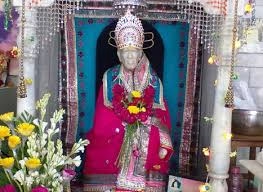
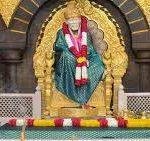
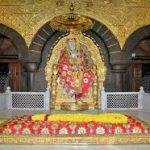
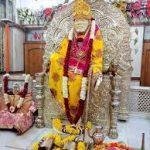
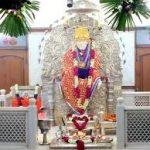
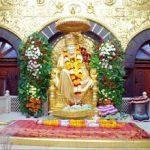
The Sai Baba Temple on Lodhi Road is a beacon of spiritual light in the heart of the nation’s capital. Unlike ancient stone temples, this shrine derives its sanctity from the universal teachings of Shirdi Sai Baba. The murti (idol) in the sanctum is a stunning depiction of Baba, adorned in traditional attire, radiating peace and compassion.
Phalaśruti: The Spiritual Benefits
Devotees visit this temple seeking relief from worldly burdens and spiritual upliftment. According to the oral traditions of the temple, regular darshan and specific prayers here yield significant benefits:
- Resolution of Legal Matters: Baba is often referred to as the “Resolution for Impossible Problems.” Devotees facing court cases or bureaucratic hurdles visit to seek his grace.
- Ancestral Karma Cleansing: Offering deepam (lamp) and chanting the Sai Satcharitra on Thursdays is believed to help cleanse ancestral karma and bring peace to departed souls.
- Psychic Peace: The temple atmosphere, located away from the immediate noise of the road, offers a sanctuary for mental tranquility and stress relief.
Historical Origins & Scriptural Legend
While Shirdi Sai Baba lived in Maharashtra, his devotees spread his message across India. The Sai Baba Temple on Lodhi Road stands as a testament to this devotion.
Founding and Growth
According to local records, this temple was established several decades ago by a group of dedicated devotees. It is considered one of the earliest Sai Baba temples in Delhi, predating many larger modern complexes. The temple was not built by a royal dynasty but rather through the collective donations (Sewa) of the common populace, making it a true “Jan Bhagidari” (People’s Participation) temple.
Scriptural Basis
While the temple adheres to the teachings found in the Sri Sai Satcharitra (the hagiography of Shirdi Sai Baba), the specific Sthala Purana (local legend) of this Lodhi Road location focuses on the “fulfillment of vows.” Tradition holds that the spot was chosen because the soil there was found to be especially conducive to meditation and stillness.
Architectural Marvels
The architecture of this temple is a blend of minimalism and traditional Hindu temple aesthetics, often categorized under a simplified North Indian (Nagara) style influence.
Structural Details
The main sanctum (Garbhagriha) is designed to draw the devotee’s focus entirely toward the central murti of Sai Baba. The temple features:
- The Shikhara: While modest in height compared to ancient temples, the spire (Shikhara) is distinct and houses the Kalash (pot) at its peak, symbolizing the abode of divinity.
- Mandapas: The pillared hall (Mandapa) provides ample space for devotees to sit for meditation and bhajans. The open design allows natural light to flood the prayer area.
- Visual Art: The walls and pillars are adorned with paintings depicting the life events of Sai Baba, such as the Miracle of the Leelas and his participation in the Rama Navami celebrations.
The exterior is painted white, symbolizing purity, while the interiors are kept simple to avoid distraction during prayer.
Darshan & Ritual Logistics
To ensure a seamless spiritual experience, devotees are advised to plan their visit according to the temple’s schedule. Below are the standard timings and seva details.
Daily Timings
| Session | Timings | Details |
|---|---|---|
| Morning Darshan | 6:00 AM – 12:00 PM | Starts with Kakad Aarti (Morning Prayer) |
| Midday Break | 12:00 PM – 4:30 PM | Temple closed for cleaning and break |
| Evening Darshan | 4:30 PM – 9:00 PM | Includes Bhajans and Aarti |
| Thursday Special | 5:00 AM – 10:00 PM | Extended hours; continuous darshan |
Key Sevas and Online Booking
Devotees can book specific sevas (services) to perform at the temple. While many sevas are conducted in person, online inquiries are becoming standard.
- Abhishekam: Ritual bathing of the idol with water, milk, and honey. Best performed on Thursday mornings.
- Archana: Recitation of names (Namavali) for personal and family well-being.
- Chadar Offering: Offering a cloth (Chadar) decorated with flowers and sweets is a primary ritual here.
Note for 2026: For major festivals, the temple management likely utilizes a digital platform for crowd management. Please check the temple’s official WhatsApp or local notice boards for the 2026 festival calendar.
Practical Visitor Guidance
Adherence to the following guidelines ensures a respectful environment for all.
Code of Conduct & Facilities
- Dress Code: Traditional attire is preferred (Kurta-Pajama, Dhoti for men; Saree/Salwar Kameez for women). Modest clothing is mandatory.
- Photography: Photography is generally prohibited inside the main sanctum to preserve the sanctity of the darshan. Flash photography is strictly banned.
- Mobile Lockers: The temple typically provides a cloakroom facility for bags and electronics. Please carry minimal belongings.
- Accessibility: The main hall is on the ground floor with ramp access for wheelchairs.
Crowd Management Tips
- Best Time to Visit: Weekdays (Monday to Wednesday) are generally less crowded than Thursdays or weekends.
- Seasonal Advice: Delhi summers (May-July) are scorching. The temple queue is mostly covered, but carry a water bottle. During winters (Dec-Jan), mornings are foggy; afternoons offer pleasant darshan.
Pilgrimage Connectivity
How to Reach
- By Metro: The nearest metro station is Jor Bagh (Yellow Line) or Lodhi Park (Magenta Line). From there, auto-rickshaws are easily available.
- By Road: Located on Lodhi Road (Main Agra Delhi Highway). It is accessible from NH-24 and is near the India Habitat Centre.
- By Train: New Delhi Railway Station is approximately 7-8 km away. Nizamuddin Railway Station is also nearby.
- By Air: Indira Gandhi International Airport (T3) is 20-30 minutes away via the airport link.
Nearby Sacred Sites
To enhance your pilgrimage, consider visiting these nearby spiritual locations:
- Lotus Temple (Bahá’í House of Worship): Located in Kalkaji, about 15 minutes from Lodhi Road. A symbol of unity and silence.
- Humayun’s Tomb: A UNESCO World Heritage site nearby, featuring stunning Mughal architecture and gardens.
- ISKCON Temple (East of Kailash): A grand temple dedicated to Lord Krishna, located a short drive away.
Photo Gallery

Frequently Asked Questions (FAQ)
1. Is there a VIP darshan entry at the temple?
The Lodhi Road temple maintains an egalitarian approach. There is no formal VIP entry; however, devotees offering special Sevas (like Abhishekam) are accorded priority during the designated ritual times.
2. What is the significance of Thursday at this temple?
Thursday is considered the day of Guru (Guruvar). Since Sai Baba is the supreme Guru, this temple sees maximum footfall on Thursdays. The atmosphere is charged with continuous bhajans and readings from the Sai Satcharitra.
3. Is there parking available near the temple?
As the temple is located on Lodhi Road, which is a busy thoroughfare, dedicated parking is limited. Devotees are advised to use paid parking lots near the India Habitat Centre or Jor Bagh market or opt for metro/cab services.
4. Can non-Hindus visit the temple?
Yes. Sai Baba’s teachings transcend all religions and castes. The temple welcomes people of all faiths to come, pray, and find peace.
5. How can I confirm the status of a special seva for 2026?
For confirmed timings of major festivals in 2026, it is best to call the temple management directly or check their verified social media handles closer to the date, as schedules may change based on local administrative orders.
Address & Contact
17, Lodhi Rd, Gokalpuri, Institutional Area, Lodi Colony, New Delhi, Delhi 110003
How to Reach (Regional Connectivity)
While this temple is in Delhi, many devotees traveling from the capital use it as a starting point for wider pilgrimages. For instance, trains connecting Delhi to Shirdi are frequently utilized. Klk Snsi Sf Exp (22456) is one of the primary trains connecting Delhi to the holy town of Shirdi. The minimum time a train takes to reach Shirdi from New Delhi is approximately 22 hours. The cheapest way to reach Shirdi from New Delhi takes approximately 19 hours 27m, usually involving a train to Kopargaon followed by a taxi to Shirdi. However, for the daily devotee, the Sai Baba Temple on Lodhi Road serves as the perfect local spiritual anchor.
Recent Posts

Shri Kaamkoteeshwar Mandir, Varanasi – History & Significance
In the heart of Kashi, the eternal city of Lord Shiva, where the Ganges flows with celestial grace, stands the Shri Kaamkoteeshwar Mandir. This sacred Sannidhi is not merely a temple but a profound spiritual bridge between the Northern…

ओ सांवरे तूने ही मुझको संभाला – Lyrics & Meaning
ओ सांवरे तूने ही मुझको संभाला – A Prayer to Shyam Origin & Spiritual Essence Why This Bhajan Resonates Devotees chant this when overwhelmed by life’s storms—the refrain ‘तूने ही मुझको संभाला’ is the soul’s sigh of relief: “You…

कथा ये है महाराज मेरे की – Lyrics & Meaning
कथा ये है महाराज मेरे की छत्रपति संभाजी महाराज – A Prayer to Chhatrapati Sambhaji Maharaj Origin & Spiritual Essence Why This Bhajan Resonates Devotees chant this when their spirit feels tested—its powerful refrain “महाराज मेरे” is a soul’s…

Rigveda Samhita Yathartha Anuvada (ऋग्वेद संहिता यथार्थ अनुवाद) – Complete Set with Anvayartha & Hindi/English Translation
The Rigveda is the oldest surviving scripture of humanity and the foundational text of Sanātana Dharma. For serious students, scholars, UPSC aspirants studying ancient Indian history, Sanskrit learners, and spiritual seekers, a precise and grammatically structured translation is indispensable.…

आना भी अकेला है जाना भी अकेला है – Lyrics & Meaning | BharatTemples
आना भी अकेला है जाना भी अकेला है – A Prayer to the Divine Witness Origin & Spiritual Essence Why This Bhajan Resonates Devotees turn to this bhajan in moments of deep reflection—when life’s attachments begin to ache. The…

माता शेरावाली के द्वार जो भी जाता है – Lyrics & Meaning
माता शेरावाली के द्वार जो भी जाता है – A Prayer to Maa Sherawali Origin & Spiritual Essence Why This Bhajan Resonates Devotees turn to this bhajan in times of fear or uncertainty—its promise that no one leaves Maa’s…

मार लेना सपणी उबार लेणा भवरा – Lyrics & Meaning
मार लेना सपणी उबार लेणा भवरा – A Prayer to the Divine Beloved Origin & Spiritual Essence Why This Bhajan Resonates Devotees chant this in moments of deep vulnerability—its cry of “मार लेना सपणी, उबार लेणा भवरा” is the…

हमें श्याम सुंदर भरोसा तुम्हारा – Lyrics & Meaning
हमें श्याम सुंदर भरोसा तुम्हारा – A Prayer to Shyam Sundar Origin & Spiritual Essence Why This Bhajan Resonates Devotees chant this when feeling alone—its refrain ‘de do sahara’ is the soul’s cry for divine support. Lyrics in Hindi…

Mere Satguru Ne Di Thi Davai Lyrics in Hindi & Meaning
Mere Satguru Ne Di Thi Davai: Invoking the Guru’s Liberating Wisdom This soul-stirring bhajan venerates the Satguru (True Spiritual Master) as the divine physician who dispenses the only remedy for life’s deepest sufferings. Composed by Sant Karmaveer Tufani, it…

Janm Diyo Thari Maa Dukh Dekhiyo Lyrics in Hindi & Meaning
जन्म दियो थारी माँ दुख देखियो (Maa’s Grief Upon Birthing You) This soul-stirring Chetavani Bhajan (admonitory hymn) is addressed to the Divine Mother (Maa) – a call for repentance when children forget their filial duties in the dark age…