

Contents
Nestled amidst the bustling streets of Civil Lines in North Delhi lies a sanctuary of silence and spiritual vibrancy: the Ladakh Buddhist Vihara. Far removed from the city’s cacophony, this Tibetan Buddhist place of worship serves as a vital cultural bridge between the Himalayan region of Ladakh and the national capital.
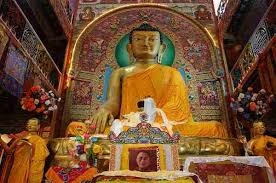
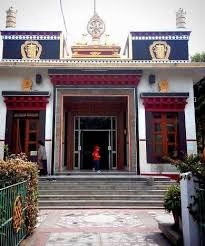
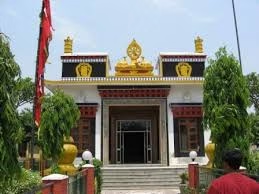
While it may appear difficult to find initially—tucked behind a crowded market—the journey to the Vihara is a spiritual transition. As you turn left from the market’s end, the sight of fluttering, colourful Tibetan prayer flags announces your arrival. The primary deity revered here is Lord Buddha in his serene, meditative form. Unlike the Swayambhu self-manifested idols of the Himalayas, the central murti here is a large, majestic statue that draws devotees into a state of deep contemplation.
Phalaśruti: The Benefits of Visit
Devotees visit the Ladakh Buddhist Vihara seeking mental clarity and peace. According to Buddhist tenets, spending time in the presence of the Buddha murti and circumambulating the prayer halls aids in:
- Cleansing Mental Agitation: The vibrant thangka paintings and the rhythmic chanting (often heard during prayer times) help settle a restless mind.
- Cultural Connection: For locals and travelers alike, it offers a glimpse into the rich monastic traditions of Ladakh, fostering a sense of universal brotherhood.
- Merit Accumulation: Lighting a butter lamp or offering prayers here is considered auspicious, generating positive karma and tranquility.
Historical Origins & Scriptural Legend
While the temple does not date back to the ancient Puranic eras, its history is deeply tied to the modern political and spiritual integration of Tibet and Ladakh with India.
Establishment and Figures
The Vihara stands as a tribute to two significant figures. At the entrance, visitors are greeted by a statue of Jawaharlal Nehru, India’s first Prime Minister, who played a pivotal role in the resettlement of Tibetan refugees and the promotion of Himalayan culture in Delhi. Alongside him is a statue of Kushok Gyalsras Bakula, a revered religious and political leader from Ladakh who served as a bridge between the monastic community and the Indian government.
Tradition holds that the site was chosen for its proximity to the Kashmiri Gate and the ISBT, making it accessible to pilgrims traveling from the Himalayas. The architectural style and the artistic skills reflected in the interiors are a direct import of traditional Tibetan aesthetics, preserving the heritage of the region in the heart of the capital.
Architectural Marvels
The Vihara is a distinct example of Tibetan Buddhist Architecture, standing in contrast to the Nagara or Dravida styles typical of North and South Indian Hindu temples.
Artistic Details
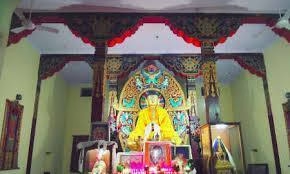
The Interior: As you step inside, the atmosphere shifts. The walls are adorned with large, intricate paintings (murals) that depict various stories and myths related to the life and times of Lord Buddha. These include scenes from the Jatakas (tales of Buddha’s previous lives) and iconic imagery of the Bodhisattvas.
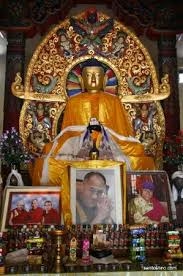
The Central Murti: A large, imposing statue of Lord Buddha dominates the prayer hall. It is typically crafted with gilded finishes and represents the Buddha in the Bhumisparsha Mudra (Earth-touching gesture), symbolizing his moment of enlightenment.
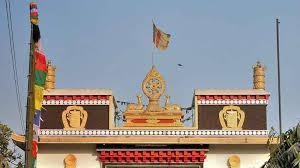
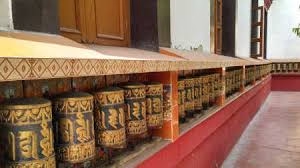
Prayer Flags and Wheels: The exterior is marked by fluttering colourful Tibetan prayer flags. In Buddhist tradition, each color represents one of the five elements (Blue=Sky/Space, White=Air/Wind, Red=Fire, Green=Water, and Yellow=Earth). As the wind blows through them, it is believed to spread prayers and blessings across the landscape.
Photo Gallery
Darshan & Ritual Logistics
The Vihara operates on a schedule that accommodates both local residents and visiting pilgrims. While specific ritual timings can vary based on monastic schedules, the following general framework applies for visitors.
Daily Timings
| Session | Timing | Activity |
|---|---|---|
| Morning | 07:00 AM – 11:30 AM | Opening prayers, Abhishekam (if scheduled), and individual meditation. |
| Afternoon | 11:30 AM – 04:00 PM | Generally quiet period for tourists and reflection. |
| Evening | 04:00 PM – 06:30 PM | Evening chanting (Sutra recitation) and closing rituals. |
Sevas and Offerings
Unlike commercial temples, the Sevas here are intimate. Devotees can participate in:
- Butter Lamp Offering (Diya Daan): Available at the entrance counter.
- Prayer Flag Hoisting: Visitors can sponsor flags to be tied on the premises.
- Monastic Support: Offerings are directed toward the maintenance of the Vihara and the monks.
Note: For specific online seva booking, it is recommended to check the official contact details provided below, as centralized online portals for this specific Vihara are currently limited compared to large pilgrimage sites.
Festivals in 2026
The Vihara comes alive during major Buddhist festivals. In 2026, the key dates are:
- Buddha Purnima: May 22, 2026 (Exact date subject to lunar calendar) – Celebrating the birth, enlightenment, and death of Gautama Buddha.
- Losar (Tibetan New Year): February 18, 2026 – Marking the start of the Tibetan lunar calendar with special chants and community feasts.
Practical Visitor Guidance
Visiting the Ladakh Buddhist Vihara requires a bit of navigation and respect for the serene environment.
Dress Code and Etiquette
Modest attire is essential. Visitors should cover their shoulders and knees. As with all Buddhist monasteries, footwear must be removed before entering the main prayer hall. Mobile phones should be on silent mode to maintain the sanctity of the space.
Photography and Lockers
Photography inside the main hall, particularly of the idols and murals, may be restricted to preserve the art and respect the monks’ privacy. Always ask for permission. Since the entrance passes through a crowded market, travel light.
Crowd Management and Best Time to Visit
The Vihara is generally less crowded than major tourist attractions. However:
- Best Hours: Early mornings (08:00 AM) offer the most tranquil experience.
- Seasonal Advice: Summers in Delhi can be harsh; carry a water bottle. Winters (November–January) are pleasant and ideal for visiting.
Pilgrimage Connectivity
The Vihara is strategically located in Civil Lines, making it one of the more accessible spiritual sites in Delhi.
How to Reach
- By Metro: The nearest station is Kashmiri Gate (Yellow, Red, and Violet lines interchange). From there, a shared auto or a 10-minute walk leads to the Civil Lines market entrance. A fare of approximately ₹20 is standard for shared transport.
- By Bus: The ISBT (Inter State Bus Terminus) Kashmiri Gate is in very close proximity, making it highly accessible for travelers arriving from other states.
- By Road: Located off the Grand Trunk Road (NH 44), it is easily accessible by taxi or private vehicle.
Nearby Sacred Sites
To create a spiritual circuit in North Delhi, consider visiting:
- St. James’ Church (1836): One of the oldest churches in Delhi, located very close to Kashmiri Gate.
- Gauri Shankar Temple: An ancient Shiva temple located in Chandni Chowk, a short metro ride away.
- Namgyal Monastery (Majnu Ka Tila): Another significant Tibetan Buddhist complex, offering a deeper dive into the community’s culture.
Frequently Asked Questions (FAQs)
No, the Vihara operates on a community-based model rather than a ticketed VIP darshan system. All visitors are welcome equally. However, during special ceremonies, priority may be given to monastic attendees.
There is no mandatory entry fee for general darshan. However, donations are accepted and appreciated for the maintenance of the Vihara. There may be a small charge for photography permissions.
The market leading to the Vihara is busiest in the evenings. Visiting between 10:00 AM and 1:00 PM on a weekday ensures a relatively calmer approach to the monastery.
There are no public dining halls or langars within the Vihara premises. However, numerous cafes and restaurants are available in the Civil Lines area.
Address
Ladakh Buddhist Vihara
Civil Lines, New Delhi – 110054
Contact Details
For specific inquiries regarding rituals or visiting hours, it is best to contact the Vihara management directly or visit the office located on the premises during operating hours.
Recent Posts

Mere Satguru Ne Di Thi Davai Lyrics in Hindi & Meaning
Mere Satguru Ne Di Thi Davai: Invoking the Guru’s Liberating Wisdom This soul-stirring bhajan venerates the Satguru (True Spiritual Master) as the divine physician who dispenses the only remedy for life’s deepest sufferings. Composed by Sant Karmaveer Tufani, it…

Janm Diyo Thari Maa Dukh Dekhiyo Lyrics in Hindi & Meaning
जन्म दियो थारी माँ दुख देखियो (Maa’s Grief Upon Birthing You) This soul-stirring Chetavani Bhajan (admonitory hymn) is addressed to the Divine Mother (Maa) – a call for repentance when children forget their filial duties in the dark age…
Bhadi Sabha Mein Thane Manaun Lyrics in Hindi & Meaning
Bhadi Sabha Mein Thane Manaun: Invoking the Spear-Wielding Mother Mata Bhawani (श्री ज्वाला भवानी), the fiery manifestation of Shakti worshipped as the Protector of Dharma in Her Dhaulagarh sanctum. Origin & Spiritual Essence Composed in Rajasthani folk tradition by…
श्याम सुन्दरवा छोटे छोटे कनुवा Lyrics & Meaning
श्याम सुन्दरवा छोटे छोटे कनुवा (Shyam Sundarva Chhote Chhote Kanuva) is a heartfelt invocation to Lord Krishna in his most enchanting form—Shyam Sundar (the dark, beautiful one). This bhajan is a plea for the divine child Kanha to grace…
Maat Meri Chintapurni Lyrics in Hindi & Meaning
Maat Meri Chintapurni is a heartfelt devotional prayer dedicated to Maa Chintapurni, a form of the Divine Mother. She is revered as the remover of worries and the granter of wishes, especially venerated in the Himalayan region of Himachal…
थारी रे नदियां का ढावा पे खीची राजा Lyrics & Meaning
खीची राजा का अद्भुत युद्ध: एक शौर्य गाथा यह भजन एक पौराणिक या ऐतिहासिक शूरवीर राजा की वीरता का वर्णन करता है, जो प्रायः गुजराती लोक संस्कृति में लोककथाओं का हिस्सा है। इसकी रचना दुर्गेश कटारा ने की है…
बेगो बेगो चाल श्याम सिंगोली बुलावे रे Lyrics in Hindi & Meaning
Bhajan Title & Deity This bhajan, बेगो बेगो चाल श्याम सिंगोली बुलावे रे, is dedicated to Lord Shyam, a revered form of Lord Krishna. Origin & Spiritual Essence The composer of this bhajan is not specified, but it is…
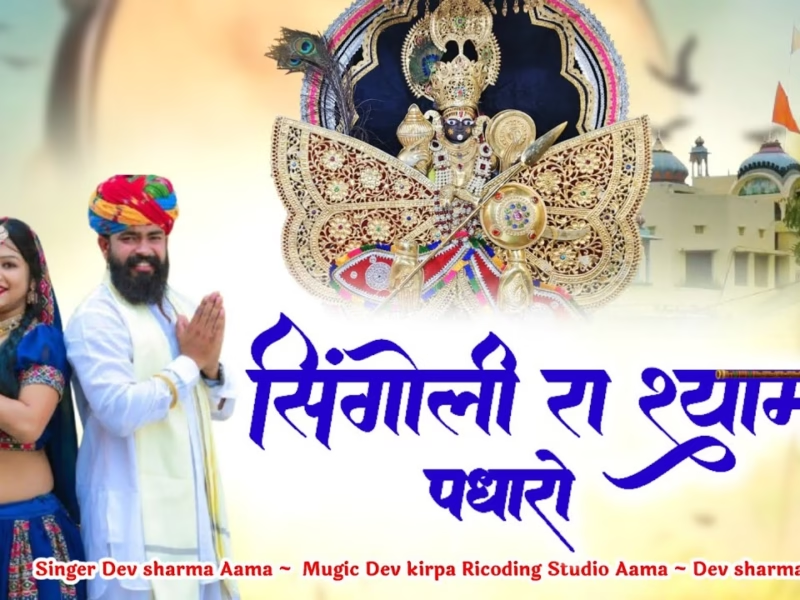
सिंगोली रा श्याम पधारो Lyrics in Hindi & Meaning
सिंगोली रा श्याम पधारो Bhajan & Deity This sacred bhajan, सिंगोली रा श्याम पधारो, is dedicated to Lord Shyam, a revered deity in the Hindu tradition. The composer of this bhajan is Dev Sharma Aama. Origin & Spiritual Significance…

हंसकर पार्वती शिव जी ने वचन सुनावती जी Lyrics in Hindi & Meaning
हंसकर पार्वती शिव जी ने वचन सुनावती जी – A Devotional Bhajan Origin & Spiritual Significance This beautiful bhajan, हंसकर पार्वती शिव जी ने वचन सुनावती जी, is a heartfelt devotion to Lord Shiva and Goddess Parvati, embodying the…
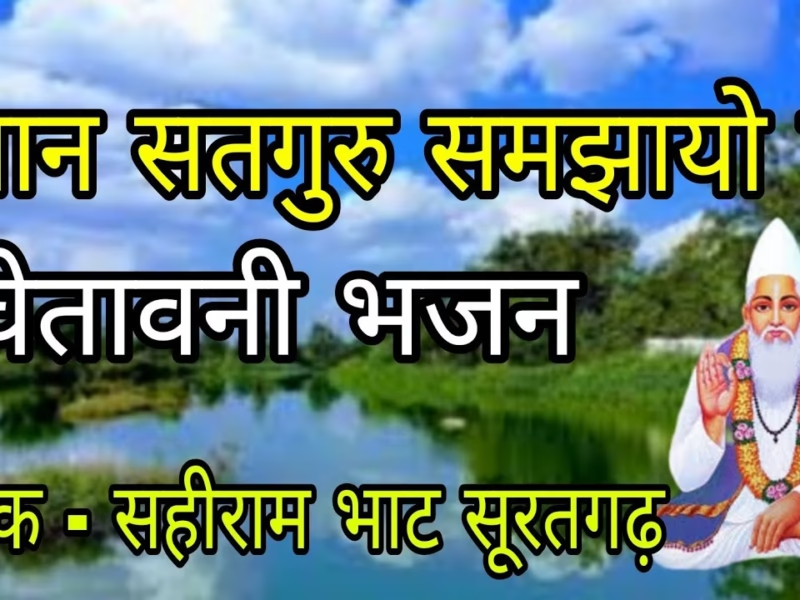
ज्ञान सतगुरु समझायो ए Lyrics in Hindi & Meaning
This bhajan, ज्ञान सतगुरु समझायो ए, is dedicated to the revered deity, Shyam, and is a testament to the transformative power of spiritual guidance. The composer of this bhajan is unknown, but it is deeply rooted in the Rajasthani…