
Contents
1. Introduction & Spiritual Essence
Nestled in the serene village of Erumai Vetti Palayam in Thiruvallur District, the Varamuktheeswarar Temple stands as a beacon of spiritual grace and architectural heritage. Dedicated to Lord Shiva in the form of Varamuktheeswarar (The Bestower of Boons), this ancient shrine is deeply revered by devotees seeking marital harmony and liberation from karmic obstacles.
The primary deity is a Swayambhu (self-manifested) Lingam, facing east, radiating divine energy. His consort, Kamakshi Amman, shares the same east-facing orientation—a rare alignment that signifies mutual blessings for devotees. According to the Phalaśruti (scriptural benefits), worshipping here helps cleanse ancestral karma and removes Vishnuma (marriage) doshas, making it a vital stop for those awaiting auspicious life events.
2. Historical Origins & Scriptural Legend
Tradition holds that this temple dates back nearly a millennium, though precise records of the founding dynasty are obscured by time. The village was historically known as Mahishasuramardhanam, named after the legend of Goddess Durga slaying the demon Mahishasura.
Local oral legends (Sthala Purana) suggest that the temple was a site of intense penance by sages seeking the boon of marriage (Varamukthi). It is believed that Lord Shiva appeared here to grant this boon, hence the name Varamuktheeswarar. While the exact century of construction remains undated in available records, the temple structure and sculptural elements indicate origins in the early Chola or Vijayanagara eras, later renovated by local chieftains.
3. Architectural Marvels
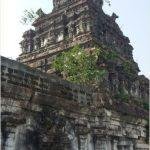
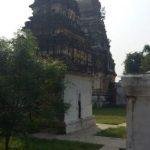
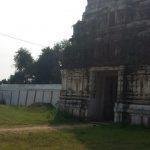
The temple showcases classic Dravidian architecture, characterized by structural symmetry and intricate iconography.
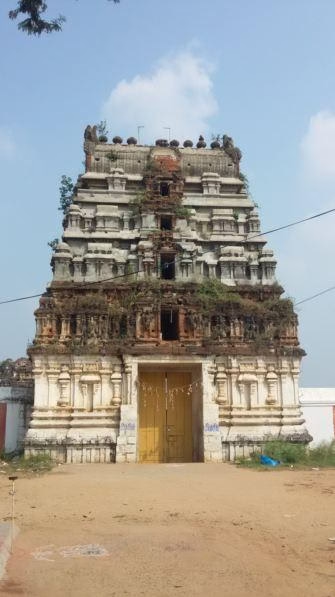
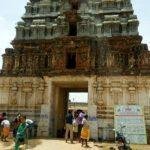
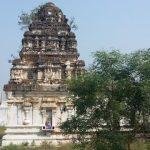
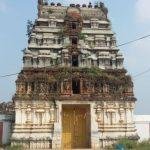
- Rajagopuram: The temple features a four-tiered Rajagopuram (main gateway tower) facing east.
- Vastu Shastra: Both the presiding deity and the consort face east, adhering to Vastu principles that promote positive energy flow for family harmony.
- Niche Sculptures: The outer walls of the sanctum (Garbhagriha) are adorned with exquisite niche idols (Alcoves) of Vinayagar, Murugan, Dhakshina Moorthy, Durga, and Brahma.
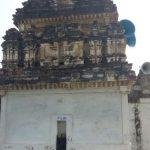
- Shikhara: The Vimana (tower above the sanctum) follows the Dravidian style, housing the geometric patterns typical of this region.
The temple complex also includes a separate Bhadrachala Ramar Temple situated on a nearby hillock, merging two distinct devotional paths into one geographical circuit.
4. Darshan & Ritual Logistics
Currently, the temple priests perform regular Pujas. While Pradhosha Pooja was historically celebrated, it has been discontinued temporarily; however, Abhishekam and daily offerings continue.
| Session | Timings | Activity |
|---|---|---|
| Morning | 06:00 AM – 12:00 PM | Temple Opening, Morning Abhishekam, Archana |
| Afternoon | 12:00 PM – 04:00 PM | Temple Closed (Raja Alankaram) |
| Evening | 04:00 PM – 08:00 PM | Evening Darshan, Deeparadhana |
Key Sevas & Online Booking
Devotees can perform specific sevas for marital blessings:
- Friday Ritual: For 12 consecutive Fridays, devotees light a Ghee Lamp (Vilakku) for Kamakshi Amman.
- Abhishekam: Performed daily in the morning.
- Archana: Chanted in Tamil and Sanskrit.
Note: For specific online seva bookings, devotees should check the official Tamil Nadu Temple Administration portal or contact the local trust at the provided contact details.
2026 Festival Calendar
Mark your calendars for these auspicious dates in 2026:
- Arudra Darshanam: January 15, 2026
- Maha Shivaratri: February 26, 2026
- Tamil New Year: April 14, 2026 (Special Sun Rays Fall on Lingam)
- Pradosham: Monthly (13th & 28th of every month)
- Navaratri: October 5 – October 13, 2026
5. Practical Visitor Guidance
To ensure a seamless pilgrimage experience, please adhere to the following guidelines:
- Dress Code: Traditional attire is mandatory. Men should wear dhotis or trousers with shirts; women should wear sarees or salwar kameez. Avoid shorts and sleeveless tops.
- Photography: Photography inside the sanctum sanctorum is strictly prohibited. Thecan be used for exterior viewing.

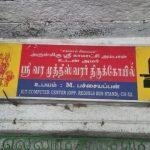
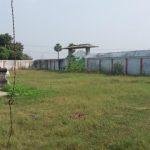
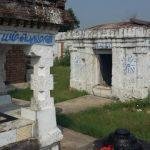
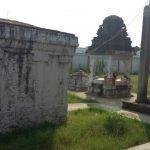
2018-01-06 (8), Varamuktheeswarar Temple, Erumai Vetti Palayam, Thiruvallur 2018-01-06 (13), Varamuktheeswarar Temple, Erumai Vetti Palayam, Thiruvallur 5435436, Varamuktheeswarar Temple, Erumai Vetti Palayam, Thiruvallur 5657647, Varamuktheeswarar Temple, Erumai Vetti Palayam, Thiruvallur 654645645 (1), Varamuktheeswarar Temple, Erumai Vetti Palayam, Thiruvallur 5654645645, Varamuktheeswarar Temple, Erumai Vetti Palayam, Thiruvallur 564564564, Varamuktheeswarar Temple, Erumai Vetti Palayam, Thiruvallur 2018-01-06 (7), Varamuktheeswarar Temple, Erumai Vetti Palayam, Thiruvallur 2018-01-06 (6), Varamuktheeswarar Temple, Erumai Vetti Palayam, Thiruvallur 2018-01-06 (3), Varamuktheeswarar Temple, Erumai Vetti Palayam, Thiruvallur 2018-01-06 (2), Varamuktheeswarar Temple, Erumai Vetti Palayam, Thiruvallur 2018-01-06 (1), Varamuktheeswarar Temple, Erumai Vetti Palayam, Thiruvallur 2018-01-06 (4), Varamuktheeswarar Temple, Erumai Vetti Palayam, Thiruvallur Varamuktheeswarar Temple, Erumai Vetti Palayam, Thiruvallur - Crowd Management: Tuesdays and Fridays attract heavy crowds. For a peaceful Darshan, visit between 9:00 AM and 11:00 AM on weekdays.
- Seasonal Advice: In summer (May), carry water bottles and an umbrella, as the courtyard can be hot. The Bhadrachala Ramar hill provides some shade.
- Mobile Lockers: While specific locker facilities are not explicitly detailed, it is advised to travel light.

6. Pilgrimage Connectivity
The temple is well-connected to Chennai and surrounding districts.
How to Reach
- By Road: The temple is located 800 meters from Erumai Vetti Palayam Bus Stand. From Chennai, take the Chennai – Kolkata Highway (NH 16). After the Karanodai Toll Plaza, take the overbridge and follow the rough road leading left to the village. Bus Route No. 58 H connects from Chennai High Court Stop and Koyambedu.
- By Train: The nearest railway stations are Ponneri Railway Station (17 km) and Thiruninravur Railway Station (23 km).
- By Air: Chennai International Airport is approximately 41 km away.
Nearby Sacred Sites (Pilgrimage Circuit)
Extend your spiritual journey by visiting these nearby temples:
- Bhadrachala Ramar Temple: Located just 1.5 km away on a hillock in the same village.
- Karanodai Bhairava Temple: 6 km away, known for powerful guardian deity worship.
- Periyapalayam Sri Rajarajeswari Amman Temple: A major Amman temple 16 km from Erumai Vetti Palayam.
7. Frequently Asked Questions (FAQ)
Is there a VIP darshan entry available?
Currently, the Varamuktheeswarar Temple does not have a formal VIP pass system. All devotees are treated equally. However, during non-peak hours, entry into the sanctum is generally permitted.
What is the significance of the sun rays falling on the Lingam?
On the day of the Tamil New Year (mid-April), the rising sun’s rays directly illuminate the Varamuktheeswarar Lingam. This is considered a divine affirmation of vitality and the removal of darkness (ignorance) from the devotee’s life.
Yes, since the primary deity is known for granting boons related to marriage, performing rituals here is considered highly auspicious for those facing delays in matrimony.
Are non-Hindus allowed inside the temple?
This is a traditional Hindu temple. Access is typically restricted to followers of Hinduism, though it is best to consult the temple administration for specific policies.
Where can I stay in Thiruvallur?
For accommodation, the nearest options are in Thiruvallur (32 km) or Ponneri (17 km). Chennai offers a wide range of hotels if you prefer a city base.
Recent Posts

Shri Kaamkoteeshwar Mandir, Varanasi – History & Significance
In the heart of Kashi, the eternal city of Lord Shiva, where the Ganges flows with celestial grace, stands the Shri Kaamkoteeshwar Mandir. This sacred Sannidhi is not merely a temple but a profound spiritual bridge between the Northern…

ओ सांवरे तूने ही मुझको संभाला – Lyrics & Meaning
ओ सांवरे तूने ही मुझको संभाला – A Prayer to Shyam Origin & Spiritual Essence Why This Bhajan Resonates Devotees chant this when overwhelmed by life’s storms—the refrain ‘तूने ही मुझको संभाला’ is the soul’s sigh of relief: “You…

कथा ये है महाराज मेरे की – Lyrics & Meaning
कथा ये है महाराज मेरे की छत्रपति संभाजी महाराज – A Prayer to Chhatrapati Sambhaji Maharaj Origin & Spiritual Essence Why This Bhajan Resonates Devotees chant this when their spirit feels tested—its powerful refrain “महाराज मेरे” is a soul’s…

Rigveda Samhita Yathartha Anuvada (ऋग्वेद संहिता यथार्थ अनुवाद) – Complete Set with Anvayartha & Hindi/English Translation
The Rigveda is the oldest surviving scripture of humanity and the foundational text of Sanātana Dharma. For serious students, scholars, UPSC aspirants studying ancient Indian history, Sanskrit learners, and spiritual seekers, a precise and grammatically structured translation is indispensable.…

आना भी अकेला है जाना भी अकेला है – Lyrics & Meaning | BharatTemples
आना भी अकेला है जाना भी अकेला है – A Prayer to the Divine Witness Origin & Spiritual Essence Why This Bhajan Resonates Devotees turn to this bhajan in moments of deep reflection—when life’s attachments begin to ache. The…

माता शेरावाली के द्वार जो भी जाता है – Lyrics & Meaning
माता शेरावाली के द्वार जो भी जाता है – A Prayer to Maa Sherawali Origin & Spiritual Essence Why This Bhajan Resonates Devotees turn to this bhajan in times of fear or uncertainty—its promise that no one leaves Maa’s…

मार लेना सपणी उबार लेणा भवरा – Lyrics & Meaning
मार लेना सपणी उबार लेणा भवरा – A Prayer to the Divine Beloved Origin & Spiritual Essence Why This Bhajan Resonates Devotees chant this in moments of deep vulnerability—its cry of “मार लेना सपणी, उबार लेणा भवरा” is the…

हमें श्याम सुंदर भरोसा तुम्हारा – Lyrics & Meaning
हमें श्याम सुंदर भरोसा तुम्हारा – A Prayer to Shyam Sundar Origin & Spiritual Essence Why This Bhajan Resonates Devotees chant this when feeling alone—its refrain ‘de do sahara’ is the soul’s cry for divine support. Lyrics in Hindi…

Mere Satguru Ne Di Thi Davai Lyrics in Hindi & Meaning
Mere Satguru Ne Di Thi Davai: Invoking the Guru’s Liberating Wisdom This soul-stirring bhajan venerates the Satguru (True Spiritual Master) as the divine physician who dispenses the only remedy for life’s deepest sufferings. Composed by Sant Karmaveer Tufani, it…

Janm Diyo Thari Maa Dukh Dekhiyo Lyrics in Hindi & Meaning
जन्म दियो थारी माँ दुख देखियो (Maa’s Grief Upon Birthing You) This soul-stirring Chetavani Bhajan (admonitory hymn) is addressed to the Divine Mother (Maa) – a call for repentance when children forget their filial duties in the dark age…