
Contents
Introduction & Spiritual Essence
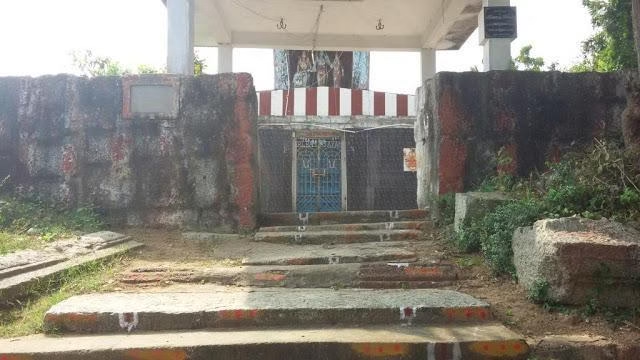
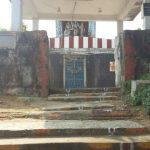
The Bhadrachala Ramar Temple, nestled in the serene village of Erumai Vetti Palayam in Thiruvallur District, stands as a divine beacon for devotees of Lord Rama. Known locally as the Badrinath of the South, this temple is dedicated to Bhadrachala Ramar, a form of Lord Vishnu. In this sanctum, the deity manifests in the rare Pattabhisheka Thirukolam, where Lord Rama is seated in the Padmasana (lotus posture) with Goddess Sita (Sri Devi) gracefully resting on his left lap. Complementing the presiding deity are Elayaperumal and the mighty Anjaneyar (Hanuman), standing in eternal vigil.
Phalaśruti: The Boon of Visit
Devotees flock to this ancient shrine seeking specific spiritual benefits. According to prevailing beliefs, the temple is particularly potent for:
- Child Blessings: Married couples praying for progeny find their prayers fulfilled upon performing specific rituals here.
- Academic Success: Students pursuing higher education offer prayers to Elayaperumal for wisdom and focus.
- Ancestral Karma: It is believed that worshipping here acts as a spiritual proxy to the famous Bhadrachalam Temple in Telangana, cleansing ancestral burdens for those unable to travel afar.
Historical Origins & Scriptural Legend
While the exact date of construction remains unrecorded in available public records, the temple’s roots are deeply embedded in the Dravidian architectural style and local folklore. The village itself was historically known as Mahishasuramardhanam, a name derived from a powerful legend.
The Sthala Purana
According to local tradition, Goddess Sita (Thaayar) once visited the nearby Kusasthalai River to perform her ablutions. The demon Mahishasuran, possessing a boon from Lord Shiva that only a woman could end his life, disturbed her peace. Terrified, Sita Devi ran and sat on the left thigh of Lord Rama. To protect her, Lord Rama placed four blades of Dharbai grass in the four directions of the village. These blades miraculously transformed into four fierce female deities—Angala Parameswari, Ponniamman, Mulakkal Amman, and Kekaithamman—who slayed the demon. These deities remain the Kaval Deivam (guardian deities) of Erumai Vetti Palayam, protecting the temple premises.
Archaeological & Historical Context
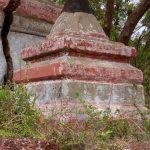
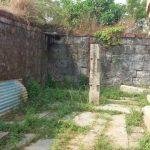
There are physical evidences suggesting this was once a sprawling complex with 7 Prakaras (enclosures). Interestingly, the Uthsavar (processional deity) was previously installed in the nearby Panjesti Sivan Temple due to safety concerns in the past. The presiding deity, Perumal, is a magnificent Saligrama Thirumeni (an idol carved from the sacred Salagrama stone found in the Gandaki River of Nepal).
Architectural Marvels
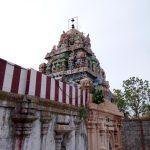
The temple exemplifies the grandeur of Dravidian Architecture. While the outer structures show the passage of time, the inner sanctum retains its potent spiritual energy.
Vastu Shastra and Structure
The temple is situated on a small hillock, adhering to the Vastu principles of elevated sacred spaces. The inner sanctum is designed to channel the energy of the Salagrama stone directly to the devotee. The corridors (Mandapas) feature stone pillars adorned with carvings of various deities from the Hindu pantheon.
Notable Shrines
Besides the main shrine of Bhadrachala Ramar, the temple complex houses dedicated shrines for:
- Hayagriva (The horse-faced avatar of Vishnu, bestower of knowledge).
- Narasimha (The fierce lion avatar).
- Venugopala (Lord Krishna playing the flute).
| Date built: | – |
|---|---|
| Deity: | Bhadrachala Ramar |
| Architectural style: | Dravidian architecture |
| Major festivals | – |
| Locale: | Erumai Vetti Palayam |
| District:: | Thiruvallur |
| Address: | Bhadrachala Ramar Temple,Erumai Vetti Palayam,Thiruvallur District – 600052 |
| Phone | +91 44 2640 2364 |
Darshan & Ritual Logistics
Below are the operational timings and key rituals for the year 2026. Please note that timings may vary slightly during festival seasons.
Daily Timings
| Session | Timing | Activity |
|---|---|---|
| Morning | 06:00 AM – 11:00 AM | Morning Abhishekam & General Darshan |
| Afternoon | 11:00 AM – 04:30 PM | Temple Closed (Raja Alankaram) |
| Evening | 04:30 PM – 08:00 PM | Evening Darshan & Nivedhana |
Key Sevas & 2026 Festivals
Devotees can book specific Sevas (rituals) either by contacting the temple office or via online platforms (if available through the Tamil Nadu HR&CE department).
- Thirukalyana Utsavam (Marriage Ceremony of Lord Rama): Typically celebrated in the Tamil month of Panguni (March–April). 2026 Date: April 10–14 (Tentative).
- Rama Navami: Grand celebration of Lord Rama’s birth in the month of Chithirai (March–April). 2026 Date: April 6.
- Special Abhishekam: Performed on Saturdays and Ekadashi days.
- Vishnu Sahasranama Parayanam: Conducted daily during evening hours.
Practical Visitor Guidance
As the temple is located on a hillock near a village, preparation is key for a comfortable visit.
Dress Code & Rules
- Attire: Traditional wear is preferred (Dhoti/Saree). Men must remove shirts before entering the sanctum.
- Photography: Photography is generally prohibited inside the main sanctum. Please respect the signage.
- Mobile Phones: Silence mode is required. There are no formal locker facilities, so minimal luggage is advised.
- Accessibility: The approach involves a walk up the hillock. It may be challenging for those with mobility issues.
Crowd Management & Seasonal Advice
- Best Time to Visit: Weekday mornings (Tuesday and Friday) are less crowded.
- Summer (April–June): Carry water bottles and an umbrella; the stone floors can get hot.
- Monsoon: The area around the Kusasthalai river can get marshy; wear sturdy footwear.
Pilgrimage Connectivity
The temple is located approximately 28 km north of Chennai, making it a convenient spiritual getaway.
How to Reach
- By Air: Chennai International Airport (MAA) is the nearest airport, roughly 41 km away.
- By Rail: The nearest railway stations are Thiruninravur (23 km) and Ponneri (17 km).
- By Road: From Chennai, take NH 16 (Kolkata Highway). After the Toll Plaza, take the Karanodai Overbridge. Turn left toward Erumai Vetti Palayam. Bus Route No. 58H (from Koyambedu/High Court) connects directly to the village.
Nearby Sacred Sites
Extend your pilgrimage to these nearby temples:
- Varamuktheeswarar Temple: Located just 1.5 km away in the same village, dedicated to Lord Shiva.
- Periyapalayam Temple: (16 km) Famous for the Mariamman Temple, known for animal sacrifice rituals (traditional).
- Karanodai Temple: (6 km) Home to the ancient Karanodai Adikesava Perumal Temple.
Frequently Asked Questions (FAQ)
1. Is there a VIP Darshan entry available?
Currently, the temple does not have a formal VIP entry system. All devotees are attended to in the order of arrival. However, special entry is allowed for those booking Abhishekam sevas in advance.
2. Are there accommodation facilities nearby?
The temple does not have an in-house guest house. For accommodation, it is recommended to stay in Chennai (Thiruvallur/Madhavaram area) or travel back from Ponneri.
3. Can I perform a marriage ceremony here?
Yes, the temple is popular for conducting Kalyana Utsavams (symbolic marriages of the deity). Contact the temple administration months in advance for logistics.
4. Is the temple accessible for senior citizens?
Due to the hillock location, senior citizens may find the climb difficult. However, vehicles can get relatively close to the base of the hill. It is advisable to carry a walking stick.
5. What is the significance of the Saligrama idol?
The Bhadrachala Ramar idol is carved from a Saligrama Shila, a sacred ammonite fossil from the Gandaki River in Nepal. It is considered a self-manifested (Swayambhu) form of Lord Vishnu and holds immense potency for Vaishnava devotees.
Photo Gallery
Contact Details
Bhadrachala Ramar Temple,
Erumai Vetti Palayam,
Thiruvallur District – 600052
Phone: +91 44 2640 2364
Mobile: +91 99406 70372 / 99418 25622
Mobile: +91 95660 11853 / 99406 76372
Email: vakivishnu@hotmail.com
Recent Posts

Shri Kaamkoteeshwar Mandir, Varanasi – History & Significance
In the heart of Kashi, the eternal city of Lord Shiva, where the Ganges flows with celestial grace, stands the Shri Kaamkoteeshwar Mandir. This sacred Sannidhi is not merely a temple but a profound spiritual bridge between the Northern…

ओ सांवरे तूने ही मुझको संभाला – Lyrics & Meaning
ओ सांवरे तूने ही मुझको संभाला – A Prayer to Shyam Origin & Spiritual Essence Why This Bhajan Resonates Devotees chant this when overwhelmed by life’s storms—the refrain ‘तूने ही मुझको संभाला’ is the soul’s sigh of relief: “You…

कथा ये है महाराज मेरे की – Lyrics & Meaning
कथा ये है महाराज मेरे की छत्रपति संभाजी महाराज – A Prayer to Chhatrapati Sambhaji Maharaj Origin & Spiritual Essence Why This Bhajan Resonates Devotees chant this when their spirit feels tested—its powerful refrain “महाराज मेरे” is a soul’s…

Rigveda Samhita Yathartha Anuvada (ऋग्वेद संहिता यथार्थ अनुवाद) – Complete Set with Anvayartha & Hindi/English Translation
The Rigveda is the oldest surviving scripture of humanity and the foundational text of Sanātana Dharma. For serious students, scholars, UPSC aspirants studying ancient Indian history, Sanskrit learners, and spiritual seekers, a precise and grammatically structured translation is indispensable.…

आना भी अकेला है जाना भी अकेला है – Lyrics & Meaning | BharatTemples
आना भी अकेला है जाना भी अकेला है – A Prayer to the Divine Witness Origin & Spiritual Essence Why This Bhajan Resonates Devotees turn to this bhajan in moments of deep reflection—when life’s attachments begin to ache. The…

माता शेरावाली के द्वार जो भी जाता है – Lyrics & Meaning
माता शेरावाली के द्वार जो भी जाता है – A Prayer to Maa Sherawali Origin & Spiritual Essence Why This Bhajan Resonates Devotees turn to this bhajan in times of fear or uncertainty—its promise that no one leaves Maa’s…

मार लेना सपणी उबार लेणा भवरा – Lyrics & Meaning
मार लेना सपणी उबार लेणा भवरा – A Prayer to the Divine Beloved Origin & Spiritual Essence Why This Bhajan Resonates Devotees chant this in moments of deep vulnerability—its cry of “मार लेना सपणी, उबार लेणा भवरा” is the…

हमें श्याम सुंदर भरोसा तुम्हारा – Lyrics & Meaning
हमें श्याम सुंदर भरोसा तुम्हारा – A Prayer to Shyam Sundar Origin & Spiritual Essence Why This Bhajan Resonates Devotees chant this when feeling alone—its refrain ‘de do sahara’ is the soul’s cry for divine support. Lyrics in Hindi…

Mere Satguru Ne Di Thi Davai Lyrics in Hindi & Meaning
Mere Satguru Ne Di Thi Davai: Invoking the Guru’s Liberating Wisdom This soul-stirring bhajan venerates the Satguru (True Spiritual Master) as the divine physician who dispenses the only remedy for life’s deepest sufferings. Composed by Sant Karmaveer Tufani, it…

Janm Diyo Thari Maa Dukh Dekhiyo Lyrics in Hindi & Meaning
जन्म दियो थारी माँ दुख देखियो (Maa’s Grief Upon Birthing You) This soul-stirring Chetavani Bhajan (admonitory hymn) is addressed to the Divine Mother (Maa) – a call for repentance when children forget their filial duties in the dark age…