
Contents
Introduction & Spiritual Essence: The Heart of Lord Shiva
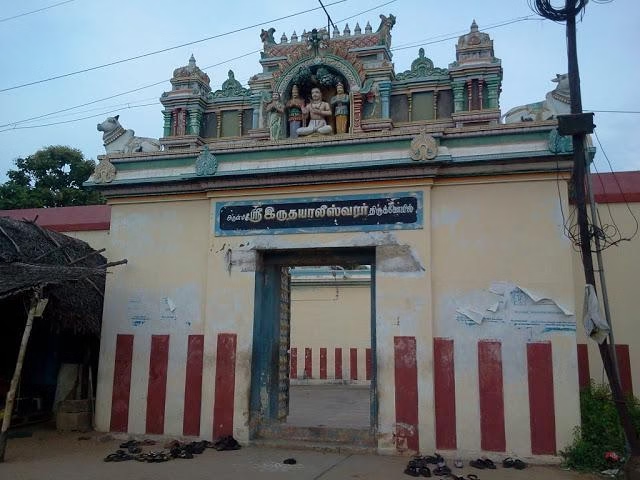
Located in the serene village of Thiruninravur, approximately 35 km from Chennai, the Hridayaleeswarar Temple stands as a timeless monument to devotion. Dedicated to Lord Shiva, known here as Hridayaleeswarar (the Lord of the Heart) or Manavaleswarar, this ancient shrine is a beacon of spiritual healing. The presiding deity is a Swayambhu (self-manifested) Lingam, radiating an aura of profound tranquility. The consort, Mother Maragathambigai (Goddess Parvati in emerald hue), graces the temple alongside him.

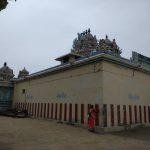
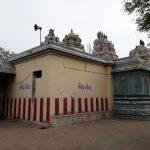
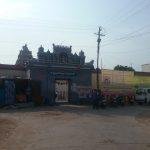
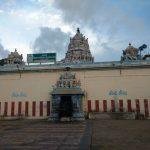
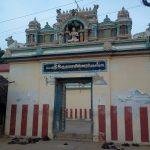
The spiritual significance of this temple is encapsulated in its Phalaśruti (benefits of worship). It is renowned as a powerful center for healing cardiac ailments. Devotees believe that worshipping Hridayaleeswarar on Mondays cleanses ancestral karma related to health and grants longevity. The temple is famously associated with the 7th-century saint Poosalar Nayanar, whose story of building a temple in his heart serves as the ultimate testament to the power of Bhakti (devotion).
Historical Origins & Scriptural Legend
According to temple records, the shrine dates back to the 7th Century CE, constructed under the patronage of the Pallava dynasty, specifically attributed to King Rajasimha. The architecture bears the hallmark of early Dravidian style, showcasing the transition from rock-cut cave temples to structural grandeur.
The Legend of Poosalar:
The Sthala Purana narrates the story of a devout Brahmin named Poosalar. Having no funds to build a physical temple, he meditated under an Iluppai tree and mentally constructed a magnificent temple for Lord Shiva, brick by brick, in his heart. He fixed a date for the Kumbhabhishekam (consecration). During this period, King Rajasimha of Kanchipuram was building the famous Kailasanathar Temple. In a divine dream, Lord Shiva informed the king that He could not attend the Kanchi consecration because He had to be present for the ceremony of Poosalar in Thiruninravur.
Surprised, the king traveled to Thiruninravur to find this temple. He discovered Poosalar meditating. When Poosalar revealed the temple built in his heart, the king could miraculously see the divine structure. Amazed by this supreme devotion, the king physically constructed the temple on the spot Poosalar envisioned, merging the spiritual and the material. Hence, the temple is called Manakkoil (Temple of the Mind).
Architectural Marvels
The temple is a classic example of Dravidian Architecture rooted in Vastu Shastra. It features a modest yet spiritually potent layout:
- Shikhara (Vimana): The roof over the sanctum sanctorum is built in the early Pallava style, adorned with intricate carvings that have withstood centuries.
- Mandapas: The pillared hall leading to the sanctum features sculptures depicting various forms of Shiva and scenes from Puranic lore.
- Prakaram: The inner precincts enclose the shrines for Narthana Vinayagar (Ganesha) and Murugan with his consorts.
- Unique Features: The temple is oriented to align with solar movements, allowing sunlight to fall directly on the deity during specific equinoxes, symbolizing the union of the sun (Shiva) and the mind (Manavaleswarar).
Darshan & Ritual Logistics (2026 Update)
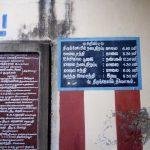
Visitors are encouraged to plan their visit around the daily rituals to experience the vibrancy of the temple. The current timings are consistent, but it is advisable to call ahead on major festival days.
| Session | Timing | Activity |
|---|---|---|
| Morning | 06:00 AM – 12:30 PM | Ganapathy Homam, Abhishekam, Archana |
| Afternoon | 12:30 PM – 04:00 PM | Closed (Deity Rest) |
| Evening | 04:00 PM – 08:30 PM | Deeparadhana, Pooja, Lingodbhavam |
Key Sevas & Online Booking:
While physical tickets are available at the counter, the Tamil Nadu Hindu Religious and Charitable Endowments (HR&CE) department manages online seva booking for major festivals. Sevas include:
- Abhishekam: Performed daily at 8:00 AM and 6:00 PM.
- Archana: Can be performed for specific intentions (health, prosperity).
- Vastram (Clothing Offerings): Commonly offered to the Lord on Mondays.
2026 Festival Dates:
- Mahashivratri: February 26, 2026
- Panguni Uthiram: March 20 – 22, 2026
- Vaikasi Visakam: June 1, 2026
- Arudra Darshan: January 6, 2026 (Margazhi season)
- Pradosham: Occurring twice monthly; highly auspicious here.
Practical Visitor Guidance
Dress Code & Conduct: Traditional attire is recommended. Men should wear dhotis or pants with shirts; women should wear sarees or salwar kameez. The temple maintains a serene atmosphere; electronic devices should be silenced.
Photography & Lockers: Photography inside the sanctum is strictly prohibited to preserve the sanctity of the deity. Mobile lockers are available near the entrance for storing shoes and electronics, though availability is limited on weekends.
Accessibility: The temple has gravel pathways. It is partially accessible for wheelchairs, but assistance may be needed for the inner sanctum steps.
Crowd Management:
- Best Time: Tuesday and Fridays are quieter. Mornings between 7 AM and 9 AM offer a peaceful darshan.
- Peak Hours: Monday evenings and festival evenings see heavy crowds.
- Seasonal Advice: May is hot; carry water and a head covering. The Margazhi season (Dec-Jan) is pleasant and culturally rich.
Pilgrimage Connectivity
How to Reach:
The Hridayaleeswarar Temple is located in Thiruninravur, easily accessible from Chennai.
- By Road: Located on the Chennai-Arakkonam road (NH205A/Chennai–Tiruvallur High Rd). From Chennai, take the Padi route, cross Pattabiram, and enter Thiruninravur. Look for the railway overbridge and take a right.
- By Rail: Thiruninravur Railway Station is on the Chennai Central–Arakkonam suburban line. It is approximately 1.5 km from the temple (5 mins by auto-rickshaw). All EMU trains from Chennai Central/Beach halt here.
- By Air: Chennai International Airport (MAA) is roughly 33 km away (approx. 1 hour drive via Poonamallee).
Nearby Sacred Sites (Pilgrimage Circuit):
Extend your spiritual journey by visiting these nearby landmarks:
- Bhaktavatsala Perumal Temple (Thiruninravur): Located just 350 meters away. A Divya Desam temple dedicated to Lord Vishnu, making this a rare hub of both Vaishnava and Shaiva worship.
- Thirumazhisai Divya Desam: Located 10 km away, famous for the Azhwar saint Thirumazhisai Alwar.
- Thiruvallur Veeraraghava Swamy Temple: About 18 km away, dedicated to the healing aspect of Vishnu (often visited for health remedies).
Frequently Asked Questions (FAQs)
1. Is there a VIP or Special Darshan entry available?
Yes, the temple offers a paid entry system for darshan, usually Rs. 20-50 per person, which allows you to bypass the general queue. However, during peak festivals like Mahashivratri, this is also crowded, and advanced booking via the HR&CE portal is suggested.
2. What is the significance of visiting on Mondays?
Monday is the day dedicated to Lord Shiva. For Hridayaleeswarar, specifically, visiting on Mondays is believed to cleanse the devotee of Rahu-Ketu dosham and cardiac-related karmic blockages. Many cardiologists in Chennai visit this temple before performing major surgeries.
3. Can we book Archana and Abhishekam online?
Yes. The Tamil Nadu HR&CE department has digitized most bookings. Visit the official Tamil Nadu temple portal or the dedicated page for Hridayaleeswarar Temple to book specific Sevas in advance to avoid waiting times.
4. Is food available at the temple?
While the temple does not run a large-scale dining hall, prasadam is distributed during noon and evening. For full meals, the Sri Bhaktavatsala Perumal temple nearby (within walking distance) serves meals. Alternatively, restaurants are available in the Thiruninravur main market area.
5. Where is the nearest ATM and pharmacy?
ATMs and medical shops are available on the main Thiruninravur street, about 1 km from the temple. It is advisable to carry cash as digital payments may not be accepted at smaller stalls.
Original Source: https://tamilnadu-favtourism.blogspot.com/2018/05/hridayaleeswarar-temple-thiruninravur-thiruvallur.html
Recent Posts

Shri Kaamkoteeshwar Mandir, Varanasi – History & Significance
In the heart of Kashi, the eternal city of Lord Shiva, where the Ganges flows with celestial grace, stands the Shri Kaamkoteeshwar Mandir. This sacred Sannidhi is not merely a temple but a profound spiritual bridge between the Northern…

ओ सांवरे तूने ही मुझको संभाला – Lyrics & Meaning
ओ सांवरे तूने ही मुझको संभाला – A Prayer to Shyam Origin & Spiritual Essence Why This Bhajan Resonates Devotees chant this when overwhelmed by life’s storms—the refrain ‘तूने ही मुझको संभाला’ is the soul’s sigh of relief: “You…

कथा ये है महाराज मेरे की – Lyrics & Meaning
कथा ये है महाराज मेरे की छत्रपति संभाजी महाराज – A Prayer to Chhatrapati Sambhaji Maharaj Origin & Spiritual Essence Why This Bhajan Resonates Devotees chant this when their spirit feels tested—its powerful refrain “महाराज मेरे” is a soul’s…

Rigveda Samhita Yathartha Anuvada (ऋग्वेद संहिता यथार्थ अनुवाद) – Complete Set with Anvayartha & Hindi/English Translation
The Rigveda is the oldest surviving scripture of humanity and the foundational text of Sanātana Dharma. For serious students, scholars, UPSC aspirants studying ancient Indian history, Sanskrit learners, and spiritual seekers, a precise and grammatically structured translation is indispensable.…

आना भी अकेला है जाना भी अकेला है – Lyrics & Meaning | BharatTemples
आना भी अकेला है जाना भी अकेला है – A Prayer to the Divine Witness Origin & Spiritual Essence Why This Bhajan Resonates Devotees turn to this bhajan in moments of deep reflection—when life’s attachments begin to ache. The…

माता शेरावाली के द्वार जो भी जाता है – Lyrics & Meaning
माता शेरावाली के द्वार जो भी जाता है – A Prayer to Maa Sherawali Origin & Spiritual Essence Why This Bhajan Resonates Devotees turn to this bhajan in times of fear or uncertainty—its promise that no one leaves Maa’s…

मार लेना सपणी उबार लेणा भवरा – Lyrics & Meaning
मार लेना सपणी उबार लेणा भवरा – A Prayer to the Divine Beloved Origin & Spiritual Essence Why This Bhajan Resonates Devotees chant this in moments of deep vulnerability—its cry of “मार लेना सपणी, उबार लेणा भवरा” is the…

हमें श्याम सुंदर भरोसा तुम्हारा – Lyrics & Meaning
हमें श्याम सुंदर भरोसा तुम्हारा – A Prayer to Shyam Sundar Origin & Spiritual Essence Why This Bhajan Resonates Devotees chant this when feeling alone—its refrain ‘de do sahara’ is the soul’s cry for divine support. Lyrics in Hindi…

Mere Satguru Ne Di Thi Davai Lyrics in Hindi & Meaning
Mere Satguru Ne Di Thi Davai: Invoking the Guru’s Liberating Wisdom This soul-stirring bhajan venerates the Satguru (True Spiritual Master) as the divine physician who dispenses the only remedy for life’s deepest sufferings. Composed by Sant Karmaveer Tufani, it…

Janm Diyo Thari Maa Dukh Dekhiyo Lyrics in Hindi & Meaning
जन्म दियो थारी माँ दुख देखियो (Maa’s Grief Upon Birthing You) This soul-stirring Chetavani Bhajan (admonitory hymn) is addressed to the Divine Mother (Maa) – a call for repentance when children forget their filial duties in the dark age…