
Contents
Introduction & Spiritual Essence
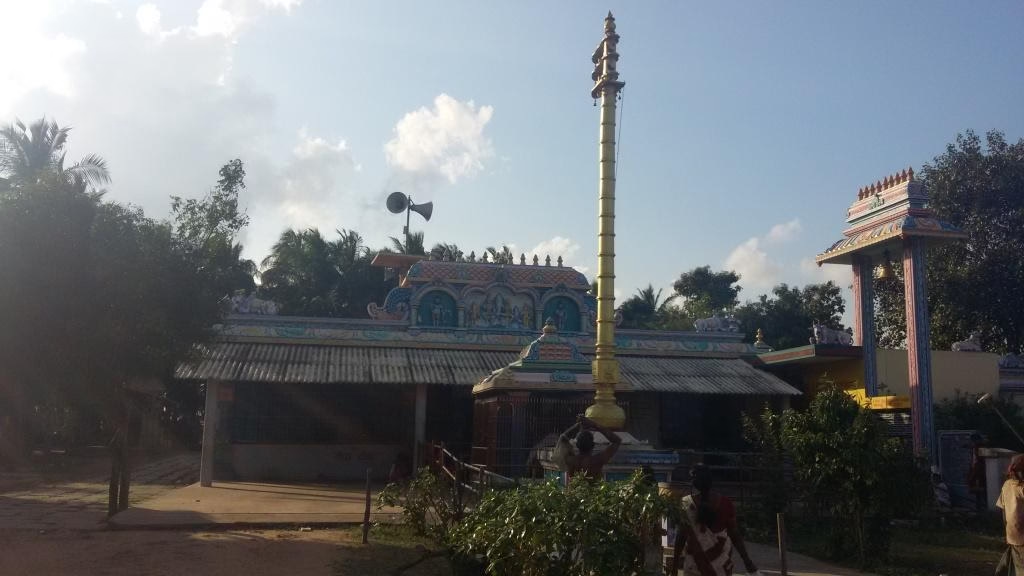
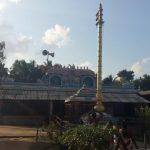
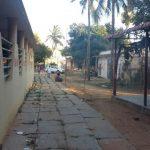
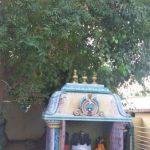
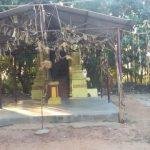
In the serene village of Alamathi, nestled in the Thiruvallur district of Tamil Nadu, stands the ancient Alarmatheeswarar Temple. This sacred shrine is dedicated to Lord Shiva, worshipped here as Alarmatheeswarar (the Lord of the Cactus or Thorn Forest), representing the element of Fire. The presiding deity is a Swayambhu (self-manifested) Lingam, radiating a profound spiritual energy that has drawn devotees for centuries.
Here, Goddess Mangalambika (the auspicious mother) graces the devotees from a separate sanctum. The temple is renowned for its Phalaśruti (spiritual benefits): devotees believe that offering sincere prayers here helps overcome obstacles caused by negative planetary alignments and grants mental clarity. It is particularly potent for those seeking relief from the ill effects of Angaraka (Mars) and for healing chronic health ailments.
Historical Origins & Scriptural Legend
Scriptural Context: While the temple’s precise construction era is deeply rooted in local history, its significance is derived from the Shiva Purana and regional Sthala Purana (local legends). According to temple records and oral tradition, this region was once a dense, thorny forest inhabited by sages.
The Legend of Fire: Tradition holds that two celestial beings, engaged in a prolonged dispute over supremacy, sought the blessings of Lord Shiva. As the dispute intensified, the Lord manifested here to quell their ego. The dense forest of cactus (Alarka) surrounding the area signified the toughness of the problem, and the Lord’s radiant form symbolized the fire of knowledge that destroys ignorance.
Architectural Provenance: The temple reflects the architectural patronage of the Vijayanagara and later Nayak dynasties (circa 15th–17th centuries), evident in the expansive mandapas and the intricate pillars. Significant renovations have preserved the sanctity of the structure while maintaining its Dravidian roots.
Architectural Marvels
The Alarmatheeswarar Temple is a classic example of Dravidian Architecture. The structure is designed according to Vastu Shastra, aligning the sanctum sanctorum with the cardinal directions to harness cosmic energies.
Key Features:
- Sanctum (Vimana): The inner sanctum houses the Swayambhu Lingam, topped by a Vimana (tower) featuring Tier 3 (Tridendhal) design, typical of Nayak-era construction.
- Mandapas: The temple features a hundred-pillared mandapa, a hallmark of Vijayanagara architecture, often used for conducting Vedic rituals and music performances.
- Sculptures: The exterior walls and pillars depict carvings of deities like Durga, Ganesha, and Nandi (the sacred bull), alongside mythological narratives from the Puranas.
The temple complex is currently maintained by the Hindu Religious and Charitable Endowments (HR&CE) Department of Tamil Nadu, ensuring the preservation of its heritage status.
Darshan & Ritual Logistics
Visitors are encouraged to participate in the daily rituals to experience the full spiritual potency of the temple.
Daily Timings
Timings are based on the standard schedule for 2026. It is advisable to verify local announcements before visiting.
| Session | Timings |
|---|---|
| Morning Darshan | 06:00 AM – 12:00 PM |
| Afternoon Break | 12:00 PM – 04:30 PM |
| Evening Darshan | 04:30 PM – 08:00 PM |
Key Sevas and Online Booking
Devotees can book specific rituals to invoke blessings:
- Abhishekam (Ritual Bathing): Performed on behalf of the devotee with milk, honey, and sandalwood paste.
- Archana (Offering of Leaves): A personal offering of Bilva leaves to the deity.
- Kaala Sandhi Puja: The midday offering, particularly significant for planetary dosha remedies.
Booking Method: For the year 2026, all Sevas can be booked via the official Tamil Nadu HR&CE portal (tnce.gov.in). Select “Alarmatheeswarar Temple, Alamathi” from the dropdown menu to view real-time availability.
2026 Festival Calendar
Plan your visit around these major celebrations:
- Pradosham: Occurring twice monthly (13th and 28th of every month).
- Shivaratri (Feb 26, 2026): The most auspicious night, marked by all-night vigil and special Abhishekam.
- Karthigai Deepam (Nov 15, 2026): A festival of lights celebrating the manifestation of Agni.
- Aadi Perukku (Aug 01, 2026): Special rituals performed near the temple tank.
Practical Visitor Guidance
To ensure a hassle-free and respectful Darshan experience, please adhere to the following guidelines:
- Dress Code: Traditional Indian attire is mandatory for entry into the inner sanctum. Men should wear dhotis or trousers with a shirt; women should wear sarees, salwar kameez, or long skirts.
- Photography: Photography is strictly prohibited inside the inner sanctum (Garbhagriha). It is generally permitted in the outer prakaram (corridors) and mandapas, subject to current temple regulations.
- Mobile Lockers: Visitors must deposit mobile phones and electronic devices at the designated counter near the entrance before entering the temple. This is to maintain a silent, devotional atmosphere.
- Accessibility: The temple complex has stone steps leading to the main entrance, which may be challenging for those with mobility issues. The inner sanctum is not wheelchair accessible.
- Crowd Management: Tuesdays and Fridays see higher footfall. For a serene Darshan, visit between 8:00 AM and 10:00 AM on weekdays. During summer (May), carry a water bottle and wear head coverings, as the open courtyards can be hot.
Pilgrimage Connectivity
Alamathi is well-connected by road and rail, making it accessible for pilgrims from Chennai and surrounding districts.
How to Reach
- By Air: Chennai International Airport (MAA) is the nearest airport, located approximately 36 km away. Taxis and App-based cabs are readily available.
- By Rail: The nearest major railway station is Chennai Central (24 km). Alternatively, Tirumullaivayil Railway Station is 16 km away. From there, local auto-rickshaws provide connectivity to the temple.
- By Road:
- NH 77: Connects Chennai to Thiruvallur via Alamathi.
- Redhills Connection: Approximately 8 km from Redhills bus stand.
- Bus Route: Buses heading towards Padiyanallur from Redhills or Puzhal will stop at the Alamathi Eswaran Temple Bus Stop.
Nearby Sacred Sites
Enhance your pilgrimage by visiting these nearby temples:
- Sri Sundarapandiapuram Dandayudhapani Temple: Located approximately 8 km away, this temple is dedicated to Lord Murugan and features unique Rajagopuram.
- Kailasanathar Temple, Thamaraipakkam: An ancient Shiva temple located 13 km from Alamathi, famous for its tank and Nataraja sculptures.
- Sri Neelakandeswarar Temple (Padiyanallur): A historic Shiva temple 6 km away, known for its intricate frescoes.
Frequently Asked Questions (FAQs)
1. Is there a VIP Darshan entry available?
Yes, the temple authorities offer a “Special Darshan” category for senior citizens and physically challenged devotees. Generally, there is no paid VIP entry, but donating to the temple’s renovation fund (Hundi) is encouraged for blessings.
2. Can I bring my own Prasad (food offering)?
While the temple does not strictly forbid bringing personal Prasad for the deity, it is recommended to consult the temple priest (Gurukal) before offering it. However, food prepared inside the temple kitchen (Anna Dhana) is the standard offering for distribution.
3. Is there accommodation available nearby?
The temple itself does not have a guest house. However, plenty of lodges and guest houses are available in Redhills (8 km) and Chennai (24 km). For a spiritual stay, devotees often visit the larger guest houses in Periyapalayam (24 km).
4. What is the significance of the name “Alarmatheeswarar”?
The name combines “Alar” (Thorn/Cactus) and “Madhi” (Intellect). It signifies the Lord who grants the wisdom to overcome the thorny difficulties of life and removes mental confusion.
5. Are pets allowed inside the temple?
No, animals and pets are generally not permitted inside the temple complex to maintain hygiene and sanctity, with the exception of assistance dogs.

Recent Posts

Shri Kaamkoteeshwar Mandir, Varanasi – History & Significance
In the heart of Kashi, the eternal city of Lord Shiva, where the Ganges flows with celestial grace, stands the Shri Kaamkoteeshwar Mandir. This sacred Sannidhi is not merely a temple but a profound spiritual bridge between the Northern…

ओ सांवरे तूने ही मुझको संभाला – Lyrics & Meaning
ओ सांवरे तूने ही मुझको संभाला – A Prayer to Shyam Origin & Spiritual Essence Why This Bhajan Resonates Devotees chant this when overwhelmed by life’s storms—the refrain ‘तूने ही मुझको संभाला’ is the soul’s sigh of relief: “You…

कथा ये है महाराज मेरे की – Lyrics & Meaning
कथा ये है महाराज मेरे की छत्रपति संभाजी महाराज – A Prayer to Chhatrapati Sambhaji Maharaj Origin & Spiritual Essence Why This Bhajan Resonates Devotees chant this when their spirit feels tested—its powerful refrain “महाराज मेरे” is a soul’s…

Rigveda Samhita Yathartha Anuvada (ऋग्वेद संहिता यथार्थ अनुवाद) – Complete Set with Anvayartha & Hindi/English Translation
The Rigveda is the oldest surviving scripture of humanity and the foundational text of Sanātana Dharma. For serious students, scholars, UPSC aspirants studying ancient Indian history, Sanskrit learners, and spiritual seekers, a precise and grammatically structured translation is indispensable.…

आना भी अकेला है जाना भी अकेला है – Lyrics & Meaning | BharatTemples
आना भी अकेला है जाना भी अकेला है – A Prayer to the Divine Witness Origin & Spiritual Essence Why This Bhajan Resonates Devotees turn to this bhajan in moments of deep reflection—when life’s attachments begin to ache. The…

माता शेरावाली के द्वार जो भी जाता है – Lyrics & Meaning
माता शेरावाली के द्वार जो भी जाता है – A Prayer to Maa Sherawali Origin & Spiritual Essence Why This Bhajan Resonates Devotees turn to this bhajan in times of fear or uncertainty—its promise that no one leaves Maa’s…

मार लेना सपणी उबार लेणा भवरा – Lyrics & Meaning
मार लेना सपणी उबार लेणा भवरा – A Prayer to the Divine Beloved Origin & Spiritual Essence Why This Bhajan Resonates Devotees chant this in moments of deep vulnerability—its cry of “मार लेना सपणी, उबार लेणा भवरा” is the…

हमें श्याम सुंदर भरोसा तुम्हारा – Lyrics & Meaning
हमें श्याम सुंदर भरोसा तुम्हारा – A Prayer to Shyam Sundar Origin & Spiritual Essence Why This Bhajan Resonates Devotees chant this when feeling alone—its refrain ‘de do sahara’ is the soul’s cry for divine support. Lyrics in Hindi…

Mere Satguru Ne Di Thi Davai Lyrics in Hindi & Meaning
Mere Satguru Ne Di Thi Davai: Invoking the Guru’s Liberating Wisdom This soul-stirring bhajan venerates the Satguru (True Spiritual Master) as the divine physician who dispenses the only remedy for life’s deepest sufferings. Composed by Sant Karmaveer Tufani, it…

Janm Diyo Thari Maa Dukh Dekhiyo Lyrics in Hindi & Meaning
जन्म दियो थारी माँ दुख देखियो (Maa’s Grief Upon Birthing You) This soul-stirring Chetavani Bhajan (admonitory hymn) is addressed to the Divine Mother (Maa) – a call for repentance when children forget their filial duties in the dark age…