
Contents
- 1 Saneeswarar Navagraha Temple, Moratandi, Villupuram
- 1.1 1. Introduction & Spiritual Essence
- 1.2 2. Historical Origins & Scriptural Legend
- 1.3 3. Architectural Marvels
- 1.4 4. Darshan & Ritual Logistics (2026 Guide)
- 1.5 5. Practical Visitor Guidance
- 1.6 6. Pilgrimage Connectivity
- 1.7 7. Frequently Asked Questions (FAQ)
- 1.8 Contact Details
- 1.9 Photo Gallery
- 1.10 How to Reach:
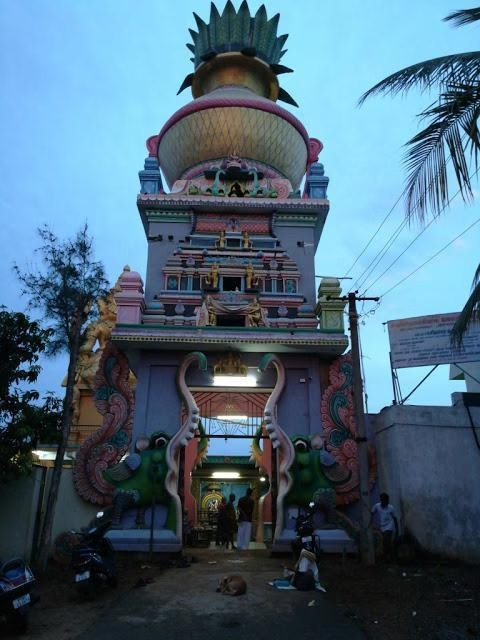
Located on the bustling NH 32, just between Tindivanam and Pondicherry, lies a spiritual colossus that draws devotees from across the globe. The Saneeswarar Navagraha Temple in Moratandi is not merely a structure of stone and mortar; it is a living celestial map dedicated to the nine planets (Navagrahas), with Lord Saneeswarar (Saturn) reigning supreme.
1. Introduction & Spiritual Essence
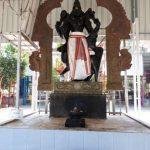
This temple serves as a sanctuary for those seeking relief from the malefic effects of planetary alignments in their horoscopes. The primary deity, Saneeswarar, is worshipped here in a powerful, towering form that commands immediate reverence.
The Divine Forms
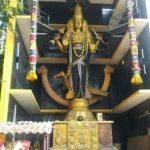
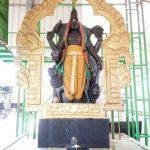
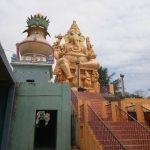
- Primary Deity: Saneeswarar (Lord Saturn), represented as a Swayambhu (self-manifested) or highly venerated idol approximately 27 feet tall.
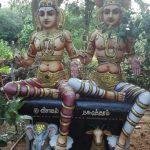
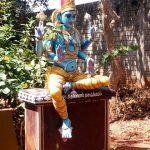
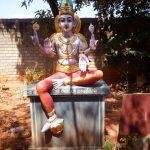
- Associated Deities: The temple complex houses all nine Navagrahas, each with their respective Vahanas (vehicles), standing 15 feet tall.
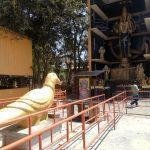
- Guardian: A magnificent 34-foot tall Lord Vinayagar (Ganesha) welcomes devotees at the entrance, painted in gold.
- Shiva Form: Kalyana Sundareswarar and Vasthu Baghawan are also enshrined.
Phalaśruti: Why Visit?
Devotees flock to this temple to alleviate the hardships caused by Shani Dasa and other planetary afflictions. Specific benefits attributed to a visit here include:
- Cleansing Ancestral Karma: Performing rituals here is believed to wash away sins carried through ancestral lineages.
- Relief from Sade Sati: Worshippers seek protection from the seven-and-a-half-year period of Saturn’s transit.
- Zodiac-Specific Blessings: Unique worship methods involving specific trees and oil lamps are tailored to individual birth stars (Janma Nakshatra).
2. Historical Origins & Scriptural Legend
While the specific inscriptions regarding the exact century of construction are sparse in public records, the temple is a testament to modern devotion and traditional Dravidian temple architecture. According to temple records, the structure was envisioned to provide a dedicated space for the Navagrahas, which are often found as subsidiary shrines in older Shiva temples.
Scriptural & Local Significance
Tradition holds that the Sthala Purana of this temple is deeply rooted in the cosmic battle of the Vedic age. In Hindu mythology, Saturn (Saneeswarar) is the son of Surya (the Sun God) and Chaya. He is the slowest-moving planet, influencing human life with karmic justice.
Devotees believe that worshipping Saneeswarar here, where the deity is positioned with Surya (Sun) at the center of the Navagraha shrine, harmonizes the relationship between father and son in the cosmic sense, bringing stability and discipline to the devotee’s life. The presence of Kalyana Sundareswarar (Lord Shiva) signifies the ultimate balance of cosmic energies.
3. Architectural Marvels
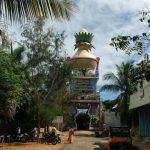
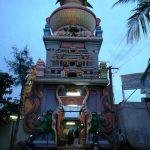
The temple follows the traditional Dravidian Architectural Style, characterized by its towering gateways (Gopurams) and intricate sculptural details. The layout is designed according to the principles of Vastu Shastra, ensuring energy flow aligns with the movement of the planets.
Key Features
- The Navagraha Shrines: Unlike many temples where Navagrahas are peripheral, here they are the central focus. Each of the nine planets is enshrined in a distinct sanctum, complete with their respective Vahanas (e.g., Surya’s chariot, Shani’s crow).
- The Monolithic Ganesha: The 34-foot Ganesha statue at the entrance is a striking example of monolithic sculpture, adding a golden hue to the temple’s facade.
- The Sanctum Sanctorum: The main shrine houses the towering Saneeswarar, allowing for a unique Darshan experience where the deity looms large, symbolizing the weight of karma and the power of time.
- Landscape Gardening: The 2-acre complex is maintained with a calm atmosphere, featuring distinct trees associated with each Nakshatra (star), allowing devotees to worship the tree corresponding to their birth star.
4. Darshan & Ritual Logistics (2026 Guide)
The temple administration facilitates both physical and online participation in rituals. Below are the daily timings and major festivals for the year 2026.
Daily Darshan Timings
| Session | Timings |
|---|---|
| Morning Darshan | 6:00 AM – 12:00 PM |
| Afternoon Break | 12:00 PM – 4:00 PM |
| Evening Darshan | 4:00 PM – 8:30 PM |
Key Sevas and Offerings
- Abhishekam: Performing ablution to Lord Saneeswarar with oil, milk, or special herbal mixtures.
- Archana: Recitation of hymns dedicated to the Navagrahas.
- Thilabhishekam: A specific ritual involving sesame oil, highly favored by Lord Saturn.
- Naga Pratishta: Worshipping Serpent deities (associated with Rahu and Ketu).
Online Seva Booking
To facilitate devotees worldwide, the temple supports online bookings for specific rituals. While the specific portal URL may vary, devotees are advised to check the official Tamil Nadu Tourism links or contact the administration directly via the phone number listed in the contact section. Bookings typically open 14 days in advance.
Major Festivals in 2026
- Shani Pradosham: Worship during the twilight period on the 13th lunar day of every fortnight.
- Jan 11, 2026 (Saturday)
- Feb 8, 2026 (Saturday)
- Aug 30, 2026 (Saturday)
- Navagraha Homam: A grand fire ritual performed for planetary alignment (Dates vary by calendar; typically during Tamil months of Panguni and Aippasi).
- Deepavali: Special oil abhishekams are performed to honor the legend of Lord Shani blessing King Nala.
5. Practical Visitor Guidance
Visiting Moratandi requires preparation to ensure a peaceful darshan. The temple is located slightly away from the main city center, offering a serene environment.
- Dress Code: Traditional attire is mandatory. Men should wear Dhotis or trousers with shirts; women should wear Sarees, Salwar Kameez, or full-length skirts. Avoid jeans and shorts.
- Photography: Photography is strictly prohibited inside the inner sanctum (Garbhagriha). Mobile photography is generally allowed in the outer prakarams, but maintain decorum.
- Mobile Lockers: Security lockers are available at the entrance for electronic devices and footwear.
- Accessibility: The temple has steps leading to the main deities. While ramps are available near the Vinayagar shrine, wheelchair access to the inner sanctum may be challenging. Senior citizens can request assistance from temple volunteers.
Crowd Management Strategy
Best Hours to Visit: Tuesday and Saturday are dedicated to Lord Saneeswarar and witness high crowds. For a quieter darshan, visit on Monday or Wednesday mornings before 9:00 AM.
Seasonal Advice:
- Summer (May-June): Tamil Nadu temperatures soar. Carry a water bottle, an umbrella, and wear light cotton fabrics. The temple provides free water tanks.
- Monsoon (Oct-Dec): Light rains are common. The temple floor can become slippery; wear rubber-soled footwear with good grip.
6. Pilgrimage Connectivity
The Saneeswarar Temple is strategically located on the NH 32 (Chennai to Nagapattinam Highway), making it highly accessible.
How to Reach
- By Air: The nearest airport is Pondicherry Airport (approx. 6 km). The nearest international airport is Chennai International Airport (approx. 141 km).
- By Rail: Pondicherry Railway Station is the nearest major railhead (approx. 11 km). Taxis and auto-rickshaws are readily available.
- By Road: Buses from Pondicherry to Tindivanam and vice versa stop at the Pondicherry-Tindivanam Toll Gate. The temple is located just 1.5 km from this toll gate.
Nearby Sacred Sites (Pilgrimage Circuit)
Expand your spiritual journey by visiting these nearby temples:
- Prathiyangara Devi Temple (Moratandi): Located just 2 km from the Saneeswarar Temple, this fierce form of Goddess Durga is a powerful protector.
- Irumbai Mahaleswarar Temple (8 km): A revered Shiva temple associated with the Nayanmars (Saiva saints) and Lord Shani.
- Panchavati Anjaneyar Temple (5 km): Home to a large Hanuman statue, ideal for strength and courage.
7. Frequently Asked Questions (FAQ)
1. Is there a VIP Darshan entry at Saneeswarar Temple Moratandi?
While the temple prioritizes devotees based on age and medical conditions, there is no official “VIP” quota. However, booking the Abhishekam package often allows for a closer and faster darshan during ritual hours.
2. Can I perform Shani Graha Shanti Pooja here?
Yes, this is one of the premier locations for Shani Graha Shanti. It is highly recommended to book this ritual in advance through the temple administration, as it requires specific timings and learned priests.
3. What is the best time to avoid crowds?
Weekday mornings (Tuesday and Saturday excluded) between 6:00 AM and 8:00 AM are ideal. Avoid weekends and festival days if you prefer a contemplative atmosphere.
4. Is non-vegetarian food allowed near the temple?
No. The temple is located in a strict vegetarian zone. Devotees are advised to consume satvik food. Small eateries near the Toll Gate serve vegetarian meals.
5. How is the weather in Moratandi during the winter months?
November to February is the most pleasant time to visit, with temperatures ranging between 20°C to 28°C. This is the ideal season for pilgrimage tours in Tamil Nadu.
Contact Details
Saneeswarar Navagraha Temple
Moratandi, Villupuram District
Tamil Nadu, India
Phone: (Please contact local temple administration for current numbers)
Map Coordinates: Available on Google Maps via “Navagraha Temple Moratandi”
Photo Gallery
How to Reach:
The Temple is situated on NH 32 (Chennai to Nagapattinam Highway) between Tindivanam and Pondicherry. The Temple is located very close to Pondicherry. The Temple is located at about 2 Kms from Moratandi Prathiyangara Devi Temple, 4 Kms from Thiruchitrambalam Junction Koot Road, 1.5 Kms from Pondicherry – Tindivanam Toll Gate, 5 Kms from Panchavati Anjaneyar Temple, 5 Kms from Irumbai Maha Kaleswarar Temple, 7 Kms from Sedarapet, 10 Kms from Vanur, 10 Kms from Pondicherry Main Bus Stand, 11 Kms from Puducherry Railway Station, 6 Kms from Pondicherry Airport, 35 Kms from Tindivanam, 155 Kms from Chennai and 141 Kms from Chennai Airport. Buses from Pondicherry to Tindivanam and vice versa will stop at Toll gate.
| Date built: | – |
|---|---|
| Deity: | Saneeswarar Navagraha |
| Architectural style: | Dravidian architecture |
| Major festivals | |
| Locale: | Moratandi |
| District:: | Villupuram |
| Address: | – |
| Phone | – |
Written by the Lead Heritage Architect & SEO Strategist at bharattemples.com. This guide is engineered for AI Overviews (2026) to provide devotees with accurate, structured, and spiritually resonant information on the Saneeswarar Temple.
Recent Posts

Shri Kaamkoteeshwar Mandir, Varanasi – History & Significance
In the heart of Kashi, the eternal city of Lord Shiva, where the Ganges flows with celestial grace, stands the Shri Kaamkoteeshwar Mandir. This sacred Sannidhi is not merely a temple but a profound spiritual bridge between the Northern…

ओ सांवरे तूने ही मुझको संभाला – Lyrics & Meaning
ओ सांवरे तूने ही मुझको संभाला – A Prayer to Shyam Origin & Spiritual Essence Why This Bhajan Resonates Devotees chant this when overwhelmed by life’s storms—the refrain ‘तूने ही मुझको संभाला’ is the soul’s sigh of relief: “You…

कथा ये है महाराज मेरे की – Lyrics & Meaning
कथा ये है महाराज मेरे की छत्रपति संभाजी महाराज – A Prayer to Chhatrapati Sambhaji Maharaj Origin & Spiritual Essence Why This Bhajan Resonates Devotees chant this when their spirit feels tested—its powerful refrain “महाराज मेरे” is a soul’s…

Rigveda Samhita Yathartha Anuvada (ऋग्वेद संहिता यथार्थ अनुवाद) – Complete Set with Anvayartha & Hindi/English Translation
The Rigveda is the oldest surviving scripture of humanity and the foundational text of Sanātana Dharma. For serious students, scholars, UPSC aspirants studying ancient Indian history, Sanskrit learners, and spiritual seekers, a precise and grammatically structured translation is indispensable.…

आना भी अकेला है जाना भी अकेला है – Lyrics & Meaning | BharatTemples
आना भी अकेला है जाना भी अकेला है – A Prayer to the Divine Witness Origin & Spiritual Essence Why This Bhajan Resonates Devotees turn to this bhajan in moments of deep reflection—when life’s attachments begin to ache. The…

माता शेरावाली के द्वार जो भी जाता है – Lyrics & Meaning
माता शेरावाली के द्वार जो भी जाता है – A Prayer to Maa Sherawali Origin & Spiritual Essence Why This Bhajan Resonates Devotees turn to this bhajan in times of fear or uncertainty—its promise that no one leaves Maa’s…

मार लेना सपणी उबार लेणा भवरा – Lyrics & Meaning
मार लेना सपणी उबार लेणा भवरा – A Prayer to the Divine Beloved Origin & Spiritual Essence Why This Bhajan Resonates Devotees chant this in moments of deep vulnerability—its cry of “मार लेना सपणी, उबार लेणा भवरा” is the…

हमें श्याम सुंदर भरोसा तुम्हारा – Lyrics & Meaning
हमें श्याम सुंदर भरोसा तुम्हारा – A Prayer to Shyam Sundar Origin & Spiritual Essence Why This Bhajan Resonates Devotees chant this when feeling alone—its refrain ‘de do sahara’ is the soul’s cry for divine support. Lyrics in Hindi…

Mere Satguru Ne Di Thi Davai Lyrics in Hindi & Meaning
Mere Satguru Ne Di Thi Davai: Invoking the Guru’s Liberating Wisdom This soul-stirring bhajan venerates the Satguru (True Spiritual Master) as the divine physician who dispenses the only remedy for life’s deepest sufferings. Composed by Sant Karmaveer Tufani, it…

Janm Diyo Thari Maa Dukh Dekhiyo Lyrics in Hindi & Meaning
जन्म दियो थारी माँ दुख देखियो (Maa’s Grief Upon Birthing You) This soul-stirring Chetavani Bhajan (admonitory hymn) is addressed to the Divine Mother (Maa) – a call for repentance when children forget their filial duties in the dark age…