
Contents
- 1 Introduction & Spiritual Essence
- 2 Historical Origins & Scriptural Legend
- 3 Architectural Marvels
- 4 Darshan & Ritual Logistics
- 5 Practical Visitor Guidance
- 6 Pilgrimage Connectivity
- 7 Frequently Asked Questions (FAQs)
- 7.1 1. Is there a VIP or special entry darshan available at Varanapureeswarar Temple?
- 7.2 2. What is the significance of the name ‘Varanapureeswarar’?
- 7.3 3. Are there accommodation facilities near the temple?
- 7.4 4. Can international tourists visit?
- 7.5 5. Is the temple accessible from Samayapuram Temple by foot?
- 8 Photo Gallery
- 9 Contact Details
Introduction & Spiritual Essence
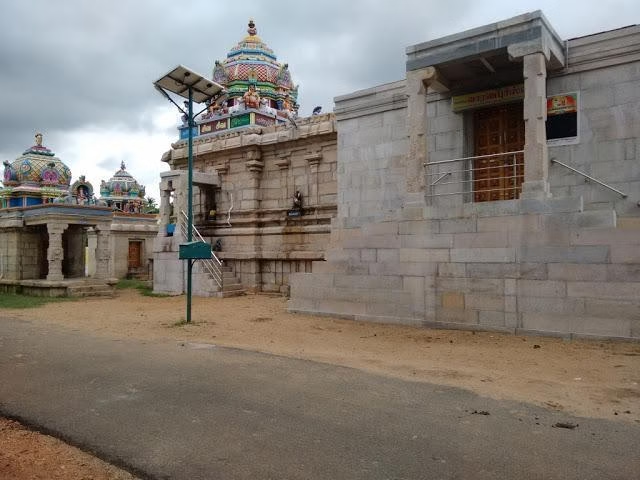
Nestled in the serene village of Panamangalam, just minutes from the bustling holy city of Trichy, the Varanapureeswarar Temple stands as a timeless beacon of Shaivism. This sacred shrine is dedicated to Lord Shiva, worshipped here as Varanapureeswarar (Sanskrit: Varanapuri meaning Kashi/Varanasi, Ishwara meaning Lord). The presiding deity is a Swayambhu Lingam (self-manifested), radiating immense spiritual energy.
The Divine Mother, or Shakti, is revered as Vadivambikai. The temple is known for its powerful ability to bestow mental clarity and prosperity. According to scriptural tradition, this kshetra (temple grounds) is particularly potent for devotees seeking to alleviate pitru dosha (ancestral afflictions) and cleanse negative karma accumulated from past lives.
Historical Origins & Scriptural Legend
According to temple records and architectural analysis, the Varanapureeswarar Temple dates back to the 11th Century CE, constructed during the height of the Chola Dynasty. The stones and pillars exhibit the characteristic workmanship of Chola artisans who were patrons of Shaivism.
The Sthala Purana (Local Legend):
Tradition holds that this temple is a spiritual parallel to the holy city of Kashi (Varanasi). A legend recounts the story of a devout sage who performed intense penance here. Pleased by his austerity, Lord Shiva manifested as a Varanapureeswarar (The Lord of Kashi) to grant Moksha (liberation) to the sage. Devotees believe that offering prayers at this temple carries the same merit as a pilgrimage to the sacred banks of the River Ganges in Varanasi.
Architectural Marvels
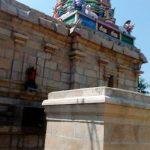
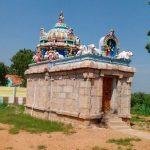
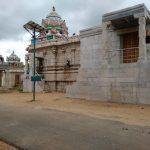
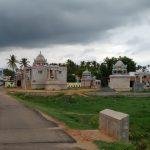
The temple is a textbook example of the Dravidian Style of Architecture, specifically the traditional Madras Style (also known as the Madah style or the distinct Tanjore corridor layout). Unlike the towering Gopurams seen in later Nayak constructions, this temple focuses on the sanctity of the inner sanctum.
Key Architectural Features:
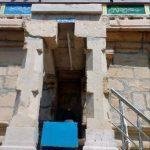
- The Sanctum (Garbhagriha): The inner chamber housing the Swayambhu Lingam is low-ceilinged, designed to amplify the resonance of Vedic chants and bells.
- Pillar Mandapas: The pillared halls feature carved pillars depicting stories from the Puranas. The brackets are adorned with motifs of nature and celestial beings.
- Ancient Inscriptions: Careful observation of the temple walls reveals faint Chola-era inscriptions in Tamil script, documenting land grants and donations made centuries ago.
| Date built: | 11th Century CE (Chola Period) |
|---|---|
| Deity: | Varanapureeswarar (Shiva) / Vadivambikai (Parvati) |
| Architectural style: | Dravidian architecture (Chola/Madras Style) |
| Major festivals | Arudra Darshanam, Maha Shivaratri, Navaratri |
| Locale: | Panamangalam |
| District: | Trichy (Tiruchirappalli) |
| Address: | Panamangalam, Tamil Nadu 621005 |
| Phone: | Available on request from the temple administration office |
Darshan & Ritual Logistics
Experience the divine rhythm of the temple through daily Pujas and Sevas. The atmosphere is serene, allowing for unhurried, meditative Darshan (sacred viewing).
Daily Temple Timings
| Period | Timing |
|---|---|
| Morning Darshan | 6:00 AM – 12:00 PM |
| (Kala Santhi / Ucha Kalam) | 10:00 AM – 11:00 AM |
| Evening Darshan | 4:00 PM – 8:30 PM |
Note: Timings may vary during festival days. It is recommended to arrive 30 minutes before the closing time for a peaceful darshan.
Key Sevas & Online Booking
Devotees can perform various rituals to seek blessings. Assuming the current year is 2026, the following sevas are recommended:
- Abhishekam: Ritual bathing of the Swayambhu Lingam. Performed on Mondays and during Pradosham.
- Archana: Offering flowers and reciting the 108 names of Shiva.
- Kootta Vilakku (Deepa Aradhana): A lamp offering ritual performed at dusk.
Online Seva Booking: While many rural temples in the Trichy district operate primarily on a walk-in basis, the Tamil Nadu HR&CE department is expanding digital services. For 2026, devotees are advised to check the official HR&CE (Hindu Religious and Charitable Endowments) portal or the temple’s local administration desk for current availability of online booking.
Major Festivals in 2026
- January (Margazhi): Arudra Darshanam – Celebrating the cosmic dance of Shiva (Nataraja). This is the most significant festival here.
- February/March: Maha Shivaratri – A night-long vigil with special Abhishekams.
- September/October: Navaratri – Nine nights dedicated to Goddess Vadivambikai.
- March/April: Panguni Uthiram – Dedicated to the celestial marriage of Shiva and Parvati.
Practical Visitor Guidance
To ensure a respectful and seamless visit, please adhere to the following guidelines.
Code of Conduct & Essentials
- Dress Code: Traditional attire is mandatory. Men should wear Veshti (dhoti) or formal trousers with a shirt/shirtless. Women should wear Saree or Salwar Kameez. Synthetic shorts and t-shirts are discouraged.
- Photography: Photography is strictly prohibited inside the Garbhagriha (Sanctum Sanctorum). Mobile phones should be kept silent.
- Accessibility: The temple floor is traditional stone. Senior citizens and those with mobility issues should use the provided seating benches in the Mandapam. Slippers must be left at the designated stand outside the temple.
Crowd Management & Seasons
The temple maintains a peaceful ambiance throughout the year. However, for the most tranquil experience:
- Best Hours: Weekday mornings (7:30 AM – 9:00 AM) or late evenings (6:00 PM – 7:30 PM).
- Seasonal Advice: Trichy can be very hot from April to June. If visiting during these months, carry a water bottle and a head covering (scarf/cap). The monsoon season (October–November) is visually beautiful but carry an umbrella.
Pilgrimage Connectivity
The Varanapureeswarar Temple is ideally situated for a comprehensive spiritual tour of the Trichy region.
How to Reach
- By Air: Trichy International Airport is the nearest airport, located approximately 18 km away.
- By Rail: The nearest railway station is Srirangam Railway Station (approx. 8 km). Trichy Central Junction is about 13 km away.
- By Road: The temple is located on the Trichy – Chennai Highway (NH 122). It is approximately 750 meters from the Palur Bus Stop. Frequent buses connect Trichy (Chathiram Bus Stand) to Palur and Samayapuram.
Nearby Sacred Sites (Pilgrimage Circuit)
Expand your spiritual journey by visiting these nearby landmarks:
- Samayapuram Mariamman Temple: Located just 4 km away. One of the most powerful goddess temples in South India, famous for its unique rituals and herbal sand offerings.
- Srirangam Ranganathaswamy Temple: Approximately 8 km away. A Vaishnava temple dedicated to Lord Vishnu, known as the “Dwaraka of South India.” It is one of the largest functional temple complexes in the world.
- Pichandar Kovil: Located about 2.5 km away. A unique temple dedicated to Lord Vishnu in his manifestation as a protector, associated with the epic Ramayana.
Frequently Asked Questions (FAQs)
1. Is there a VIP or special entry darshan available at Varanapureeswarar Temple?
Unlike large commercialized temples, this ancient Chola temple focuses on a communal spiritual experience. There is usually no separate VIP ticket system. However, during festival days, the temple management may offer priority passes for a nominal donation. It is best to inquire at the counter upon arrival.
2. What is the significance of the name ‘Varanapureeswarar’?
The name signifies a spiritual equivalence to Varanasi (also called Kashi or Varanapuri). Legend states that worshipping here grants the same spiritual benefit (punya) as performing a sacred dip in the Ganges at Varanasi, which is believed to wash away sins and lead to liberation.
3. Are there accommodation facilities near the temple?
The temple premises do not have paid guest rooms (Choultries). However, there are several private lodges and guest houses in Palur and Samayapuram catering to pilgrims. For better amenities, staying in Trichy city is recommended, where options range from budget hotels to 4-star properties.
4. Can international tourists visit?
Yes, all are welcome. While non-Hindus are not permitted inside the inner sanctum of the main deities in many Shaivite and Vaishnavite traditions (as per temple custom), they are welcome to admire the architecture of the outer mandapas and observe the rituals from a respectful distance. Please check local customs before visiting.
5. Is the temple accessible from Samayapuram Temple by foot?
While the distance is short (approx. 4 km), the walk involves a busy highway stretch. It is recommended to take an auto-rickshaw or local bus for safety and comfort.
Photo Gallery

Contact Details
For specific inquiries regarding rituals or donations, please contact the Temple Trustee at the Panamangalam Temple office or the HR&CE office in Trichy.
Official Address: Varanapureeswarar Temple, Panamangalam, Trichy District, Tamil Nadu 621005.
Recent Posts

Shri Kaamkoteeshwar Mandir, Varanasi – History & Significance
In the heart of Kashi, the eternal city of Lord Shiva, where the Ganges flows with celestial grace, stands the Shri Kaamkoteeshwar Mandir. This sacred Sannidhi is not merely a temple but a profound spiritual bridge between the Northern…

ओ सांवरे तूने ही मुझको संभाला – Lyrics & Meaning
ओ सांवरे तूने ही मुझको संभाला – A Prayer to Shyam Origin & Spiritual Essence Why This Bhajan Resonates Devotees chant this when overwhelmed by life’s storms—the refrain ‘तूने ही मुझको संभाला’ is the soul’s sigh of relief: “You…

कथा ये है महाराज मेरे की – Lyrics & Meaning
कथा ये है महाराज मेरे की छत्रपति संभाजी महाराज – A Prayer to Chhatrapati Sambhaji Maharaj Origin & Spiritual Essence Why This Bhajan Resonates Devotees chant this when their spirit feels tested—its powerful refrain “महाराज मेरे” is a soul’s…

Rigveda Samhita Yathartha Anuvada (ऋग्वेद संहिता यथार्थ अनुवाद) – Complete Set with Anvayartha & Hindi/English Translation
The Rigveda is the oldest surviving scripture of humanity and the foundational text of Sanātana Dharma. For serious students, scholars, UPSC aspirants studying ancient Indian history, Sanskrit learners, and spiritual seekers, a precise and grammatically structured translation is indispensable.…

आना भी अकेला है जाना भी अकेला है – Lyrics & Meaning | BharatTemples
आना भी अकेला है जाना भी अकेला है – A Prayer to the Divine Witness Origin & Spiritual Essence Why This Bhajan Resonates Devotees turn to this bhajan in moments of deep reflection—when life’s attachments begin to ache. The…

माता शेरावाली के द्वार जो भी जाता है – Lyrics & Meaning
माता शेरावाली के द्वार जो भी जाता है – A Prayer to Maa Sherawali Origin & Spiritual Essence Why This Bhajan Resonates Devotees turn to this bhajan in times of fear or uncertainty—its promise that no one leaves Maa’s…

मार लेना सपणी उबार लेणा भवरा – Lyrics & Meaning
मार लेना सपणी उबार लेणा भवरा – A Prayer to the Divine Beloved Origin & Spiritual Essence Why This Bhajan Resonates Devotees chant this in moments of deep vulnerability—its cry of “मार लेना सपणी, उबार लेणा भवरा” is the…

हमें श्याम सुंदर भरोसा तुम्हारा – Lyrics & Meaning
हमें श्याम सुंदर भरोसा तुम्हारा – A Prayer to Shyam Sundar Origin & Spiritual Essence Why This Bhajan Resonates Devotees chant this when feeling alone—its refrain ‘de do sahara’ is the soul’s cry for divine support. Lyrics in Hindi…

Mere Satguru Ne Di Thi Davai Lyrics in Hindi & Meaning
Mere Satguru Ne Di Thi Davai: Invoking the Guru’s Liberating Wisdom This soul-stirring bhajan venerates the Satguru (True Spiritual Master) as the divine physician who dispenses the only remedy for life’s deepest sufferings. Composed by Sant Karmaveer Tufani, it…

Janm Diyo Thari Maa Dukh Dekhiyo Lyrics in Hindi & Meaning
जन्म दियो थारी माँ दुख देखियो (Maa’s Grief Upon Birthing You) This soul-stirring Chetavani Bhajan (admonitory hymn) is addressed to the Divine Mother (Maa) – a call for repentance when children forget their filial duties in the dark age…