

Contents
- 1 The Definitive Pilgrimage Guide to Sree Krishna Temple, Minicoy (Maliku)
The Definitive Pilgrimage Guide to Sree Krishna Temple, Minicoy (Maliku)
Welcome to bharattemples.com, your trusted guide to India’s sacred heritage. In this comprehensive guide, we explore the serene Sree Krishna Temple situated in the tranquil islands of Lakshadweep. As the Lead Heritage Architect, I invite you to discover the spiritual essence, architectural nuances, and logistical details necessary for a fulfilling pilgrimage to this unique shrine dedicated to Lord Krishna.
Introduction & Spiritual Essence
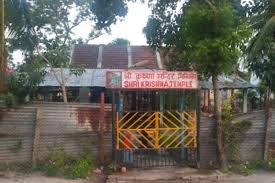
Located in the southernmost atoll of Lakshadweep, Minicoy, the Sree Krishna Temple stands as a beacon of devotion amidst the azure waters of the Arabian Sea. Known locally as Sree Krishnan Temple at Minicoy (SKT MCY), this shrine holds a distinctive place in the spiritual geography of the islands.
Phalaśruti: The Divine Benefits
Devotees visit this temple seeking the blessings of Lord Krishna, specifically worshipped here in the form of Bala Gopalan—the divine cowherd boy. The Phalaśruti (spiritual benefits) of visiting this temple is deeply tied to the deity’s form as a child.
By seeking the grace of Bala Gopalan, devotees believe they are empowered to:
- Overcome Life’s Mysteries: The Bala Gopalan form inspires devotees to solve the mysteries and misery of life, remaining unmindful of its ups and downs.
- Attain Knowledge and Skill: Lord Krishna is the master of Kala (arts) and wisdom. Devotees pray for the acquisition of skills and knowledge.
- Self-Actualization: The ultimate goal of visiting is to awaken the spirit and attain the destiny of self-realization.
- Ancestral Peace: It is believed that prayers offered here bring peace to ancestral souls, a vital aspect of islander traditions.
Historical Origins & Scriptural Legend
While the architecture reflects ancient Dravidian and island styles, the history of the Sree Krishna Temple is interwoven with the cultural fabric of the Maliku (Minicoy) community.
The Builders and the Era
According to temple records and local history, the temple was constructed during the mid-19th century, around the 1840s, under the patronage of the local administration and island chieftains. Unlike mainland temples built by dynasties like the Cholas or Pandyas, this temple was built by the collective will of the islanders, reflecting a community-driven heritage.
Sthala Purana: The Local Legend
Tradition holds that the idol of Sree Krishnan was consecrated to protect the islanders from maritime perils. In the Sthala Purana of Minicoy, it is said that the fishermen and sailors considered Lord Krishna their guardian during long voyages. The Bala Gopalan form represents innocence and protection, essential qualities for a community living in an isolated archipelago.
Architectural Marvels
The Sree Krishna Temple in Minicoy is a visual testament to the syncretic culture of Lakshadweep, blending Dravidian temple architecture with indigenous island aesthetics.
Style and Vastu
The temple follows a traditional Dravidian style of architecture, adapted to the coastal environment. The layout adheres to Vastu Shastra, with the Garbhagriha (sanctum sanctorum) located in the west-central axis, allowing the rising sun to illuminate the entrance during auspicious dawn hours.
Shikhara and Mandapas
While typical mainland temples feature towering Shikharas, the Minicoy temple showcases a distinct pyramidal roof structure characteristic of Kerala and Malabar influences, which is prevalent in Lakshadweep. The Mandapa (hall) is spacious, designed to accommodate large gatherings during Bhajans and festivals. The wooden pillars of the Mandapa are carved with motifs of lotus and conches, symbolizing purity and the divine sound.
The sanctum houses the Bala Gopalan murti (idol), which is relatively small but radiates a profound spiritual energy, typical of Swayambhu (self-manifested) or ancient consecrated idols.
Darshan & Ritual Logistics
Planning your visit requires attention to the temple’s unique schedule, particularly regarding the famous Bhajans and Prasadams.
Daily Timings
| Session | Timing | Activity |
|---|---|---|
| Morning Darshan | 06:00 AM – 12:00 PM | Morning Pooja & General Darshan |
| Afternoon Break | 12:00 PM – 04:00 PM | Sanctum Closed |
| Evening Darshan | 04:00 PM – 08:00 PM | Evening Pooja |
| Weekly Bhajan | Every Thursday (Post 8:00 PM) | Bhajans & Prasad Distribution |
Key Sevas and Online Booking
While many rituals are conducted in person, the temple administration allows devotees to sponsor specific Sevas.
- Abhishekam: Ritual bathing of the deity with milk, honey, and sandalwood paste.
- Archana: Chanting of holy names with offerings of flowers and fruits.
- Bhajans (Thursday): A unique Seva where devotees can sponsor the Bhajans.
- Maha Prasadha Oot: A grand community meal sponsored by devotees, particularly during the Sabarimala season.
Online Booking Note: As of 2026, the temple management committee facilitates Seva bookings via the official Lakshadweep administration portal or through the temple office in Minicoy. It is recommended to book at least 7 days in advance for special occasion sponsorships.
2026 Festival Calendar
The temple follows the traditional Malayalam calendar. Key dates for 2026 include:
- Janmashtami: August 14, 2026 (Grand celebrations with night-long Bhajans).
- Navaratri: September 22 – October 1, 2026 (Special Poojas and cultural programs).
- Christmas & New Year: December 24 – January 1 (Special Prasadam distribution).
- Sabarimala Season: Mid-November to Mid-January (Maha Prasadha Oot is sponsored daily during this period).
Practical Visitor Guidance
Visiting Lakshadweep requires specific permissions and adherence to local customs. Here is what you need to know:
- Dress Code: Traditional attire is mandatory. Men should wear dhotis or lungis (white or colored), and shirts are required. Women should wear sarees, half-sarees, or churidars. Shorts and western wear are strictly prohibited inside the temple premises.
- Photography: Photography is strictly prohibited inside the Sanctum Sanctorum and the inner Mandapa. Mobile phones must be switched off or kept in silent mode.
- Mobile Lockers: Due to the remote nature of the island, digital lockers are not always available. It is advisable to leave valuables at your accommodation or in vehicles.
- Accessibility: The temple ground floor is accessible, but there are steps leading to the Sanctum. Assistance is available for elderly pilgrims.
- Crowd Management: The temple is small. Mornings are generally peaceful. Evenings, especially on Thursdays, can be crowded due to the Bhajan sessions.
- Seasonal Advice:
- May – June: Hot and humid. Carry water and a towel.
- July – September: Monsoon. Check ferry schedules as sea conditions may disrupt travel to Minicoy.
- October – April: Ideal time to visit.
Pilgrimage Connectivity
How to Reach
Reaching the Sree Krishna Temple involves a journey through the pristine waters of the Arabian Sea.
- By Air (Nearest Airport): Agatti Airport (AGX) is the sole airstrip in Lakshadweep. It is located approximately 50 km from Minicoy.
From Agatti: You must take a helicopter or a ship to Minicoy Island. Helicopters are faster (approx. 20 mins) but subject to weather. Ships take 4-6 hours. - By Sea: Passenger ships operate from Kochi (Kerala) to Minicoy. The journey takes approximately 14-18 hours. These ships are operated by the Shipping Corporation of India.
- Local Transport (On Minicoy):
- Bus: Public bus services are available on the island and provide a budget-friendly way to travel between the harbor and the temple.
- Cabs: Private taxi/cab services are available near the jetty and Agatti airport for comfort.
By bus
The public bus services available at this place. You can take that to reach here. There also cab services. You can choose as your comfort.
By Air
Agatti Airport is located on the southern end of Agatti Island, in the union territory of Lakshadweep in India. It is the sole airstrip in the archipelago, which lies off the west coast of India.
Nearby Sacred Sites (Pilgrimage Circuit)
To enrich your spiritual journey in Lakshadweep, consider visiting these nearby sites:
- Jama Masjid, Minicoy: A testament to the island’s Islamic heritage, featuring stunning coral architecture.
- Kavaratti Island (Ujra Mosque): The capital island, home to the ancient Ujra Mosque and the Marine Aquarium.
- Agatti Island Beach: While not a temple, the serene environment is perfect for meditation and reflection.
Address
Near Indian Reserve Battalion (IRB), Minicoy P.O., Lakshadweep 682559, India
Contact Details
Frequently Asked Questions (FAQ)
1. Is there a VIP darshan entry at Sree Krishna Temple?
Unlike larger mainland temples, the Sree Krishna Temple in Minicoy operates on a community participation model. There is no separate VIP entry. However, during the Maha Prasadha Oot, all devotees are treated equally, and special privileges are granted to those who sponsor the event.
2. Can I book accommodation at the temple?
The temple does not offer residential facilities. Pilgrims are advised to book accommodation in Minicoy Island through the Lakshadweep Tourism Development Corporation (LTD) or private guest houses approved by the administration.
3. Is the temple open for non-Hindus?
Lakshadweep has a unique cultural fabric. While the temple is primarily for Hindu devotees, visitors of all faiths are welcome to admire the architecture from the courtyard, subject to the discretion of the temple priests and local customs.
4. What is the significance of Sharkara Paayasam?
The Sharkara Paayasam (jaggery-based rice pudding) offered here is a traditional South Indian sweet. In local lore, it represents the sweetness of divine grace and is believed to bring happiness and remove sorrow from the lives of devotees.
5. How do I get the Inner Line Permit (ILP) for Lakshadweep?
All tourists, including pilgrims, require an ILP issued by the Lakshadweep Administration. This can be applied for online via the official portal (lakshadweep.gov.in) or at designated offices in Kochi, Kerala. Your entry permit must be presented at Agatti Airport or the ship terminal.
Recent Posts

Shri Kaamkoteeshwar Mandir, Varanasi – History & Significance
In the heart of Kashi, the eternal city of Lord Shiva, where the Ganges flows with celestial grace, stands the Shri Kaamkoteeshwar Mandir. This sacred Sannidhi is not merely a temple but a profound spiritual bridge between the Northern…

ओ सांवरे तूने ही मुझको संभाला – Lyrics & Meaning
ओ सांवरे तूने ही मुझको संभाला – A Prayer to Shyam Origin & Spiritual Essence Why This Bhajan Resonates Devotees chant this when overwhelmed by life’s storms—the refrain ‘तूने ही मुझको संभाला’ is the soul’s sigh of relief: “You…

कथा ये है महाराज मेरे की – Lyrics & Meaning
कथा ये है महाराज मेरे की छत्रपति संभाजी महाराज – A Prayer to Chhatrapati Sambhaji Maharaj Origin & Spiritual Essence Why This Bhajan Resonates Devotees chant this when their spirit feels tested—its powerful refrain “महाराज मेरे” is a soul’s…

Rigveda Samhita Yathartha Anuvada (ऋग्वेद संहिता यथार्थ अनुवाद) – Complete Set with Anvayartha & Hindi/English Translation
The Rigveda is the oldest surviving scripture of humanity and the foundational text of Sanātana Dharma. For serious students, scholars, UPSC aspirants studying ancient Indian history, Sanskrit learners, and spiritual seekers, a precise and grammatically structured translation is indispensable.…

आना भी अकेला है जाना भी अकेला है – Lyrics & Meaning | BharatTemples
आना भी अकेला है जाना भी अकेला है – A Prayer to the Divine Witness Origin & Spiritual Essence Why This Bhajan Resonates Devotees turn to this bhajan in moments of deep reflection—when life’s attachments begin to ache. The…

माता शेरावाली के द्वार जो भी जाता है – Lyrics & Meaning
माता शेरावाली के द्वार जो भी जाता है – A Prayer to Maa Sherawali Origin & Spiritual Essence Why This Bhajan Resonates Devotees turn to this bhajan in times of fear or uncertainty—its promise that no one leaves Maa’s…

मार लेना सपणी उबार लेणा भवरा – Lyrics & Meaning
मार लेना सपणी उबार लेणा भवरा – A Prayer to the Divine Beloved Origin & Spiritual Essence Why This Bhajan Resonates Devotees chant this in moments of deep vulnerability—its cry of “मार लेना सपणी, उबार लेणा भवरा” is the…

हमें श्याम सुंदर भरोसा तुम्हारा – Lyrics & Meaning
हमें श्याम सुंदर भरोसा तुम्हारा – A Prayer to Shyam Sundar Origin & Spiritual Essence Why This Bhajan Resonates Devotees chant this when feeling alone—its refrain ‘de do sahara’ is the soul’s cry for divine support. Lyrics in Hindi…

Mere Satguru Ne Di Thi Davai Lyrics in Hindi & Meaning
Mere Satguru Ne Di Thi Davai: Invoking the Guru’s Liberating Wisdom This soul-stirring bhajan venerates the Satguru (True Spiritual Master) as the divine physician who dispenses the only remedy for life’s deepest sufferings. Composed by Sant Karmaveer Tufani, it…

Janm Diyo Thari Maa Dukh Dekhiyo Lyrics in Hindi & Meaning
जन्म दियो थारी माँ दुख देखियो (Maa’s Grief Upon Birthing You) This soul-stirring Chetavani Bhajan (admonitory hymn) is addressed to the Divine Mother (Maa) – a call for repentance when children forget their filial duties in the dark age…