
Contents
- 1 The Definitive Pilgrimage Guide: Lord Veeraraghava Perumal Temple, Thiruvallur
The Definitive Pilgrimage Guide: Lord Veeraraghava Perumal Temple, Thiruvallur
Introduction & Spiritual Essence
Nestled in the ancient town of Thiruvallur, approximately 45 kilometers from Chennai, stands the Sri Veeraraghava Perumal Temple. As a sacred Pancha Narasimha Kshetram (one of five holy shrines dedicated to Lord Narasimha in Tamil Nadu), this temple is a beacon of healing and ancestral liberation. The presiding deity is Sri Veeraraghava Perumal (Swayambhu), an embodiment of bravery and compassion, reclining on the serpent Adisesha. His consort is Sri Amritavalli Thayar.
Phalaśruti (Spiritual Benefits):
Devotees flock to this temple primarily for Pithru Dosha Nivarana (cleansing ancestral karma) and healing from chronic illnesses. According to temple lore, the waters of the Hrittapanasini tank have the potency to absolve the sins of past generations. It is believed that offering prayers here grants longevity (Ayush) and removes obstacles in marriage and childbirth.
Historical Origins & Scriptural Legend
The legend connected with the origin of this temple shows that once upon a time, in Krita Yuga, a sage by name Purupunyar lived with his wife Satyavathi in Badarikashram. They had no children. Purupanyar performed a Sali Yajna (Putrakameshti Yaga) with great fervor and devotion. The Sage offered 1000 Ahutis (oblations of ghee to the sacrificial fire after chanting the mantra each time) every day, for one full year. On the last day, when Purnahuti (the final offering) was performed, Lord Narayana was pleased with the austerity of the ritualistic observances of the Sage, and appeared in the sacrificial fire in a blissful mood to offer boons. The Sage prayed for a noble son. The boon was granted with the condition that he should be named after the name of the Yajna as Salihotran. With this blessing, Lord Narayana disappeared. Then the Sage collected the ash strewn around the Yajna Peetha and gave a handful of it to his consort to take in with great veneration as Prasadam. In the tenth month after that, a glorious son was born to Sage Purupunyar.
The child was named Salihotran as ordained by Lord Narayana. With the growth of years, the child showed signs of precocity and started on a pilgrimage-visiting temple after temple. On Tai Amavasya day (New Moon day in January-February), he reached Tiruvallur where he found that Lord Brahma, other Devas and great sages like Vasishtha, were engaged in taking bath in the Hrittapanasini tank.
Historically, the temple structure was built by the Pallava and Chola dynasties, with significant contributions from the Vijayanagara rulers in the 12th century. The temple is a testament to the Bhakti movement and the Sthala Purana (local oral history) that integrates celestial events with earthly geography.
Architectural Marvels
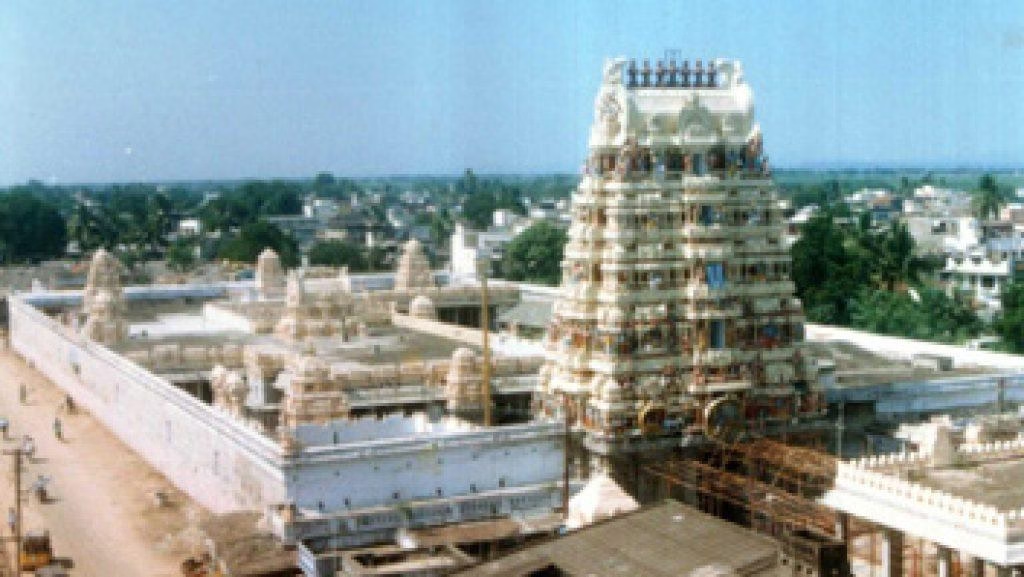
The architecture of the Sri Veeraraghava Perumal Temple showcases the classic Dravidian style, characterized by towering Gopurams (gateway towers) and enclosed Prakarams (courtyards).
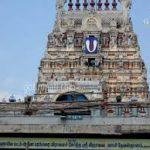
- The Rajagopuram: The entrance tower is a nine-tiered structure adorned with vibrant sculptures depicting scenes from the Puranas, specifically the avatar of Narasimha.
- The Sanctum Sanctorum (Garbhagriha): The main deity, Sri Veeraraghava Perumal, is a Swayambhu Murti (self-manifested). He is depicted in a reclining posture on the coils of Adisesha, facing east. The image is distinct for its serene yet powerful countenance, radiating healing energies.
- Stonework: The pillars in the Mandapa (hall) feature intricate carvings of Dwarapalakas (guardians) and musical pillars that produce resonant sounds when tapped.
- The Tank: The Hrittapanasini Tank (also known as Jyotirtham) is located adjacent to the temple. It is considered highly auspicious, and pilgrims take a dip here before having darshan of the Lord.
While not a UNESCO site, the temple is protected and maintained by the Hindu Religious and Charitable Endowments (HR&CE) Department of Tamil Nadu.
Darshan & Ritual Logistics
Planning your visit requires attention to the daily Pooja schedules and special festivals. Below is the standard schedule; timings may vary slightly during festival seasons.
| Part of the Day | Timing | Ritual Description |
|---|---|---|
| Morning Darshan | 06:00 AM – 12:00 PM | Includes Thiruvabharanam (holy ornaments), Suprabhatam, and Thiruvadi Pooja. |
| Afternoon Break | 12:00 PM – 04:00 PM | Temple closes for deity rest and preparation for evening rituals. |
| Evening Darshan | 04:00 PM – 08:00 PM | Deeparadhana, daily Thiruveethi Purappadu (procession). |
| Arthajama Pooja | 08:00 PM – 08:30 PM | Closing ritual. No entry allowed after 8:00 PM. |
Key Sevas (Services) & Online Booking
Devotees can book specific Sevas online via the official Tamil Nadu temple portal. For 2026, the following services are highly recommended:
- Abhishekam: Performed on Tuesdays and Fridays. The deity is bathed with milk, honey, and sandalwood paste.
- Archana: A 15-minute personalized prayer session. Specific to Sri Veeraraghava Perumal is the “Ayush Homa Kavacham” for longevity.
- Kalyana Utsavam: A ceremonial wedding reenactment of the deity, often performed for marital harmony.
Booking Method: Visit the official website or designated counter at the temple entrance. ID proof is mandatory.
2026 Major Festivals
1. Brahmotsavam (March 2026): The 10-day grand festival featuring the Ratha Utsavam (Chariot procession).
2. Narasimha Jayanti (April 24, 2026): Special Alankaram and Sahasranama Archana.
3. Thai Amavasya (January 2026): Commemorates the legend of Sage Salihotran. Thousands take a holy dip in the Hrittapanasini tank.
Practical Visitor Guidance
To ensure a respectful and smooth visit, please adhere to the following guidelines:
- Dress Code: Traditional attire is strictly enforced. Men must wear Dhoti or pants with a shirt; women must wear Saree, Salwar Kameez, or long skirts.
- Photography: Photography is strictly prohibited inside the Sanctum Sanctorum and the inner Prakaram. It is allowed in the outer corridors and the front yard of the temple.
- Mobile Lockers: Large bags and electronic items (cameras, mobile phones) are not permitted inside. Secure storage facilities (lockers) are available near the entrance for a nominal fee.
- Accessibility: The temple has ramps for wheelchair access to the main mandapa, but the inner sanctum has a step. Spacious area for footwear storage.
- Crowd Management:
- Best Hours: Weekday mornings (9 AM – 11 AM) offer the calmest experience.
- Seasonal Advice: Tamil Nadu summers (April–June) are hot. Carry a water bottle, but stay hydrated. The temple premises offer free water stations.
Pilgrimage Connectivity
How to Reach
By Air
The nearest International/Domestic airports is Arignar Anna International Airport/ Kamarajar Domestic Airport at Tirusulam (47Km).
By Train
Tiruvallur Railway Station plays an important transit point to many places in Southern parts of India like Salem, Erode, Bengaluru, Mangalore etc. and Western parts of India like Pune, Mumbai etc. Further, it is well connected to holy places like Tiruvalangadu, Tiruttani, Tirupati, Mantralayam amd Shirdi. In addition, EMU Services to Chennai Central, Arakkonam and Tiruttani are available from early in the morning to late in the night.
By Road
Three important National Highways namely, NH 16, NH 48 and NH 716 are passing through the District boundary. Bus Stand is situated in the heart of the town and buses are available to outstation and mofussil routes from early in the morning to late in the night.
Nearby Sacred Sites (Pilgrimage Circuit)
Extend your spiritual journey by visiting these nearby temples:
- Sri Kalahasteeswara Temple (Kalahasthi): Located ~35 km away. A powerful Shiva temple renowned for Rahu-Ketu Dosha remedial rituals.
- Sri Vedantheswarar Temple (Thiruvalangadu): Located ~25 km away. One of the five elemental Pancha Bhoota Stalam (Fire Lingam).
- Sri Venkateswara Temple (Tirumala): Located ~80 km away. The world-renowned abode of Lord Balaji.
Frequently Asked Questions (FAQ)
1. Is there a VIP darshan entry available?
Yes, the temple administration offers a special darshan ticket (Rs. 50 approx.) which allows devotees to bypass the general queue. However, during Brahmotsavam, all queues are merged to maintain order.
2. What are the accommodation options near the temple?
Thiruvallur has several budget lodges and choultries managed by the HR&CE. For luxury options, Chennai (45 km) offers a wide range of hotels. It is advisable to book accommodations in advance during festival seasons.
3. Can we perform last rites (Shraddha) here?
While the primary focus is on Lord Veeraraghava Perumal for longevity, the temple is a highly sought-after location for performing Pithru Tarpanam (offering to ancestors) in the Hrittapanasini tank, especially on Amavasya days.
4. What is the history of the tank’s name?
The tank is called Hrittapanasini, meaning “she who removes heart troubles.” Legend says that taking a dip here cures physical and mental ailments. It is also where the Devas used to bathe to cleanse themselves of curses.
5. Is the temple open on weekends?
Yes, the temple is open 365 days a year. However, Saturdays are generally more crowded due to the special Garuda Sevai processions.
Photo Gallery

Contact Details
Executive Officer
Sri Veeraraghava Perumal Temple
adjacent to Temple Tank, Sannadhi Street, MGM Nagar, Tiruvallur, Tamil Nadu 602001
Phone: 044 2766 0378
Recent Posts

Shri Kaamkoteeshwar Mandir, Varanasi – History & Significance
In the heart of Kashi, the eternal city of Lord Shiva, where the Ganges flows with celestial grace, stands the Shri Kaamkoteeshwar Mandir. This sacred Sannidhi is not merely a temple but a profound spiritual bridge between the Northern…

ओ सांवरे तूने ही मुझको संभाला – Lyrics & Meaning
ओ सांवरे तूने ही मुझको संभाला – A Prayer to Shyam Origin & Spiritual Essence Why This Bhajan Resonates Devotees chant this when overwhelmed by life’s storms—the refrain ‘तूने ही मुझको संभाला’ is the soul’s sigh of relief: “You…

कथा ये है महाराज मेरे की – Lyrics & Meaning
कथा ये है महाराज मेरे की छत्रपति संभाजी महाराज – A Prayer to Chhatrapati Sambhaji Maharaj Origin & Spiritual Essence Why This Bhajan Resonates Devotees chant this when their spirit feels tested—its powerful refrain “महाराज मेरे” is a soul’s…

Rigveda Samhita Yathartha Anuvada (ऋग्वेद संहिता यथार्थ अनुवाद) – Complete Set with Anvayartha & Hindi/English Translation
The Rigveda is the oldest surviving scripture of humanity and the foundational text of Sanātana Dharma. For serious students, scholars, UPSC aspirants studying ancient Indian history, Sanskrit learners, and spiritual seekers, a precise and grammatically structured translation is indispensable.…

आना भी अकेला है जाना भी अकेला है – Lyrics & Meaning | BharatTemples
आना भी अकेला है जाना भी अकेला है – A Prayer to the Divine Witness Origin & Spiritual Essence Why This Bhajan Resonates Devotees turn to this bhajan in moments of deep reflection—when life’s attachments begin to ache. The…

माता शेरावाली के द्वार जो भी जाता है – Lyrics & Meaning
माता शेरावाली के द्वार जो भी जाता है – A Prayer to Maa Sherawali Origin & Spiritual Essence Why This Bhajan Resonates Devotees turn to this bhajan in times of fear or uncertainty—its promise that no one leaves Maa’s…

मार लेना सपणी उबार लेणा भवरा – Lyrics & Meaning
मार लेना सपणी उबार लेणा भवरा – A Prayer to the Divine Beloved Origin & Spiritual Essence Why This Bhajan Resonates Devotees chant this in moments of deep vulnerability—its cry of “मार लेना सपणी, उबार लेणा भवरा” is the…

हमें श्याम सुंदर भरोसा तुम्हारा – Lyrics & Meaning
हमें श्याम सुंदर भरोसा तुम्हारा – A Prayer to Shyam Sundar Origin & Spiritual Essence Why This Bhajan Resonates Devotees chant this when feeling alone—its refrain ‘de do sahara’ is the soul’s cry for divine support. Lyrics in Hindi…

Mere Satguru Ne Di Thi Davai Lyrics in Hindi & Meaning
Mere Satguru Ne Di Thi Davai: Invoking the Guru’s Liberating Wisdom This soul-stirring bhajan venerates the Satguru (True Spiritual Master) as the divine physician who dispenses the only remedy for life’s deepest sufferings. Composed by Sant Karmaveer Tufani, it…

Janm Diyo Thari Maa Dukh Dekhiyo Lyrics in Hindi & Meaning
जन्म दियो थारी माँ दुख देखियो (Maa’s Grief Upon Birthing You) This soul-stirring Chetavani Bhajan (admonitory hymn) is addressed to the Divine Mother (Maa) – a call for repentance when children forget their filial duties in the dark age…